
Film
Sliver
Sliver drops Sharon Stone into a Manhattan high-rise wired with hidden cameras, turning her new apartment into a panopticon and her new lover into a suspect. It's Ira Levin's paranoid puzzle adapted as glossy erotic thriller — notorious for its chaotic production and reshot ending, but still a fascinatingly kinky snapshot of early-90s anxiety about who's watching, and why it might turn you on.
Should you watch it?
Watch it if you enjoy glossy, sultry thrillers where paranoia is the point and the glamour of a Manhattan high-rise does half the work, even if the plot asks you to forgive a lot.
Skip it if you want a tight, sharp mystery; this is loose, leans on its sex scenes and stylish surfaces, and its reveals land softer than its setup promises.
What it asks of you: Settle in for just under two hours of simmering looks and hushed rooms, with attention going to glances and a few lurid flashes rather than action.
Not sure? Find tonight's pick in a minute.
If you liked this
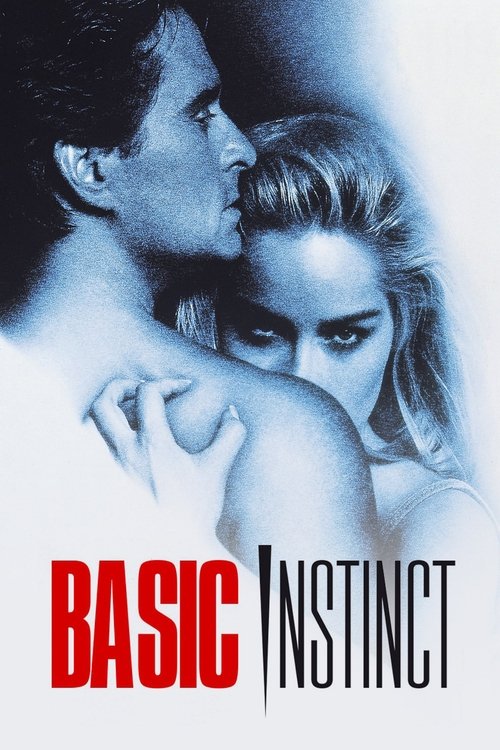
Basic Instinct1992
Stone at her most dangerous, playing the woman men can't stop watching and can't trust — the film that made her a star and set the template Sliver tried to repeat.
But It's the same cocktail of sex and murder mystery, so if you want variety rather than more Stone, it might feel repetitive.
Single White Female1992
A stranger moves into your apartment and slowly becomes you — the same claustrophobic building-as-character dread as Sliver, but the threat sleeps in the next room, not behind a camera.
But The roommate horror angle plays more like slasher tension than erotic thriller, so the tone shifts harder than you might expect.

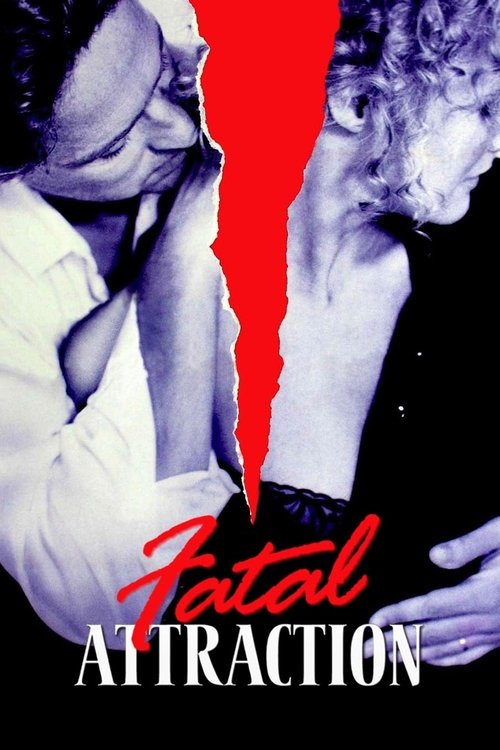
Fatal Attraction1987
The granddaddy of the erotic thriller boom Sliver rode in on — desire curdling into obsession, with an ending that terrified an entire decade of husbands.
But It's more melodrama than mystery, and its sexual politics have aged into something you'll want to argue about afterward.
Not sure tonight? Get a pick in a minute, starting from Sliver
The wildcard
Something you would not have found on your own.
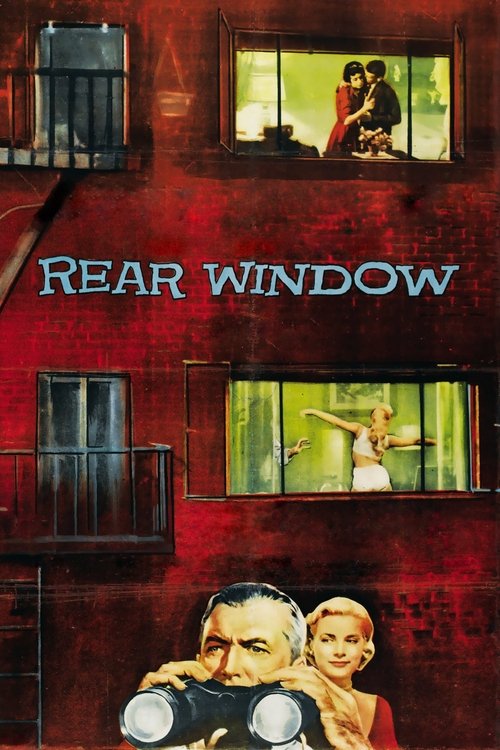
Rear Window1954
Sliver is Rear Window's plot wearing a slip dress: an apartment building as a grid of private lives, a protagonist seduced by the act of watching, and the question of whether looking makes you complicit.
Hitchcock invented the moral vertigo Sliver spends two hours chasing: a man in a wheelchair watches his neighbours through binoculars and thinks he's witnessed a murder. It's the ur-text of the watched-and-watcher thriller.
But It's black-and-white, stagebound, and moves at a 1950s pace — patient where Sliver is horny and fast.
More like this (8)
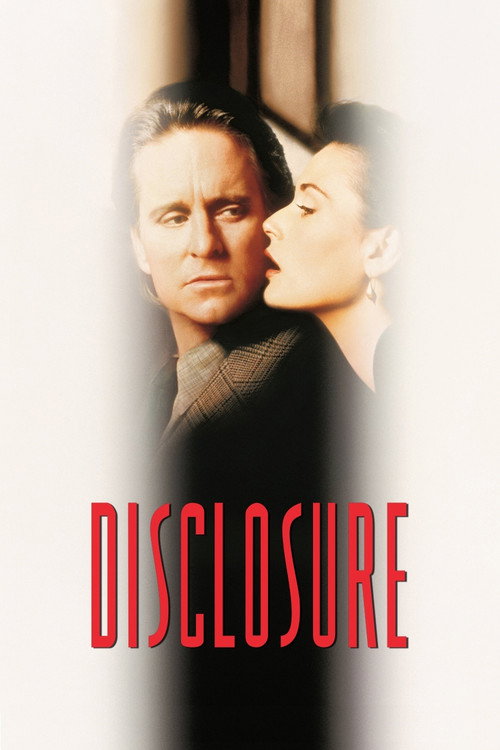
Disclosure1994
Michael Douglas gets stalked by workplace politics and a predatory ex, swapping Sliver's apartment intrigue for corporate power games with the same glossy 90s sheen.
But It's talkier and more boardroom than bedroom — the eroticism is mostly a delivery system for a plot about office politics.
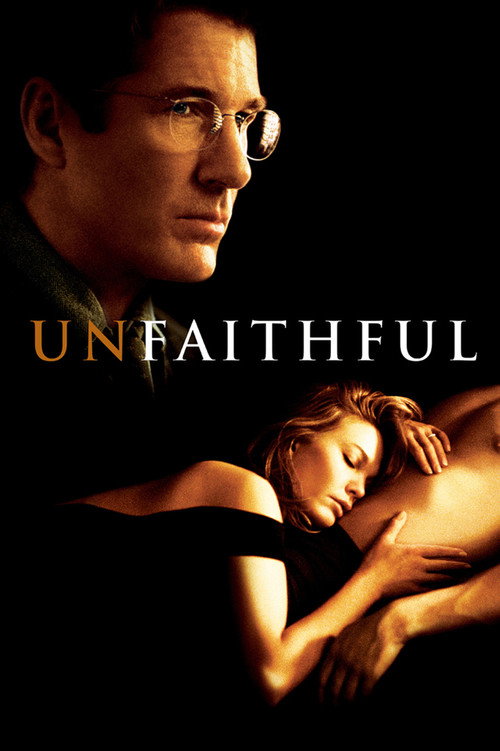
Unfaithful2002
Diane Lane drifting into an affair that spirals into something darker — a slower, more grown-up cousin to Sliver's fascination with desire as danger.
But It trades pulpy thrills for aching seriousness, so anyone hoping for camp or twists will find it too somber.
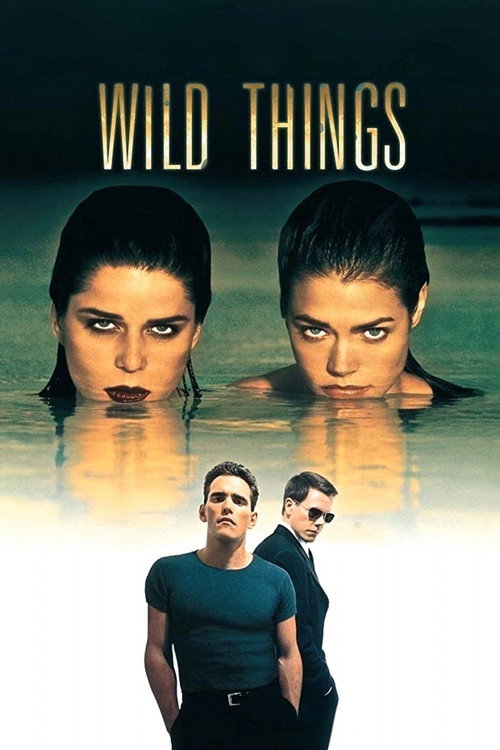
Wild Things1998
A gleefully trashy Florida noir that outdoes Sliver in twists-per-minute, stacking double-crosses until you stop trying to guess and just enjoy the ride.
But It's pure pulp with barely a pretense of depth — if you wanted Sliver's ideas taken seriously, this won't scratch that itch.
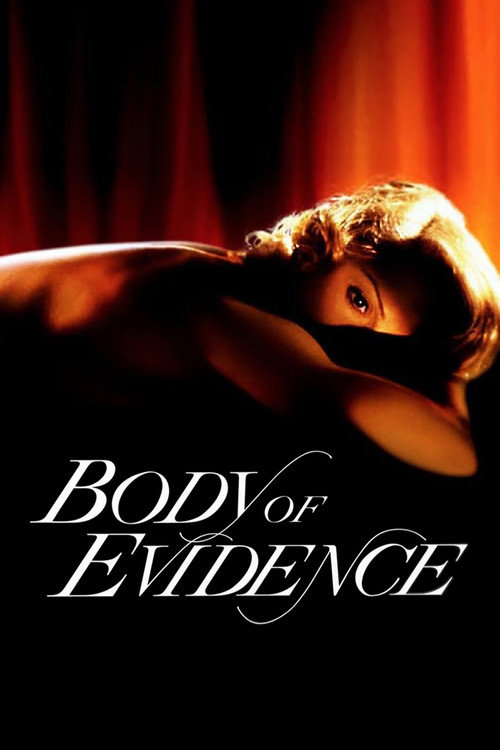
Body of Evidence1993
Madonna as a murder suspect who may have literally used sex as a weapon — the same year, same genre, same critical drubbing, and just as fun to revisit now.
But It's widely considered worse than Sliver, all camp with none of the surveillance intrigue that makes that film interesting.
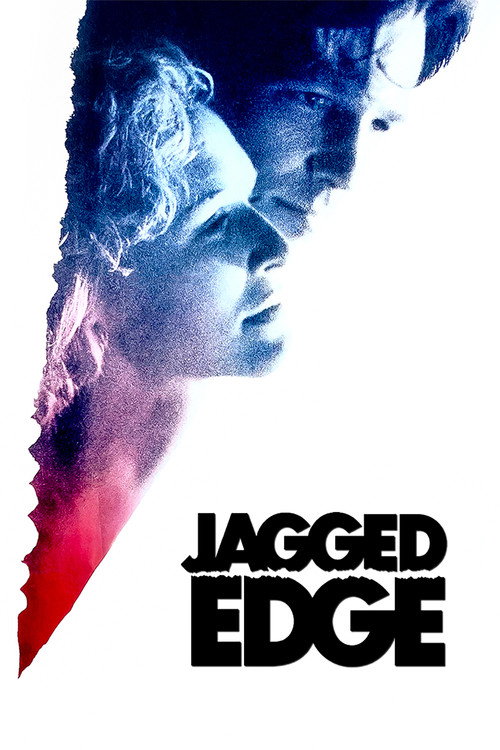
Jagged Edge1985
A lawyer falls for the man she's defending in a brutal murder case, unsure if she's sleeping with a killer — the whodunit engine Sliver borrows, minus the cameras.
But It's a courtroom thriller at heart, so if the apartment-building paranoia was the draw, this won't deliver that atmosphere.
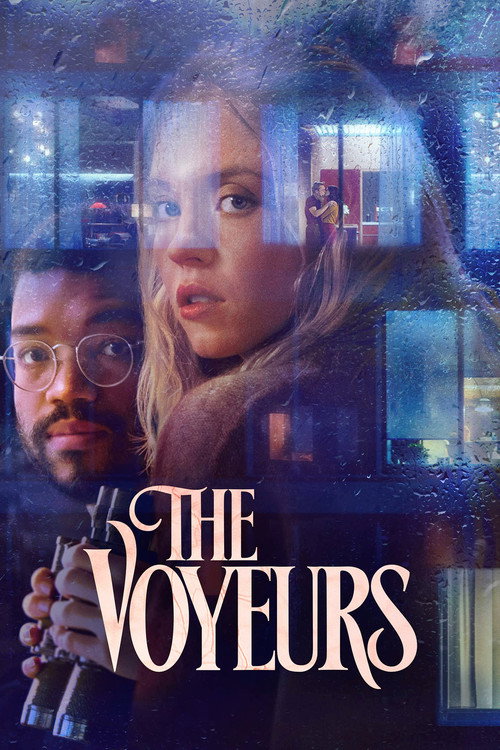
The Voyeurs2021
A modern update on watching your neighbours through the window, this one leans hard into consequence and escalating dread rather than Sliver's glossy fatalism.
But It's slicker and more digital-age than atmospheric, and some found its late twists more silly than shocking.
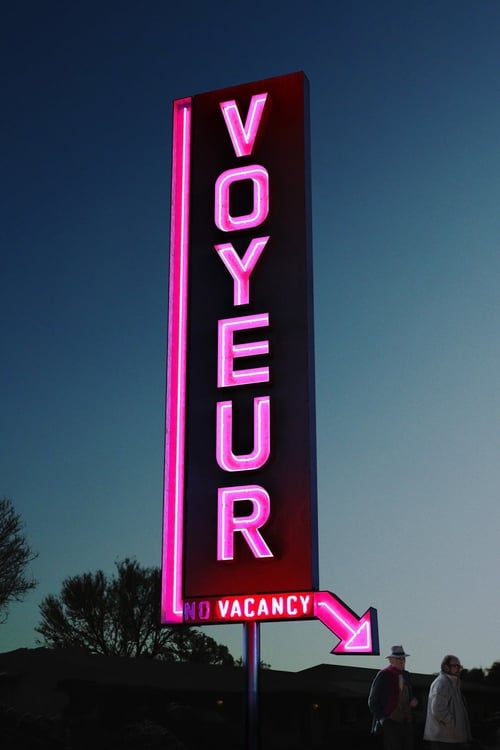
Voyeur2017
Sliver dresses voyeurism up as seduction; Voyeur strips that fantasy bare, showing what watching people without consent actually does to the watcher and the watched, no glossy lighting included.
A real motel owner secretly built crawlspaces above his rooms to watch guests for decades, and journalist Gay Talese spent years chronicling him — this documentary turns Sliver's fictional surveillance fantasy into something queasily, undeniably real.
But It's uncomfortable rather than fun, and the moral rot at its centre — both the voyeur's and the journalist's — lingers long after the credits.
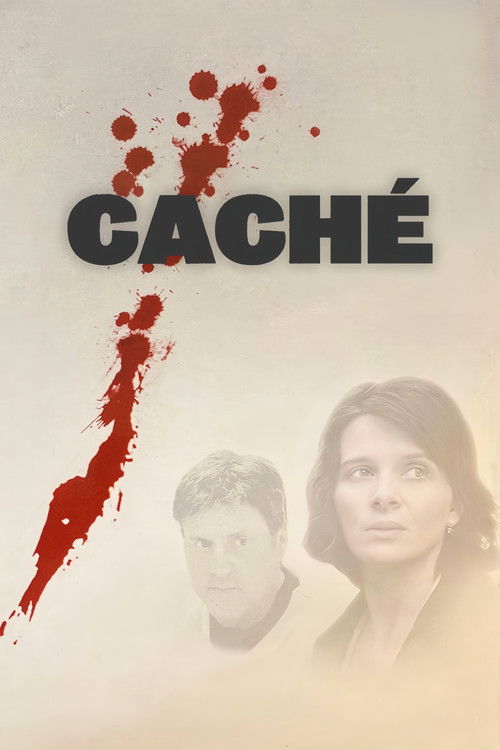
Caché2005
Both films use hidden cameras as an engine of dread, but where Sliver treats being watched as erotic, Haneke treats it as a moral indictment — same premise, opposite register, one horny and one haunted.
A Parisian family starts receiving surveillance tapes of their own home, and the mystery of who's watching them curdles into a reckoning with buried guilt — the arthouse, ice-cold answer to Sliver's pulp question of what watching does to us.
But It's slow, subtitled, and deliberately withholds the resolution a thriller usually promises — frustrating if you want answers, not ambiguity.
People
Cast
 Sharon StoneCarly Norris
 William BaldwinZeke Hawkins
 Tom BerengerJack Lansford
 Polly WalkerVida Warren
 Colleen CampJudy Marks
 Amanda ForemanSamantha Moore
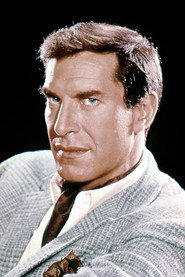 Martin LandauAlex Parsons
 CCH PounderVictoria Hendrix
 Nina FochMrs. McEvoy
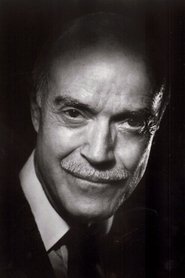 Keene CurtisGus Hale
 Nicholas PryorPeter Farrell
 Anne BetancourtJackie Kinsella
Directing
- Phillip NoyceDirector
- Adell AldrichScript Supervisor
- David R. EllisSecond Unit Director
Writing
- Ira LevinNovel
- Joe EszterhasScreenplay
Production
- Laura ViedermanAssociate Producer
- Amanda MackeyCasting
- Cathy Sandrich GelfondCasting
- William J. MacDonaldCo-Producer
- Hawk KochExecutive Producer
- Joe EszterhasExecutive Producer
- Bernie StylesExtras Casting
- Robert EvansProducer
- Edwin 'Itsi' AtkinsUnit Production Manager
Recommended by
Rear Window, The Bodyguard, Basic Instinct, Drawn Together, Cam, Body of Evidence, The Crush, Jade, Blue Steel, Color of Night