
Film
Maelström
A young woman's life unravels after a hit-and-run accident, pulling her toward a mysterious stranger offering redemption. This audacious 2000 Quebecois film narrated by a philosophical fish is formally daring, emotionally raw, and willing to embrace the absurd without losing sight of real guilt and reckoning. It's for viewers hungry for cinema that takes risks.
Should you watch it?
Watch it if you enjoy films that let a strange narrative device, here a fish speaking with wry detachment, carry a moral story about guilt and a second chance.
Skip it if its fable-like framing can feel precious if you want a plain, plot-first drama, and its voice-over is an acquired taste for some.
What it asks of you: Under 90 minutes, it moves in short, deliberate scenes and wants you to hold a moral question steadily, with little relief or levity along the way.
Not sure? Find tonight's pick in a minute.
If you liked this
Mulholland Drive2001
A fractured narrative about guilt, identity and the stories we tell ourselves, shaped by misdirection and formal boldness. Lingers in the mind long after the surface mystery resolves.
But Dense and deliberately opaque in places; some threads resist neat explanation and that's intentional, which can feel frustrating.

The Seventh Seal1957
Existential crisis meeting fate and chance, mediated by an unexpected voice (Death himself). Bergman uses formal invention to ask what redemption actually means when circumstances spiral beyond control.
But Shot in crisp black and white in the 1950s; the philosophical register and pace will feel remote if you're accustomed to contemporary rhythm.

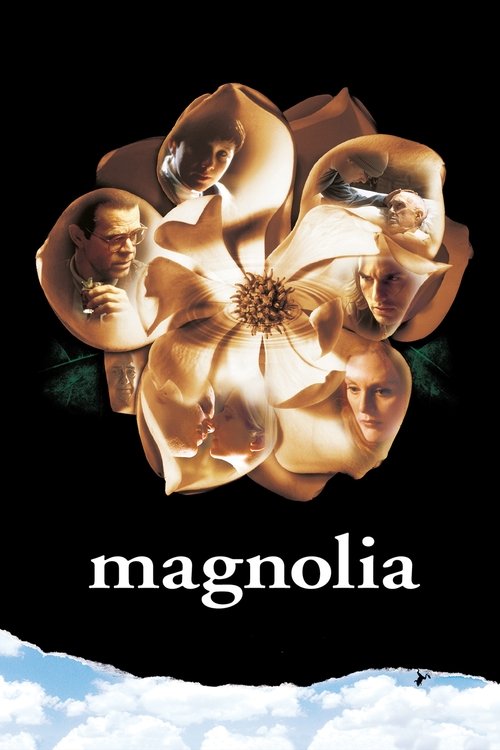
Magnolia1999
Interconnected lives spiralling toward collision and unexpected grace; simultaneously sprawling and intimate. Uses form (weather, song, coincidence) to suggest meaning beyond rational control.
But Nearly three hours, tonally unstable, and demands you meet it on its own terms rather than the film meeting you on yours.
Not sure tonight? Get a pick in a minute, starting from Maelström
The wildcard
Something you would not have found on your own.
The Holy Mountain1973
Both use deliberate formal strangeness (narration by a fish; surrealist grotesquerie) to make spiritual and psychological transformation visible rather than explained.
Jodorowsky's surrealist spiritual odyssey uses grotesque formal invention—strange narration, impossible imagery, symbolic chaos—to explore redemption and spiritual seeking. Like Maelström, it refuses naturalism to reach something true.
But Genuinely transgressive and grotesque; combines religious imagery with body horror, scatological humour, and sequences designed to disturb. Not for viewers preferring subtlety.

More like this (8)
Amour2012
Haneke's unflinching portrait of decline and devotion. Watches suffering without looking away, asks hard questions about love's obligations, and respects the audience's intelligence absolutely.
But Deliberately unglamorous depiction of illness and aging; slow, austere, and offers no consolation that isn't earned.

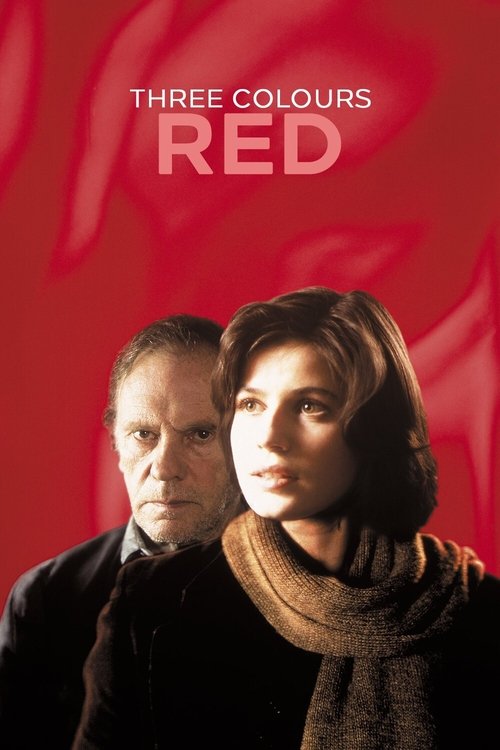
Three Colors: Red1994
Kieslowski's meditation on chance, connection, and the hidden threads linking strangers. Formally playful but spiritually serious, using its premise to suggest kindness and consequence matter.
But European art cinema from the 1990s; paced for contemplation rather than momentum, and the final convergence happens offscreen.
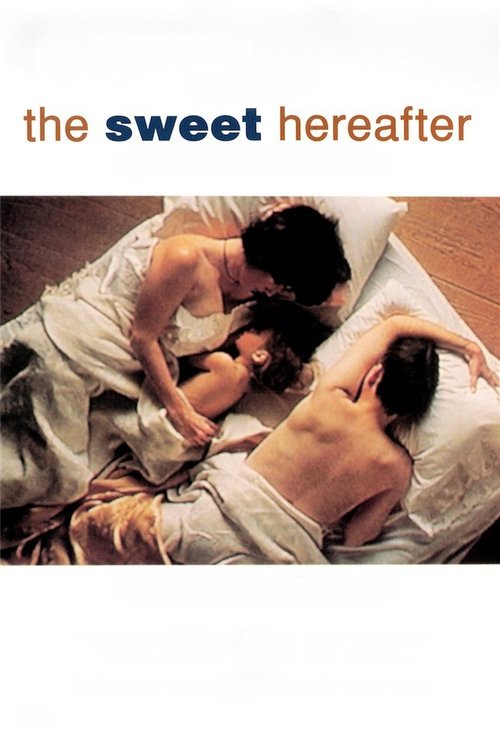
The Sweet Hereafter1997
Accident, grief, and the stories we construct to survive them. Atom Egoyan structures the narrative like a shattered mirror, asking how we live after shattering.
But Deliberately fragmented chronology; some viewers find the fractured timeline more frustrating than illuminating.
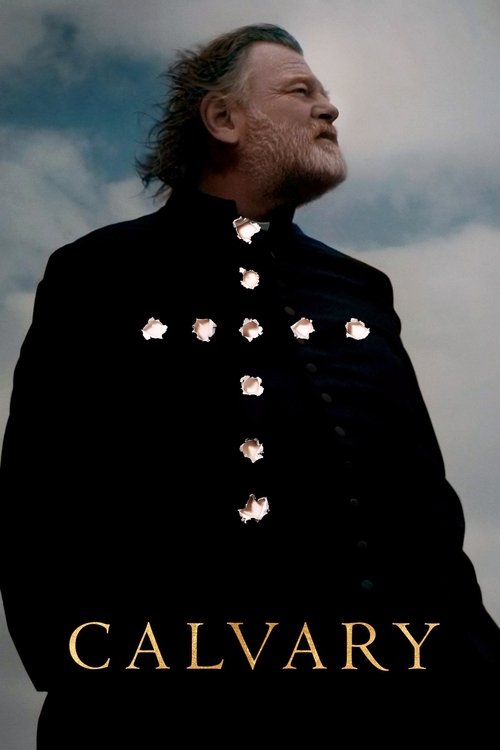
Calvary2014
A priest facing moral crisis and violence with grace and humour. Brendan Gleeson is magnificent; the film holds faith and doubt, rage and forgiveness in tension without resolving them.
But Darkly funny about suffering and sin; if you're expecting conventional spiritual comfort, this will feel almost aggressive in its refusal to provide it.
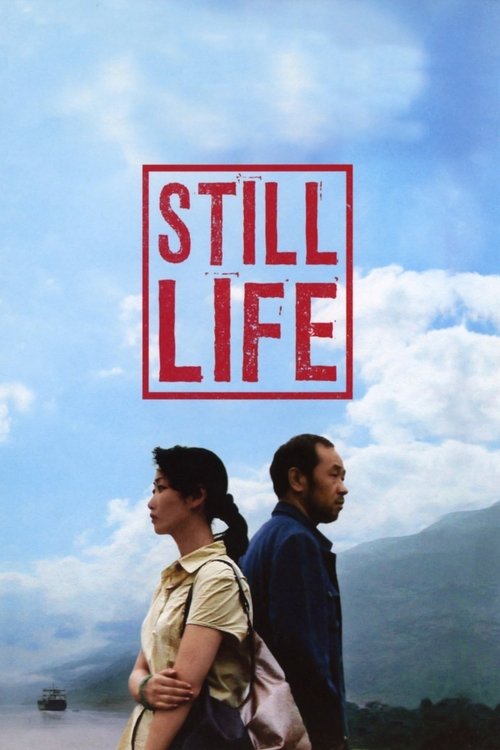
Still Life2006
Jia Zhangke's portrait of urban displacement in contemporary China. Quiet, digressive, watching how ordinary people navigate massive historical forces and loss with small gestures of connection.
But Extremely slow, minimal plot, shot in long takes; the beauty is cumulative and demands patience most cinema hasn't trained us for.
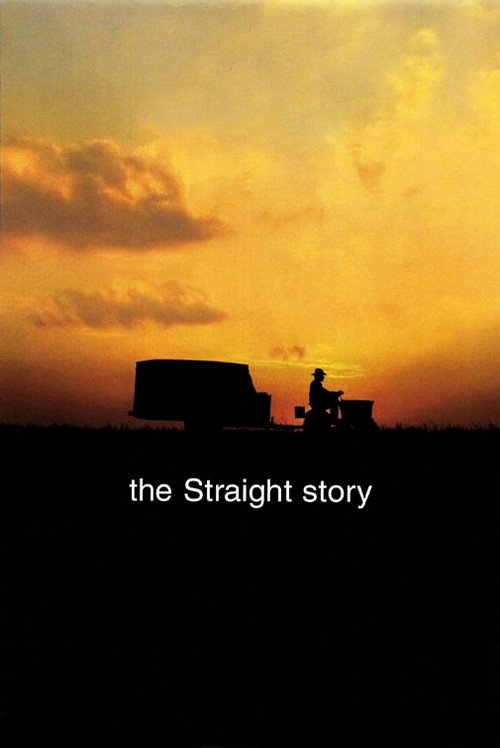
The Straight Story1999
Lynch directing a G-rated film about an elderly man's redemptive journey on a lawnmower. Sincere without irony, finding profound grace in ordinary Midwestern life and small acts of reconciliation.
But Gentle and deliberately paced to the point of drowsiness; if you want plot momentum or conventional drama, this will feel thin.
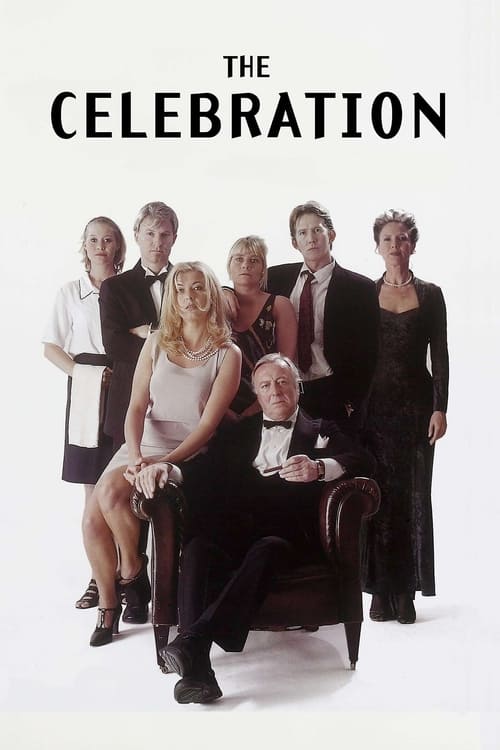
The Celebration1998
Both compress moral reckoning and family rupture into brief running times; both refuse to let their protagonists off easily or offer false redemption.
Thomas Vinterberg's Dogme manifesto film: a birthday gathering becomes excavation of family trauma and accusation. Raw, handheld, claustrophobic. Watches people cracking under pressure with unflinching intensity.
But Handheld digital video looks deliberately cheap; the family dynamics are psychologically brutal; there's no catharsis, only exposure and fracture.
Under the Skin2014
Both feature a protagonist meeting someone who holds a mirror to their own monstrousness; both use formal strangeness and unreliable narration to make moral vertigo visible.
Glazer's film of Jon Kaufman's novel; Scarlett Johansson as something not-human moving through Scotland, seducing and consuming. Formally alien—long silences, real locations, no score—asking what it means to be a predator aware of predation.
But Glacially paced, narratively minimal, deliberately opaque about motive and meaning. Viscerally disturbing in ways that have little to do with gore.

People
Cast
 Marie-Josée CrozeBibiane Champagne
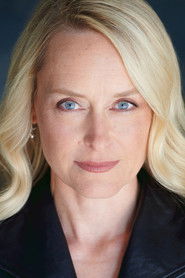 Stephanie MorgensternClaire Gunderson
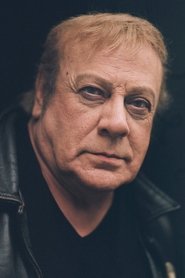 Pierre LebeauThe Fish (voice)
- Kliment DenchevHead-Annstein Karlsen
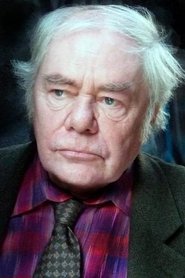 John Dunn-HillFishmonger
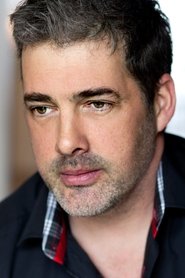 Bobby BeshroPhilippe Champagne
 Marie-France LambertMarie-Jeanne Sirois
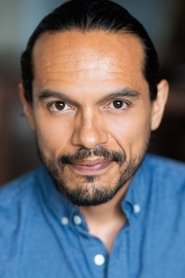 Luis OlivaFishmonger's Employee
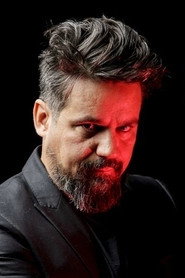 Robin AubertGas Station Clerk
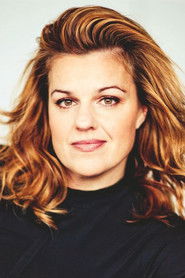 Sylvie MoreauPhotographer
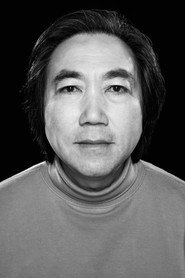 Khanh HuaVietnamese Restaurant Owner
Directing
- Denis VilleneuveDirector
Writing
- Denis VilleneuveScreenplay
Production
- Lucie RobitailleCasting
- Luc VandalProducer
- Roger FrappierProducer