Television series
Armchair Theatre
- Drama
- Dip in and out
Armchair Theatre was ITV's flagship anthology series—a weekly showcase of self-contained stage plays adapted for television. From 1956 to 1974, it brought new drama directly into living rooms: raw, often daring, always live or lightly filmed. Essential viewing for anyone curious how British television learned to make intimate human stories matter.
If you liked this
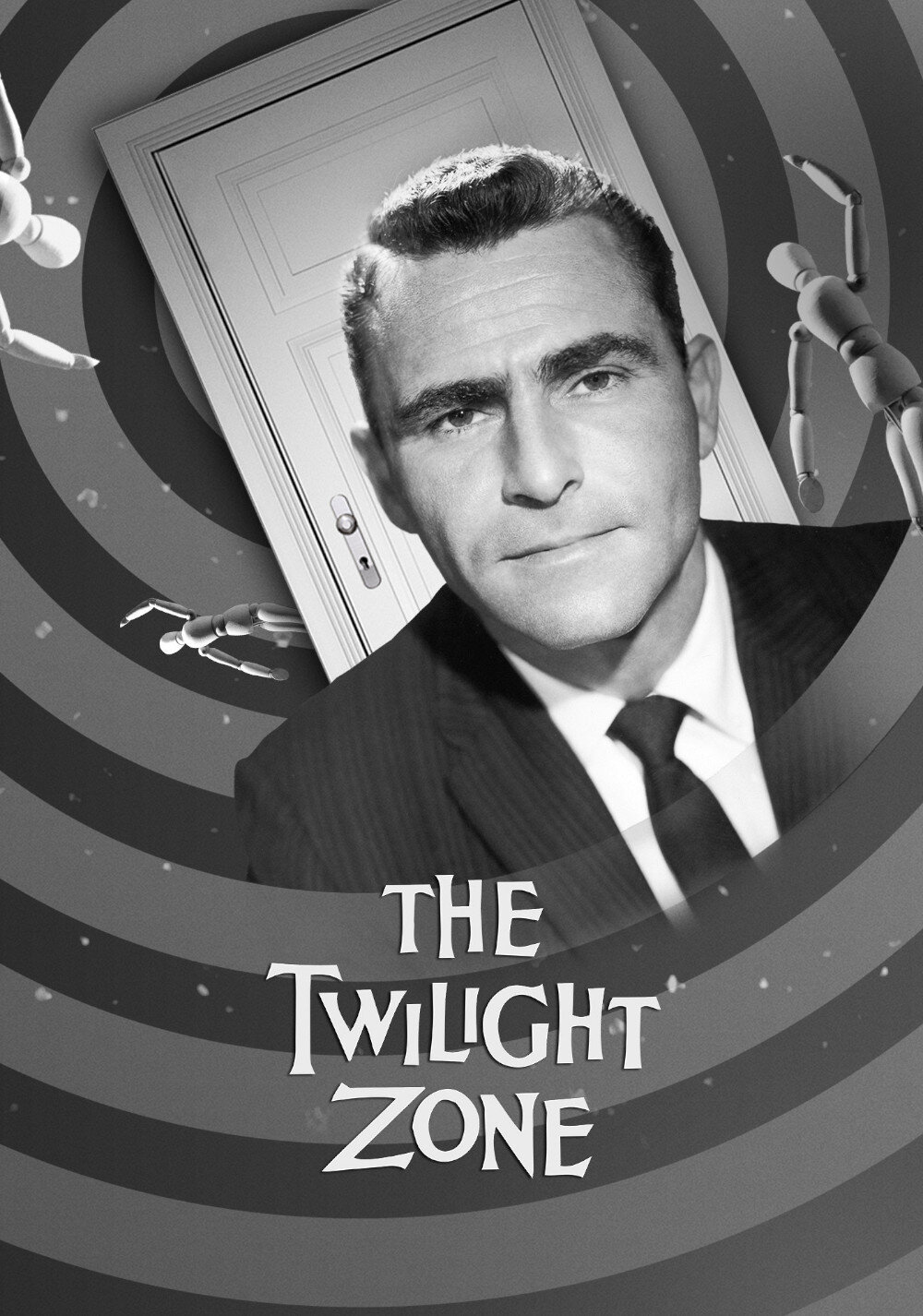
The Twilight Zone1959
American anthology series that perfected the twist-ending format. Like Armchair Theatre, it trusted single stories and strong writing over spectacle, proving the form could hold entire worlds in twenty-four minutes.
But The pacing feels leisurely by today's standards, and some premises are dated. You're signing up for sci-fi conceits rather than the grounded character work Armchair Theatre offered.
The Big Breaker1964
BBC's answer to Armchair Theatre: one new play each week, directors given real freedom, writers encouraged to push boundaries. If you loved Armchair Theatre's unpredictability, this is the natural next step.
But Fewer episodes are readily available than you'd hope. The BBC's archive gaps are real and disappointing.
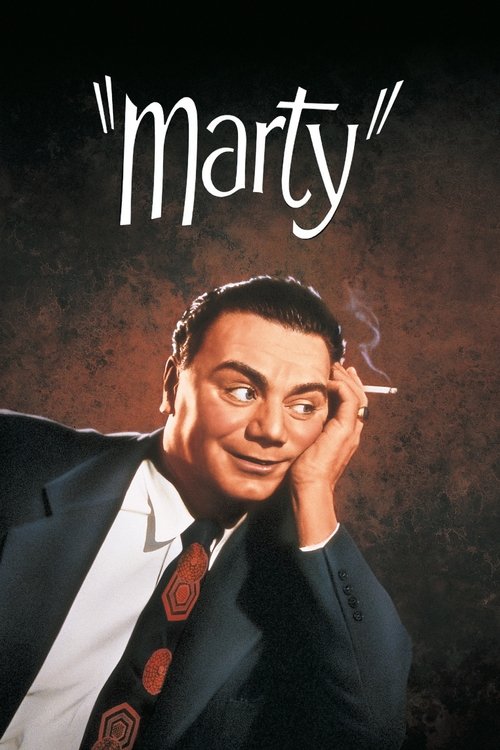
Marty1955
Paddy Chayefsky teleplay that became a film. It's the DNA of Armchair Theatre made flesh—ordinary people, ordinary moment, extraordinary emotional truth. Shows why TV drama mattered enough to release in cinemas.
But Post-war sentimentality. If you can't sit with loneliness and hope without irony deflecting it, this won't click.
Not sure tonight? Get a pick in a minute, starting from Armchair Theatre
The wildcard
Something you would not have found on your own.
Stalker1979
Both treat a single story as sufficient container for enormous human questions. Both believe in the power of confined spaces and human speech.
Andrei Tarkovsky's philosophical science-fiction film: a man, a landscape, an invisible destination. Like Armchair Theatre, it trusts image and silence and the weight of conversation. Television learned drama from theatre; this learned it from television itself.
But 163 minutes of very slow cinema. If Armchair Theatre was the spark, Stalker is the extended meditation. Patience required—genuine, meditative patience.

More like this (4)
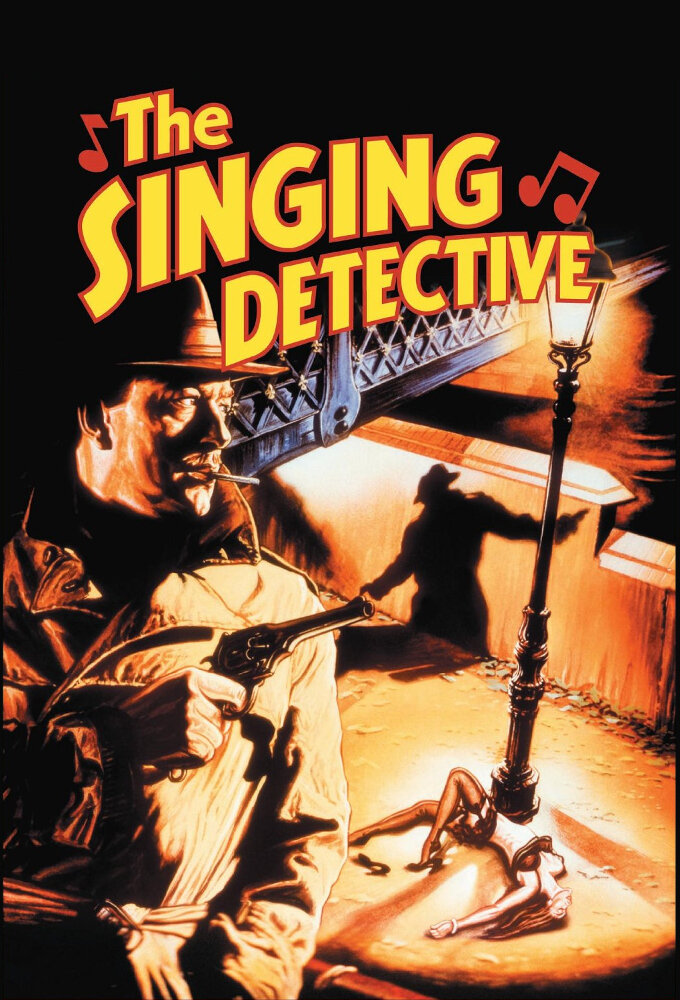
The Singing Detective1986
Dennis Potter's miniseries proves the inheritor of Armchair Theatre's legacy: intimate, ambitious, willing to be strange. Single protagonist, contained setting, but the whole universe reflected in one man's crisis.
But Intensely dense and occasionally obscure. Potter doesn't make it easy, and the production design veers into abstraction that some find mannered.
Small Axe2020
Steve McQueen's anthology series of linked films, each complete in itself. Five stories, five perspectives. Proves the model still works and still matters—especially for voices television historically sidelined.
But Each episode demands your full attention. You cannot have these on as background. Some are painful to watch, intentionally.

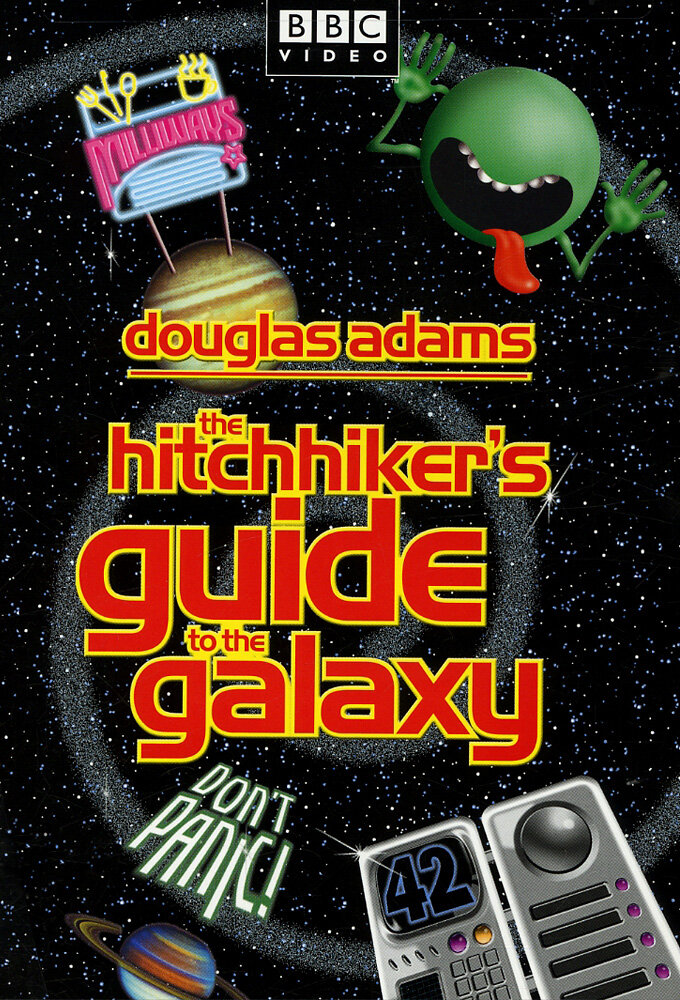
The Hitchhiker's Guide to the Galaxy1981
BBC television comedy that used anthology logic for absurdist effect. Cheaper production, high imagination, each episode a planet. Shows what happened when TV writers stopped thinking like theatre.
But Dated BBC special effects that don't hold up. Cult enthusiasm can oversell this. It's charming rather than brilliant, and sometimes just wobbles.
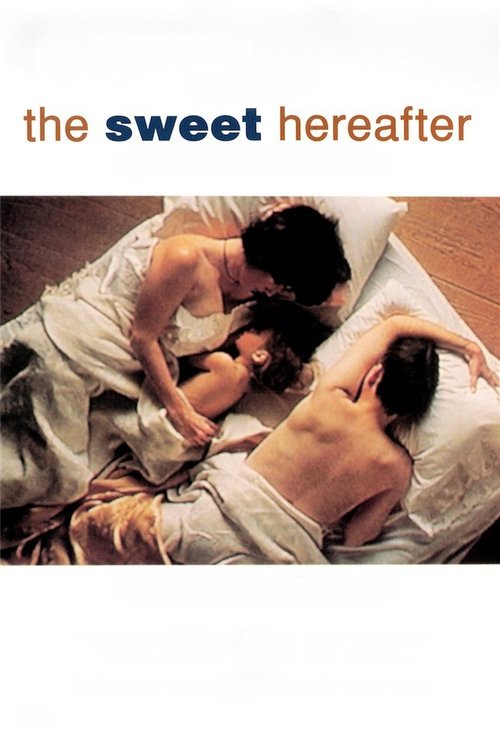
The Sweet Hereafter1997
Both foreground the human voice and face over plot mechanics. Both believe a small story, told truly, contains everything.
Atom Egoyan's layered storytelling about a small town after tragedy. Non-linear, multiple perspectives, impossible to know truth until the end. Like Armchair Theatre's best moments: ordinary lives containing impossible weight, and television's willingness to sit with that weight.
But Fragmented structure demands active engagement. You cannot drift. The emotional climax is devastating—not cathartic, just devastated.