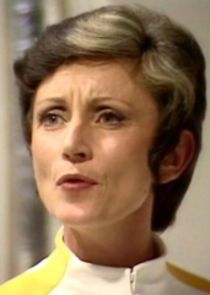
Television series
Knight Errant Limited
A 1959 ITV drama about Adam Knight, a restless young man who launches a problem-solving business with the help of Liz, a sharp former columnist, and Peter, an aspiring writer scraping by. Each episode brings fresh cases—mysteries, cons, and moral tangles—that let this bright trio improvise their way through postwar London. It's energetic, clever, and caught between the cosy detective tradition and something more cynical emerging in British television.
Should you watch it?
Watch it if you like a brisk late-fifties caper where a self-appointed fixer and his quick-witted partner take on whatever lands on their desk, and you enjoy period style as much as the plot.
Skip it if you need tight serialised suspense or dark stakes; this is breezy and light, and its appeal rests on charm and tone rather than mounting tension.
What it asks of you: seventy-six hour-long episodes across three seasons mean a long, unhurried commitment, best taken in occasional sittings rather than a single binge.
Not sure? Find tonight's pick in a minute.
If you liked this
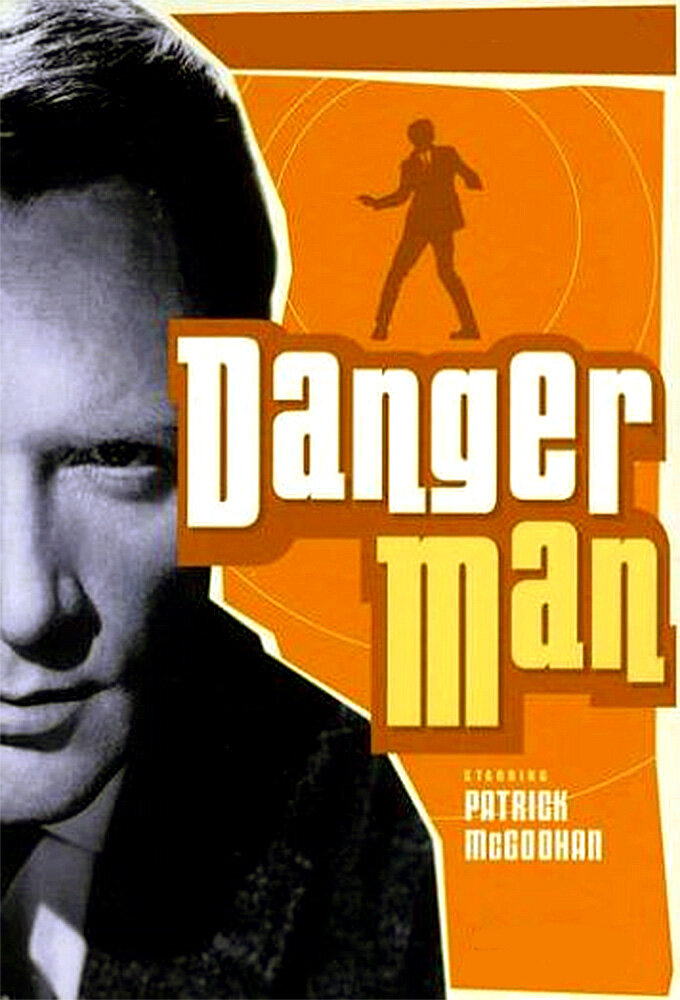
Danger Man1960
John Drake solves international incidents with wits and improvisation, same era and spirit as Knight Errant. Faster paced, beautifully shot, and Patrick McGoohan is magnetic. If you liked the cases and the team dynamic here, this refines it.
But It's formulaic once you know the shape—each episode follows the same beats, and some feel thin. The Cold War spy angle won't surprise anyone now.
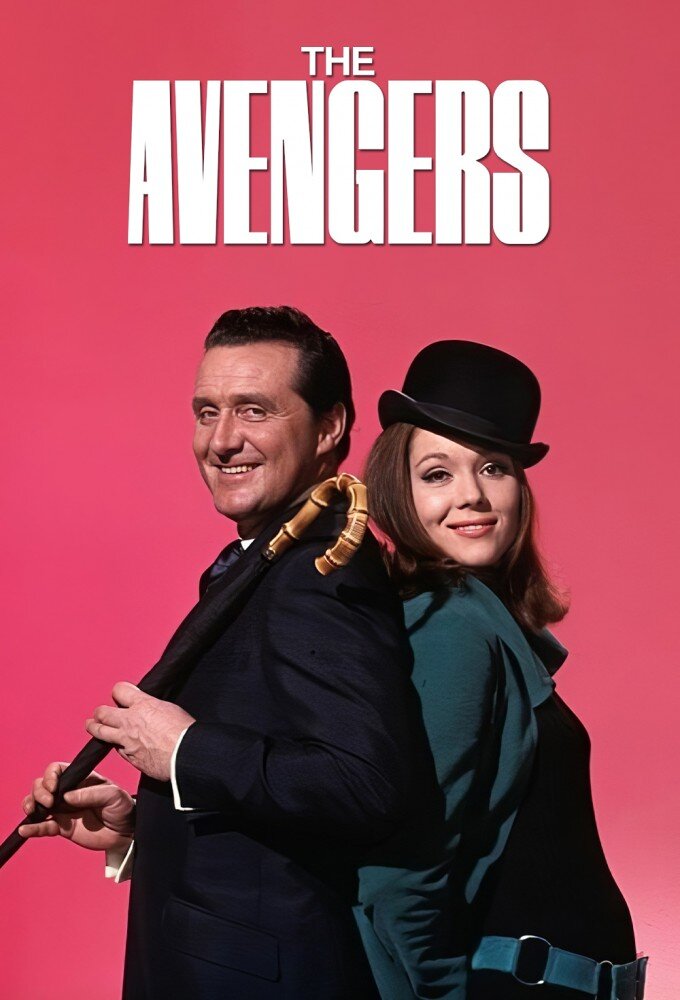
The Avengers1961
Starts the same year Knight Errant ends, with the same DNA: quick-witted partners solving problems, stylish banter, and that tonal balance between danger and charm. Steed and Cathy (later Emma) have the same ease together that Adam and Liz manage here.
But The early episodes are cruder than later seasons. Some feel like sketches rather than stories. Pacing can drag if you're not in the mood for 1960s TV rhythms.
Armchair Theatre1956
Same network (Granada), same era, same commitment to intelligent drama for intelligent audiences. These one-off plays have the energy and moral complexity you get in Knight Errant's best cases. A masterclass in how good British TV looked before it got stale.
But No recurring characters means you're starting fresh each week. Some plays are brilliant, others date harder. Requires patience and attention.
Not sure tonight? Get a pick in a minute, starting from Knight Errant Limited
The wildcard
Something you would not have found on your own.
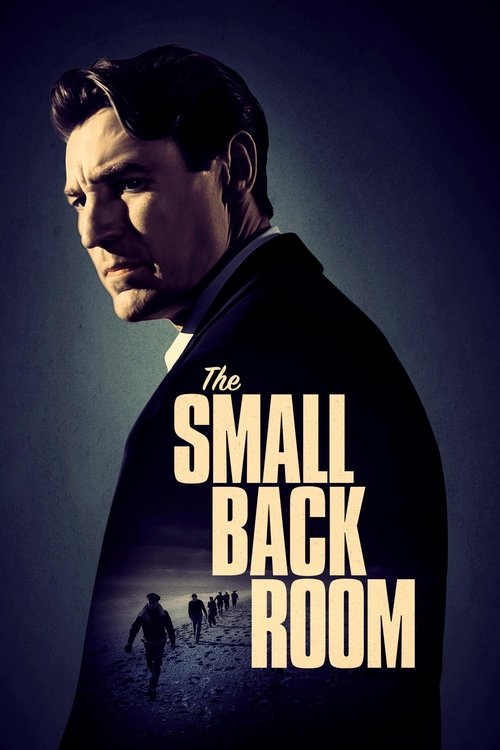
The Small Back Room1949
Both treat problem-solving as an art form that demands character, humour, and integrity. Both find drama in the work itself rather than in plot mechanics.
A prewar technician and his team defuse unexploded bombs in London, mixing high stakes with intimate character work and moral complexity. It's the spiritual DNA of Knight Errant—smart people improvising under pressure, with wit as a survival tool.
But It's a 1949 film, so the pacing is deliberate and the emotional register is serious. Not a caper or a romp. Requires you to sit with dread and sadness.
More like this (8)
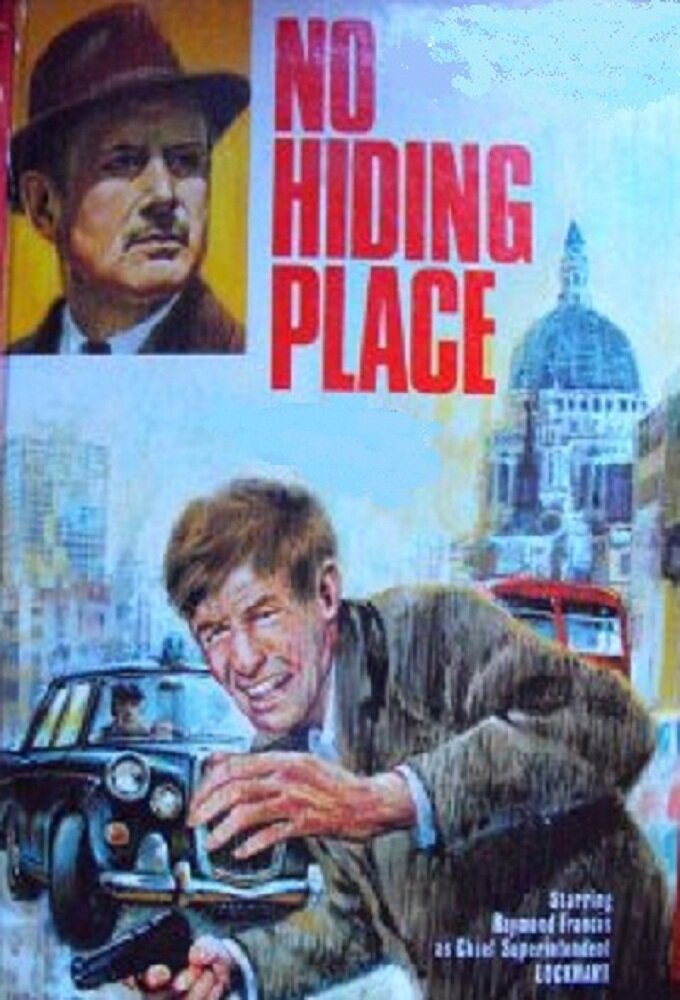
No Hiding Place1959
Launched the same year, focuses on Scotland Yard detectives solving real crimes. Grittier than Knight Errant but from the same moment in British television, with the same commitment to character and procedure over melodrama.
But It's a police procedural, so it's more methodical than exciting. Less charm, less wit. If you wanted the casework without the personality, this delivers.
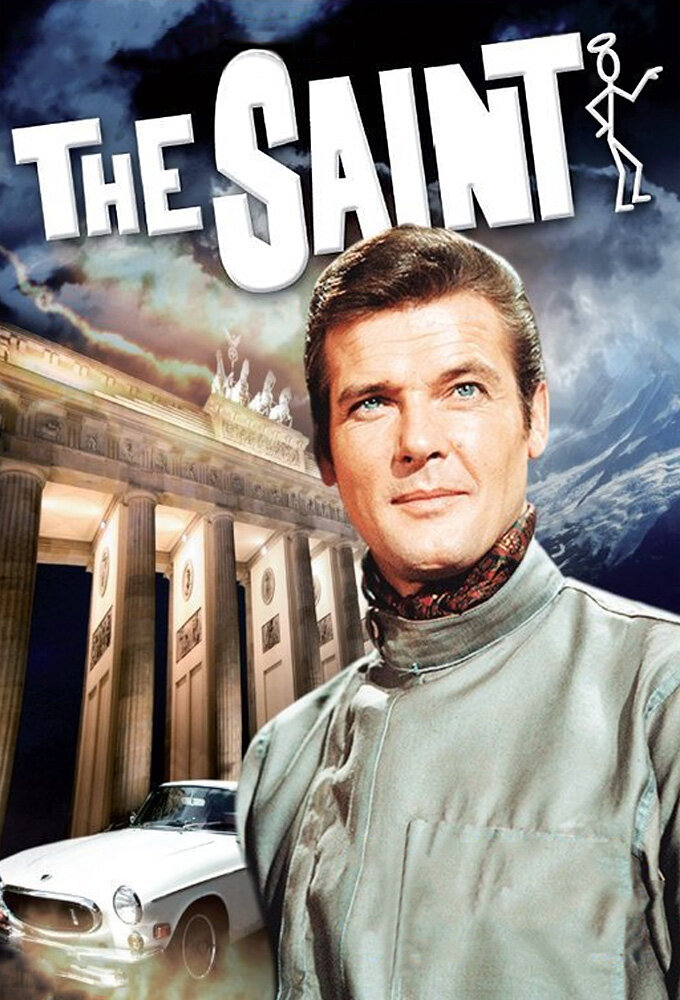
The Saint1962
Roger Moore's Simon Templar is a freelance troubleshooter like Adam Knight—helping people, solving problems, mixing danger with style and humour. Slicker production values and a suaver protagonist, but the same satisfying formula.
But Moore's charm sometimes swallows the plot. It can feel lightweight, especially compared to Knight Errant's sharper edge. Relies heavily on the lead's charisma.
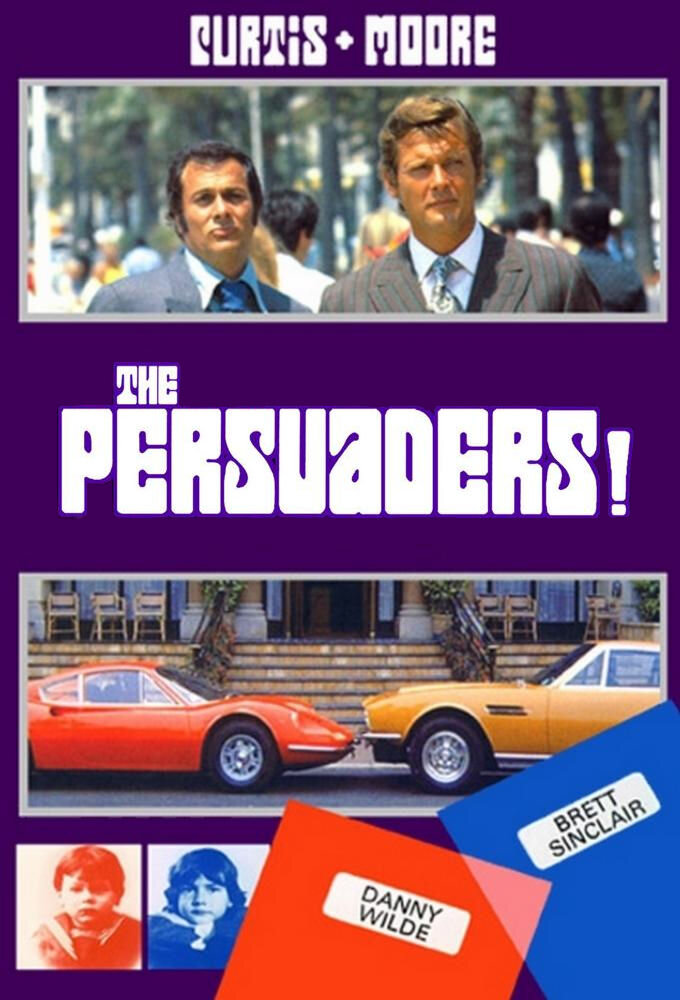
The Persuaders1971
Two rich amateurs solve crimes for fun and glory, banter constantly, and navigate moral grey areas. It's what happens when the Knight Errant formula gets a bigger budget and two leads at the top of their game. Pure pleasure.
But Deeply silly and knows it. If you want grounded realism, this isn't it. Some find it dated; others find that part of the appeal.
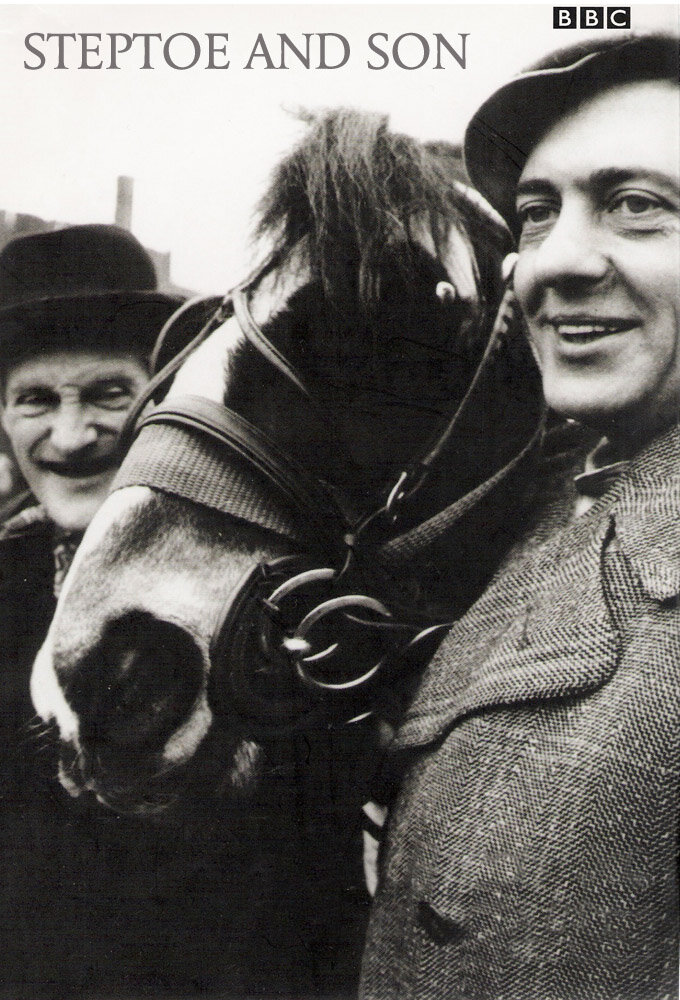
Steptoe and Son1962
Not a detective show, but the same era and network, with two characters stuck together solving problems through conversation and wit. Proves British TV of the period could make comedy or drama from character and dialogue alone.
But It's a sitcom about rag-and-bone men, so wildly different in tone. Bleaker too. If you came for the cases, this offers character instead.
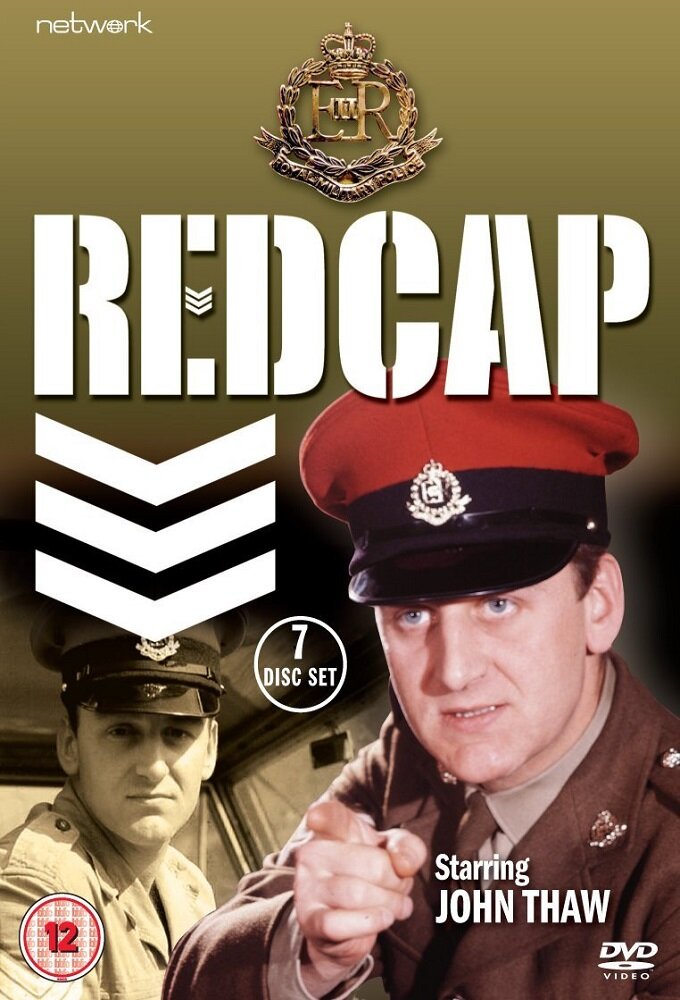
Redcap1964
Military police investigating crimes. Shares Knight Errant's interest in procedure and character, with that same mix of danger and humour. Less stylish but honest work, and the ensemble dynamic is strong.
But More conventional than Knight Errant. Lacks the spark of having outsiders taking on the world. Can feel routine.
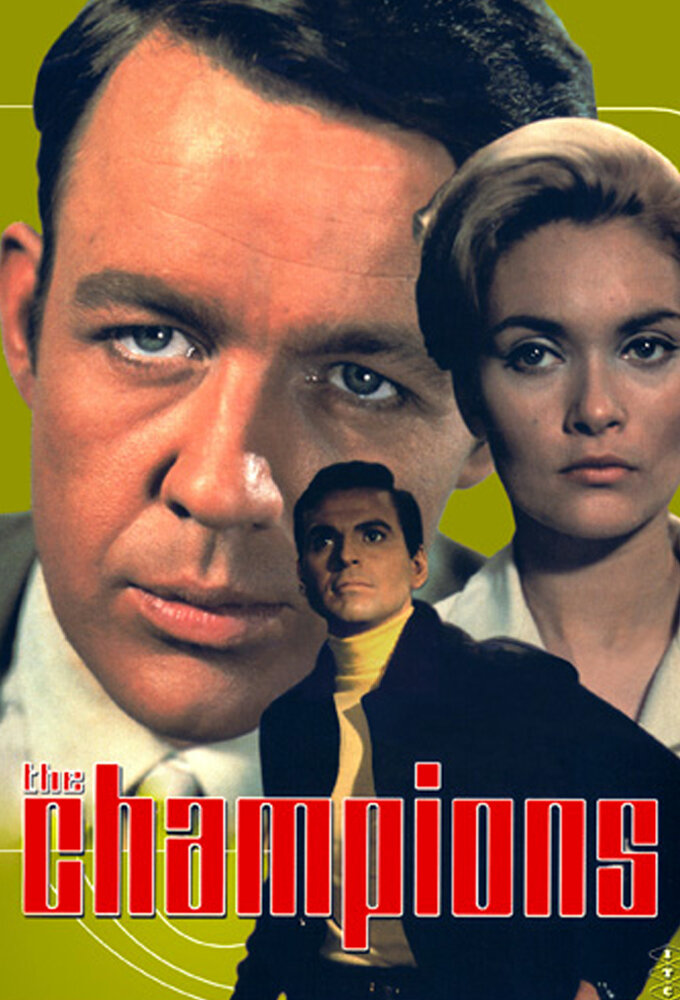
The Champions1968
Three secret agents with enhanced abilities solve problems on behalf of a shadowy organization. Team dynamic, globe-trotting cases, and that balance of danger and style. A spiritual heir to shows like Knight Errant, but with more resources.
But The 'enhanced abilities' element feels dated and silly now. Plotting can be clunky. Less witty than you might hope for something that elegant-looking.
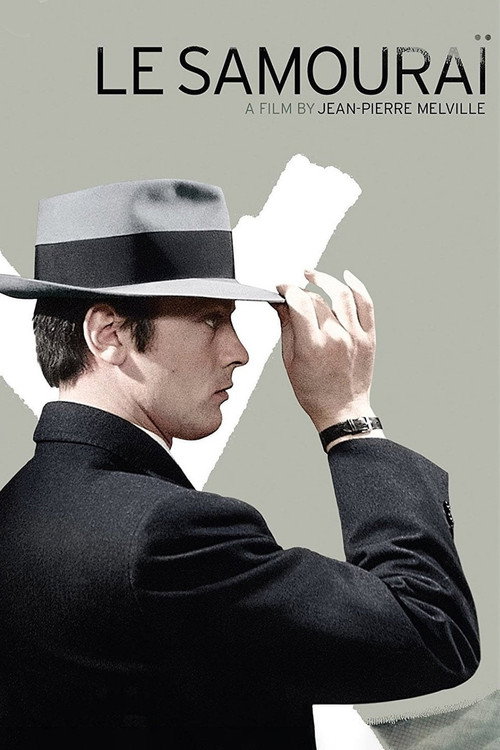
Le Samouraï1967
Both are studies in how a sharp, capable person navigates a world full of complications. One is about staying human while solving problems; the other is about what you lose when you don't.
A hitman's meticulous professionalism and personal code in Paris. Alain Delon moves through the film with the same cool competence Adam Knight brings to his cases, but Melville's vision is ice-cold. Shows what happens when the problem-solver is amoral.
But It's a French New Wave thriller, austere and long, with minimal dialogue. The opposite of Knight Errant's banter. Some find it glacial. Violent in implication rather than spectacle.
The Killing1956
Both turn on the idea that intelligence and personality can solve almost anything—but Kubrick knows that's a beautiful lie. Knight Errant believes it, at least for an hour.
Kubrick's heist masterpiece: a group of misfits pull off a racetrack robbery through perfect planning and coordination. The team work, the banter, the sense that these are clever people making it up as they go. But it ends differently than Knight Errant would allow.
But Black and white, 85 minutes, non-linear timeline that can confuse on first viewing. Fatalistic and noir. No lightness anywhere. If you want the charm, look elsewhere.