Television series
Redcap
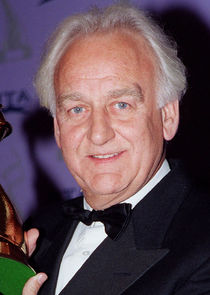
Redcap is a 1960s British military police procedural starring the young John Thaw as Sergeant Mann. Each hour-long episode tackles a self-contained crime or mystery on an army base, with the rigour of a proper detective story. It's unfussy, thoughtfully constructed television that values plot over spectacle—ideal if you want smart crime drama without melodrama, and fascinating for seeing Thaw before he became Morse.
If you liked this
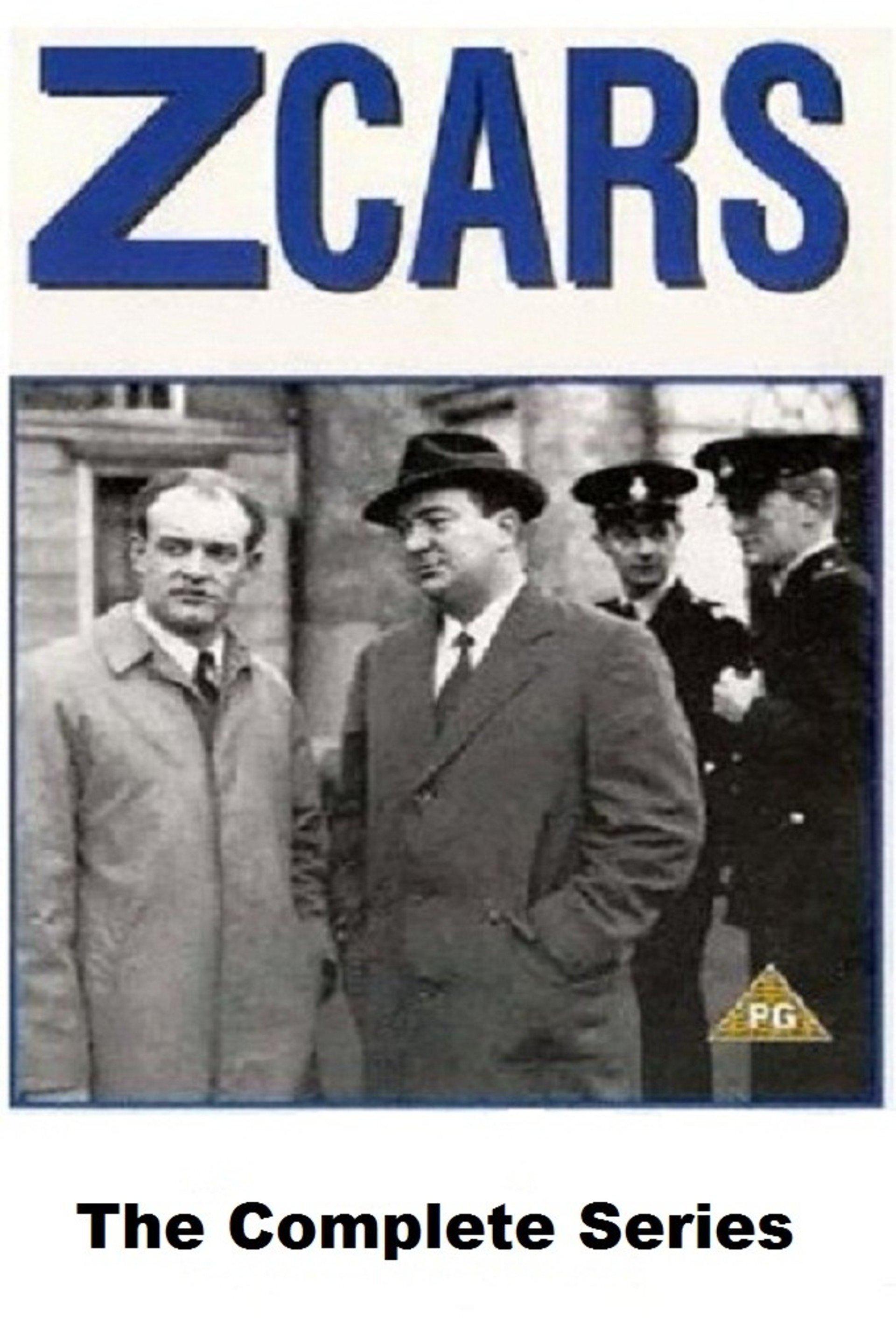
Z Cars1962
The foundational British police procedural: gritty, realistic, episode-driven. It strips away romance from the job and shows the actual tedium and moral complexity of police work. This is the DNA Redcap shares.
But It moves slowly by modern standards, and the social issues are presented without the easy resolution we've learned to expect from drama.
Melting Me Softly2019
A spinoff from Z-Cars that deepens the procedural format into something more introspective. It trusts the viewer to follow complex investigation without flashy editing, and the writing is genuinely smart about human behaviour.
But The pacing is deliberate. If you need quick cuts and snappy dialogue, this will feel like watching paint dry.

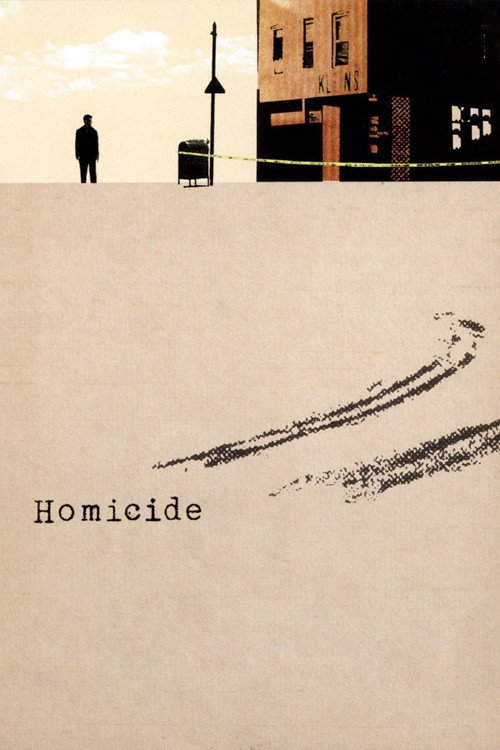
Homicide1991
A Baltimore-set American procedural that does exactly what Redcap does: one crime per episode, properly investigated, with attention to procedure and human detail. Superb storytelling economy.
But The production values are spare and the dialogue is functional rather than witty. It prioritises plot over personality.
Not sure tonight? Get a pick in a minute, starting from Redcap
The wildcard
Something you would not have found on your own.
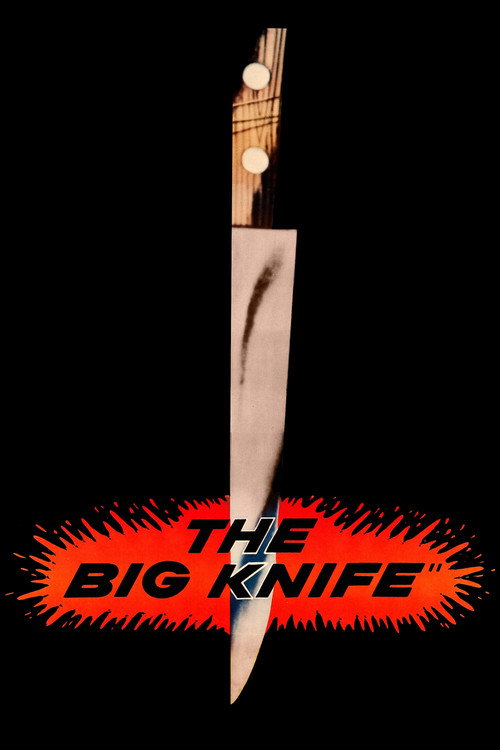
The Big Knife1955
Both explore how institutions (Hollywood, the military police) grind individuals through their machinery. Both ask what loyalty means when the system betrays you.
A hard-bitten American drama about institutional loyalty, chain of command, and a man trapped by the system he serves. Jack Palance as a star destroyed by the machinery that created him. It's about the human cost of being embedded in an institution that doesn't protect its own.
But It's cynical and bleak in ways 1960s British television isn't. The American film noir tone is radically different from Redcap's sober proceduralism.
More like this (7)
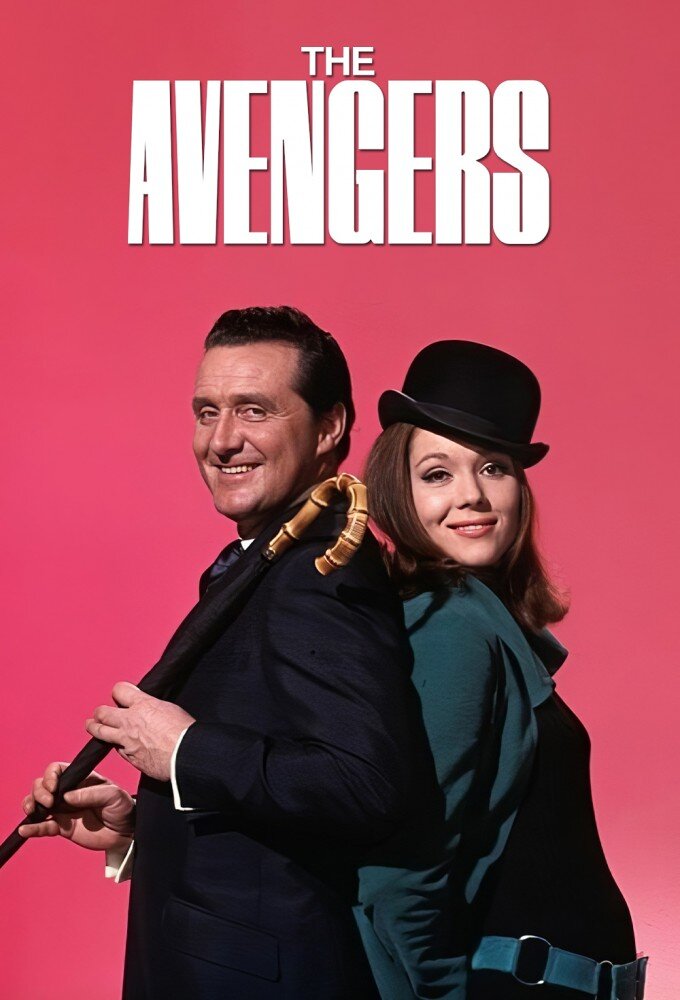
The Avengers1961
1960s British television at its most inventive, with similarly episodic structure but more style and humour. Shows what else ITV was doing in that era—the same confident craft applied to spy fantasy instead of military crime.
But Wildly different in tone. If you're watching for authentic police procedure, the stylisation and camp will feel jarring.
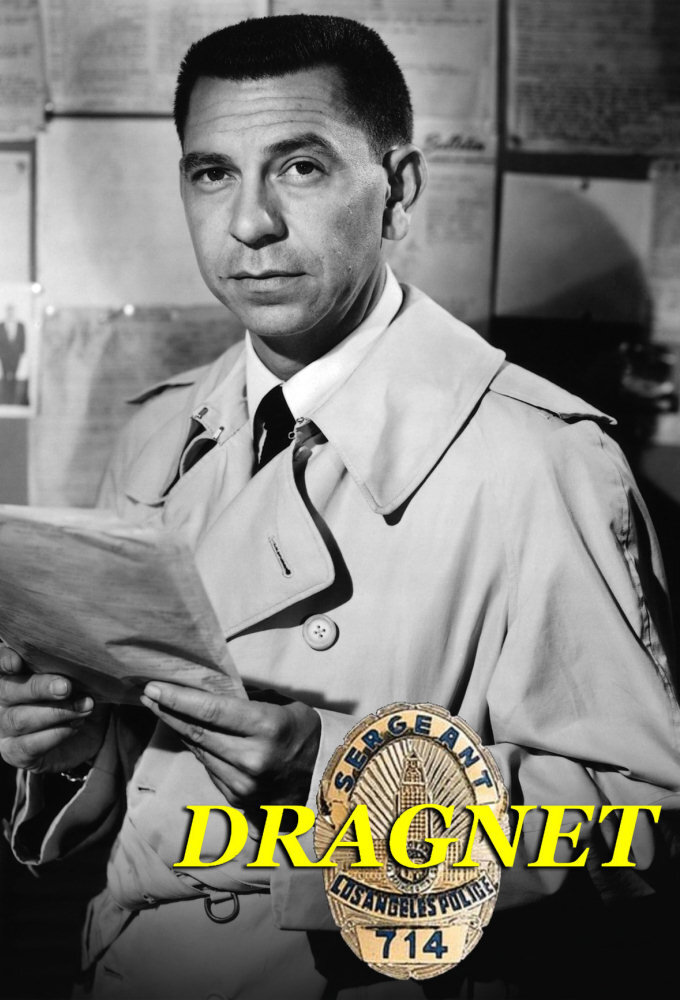
Dragnet1951
The grandfather of all police procedurals. Jack Webb's obsession with accurate procedure and minimal sentimentality set the template that Redcap follows. Essential context for understanding the DNA of the form.
But It's American 1950s television: the acting is stiff and the social attitudes are deeply dated. It requires patience with historical distance.
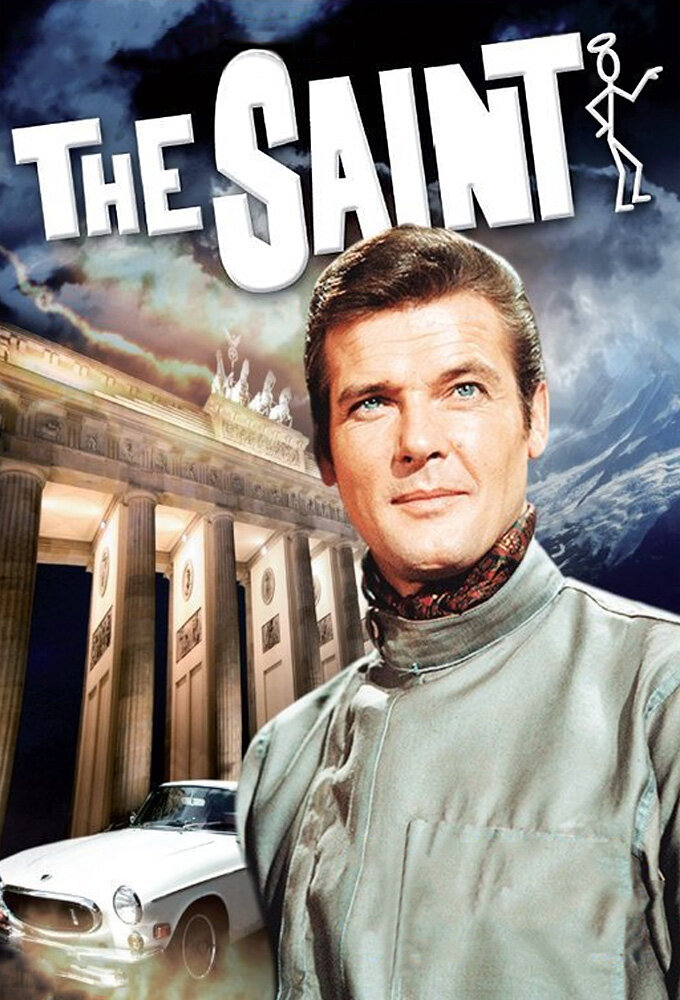
The Saint1962
Roger Moore as an impossibly suave action hero in hour-long episodes. Similar era, similar episodic structure, similar production standards—but with adventure and romance instead of procedure. A good palate-cleanser.
But It's the opposite kind of 60s TV: frothy, handsome, driven by charm rather than investigation. If you want Redcap's seriousness, this will frustrate you.
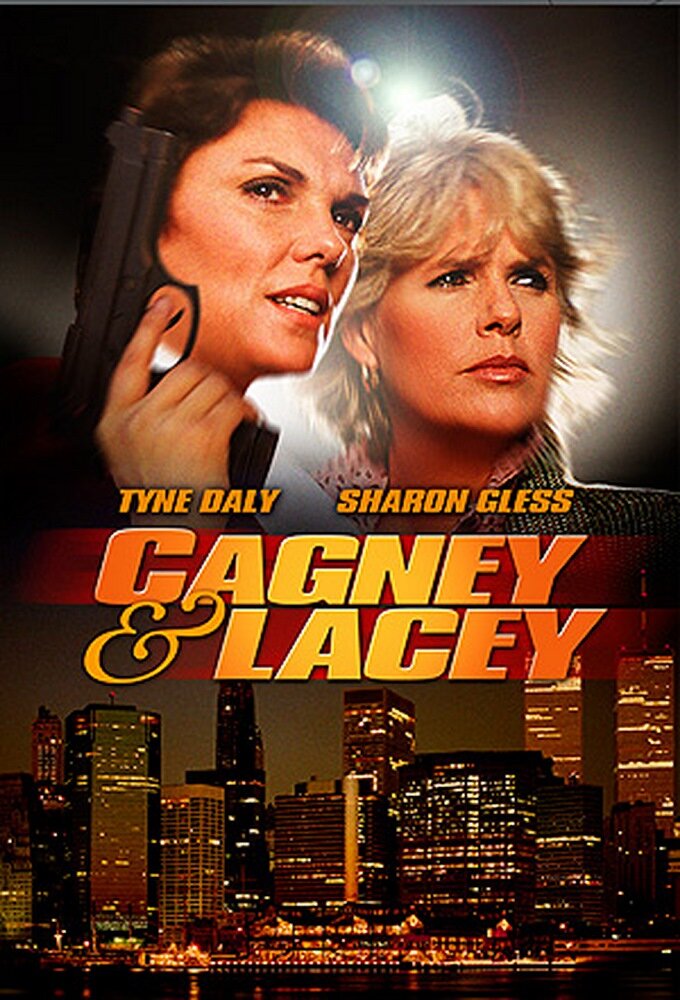
Cagney & Lacey1982
Proves that the procedural format endures. Smart, character-driven police work with real stakes. Feels like a spiritual descendant of shows like Redcap, but with the technical polish and emotional depth the 1980s brought.
But It's American and glossy by comparison. You lose the period charm and the particular flavour of British institutional storytelling.
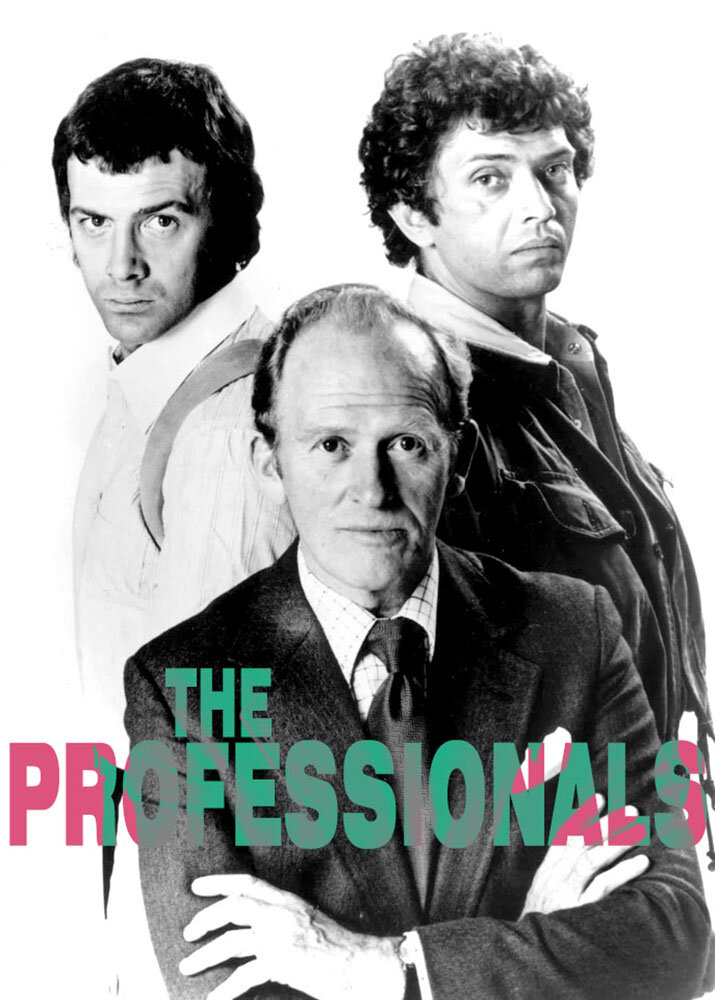
The Professionals1977
British action procedural with similar episodic structure, military discipline, and emphasis on teamwork and protocol. Later, slicker, but spiritually aligned. Shows how the form evolved into the 70s.
But Much more action-heavy and less focused on detective work. The tone is altogether harder-edged and less concerned with procedure for its own sake.
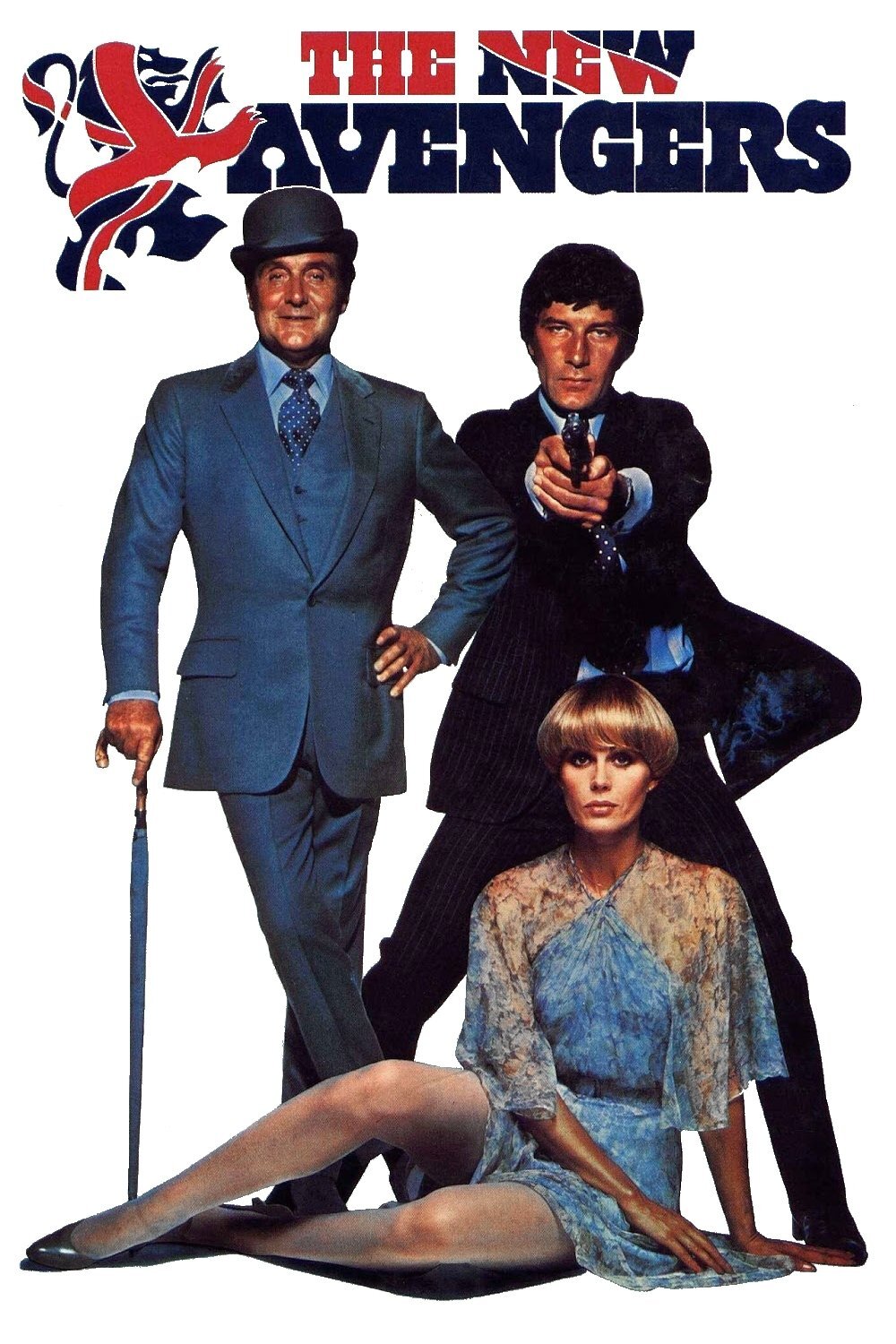
The New Avengers1976
A late-70s return to the episodic spy format. Slicker than the original, more confident in its action sequences. It shares Redcap's hour-long commitment to plot and the British institutional confidence.
But It's more interested in spectacle and style than investigation. The DNA is very different—this is fantasy, not procedure.
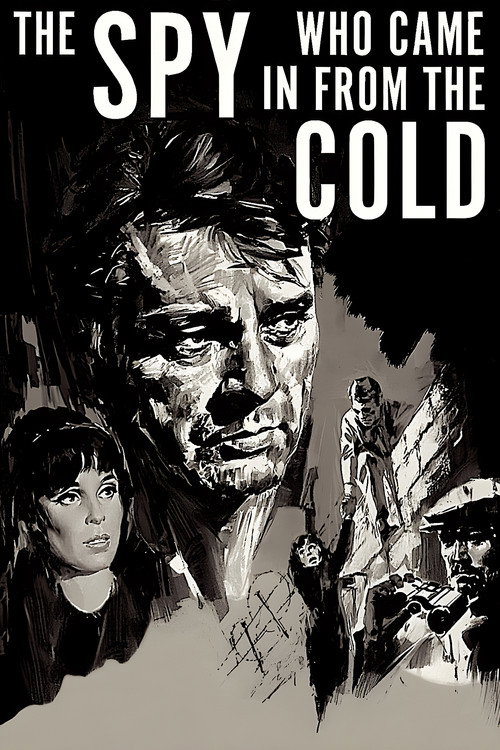
The Spy Who Came In from the Cold1965
Both treat institutional work—whether military police or intelligence—as fundamentally unglamorous and spiritually corrosive, with procedure and protocol as both refuge and prison.
John le Carré's adaptation: unglamorous espionage that prioritises procedural detail and moral ambiguity over action. Bureaucratic, cold, focused on the human cost of institutional work. Made in the same year Redcap was on air, it's the cinematic version of the same mood.
But It's slow, cryptic, and offers no easy answers. If you watch crime drama for resolution and justice, this will feel deliberately withholding.