
Television series
The Hitchhiker's Guide to the Galaxy
Other titles called The Hitchhiker's Guide to the Galaxy: the 2005 film.
A BBC adaptation of Douglas Adams's absurdist sci-fi comedy about an ordinary man swept into the cosmos after Earth's demolition. Constructed from cardboard sets and boundless invention, it's low-budget but high-spirited—a show that proves you don't need money, just wit and commitment. For anyone who's ever wanted the universe explained while laughing.
Should you watch it?
Watch it if you enjoy deadpan, digressive British comedy where the jokes come from wordplay and a narrator's dry asides, and you can happily forgive a show that looks cheap as long as the writing keeps firing.
Skip it if the sets, costumes and effects are plainly homemade 1980s television, and if that breaks your immersion, or you want a story that builds momentum, the episodes will feel slack.
What it asks of you: Six episodes of about half an hour each: a brief commitment, but talky and quick, rewarding every line rather than background viewing.
Not sure? Find tonight's pick in a minute.
If you liked this
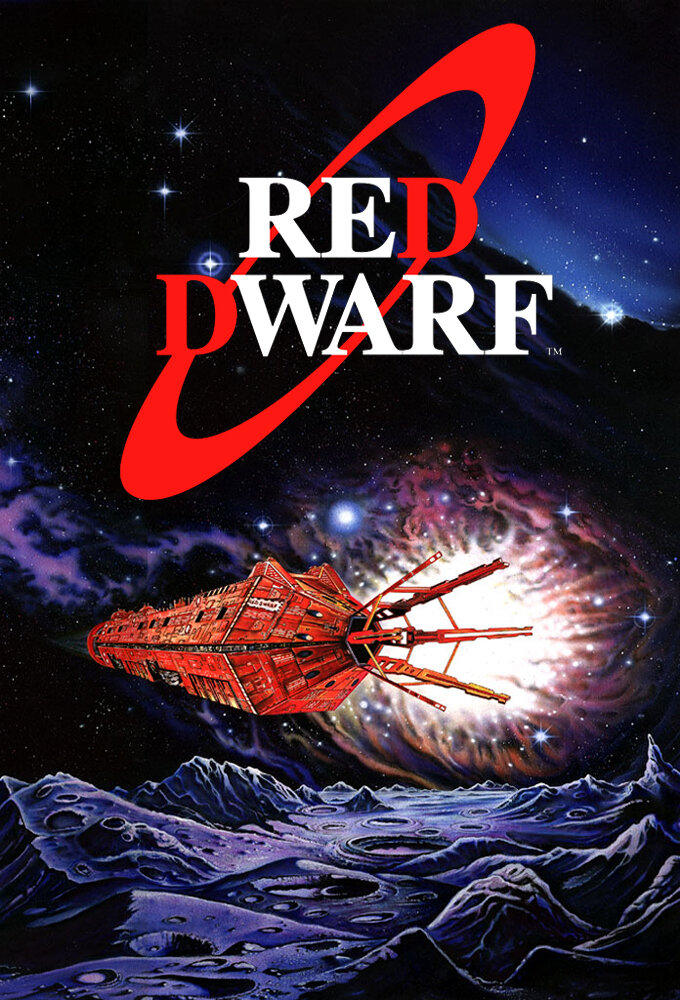
Red Dwarf1988
British sci-fi comedy about the last human alive on a mining ship, orbiting Earth three million years in the future. It shares Adams's fondness for cosmic loneliness, ridiculous problems, and characters learning to live with impossible circumstances.
But The first series looks deliberately cheap—even cheaper than Hitchhiker's—and some humour relies on puns that land unevenly. The tone can veer slapstick when you want it wry.
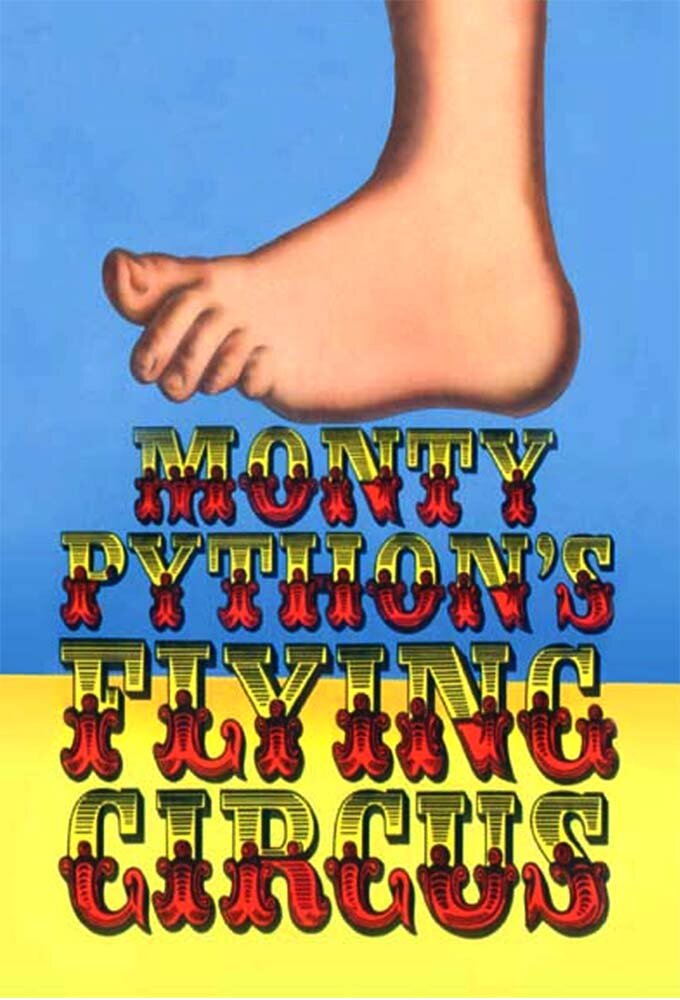
Monty Python's Flying Circus1969
The DNA of British absurdist comedy, with the same disregard for plot logic and narrative sense. If you loved Hitchhiker's deadpan narrator and willingness to break every rule, this is where that permission came from.
But It's sketch comedy, not a continuous story, so it operates in bursts. Some sketches drag. The humour is sometimes purely anarchic with no punchline at all—which is the point, but not everyone's point.
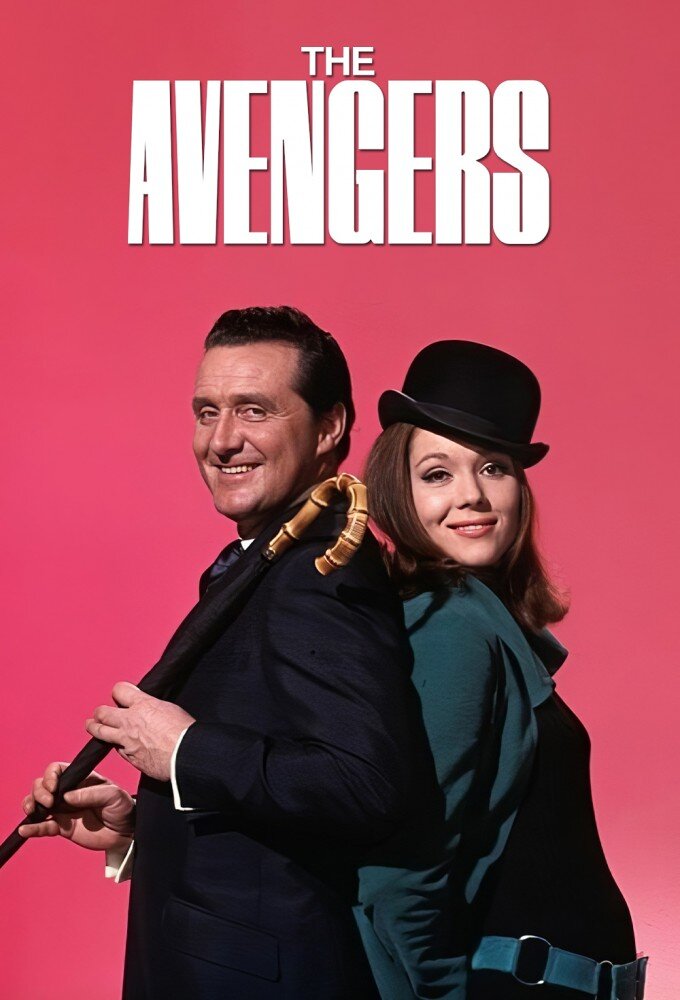
The Avengers1961
A sixties British spy show that abandons realism entirely in favour of surreal plotting and camp invention. The same spirit of 'why not?' that builds Hitchhiker's—if we can afford a giant robot, we'll film it.
But It's earnest about its absurdity in a way Hitchhiker's isn't—less comedic, more arch. The episodes are also genuinely uneven; some are brilliant, others just strange.
Not sure tonight? Get a pick in a minute, starting from The Hitchhiker's Guide to the Galaxy
The wildcard
Something you would not have found on your own.
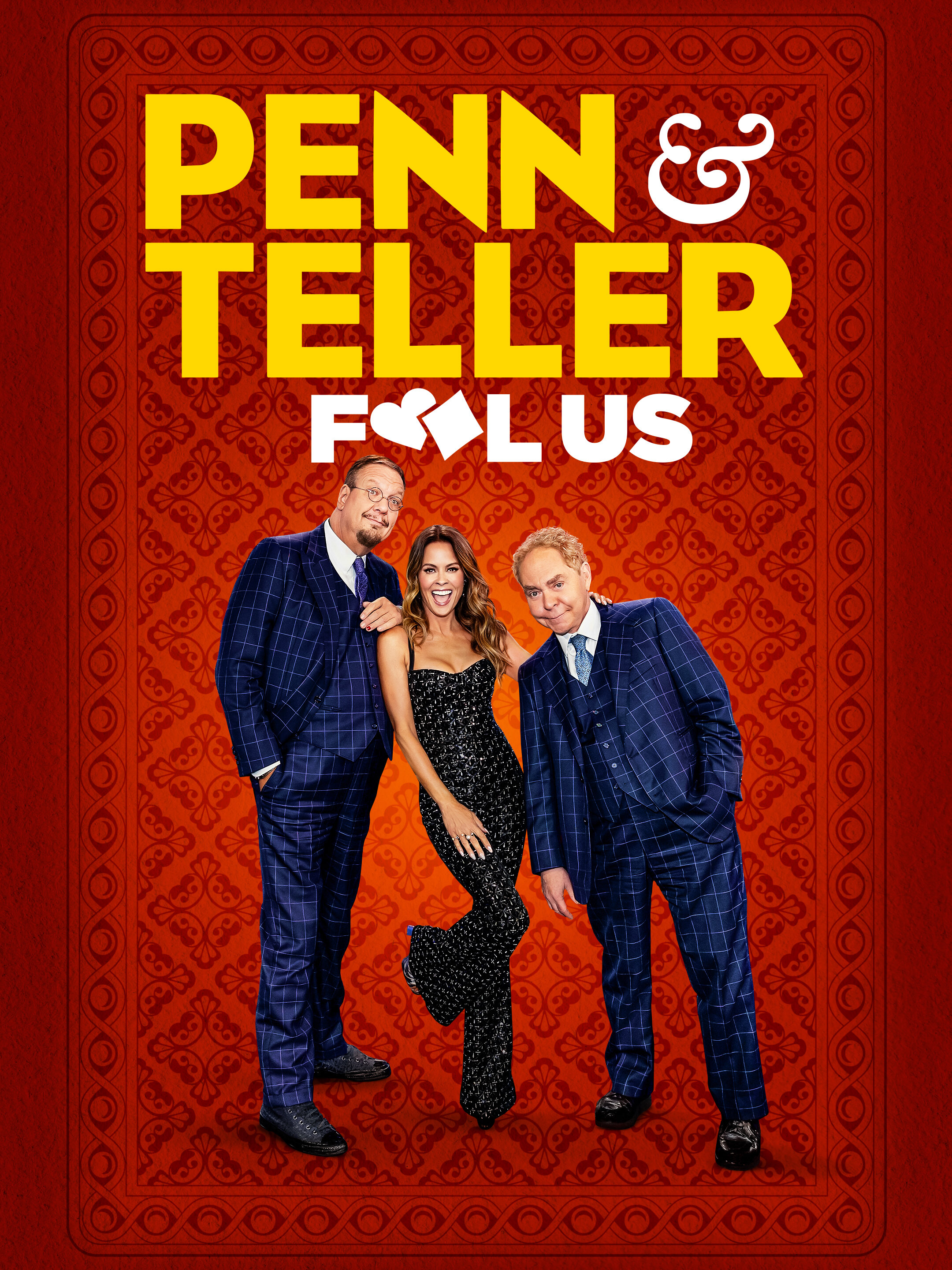
Penn & Teller: Fool Us2011
Both are about being delighted by an explanation you didn't see coming, delivered by someone clearly enjoying their own cleverness. Both trust the audience to laugh at ideas rather than situations.
A magician-judging show that shares Hitchhiker's core pleasure: watching clever people solve problems you didn't know existed, with wit and misdirection as the real magic. It's about the joy of being outsmarted entertainingly.
But It's not narrative or cinematic—it's a series of short acts with talking around them. If you're watching for plot or character arcs, you'll find neither.
More like this (6)
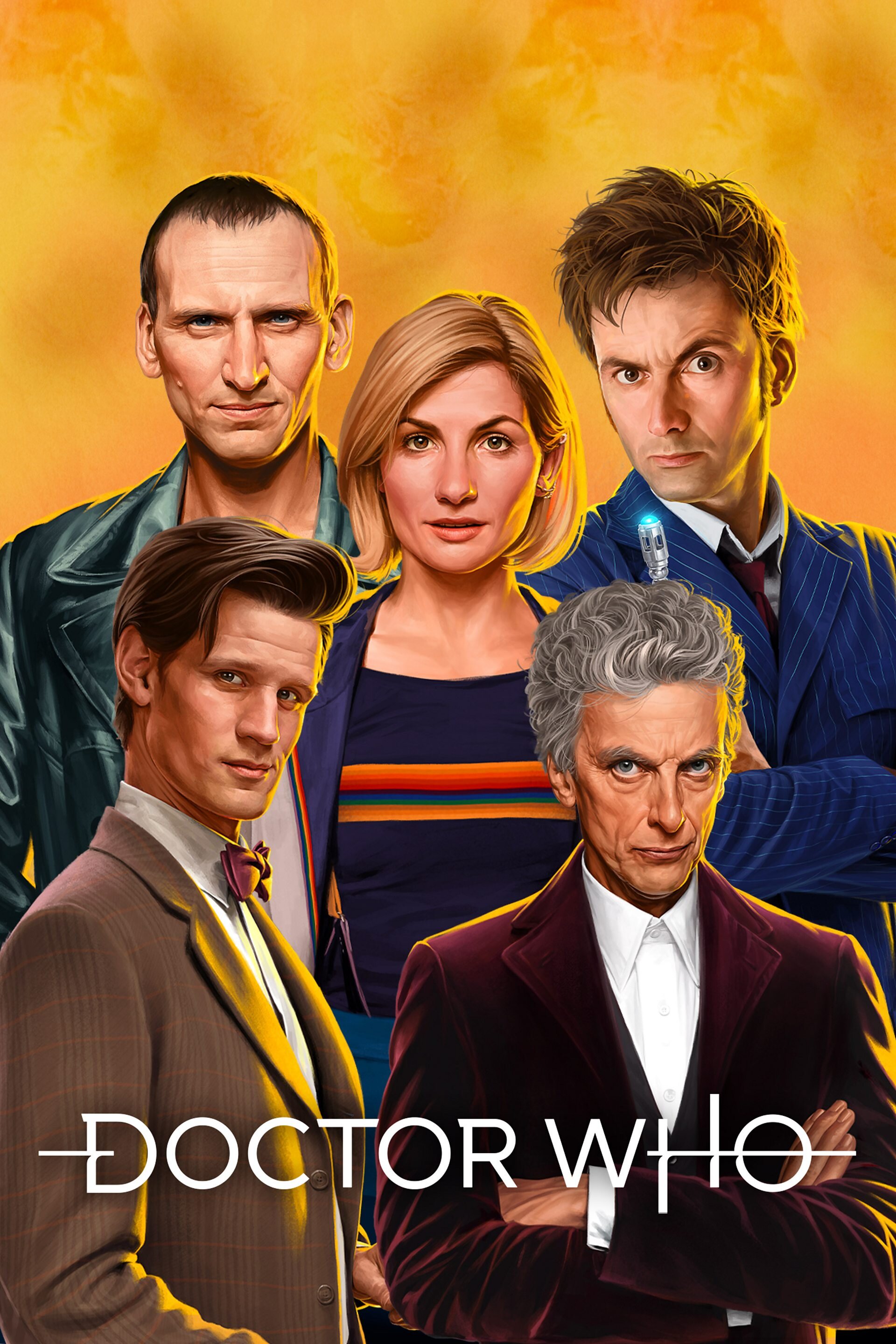
Doctor Who2005
The grandfather of British sci-fi comedy-adventure. Same BBC studio-bound invention, same willingness to treat cosmic chaos as normal. The Fourth Doctor era especially shares Hitchhiker's tone: smart, silly, humane.
But Early episodes can feel slow, and the show's massive scope means tonal whiplash—one minute cosmic horror, next minute a man in a rubber suit. Commitment required.
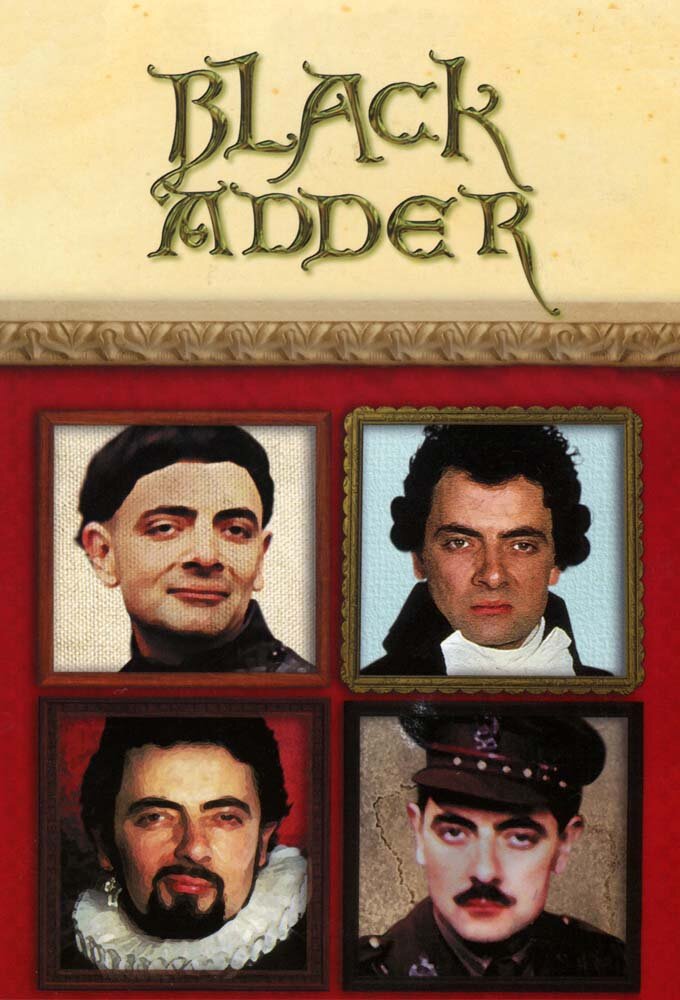
Blackadder1983
British comedy with a ruthlessly clever script and cast who are clearly having fun within tight constraints. Like Hitchhiker's, it proves that wit and ensemble chemistry can substitute for budget.
But It's historical comedy, not sci-fi, so if you wanted more spaceships and cosmic scope, this grounds itself deliberately. Also darker—cruelty is the engine, not just absurdity.
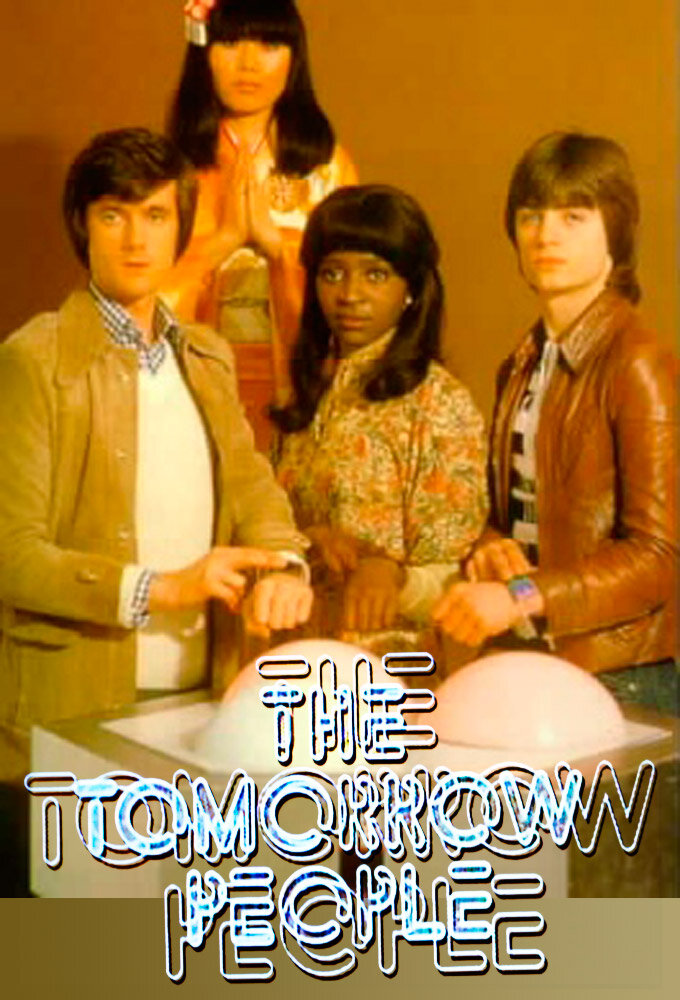
The Tomorrow People1973
British children's sci-fi with the same low-budget resourcefulness and young-person-in-over-their-head energy. It takes its fantastic premise seriously while staying playful about execution.
But It is genuinely children's television, which means slower pacing and less sophisticated humour. The effects are primitive even by '70s standards, and some episodes are genuinely dull.
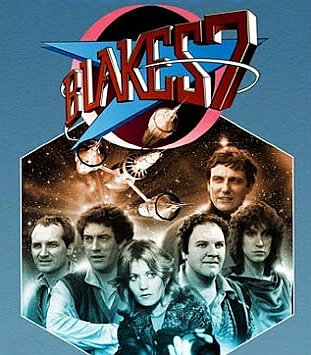
Blake's 71978
A BBC space opera about fugitives on the run. Despite its serious premise, it shares Hitchhiker's improvised quality and its fondness for characters trapped in absurd situations beyond their control.
But It's darkly pessimistic—people die, often pointlessly—which undercuts the comedy. Tonal shifts can feel jarring, and the serialized plot demands investment across a long season.
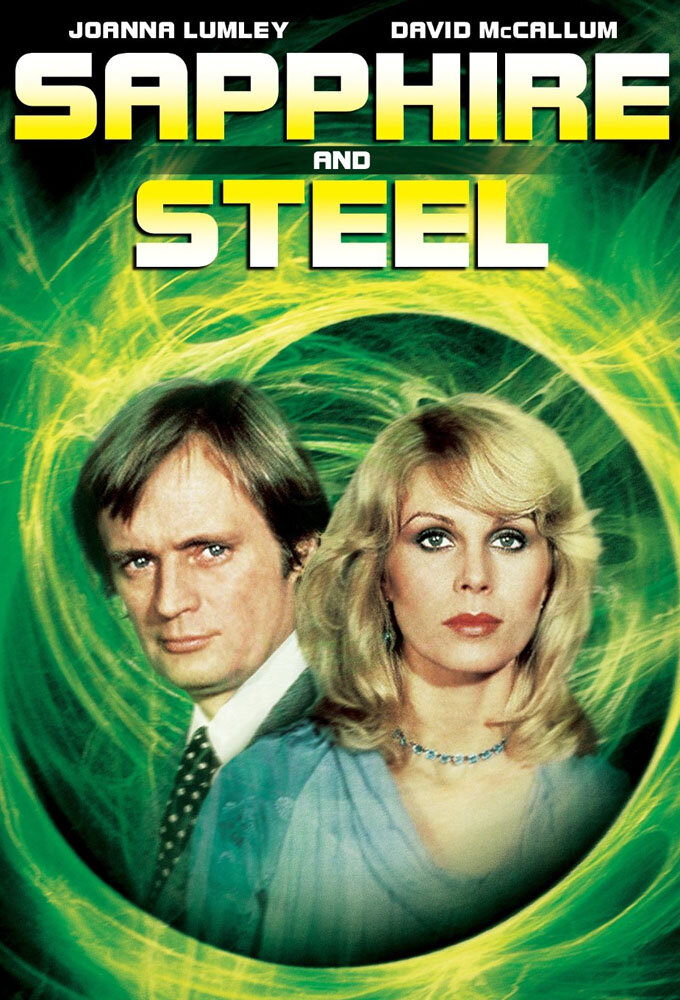
Sapphire and Steel1979
A strange, eerie British science-fiction series about mysterious investigators dealing with temporal anomalies. It shares Hitchhiker's inventive low-budget aesthetic and its willingness to be genuinely weird on screen.
But It's not funny—quite the opposite, it's unsettling and slow. If you wanted Hitchhiker's comedy, this will feel like watching the universe's gloomiest drama unfold in a studio.
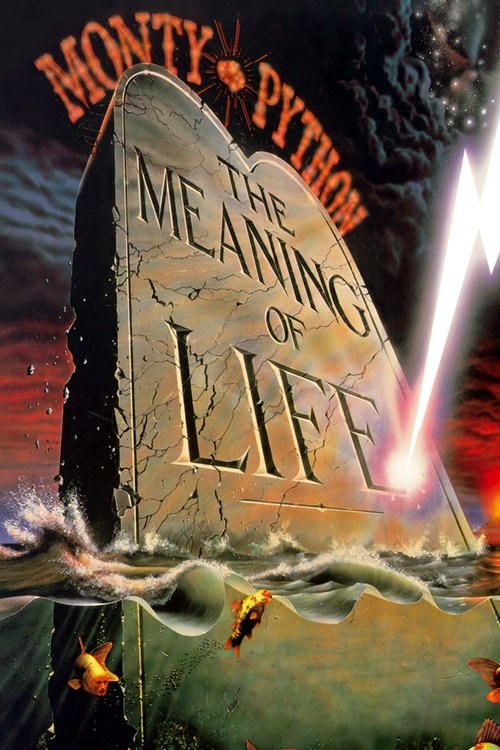
Monty Python's The Meaning of Life1983
Both are shaped by the same insight: that death, meaning, and cosmic insignificance are inherently ridiculous, and you might as well laugh while you think about them. Both were made by people who'd thought hard about impossible questions.
Monty Python's final film, structured as sketches riffing on existence itself. Like Hitchhiker's, it's a British comedy that treats the biggest questions as occasions for silly invention and genuine philosophy.
But It's episodic and deliberately disjointed, so it resists the idea of watching it for narrative satisfaction. Some material is scatological or graphic in ways that alienate people. It sprawls.
People
Cast





Writing
- Douglas AdamsCreator
Production
- John LloydAssociate Producer
- Alan J.W. BellProducer
Recommended by
Red Dwarf, Man About the House, Whose Line Is It Anyway?, Do Not Adjust Your Set, Terry Pratchett's Hogfather, Armchair Theatre, My Hero, Metal Mickey, Alas Smith and Jones, Filthy Rich & Catflap, Victoria Wood: As Seen on TV, The Two Ronnies, Brass, Love Thy Neighbour, Tiswas, Funny You Should Ask, Beyond the Fringe, A Liar's Autobiography: The Untrue Story of Monty Python's Graham Chapman, A Very Peculiar Practice, Sykes, Beany and Cecil