
Television series
Alas Smith and Jones
- Comedy
- Light-hearted
- Dip in and out
A British sketch comedy duo at their absolute peak, delivering rapid-fire absurdist humour with impeccable timing and fearless character work. Smith and Jones made the form feel effortless—switching between characters, accents, and scenarios with the ease of people who genuinely loved making each other laugh. Essential viewing for anyone who wants to understand where British comedy's DNA came from.
Should you watch it?
Watch it if you like sketch comedy built on two sharp performers bouncing off each other, with recurring bits, sudden character swerves and a mischievous appetite for the absurd.
Skip it if you want a continuous story or a steady run of gags with a single voice; this is a rotating grab bag, so some sketches will land flat and others will feel like they were scribbled on the back of a napkin.
What it asks of you: Each episode runs about half an hour and moves quickly from one bit to the next, so you need to be willing to let a weak sketch pass and trust the next one to come along soon.
Not sure? Find tonight's pick in a minute.
If you liked this
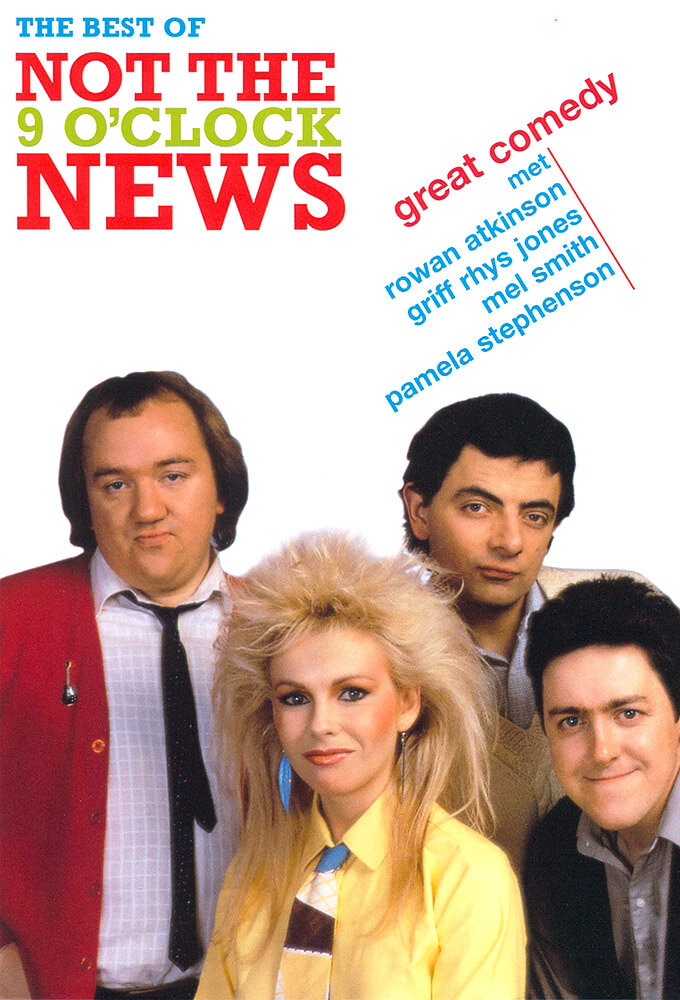
Not the Nine O'Clock News1979
The sketch show that proved the format could sustain an entire series. Sharp, topical, brilliantly performed by Rowan Atkinson, Mel Smith, and others. The closest spiritual predecessor to what Smith and Jones perfected.
But The topicality has dated it—many jokes land only if you remember 1979 headlines. Some sketches overstay their welcome by modern pacing standards.
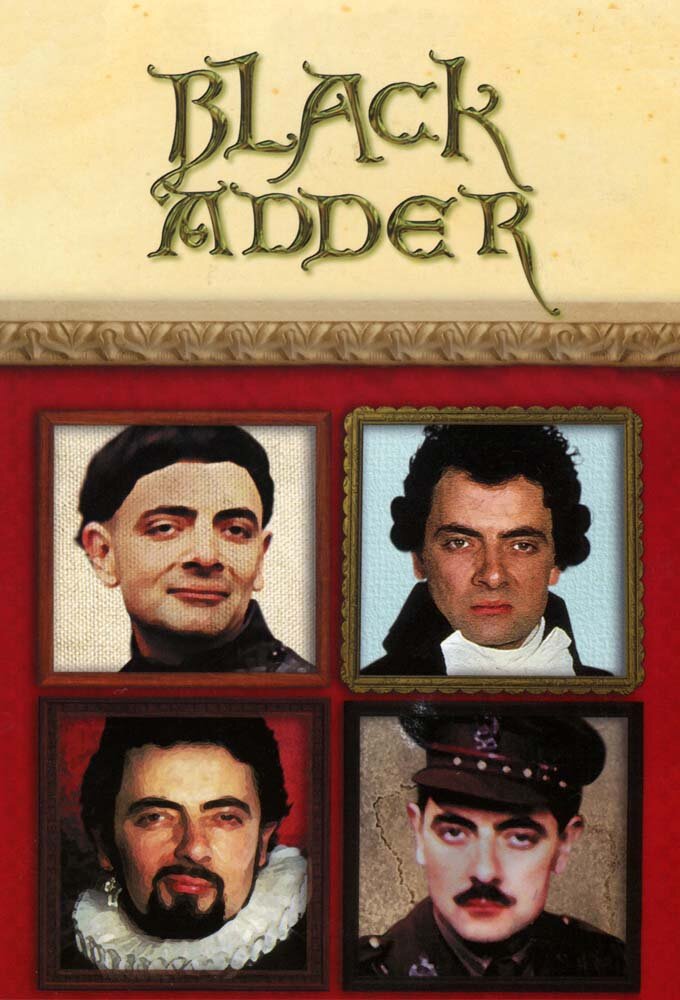
Blackadder1983
A sketch show that evolved into something with structure and recurring characters. Rowan Atkinson and Tony Robinson prove that British comedy could be both silly and genuinely clever, with jokes that work on multiple levels.
But The first series feels uneven compared to later seasons. If you're after pure absurdity, the historical framing might feel constraining.
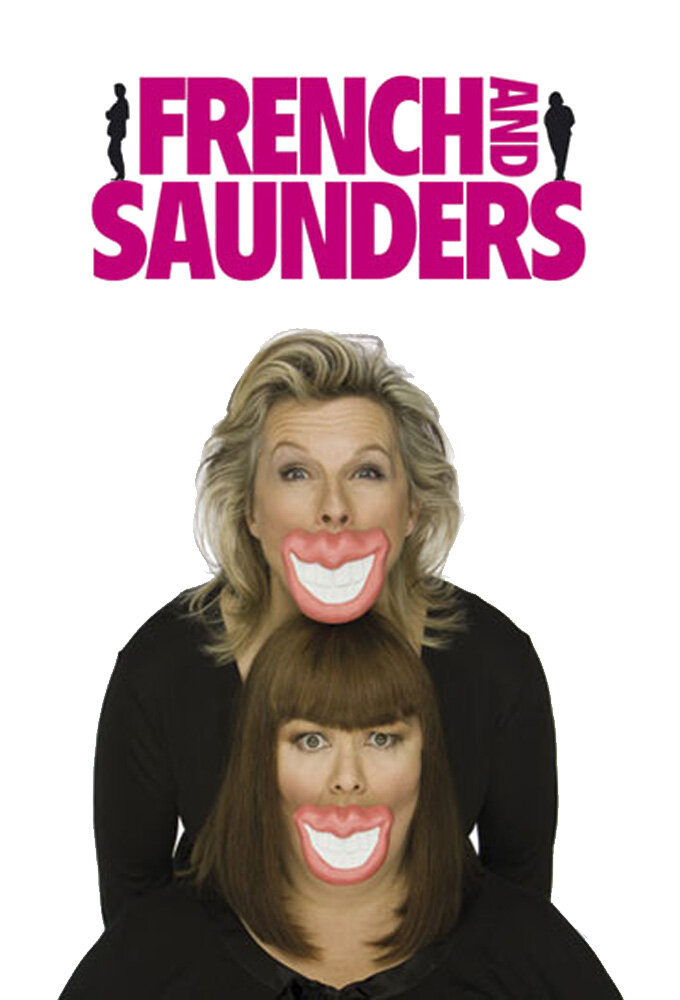
French and Saunders1987
Two women doing what Smith and Jones did—complete command of character, accents, and timing. They proved the sketch show format had legs even after the '80s, with a particular gift for celebrity parody and physical comedy.
But Some of the parodies require knowing who they're mocking. Occasionally relies on observational comedy that feels thin on repeat viewings.
Not sure tonight? Get a pick in a minute, starting from Alas Smith and Jones
The wildcard
Something you would not have found on your own.
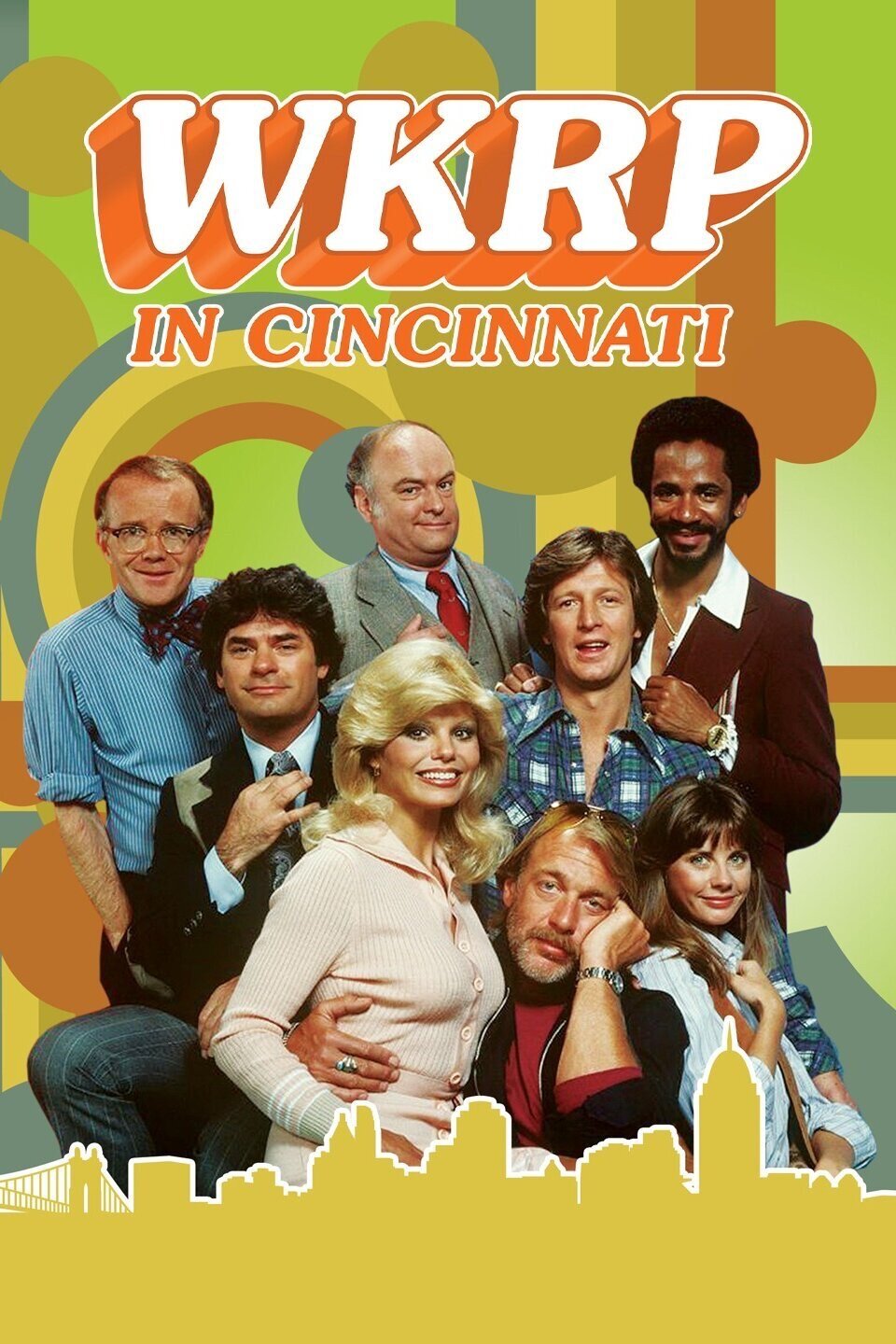
WKRP in Cincinnati1978
Both Smith and Jones and WKRP understand that comedy lives in specificity and ensemble chemistry. Smith and Jones jump between characters; WKRP lets characters sit and breathe with each other. The underlying principle is identical: hire people who genuinely like each other and get out of their way.
An American sitcom that does something almost nobody does: ensemble comedy with no recurring sketch structure, where the laughs come from character interaction and the pressure of a failing radio station. The writing is sophisticated without ever winking at the audience. It's proof that comedy can be smart and warm simultaneously.
But It's a long-form narrative show, not a rapid-fire sketch experience. The humour is often quiet and character-based, which means episodes need you paying attention rather than just watching for gags.
More like this (7)
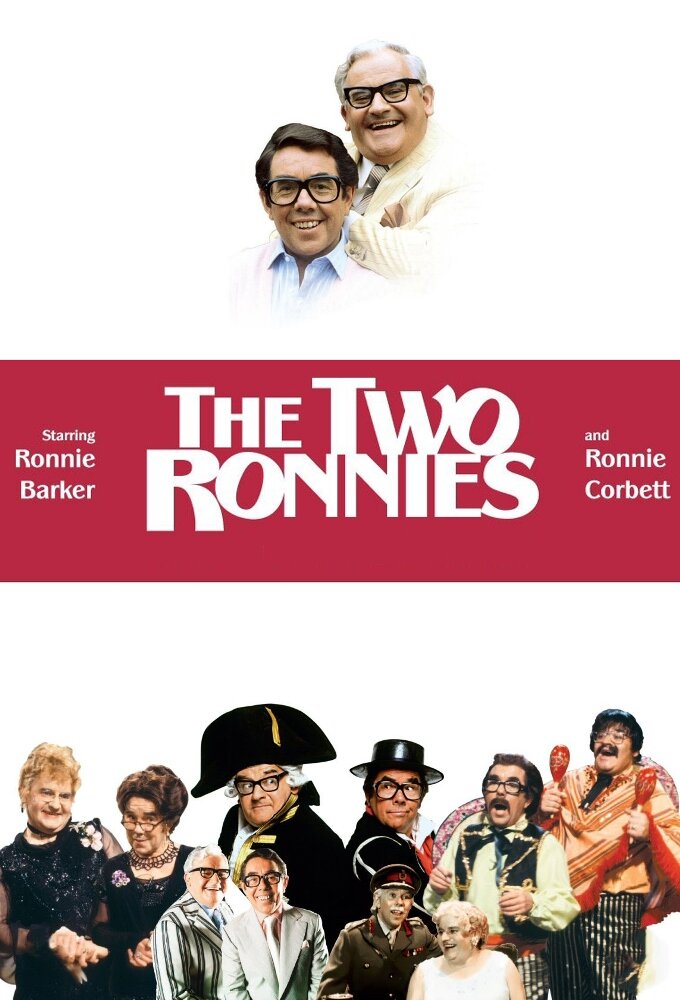
The Two Ronnies1971
The template that everything after copied. Ronnie Corbett and Ronnie Barker invented the sketch show as we know it—wordplay, character work, and the ability to mine comedy from the smallest conversational misunderstandings.
But It moves at a slower pace than modern viewers expect. Some of the humour feels very specifically of the '70s, and the sketches can meander before reaching a punchline.
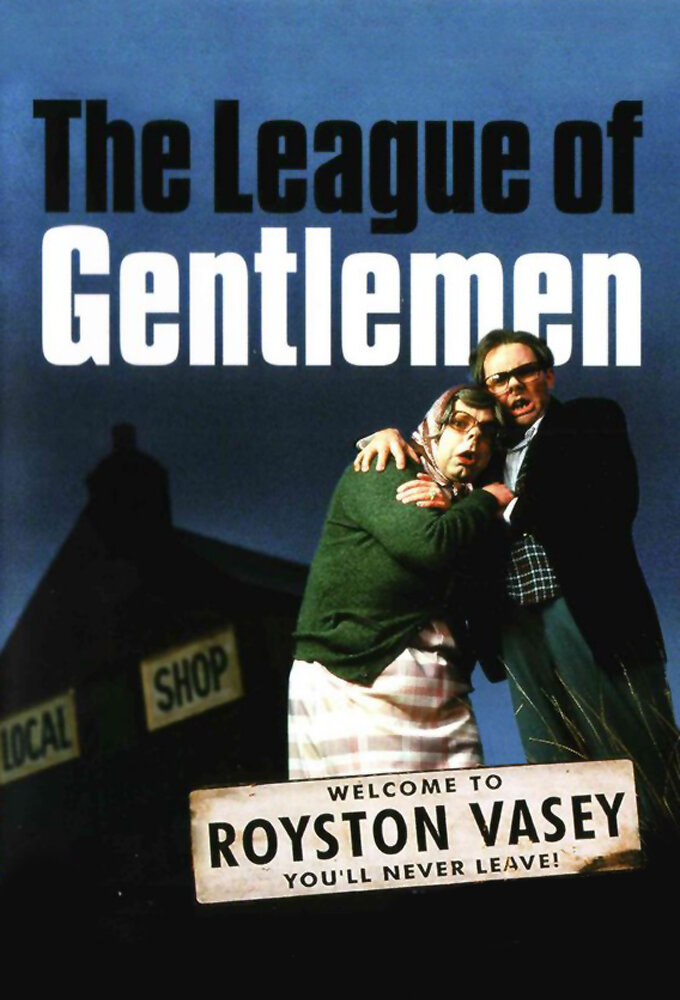
The League of Gentlemen1999
Dark, anarchic sketch comedy from three people who understood that characters and repetition could be genuinely unsettling as well as hilarious. They push further into discomfort than Smith and Jones ever did, but with the same commitment to craft.
But It's genuinely disturbing in places. If you want something cosy or light, this swings hard in the opposite direction.
Monty Python's Flying Circus1969
The godparent of British sketch comedy. Surreal, fearless, and utterly committed to absurdity. If you love the energy and irreverence of Smith and Jones, this is where that impulse originated.
But Six people often means the pacing is less focused. Some sketches are legendary; others feel like elaborate setups to nowhere. The surrealism can feel pretentious if you're in the wrong mood.
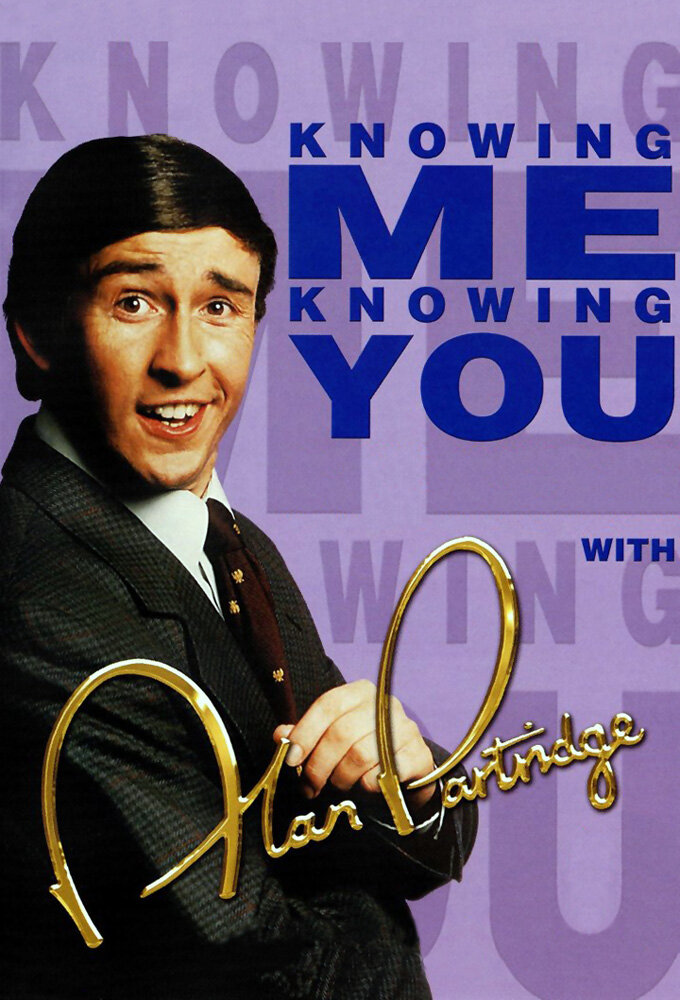
Knowing Me, Knowing You with Alan Partridge1994
Armando Iannucci and Steve Coogan prove that sketch comedy could evolve into character-based cringe humour. One host, recurring guests, and the willingness to let uncomfortable silences do the heavy lifting—a completely different energy from sketch show chaos.
But It's very static compared to sketch shows. If you want visual gags and rapid scene changes, you'll find this claustrophobic and slow-paced.
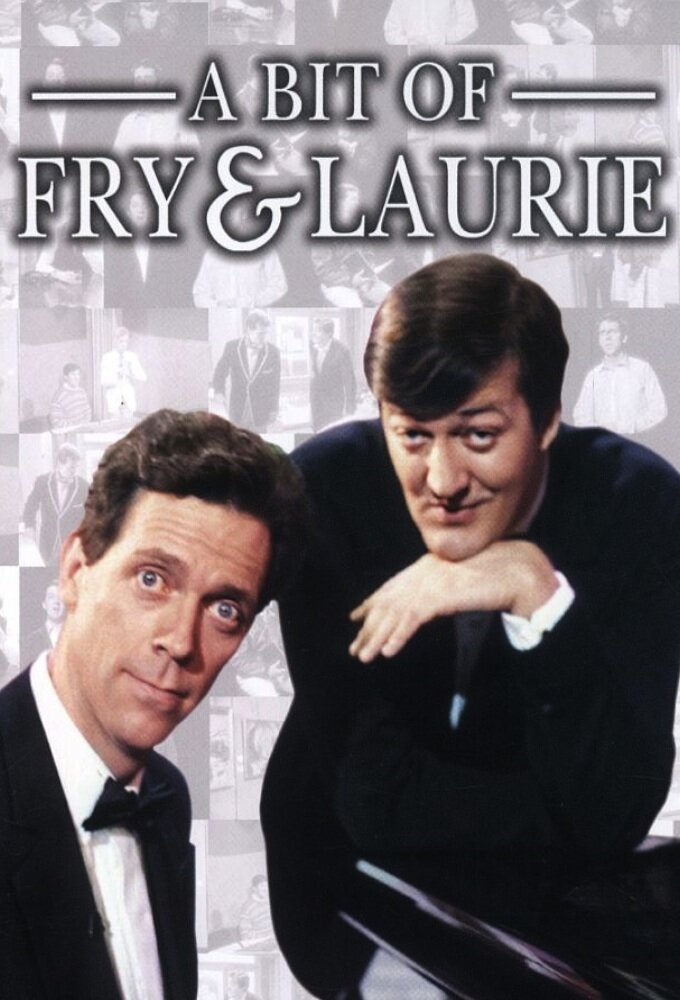
A Bit of Fry and Laurie1987
Stephen Fry and Hugh Laurie doing character work with intelligence and warmth. Like Smith and Jones, they have complete command of accents and physical comedy, but they also pepper sketches with wordplay that rewards attention.
But The sketches are often more about establishing a world than delivering punchlines. Some rely on British cultural references that don't travel well outside the UK.
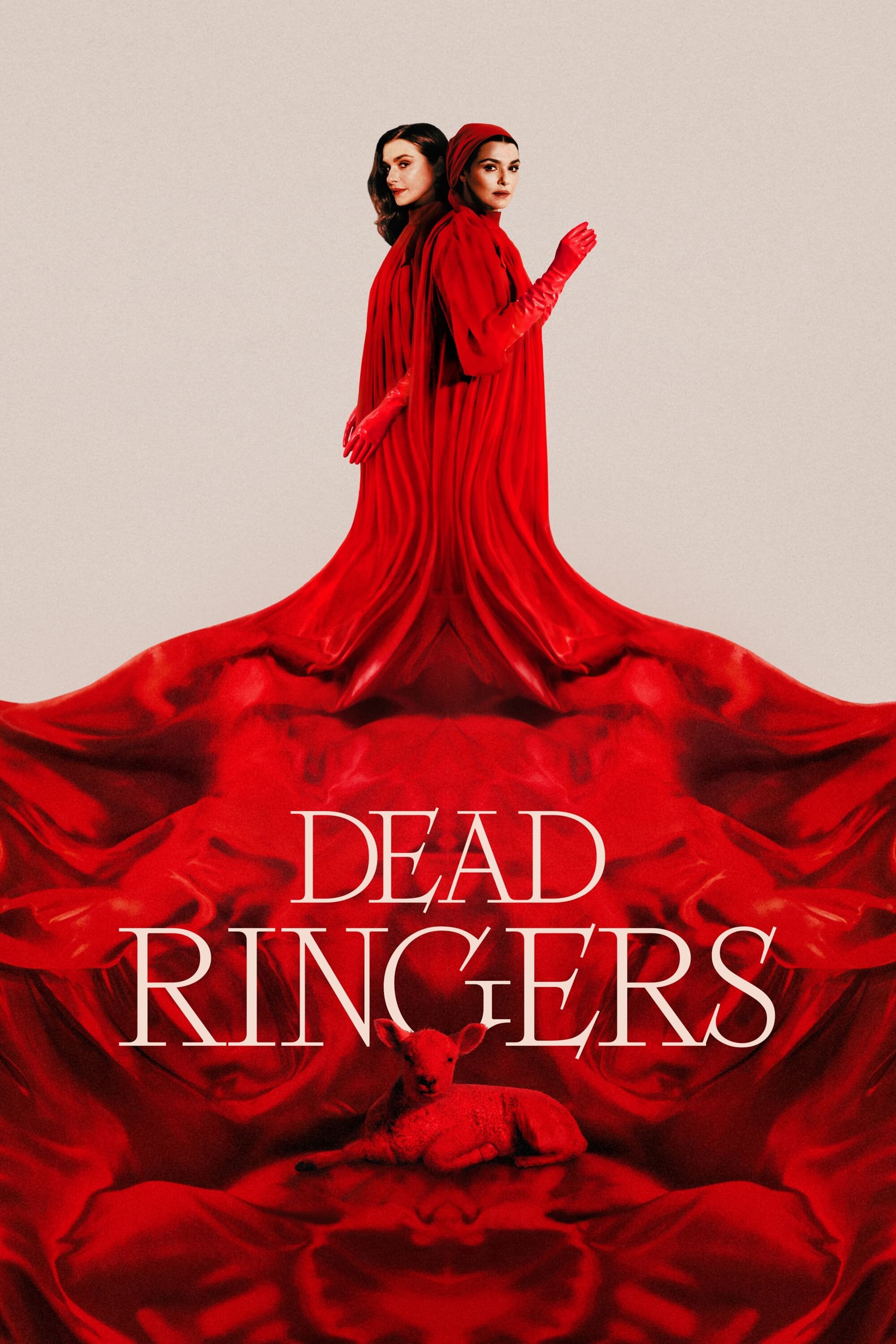
Dead Ringers2023
What happens when you take the sketch show format and remove visual comedy entirely—a radio show of impressionists creating characters and scenarios through voice alone. It's a masterclass in how much you can do with performance when you strip away everything but sound.
But Radio comedy requires active attention. Many jokes are dependent on recognising the voice being impersonated, which can feel exclusionary if you're not plugged into British public figures.
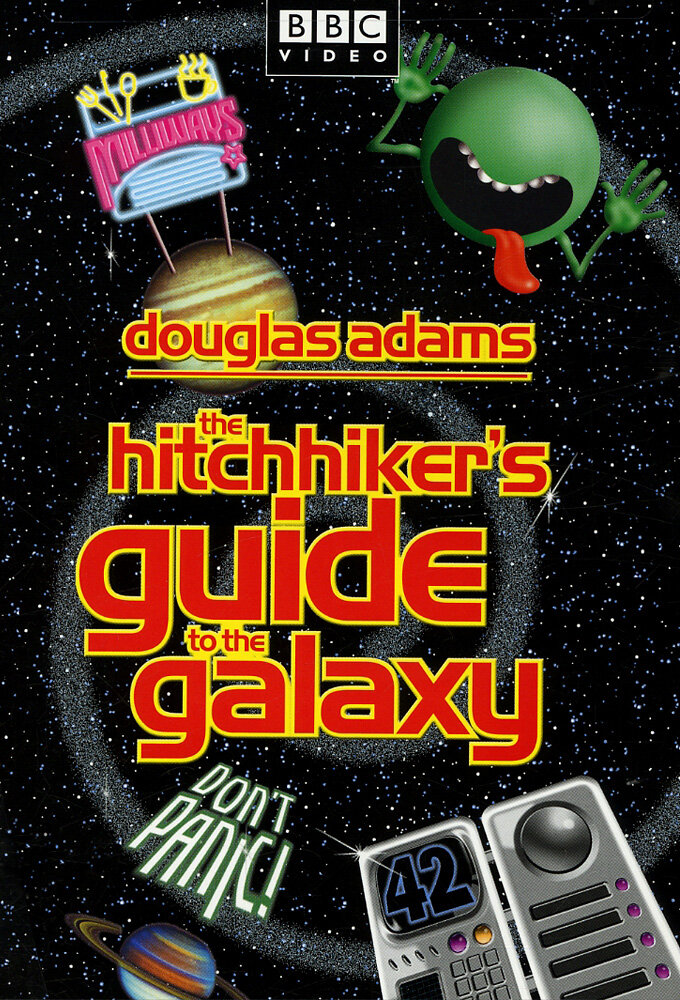
The Hitchhiker's Guide to the Galaxy1981
Both use irreverence as a shield against having to make sense. Smith and Jones would swap characters mid-sketch without explanation; Hitchhiker's Guide throws you into a universe where the laws of physics are just suggestions. They're both unafraid of leaving the audience slightly bewildered and trusting that confusion is funny.
A BBC adaptation of radio comedy that understands absurdism in the British mode—logic broken down until it becomes poetry. The production design is hilariously cheap in a way that somehow enhances the surreality. It's comedy that loves ideas as much as it loves jokes.
But It's very British and very weird. The pacing is deliberately awkward. If you need comedy to be punchy and propulsive, you'll find this frustratingly slow and obtuse.
People
Cast
 Griff Rhys JonesVarious
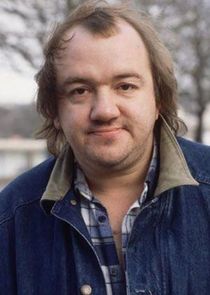 Mel SmithVarious
 Chris LanghamVarious
Recommended by
A Bit of Fry and Laurie, Not the Nine O'Clock News, French and Saunders