
Film
Monty Python's The Meaning of Life
- Comedy
- Strange
- Relentless
Monty Python's final film is a structureless cascade of sketches, each attacking life's grand questions with obscenity, absurdist logic, and the deadpan delivery of six men in wigs. It's like watching brilliance come unmoored from narrative—sometimes transcendent, sometimes bewildering, always confident it's funnier than you'll admit to your parents. For people who think comedy should feel dangerous.
Should you watch it?
Watch it if you like sketch comedy that stacks absurd, badly behaved set pieces one after another, and you enjoy the Python troupe's knack for turning respectable institutions into farce.
Skip it if you want a story with a through-line, since this is a loose run of skits with no central plot and some gags land harder on grimness than laughter.
What it asks of you: Patience with uneven material is needed: sketches run long or short, the mood swings from giddy to crude, and attention must hold for 107 minutes.
Not sure? Find tonight's pick in a minute.
If you liked this
Monty Python and the Holy Grail1975
The template for Python's film ambitions: a loose thread connecting sketch-comedy chaos into something mythic. Every scene a perfect comic machine, every line quotable. Pure joy.
But It's been culturally digested so thoroughly that the shock is gone. Watching it now feels like watching a fossil of something once wild.
Life of Brian1979
Python's sharpest work: a film that moves, genuinely offends the right people, and proves they could make satire with a spine. Furious and disciplined at once.
But The religious controversy is real, and the anger it provoked was earned. Some find it more polemical than funny.
The Goodies1970
British sketch-comedy with the same anarchic spirit but higher energy and genuinely bizarre practical effects. Episodes escalate into absurdity without warning. Giddy and inventive.
But It's relentlessly silly with almost no downbeat moments. Some sketches outstay their welcome by design.
Not sure tonight? Get a pick in a minute, starting from Monty Python's The Meaning of Life
The wildcard
Something you would not have found on your own.
A Clockwork Orange1971
Both use shock and obscenity not for laughs but as a philosophical tool. Both ask what language and ritual mean when divorced from morality.
Kubrick's confrontation with violence and meaning—structured like a symphony, obsessed with surfaces and philosophy. Both films ask 'what is life for?' with maximum provocation and no easy answers.
But It's brutal and genuinely difficult to watch. The violence isn't comedic; it's the point. Many will find it repellent rather than revelatory.
More like this (8)
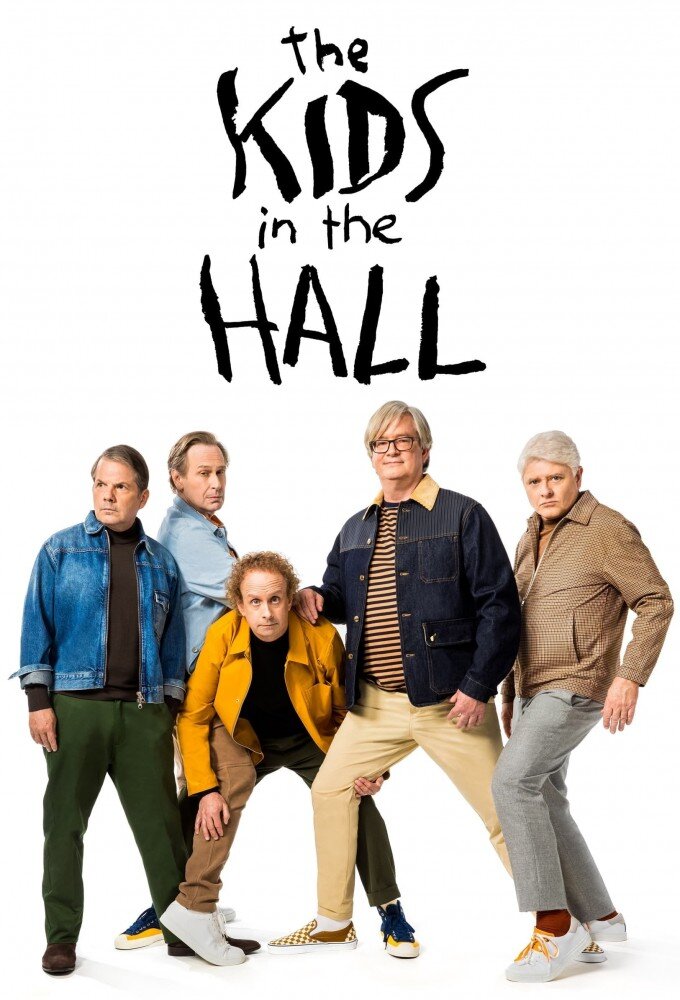
The Kids in the Hall1988
Five Canadian men doing what Python proved was possible: sketch comedy with a distinct voice, running gags across seasons, and the willingness to let silence hang. Sharp and character-driven.
But Gentler than Python—more interested in awkwardness than outrage. Some find it too understated.
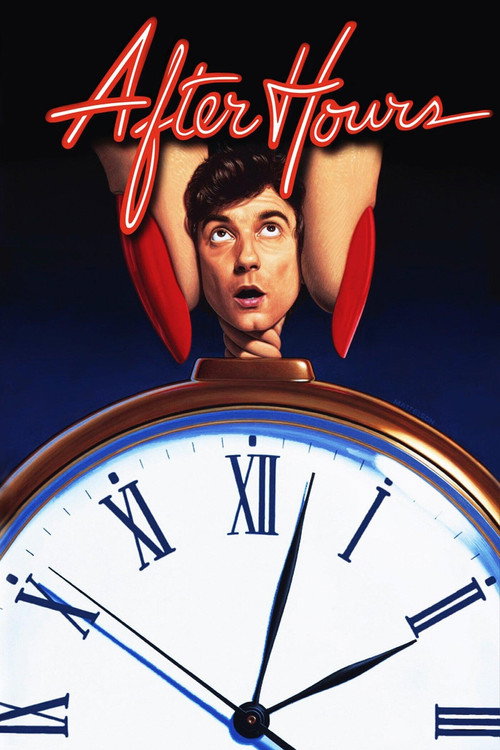
After Hours1985
Scorsese's only comedy: a nightmare-logic descent through New York where logic breaks down piece by piece. The same anarchic 'rules don't apply' feeling, but genuinely unsettling.
But It's horror-adjacent and pessimistic. The comedy comes from dread, which exhausts some viewers.
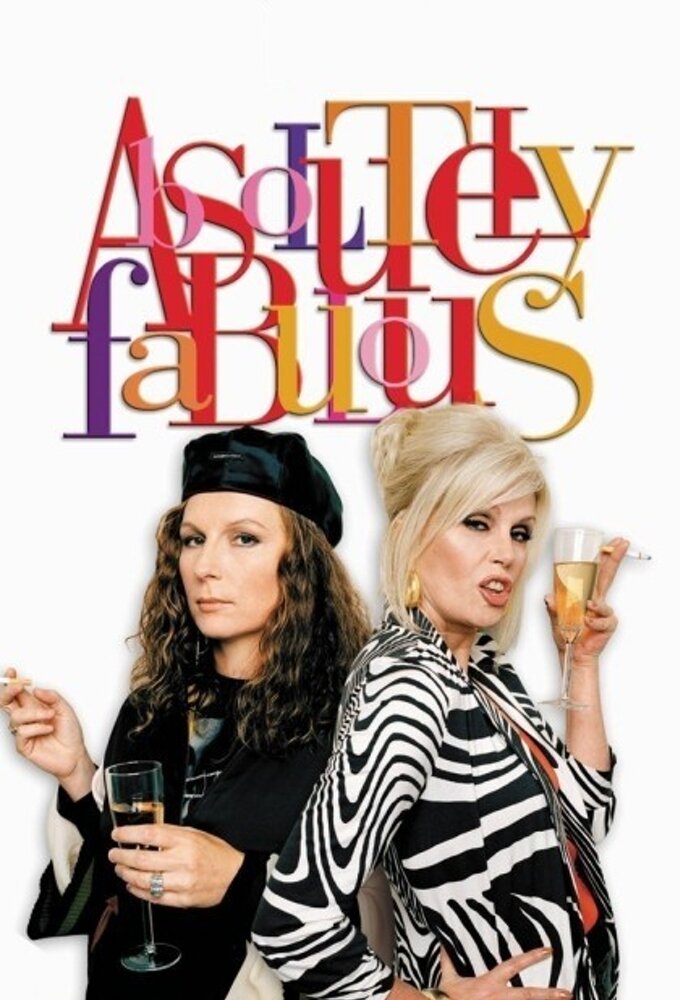
Absolutely Fabulous1992
British sketch-show energy channeled into characters you live with across seasons. Anarchic and absurdist, with real pathos underneath. Joanna Lumley is extraordinary.
But Fashion and media satire that can feel dated. Less committed to shock value than Python, which some see as a step down.
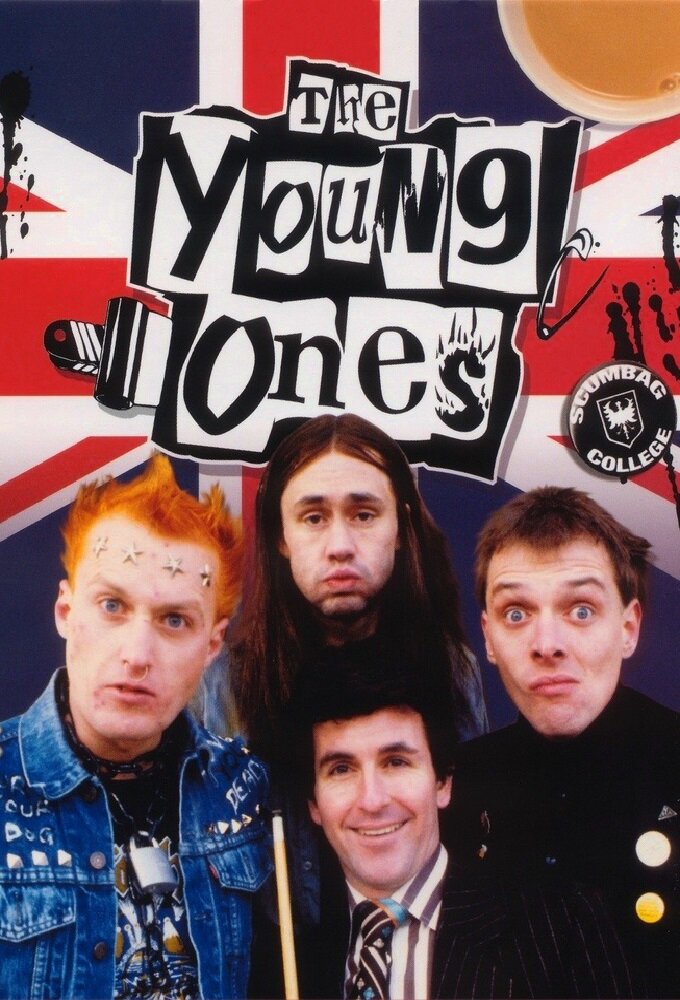
The Young Ones1982
British comedy with Python's anarchic DNA but aimed at student culture. Fast, violent, deeply stupid in intelligent ways. Endlessly inventive physical comedy.
But The deliberately bad production values and MTV-era pacing grate on some viewers. Very much a period piece.
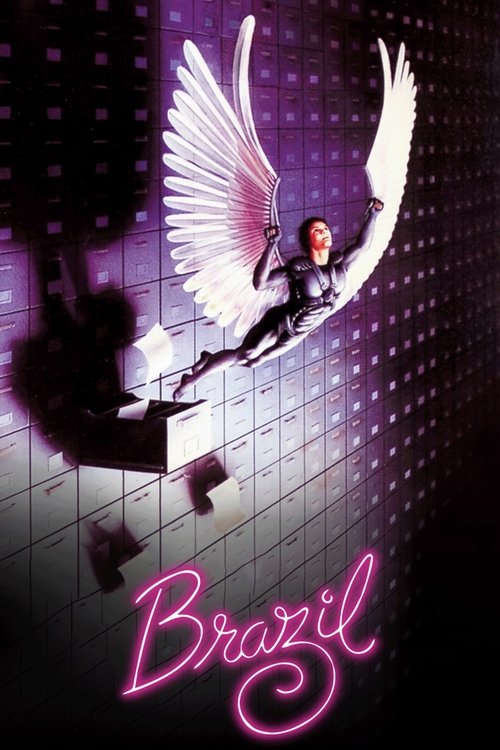
Brazil1985
Terry Gilliam applying Python's surrealist logic to dystopia. A film that moves by dream-logic, where every frame is grotesque and beautiful. Weird and visually stunning.
But It's bleaker than Python, less interested in laughs than in creating dread. The plot dissolves into nightmarish abstraction.
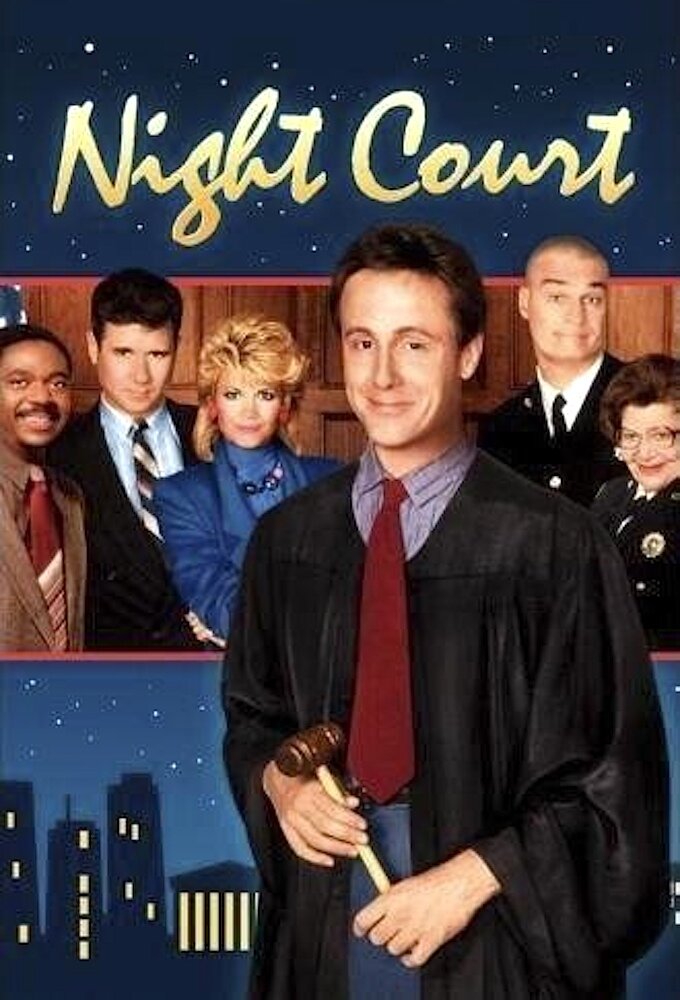
Night Court1984
American sketch-show with anarchic energy and a live-TV spontaneity Python couldn't match. Fast, weird, genuinely surprising. John Larroquette's deadpan delivery is perfect.
But It hasn't aged as well as British contemporaries. Some sketches misfire, and the format feels scattered even by sketch-show standards.
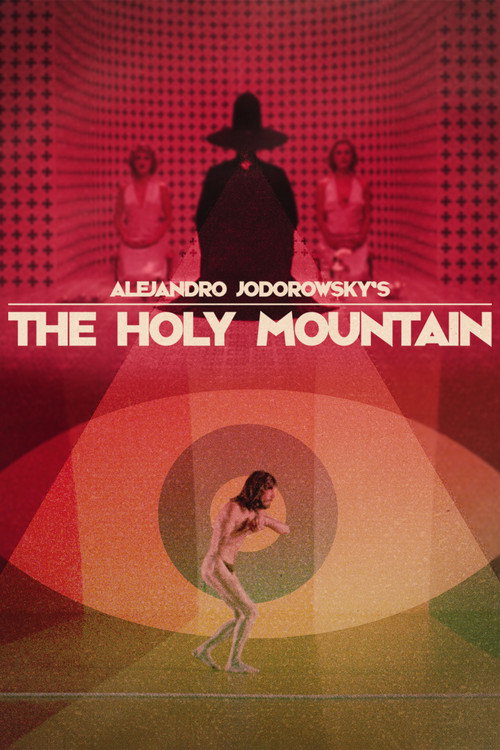
The Holy Mountain1973
Both are sketch-films attacking life's meaning through disconnected scenes. Python asks the question by deflating it; Jodorowsky asks by ascending toward it.
Jodorowsky's surrealist odyssey through a series of unrelated vignettes, each stranger than the last. It's Meaning of Life's acid dream—structurally identical but operatic and mystical where Python is profane.
But It's completely inaccessible to some viewers: pretentious, self-serious, genuinely disturbing. No comfort zone. No jokes, really.
Stalker1979
Both films are obsessed with the structure of meaning: Python demolishes it with chaos; Tarkovsky builds it with silence. They're arguing the same thing from opposite ends.
Tarkovsky's slow meditation on desire and meaning—the philosophical opposite of Python's chaos but after the same target. Three men move toward a room that promises answers. Hypnotic and completely serious.
But It's 163 minutes of walking and talking. No plot, minimal action, and the 'action' is internal. Patience required. Hostile to conventional film-watching.

People
Cast
 Terry GilliamVarious Roles
 Graham ChapmanVarious Roles
 John CleeseVarious Roles
 Eric IdleVarious Roles
 Terry JonesVarious Roles
 Michael PalinVarious Roles
 Carol ClevelandVarious Roles
 Simon JonesCedric
 Patricia QuinnMrs. Williams
 Judy LoeNurse #1
 Andrew Bicknell(Segment "The Crimson Permanent Assurance")
 Andrew MacLachlanGroom
Directing
- Terry JonesDirector
- Callum McDougallThird Assistant Director
Writing
- Eric IdleScreenplay
- Graham ChapmanScreenplay
- John CleeseScreenplay
- Michael PalinScreenplay
- Terry GilliamScreenplay
- Terry JonesScreenplay
Production
- Debbie McWilliamsCasting
- Michelle GuishCasting
- John GoldstoneProducer
- David WimburyProduction Manager
Recommended by
Monty Python and the Holy Grail, Life of Brian, The Hitchhiker's Guide to the Galaxy, Monty Python Live at the Hollywood Bowl, A Liar's Autobiography: The Untrue Story of Monty Python's Graham Chapman