
Film
Beyond the Fringe
- Satire
- Light-hearted
Beyond the Fringe is a filmed record of the groundbreaking 1960s sketch comedy revue that redefined British humour. Four brilliant performers—Bennett, Cook, Moore, and Miller—deliver rapid-fire satirical sketches with surgical precision and anarchic energy. It's smart, irreverent, and genuinely funny, capturing a pivotal moment when comedy grew up.
Should you watch it?
Watch it if you enjoy sharp, clipped wordplay and sketches that skewer the establishment with a straight face, and you like hearing comedy of ideas delivered by performers who clearly relish the language.
Skip it if you want a continuous story or modern, polished production values; this is a stagebound revue of brief sketches from the early sixties, and some references will have faded.
What it asks of you: Rapid-fire dialogue and topical references from six decades ago need your full attention, but at roughly an hour it never outstays its welcome.
Not sure? Find tonight's pick in a minute.
If you liked this
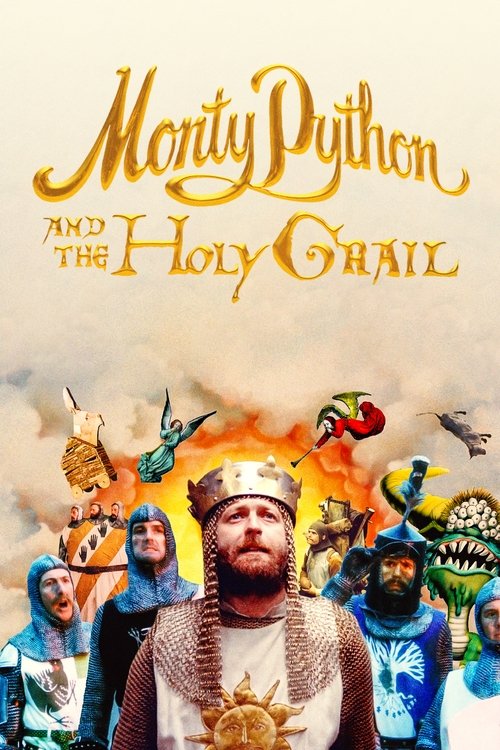
Monty Python and the Holy Grail1975
The spiritual successor to Beyond the Fringe's satirical anarchy, with the same fearless approach to skewering institutions and language itself. Absurdist, inventive, and genuinely subversive.
But Sketch comedy films can feel uneven. Some bits land perfectly; others drag or confuse. The tone shifts constantly, which some find exhausting rather than exhilarating.
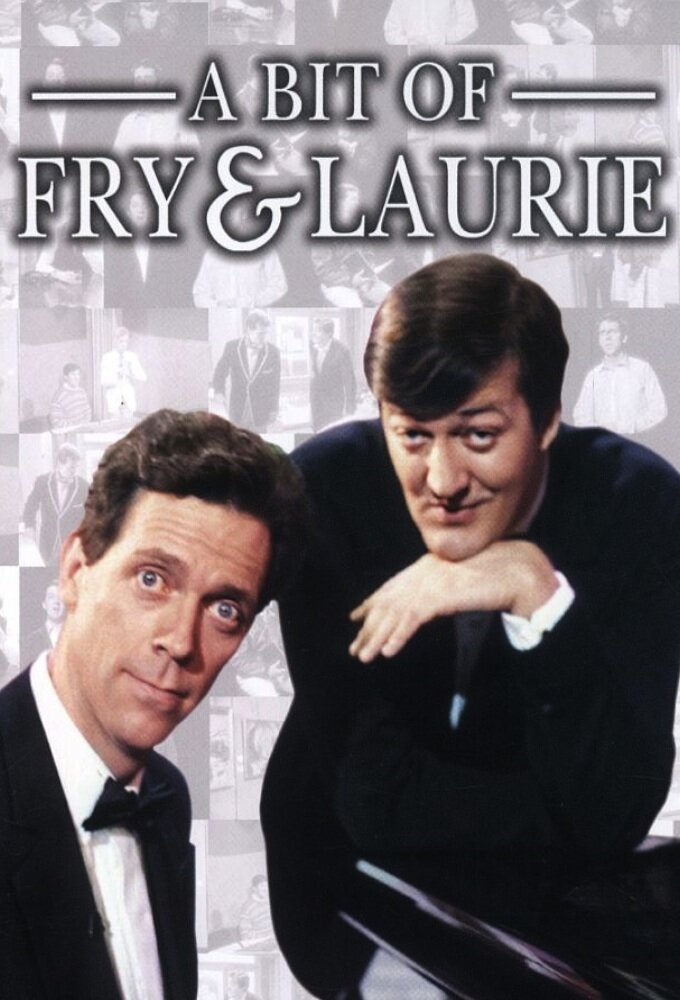
A Bit of Fry and Laurie1987
Stephen Fry and Hugh Laurie channelled Beyond the Fringe's DNA into this sketch show—smart, linguistically playful, with real heart beneath the absurdity. It proves the format still works brilliantly.
But Being a sketch show, it's uneven by design. Some routines are legendary; others feel padded or dated. The British eccentricity won't land for everyone.
That Was the Week That Was1962
TW3 emerged from the same satirical moment as Beyond the Fringe and pioneered topical sketch comedy on television. It's the missing link between revue and modern panel shows, crackling with urgency.
But The humour is very much of its era—some references are so specific to 1960s politics they require footnotes. The pace feels slow compared to modern comedy.
Not sure tonight? Get a pick in a minute, starting from Beyond the Fringe
The wildcard
Something you would not have found on your own.
Singin' in the Rain1952
Both are revue-like collections of set pieces where the real pleasure is watching virtuosos execute their craft with absolute control and perfect timing. The joy comes from precision, not plot.
Hollywood's most joyous film is, underneath, a sketch show—a series of elaborate, virtuosic performances held together by the thinnest narrative thread. Gene Kelly and Donald O'Connor have the same precision, comic timing, and willingness to look foolish that defines Beyond the Fringe.
But It's a musical, and quite lengthy at that. If you're cynical about spectacle or find 1950s Hollywood aesthetics saccharine, the sheer relentless cheerfulness will feel suffocating.

More like this (7)
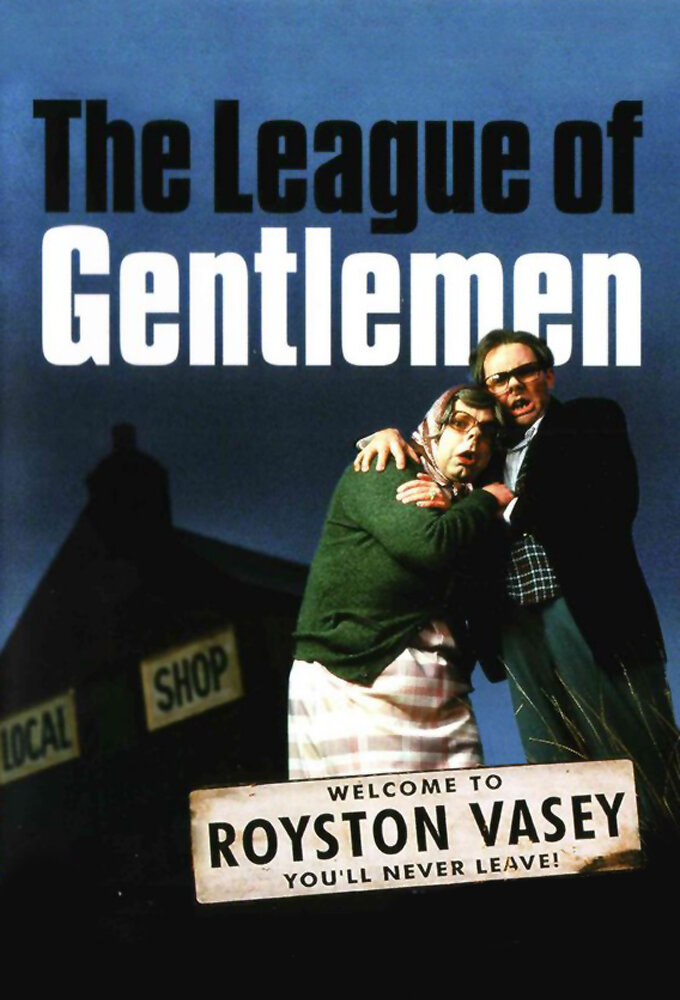
The League of Gentlemen1999
Takes the sketch-show format into darker, more grotesque territory while keeping that intellectual edge. Characters are deranged but precisely observed—comedy as portraiture.
But The humour is genuinely disturbing in places and relentlessly bleak. If you want warmth or likability, you won't find it. Some sketches are deliberately difficult.
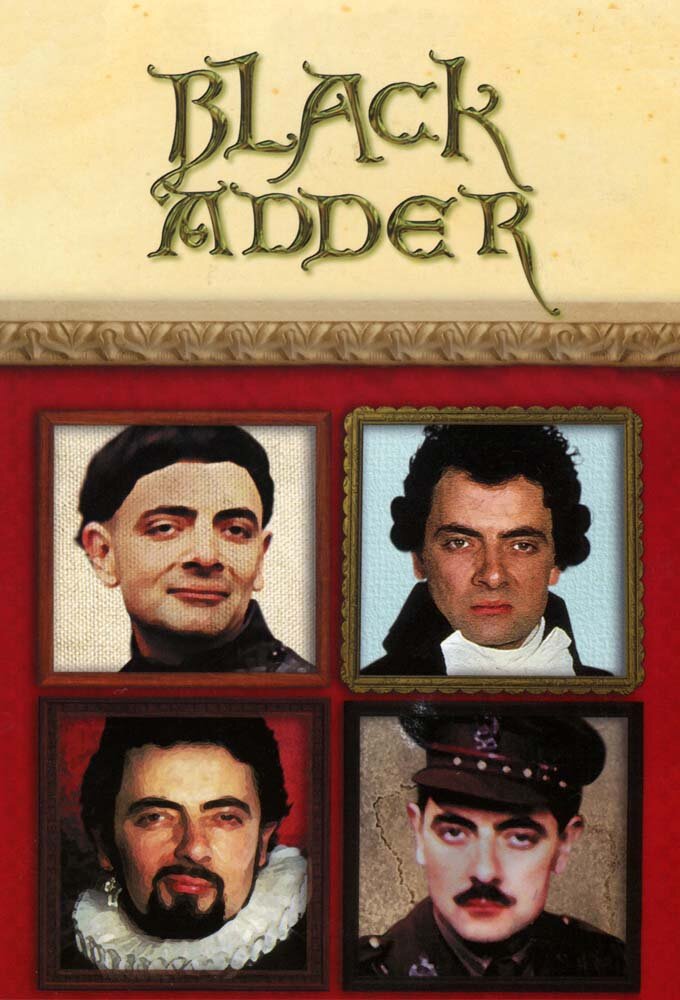
Blackadder1983
Rowan Atkinson and Tony Robinson created sketch-like comedy set in a narrative frame. The writing is incredibly clever, the insults are cutting, and it captures that same intelligent irreverence.
But The first series is genuinely weak; it takes two seasons to find its feet. And if you're not charmed by British period comedy, nothing will win you over.
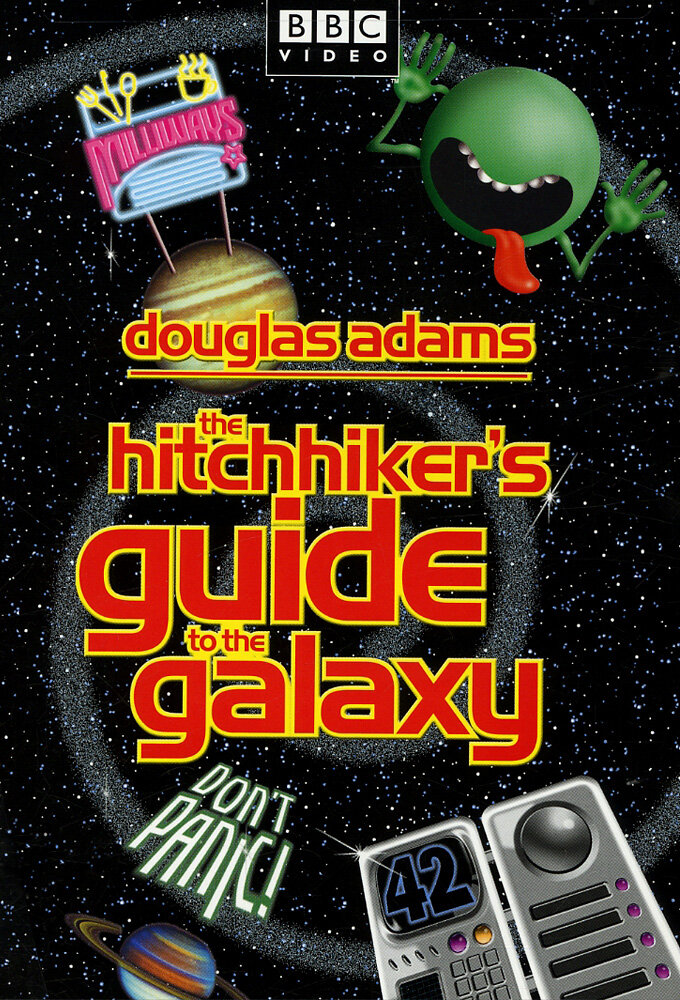
The Hitchhiker's Guide to the Galaxy1981
Douglas Adams's absurdist sci-fi comedy shares Beyond the Fringe's love of language and logic-breaking. It's whimsical but intellectually rigorous, ridiculous but utterly precise.
But The BBC production looks cheap and creaky now. If you need plot momentum or emotional stakes, the rambling narrative will feel frustrating and self-indulgent.
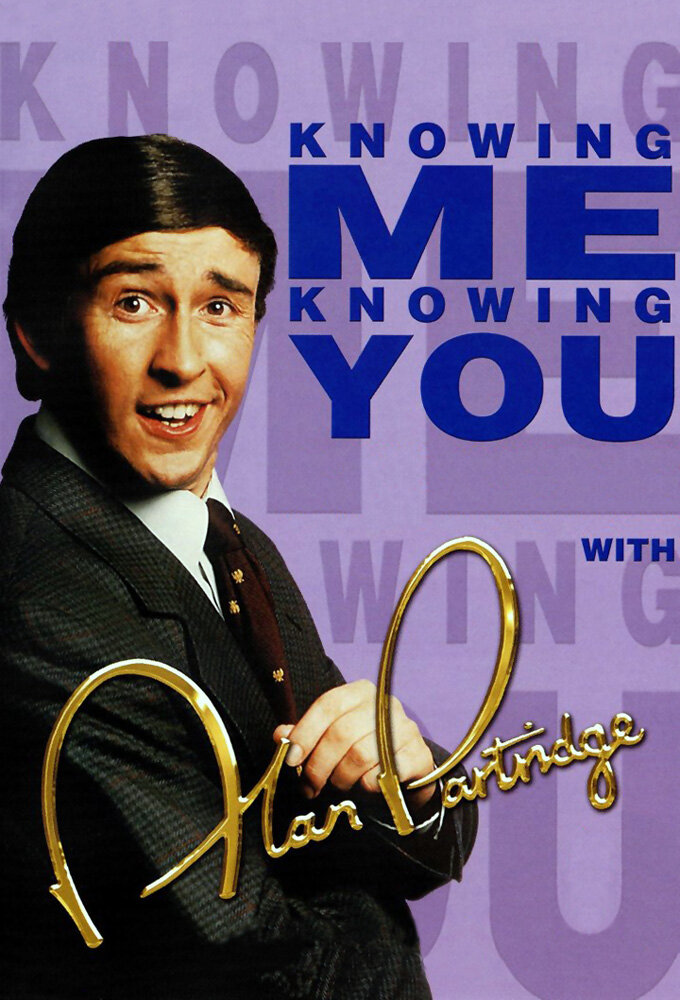
Knowing Me, Knowing You with Alan Partridge1994
Armando Iannucci and Steve Coogan created a talk-show parody that's hilarious and heartbreaking. The writing is surgical, the cringe genuinely uncomfortable—comedy as character study.
But It's entirely dependent on loving Alan Partridge, who is a deeply unpleasant man. The awkwardness isn't for everyone, and the satirical target may not matter to younger viewers.
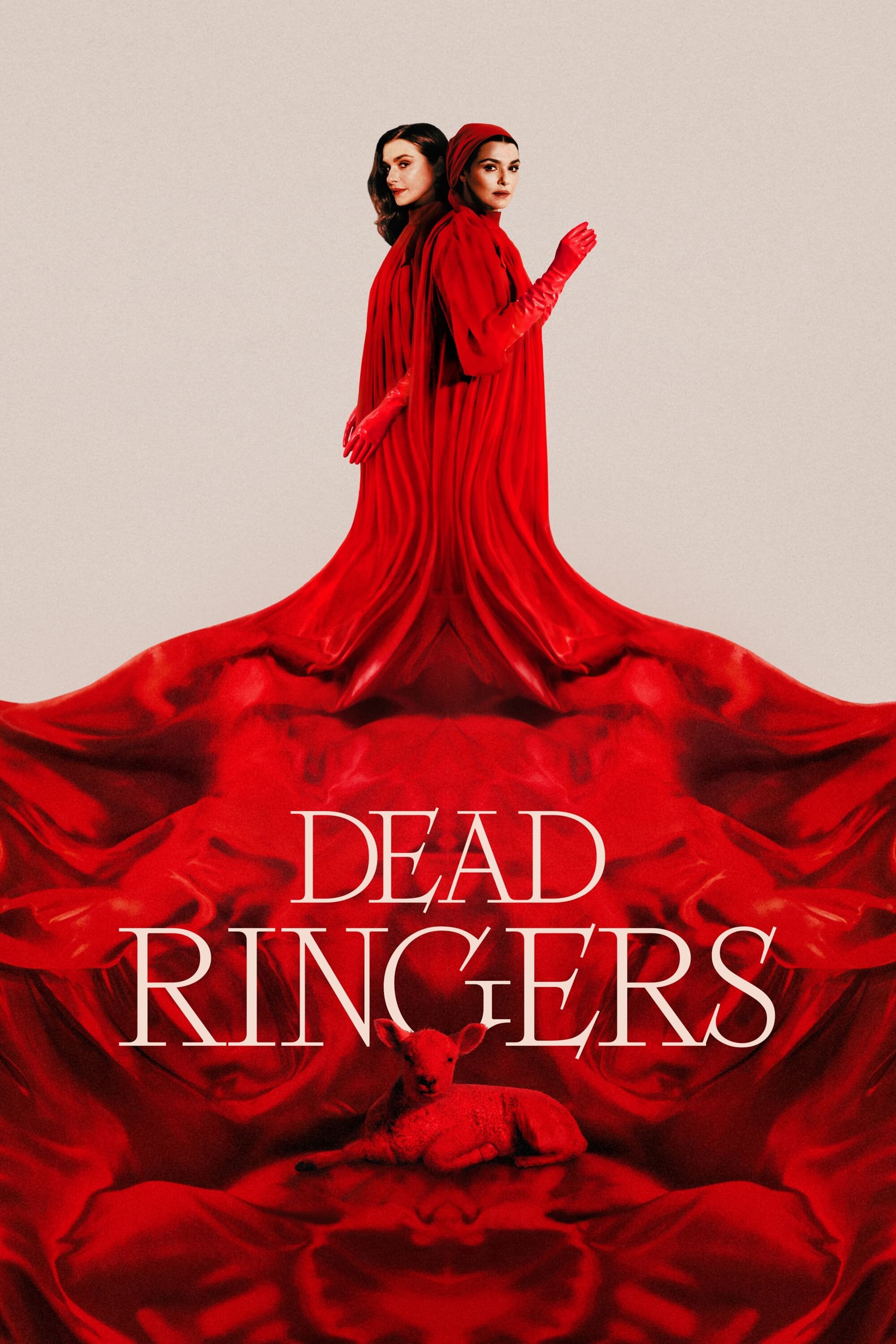
Dead Ringers2023
Radio sketch show with remarkable vocal impressionists creating an entire universe of characters. It has the verbal dexterity and satirical bite of Beyond the Fringe, applied to contemporary politics.
But It's radio, so there's no visual anchor. The impressions require you to know who's being parodied. And once you've heard a character's voice, the novelty can wear off.
Stalker1979
Both deconstruct systems of thought and language. Beyond the Fringe does it through satire; Stalker does it through metaphysics. Both assume the audience is intelligent enough to sit with discomfort and ambiguity.
Andrei Tarkovsky's science-fiction meditation is pure language and philosophy—characters talk in circles, logic breaks down, meaning dissolves. It shares Beyond the Fringe's fascination with how language constructs and fails to construct reality.
But It's a 163-minute Soviet philosophical film in black and white. There's almost no plot. It requires absolute patience and works only if you surrender to its slowness completely.

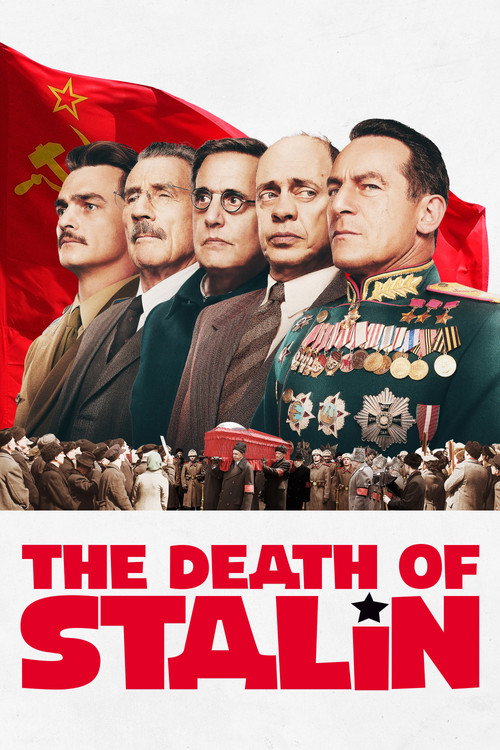
The Death of Stalin2017
Both use comedy as an instrument for dismantling authority and exposing the gap between what those in power say and what they actually do. Language becomes the battleground.
Armando Iannucci's film is a savage political satire made as a Soviet-era dark comedy. It channels Beyond the Fringe's scalpel-sharp writing into a narrative film—rapid dialogue, linguistic wit, and the collision of rhetoric with chaos.
But It's filmed in black and white and shot with a very tight frame. The politics are quite specific and the tone is relentlessly dark. There's almost no warmth or character you can root for.
People
Cast
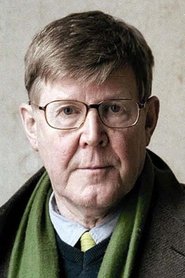 Alan BennettVarious Characters
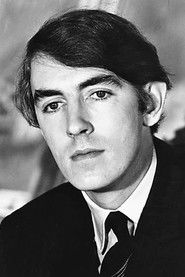 Peter CookVarious Characters
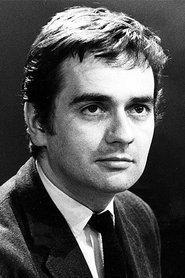 Dudley MooreVarious Characters
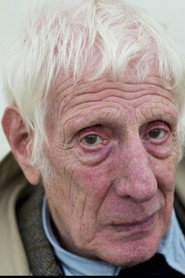 Jonathan MillerVarious Characters
Directing
- Duncan WoodDirector
Writing
- Alan BennettWriter
- Dudley MooreWriter
- Jonathan MillerWriter
- Peter CookWriter
Production
- Arnold BrownExecutive Producer
- Don SilvermanProducer
- Burt SheveloveSupervising Producer