
Television series
William Tell
A 1958 British adventure series following the legendary Swiss archer as he resists Austrian occupation. Stripped of historical weight, it's pure swashbuckling fun: episodic, brightly acted, with practical stunts and reliable cliff-hangers. Made for Saturday-morning viewers but charming enough for anyone who loves old-fashioned derring-do without cynicism.
If you liked this
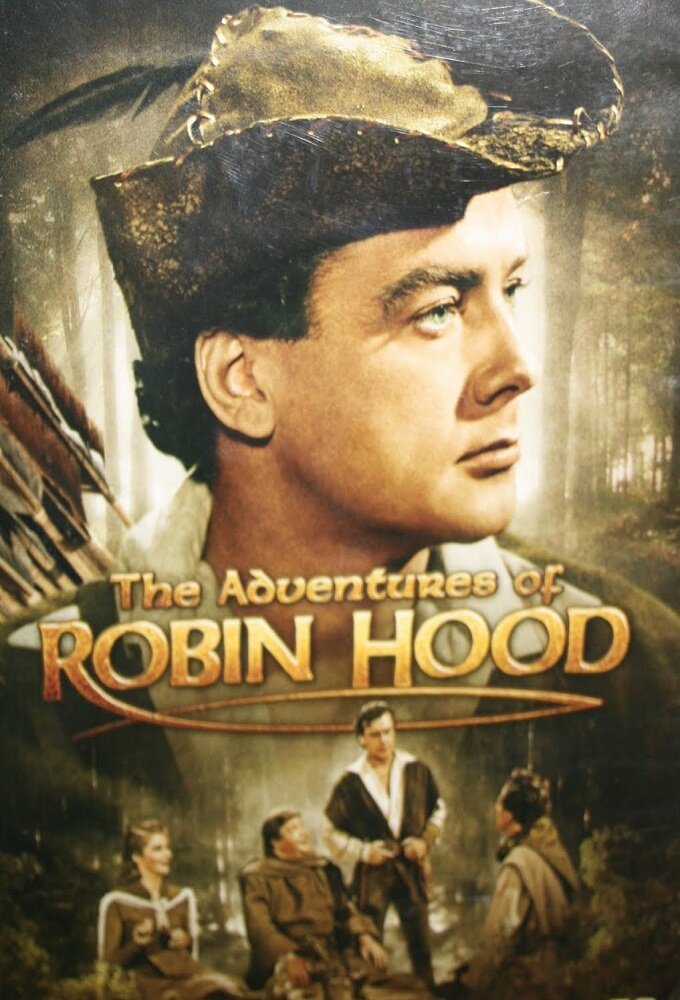
The Adventures of Robin Hood1955
ITV's colour answer to everything swashbuckling: quick-witted, beautifully shot, with Ivanhoe's Richard Greene bringing real charisma to Robin's cat-and-mouse games with the Sheriff. Exactly the same spirit as Tell, just better resourced.
But Some episodes feel padded, and the formula can wear thin if you watch too many back-to-back. Also in colour, which rather shows up Tell's black-and-white limitations.
Zorro
Guy Williams is magnetic as the masked swordsman, and the writing crackles with invention. Like Tell, it's about a principled man striking from the shadows—but with more humour and sexier flirtation. Genuinely clever.
But The sexual politics are very 1950s, and some episodes resolve too tidily. If you want moral complexity, this isn't it.
The Buccaneers2023
Robert Shaw as a Caribbean pirate captain hunting treasure and outwitting empires. Same episodic structure, same period action, same earnest adventure, but with more violence and a rougher edge. Criminally forgotten.
But Lower production values than Robin Hood, and the colour cinematography sometimes looks murky. Harder to find, too.

Not sure tonight? Get a pick in a minute, starting from William Tell
The wildcard
Something you would not have found on your own.
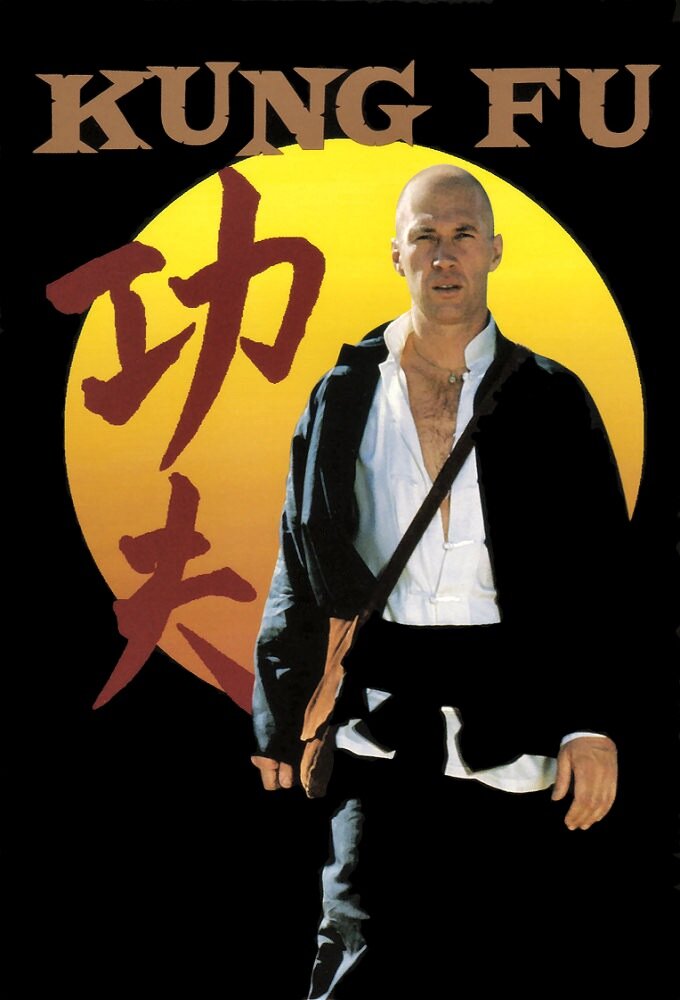
Kung Fu1972
Both are episodic journey narratives where a skilled, honourable hero confronts injustice with individual prowess. Both rely entirely on the charisma of their lead and the repetition of a satisfying formula.
David Carradine as a Shaolin monk wandering 1870s America, solving problems through philosophy and martial arts. Replace Tell's bow with kung fu, his Swiss mountains with the American West, and you have the same archetypal structure: a principled outsider against institutional power, moving through episodic confrontations.
But It's deliberately slow and meditative—the opposite of Tell's propulsive action. Some episodes are tedious. The mysticism won't appeal to anyone wanting straight adventure.
More like this (5)
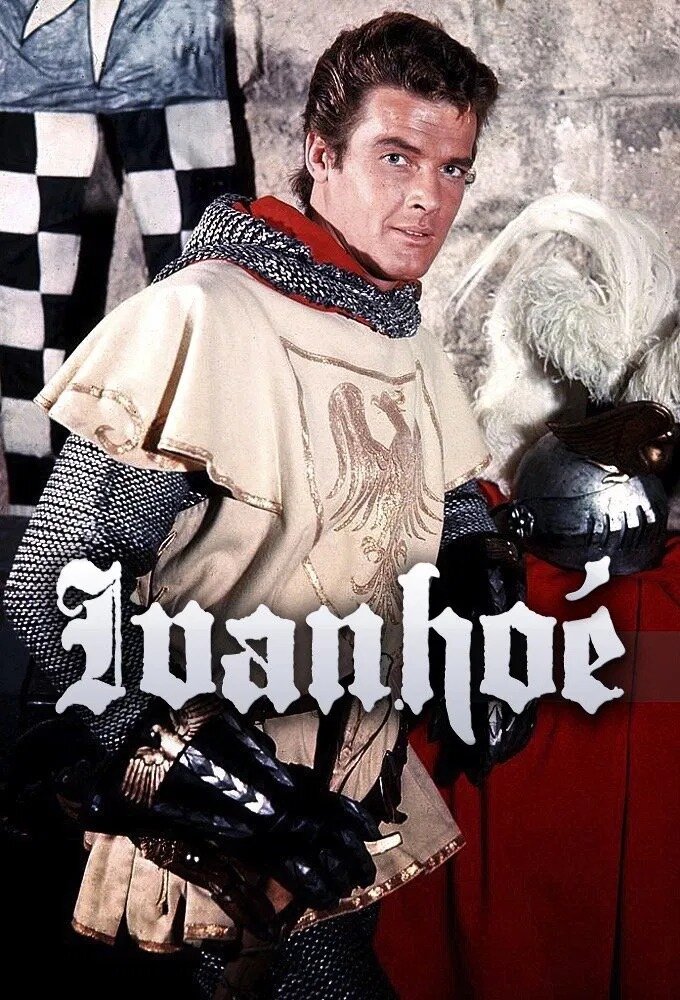
Ivanhoe1958
This launched the same year Tell did and basically out-did it: better scripts, Roger Moore before he was Bond, Crusades-era spectacle on a tiny budget. Every Tell episode makes you wish this had been your choice instead.
But It's denser and less immediately fun—more plot, fewer laughs. Some viewers find the historical setting boring compared to Tell's clearer good-versus-evil framework.
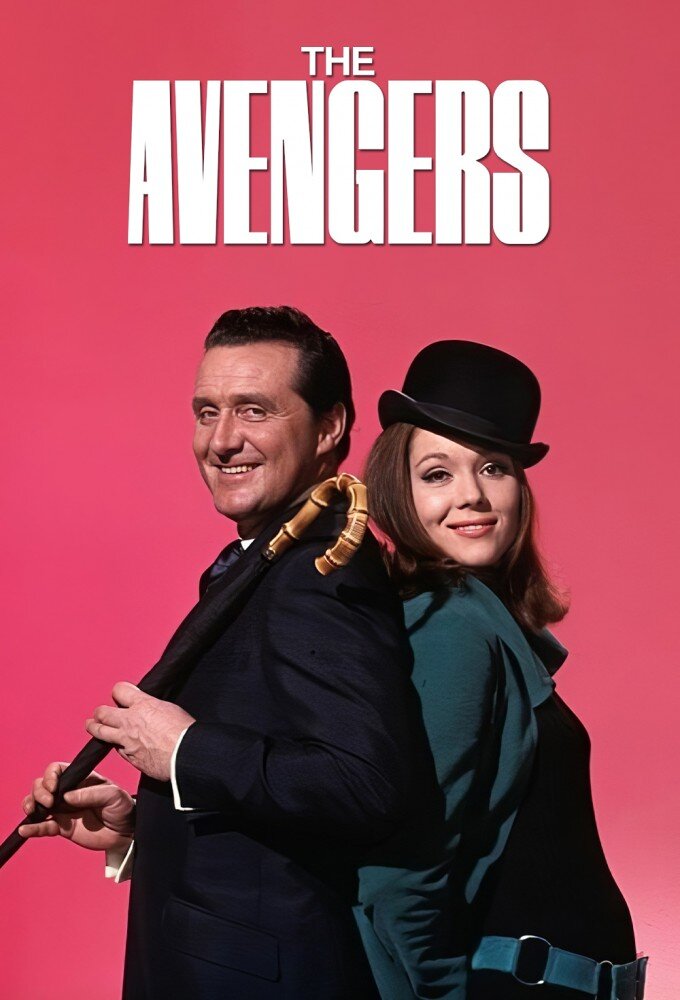
The Avengers1961
British spy-action that started as a straightforward thriller and found its voice. If you loved Tell's mixture of adventure and character, the early Avengers have that same propulsive charm before they got too stylised.
But The first few seasons are uneven, and some early episodes are genuinely hard to track down. Also tonal whiplash if you're expecting Tell's consistency.
Armchair Theatre1956
A standalone ITV adventure drama of the same period and quality as Tell: well-acted, efficiently plotted, made with real craft. Worth watching to understand what a good 1950s British adventure looked like beyond the serials.
But It's a one-off, so no ongoing narrative or character attachment. Also genuinely hard to access now—you'll need dedication to find it.
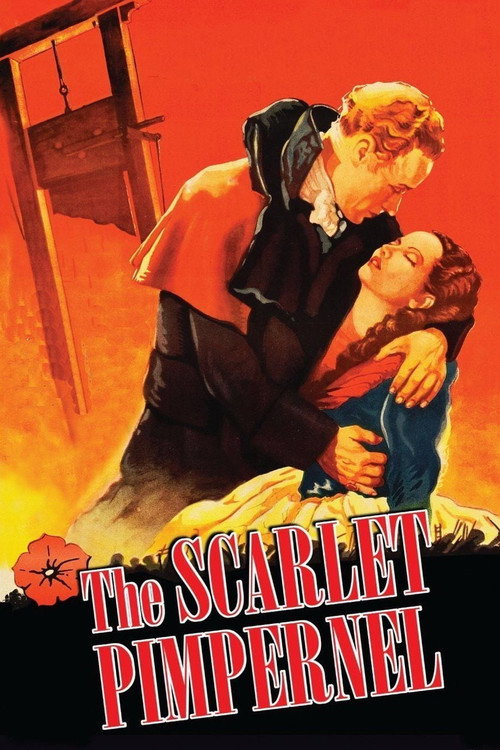
The Scarlet Pimpernel1934
The Errol Flynn template: the foppish aristocrat who's really a freedom fighter, swashing and buckling through the French Revolution. It's what Tell was trying to be, and it's incalculably better made and more entertaining.
But Black-and-white, and Flynn's charm is not universal—some find him overbearing. Also the pacing is relentless; there's no rest.
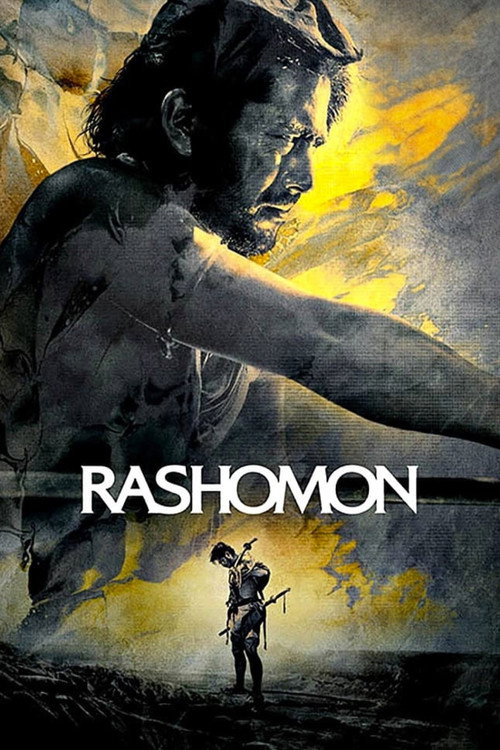
Rashomon1950
Both use medieval swords and occupation as settings, but Rashomon deconstructs the entire myth of heroic clarity that Tell (and all adventure serials) depend on. Watching them together is a provocation.
Kurosawa's masterpiece about four contradictory accounts of a crime in medieval Japan. Structurally, it's the anti-Tell: instead of one clear hero and one clear villain, everyone's guilt is ambiguous, everyone's heroism questionable. The same period, the same swordplay, utterly opposite in moral clarity.
But It's a philosophical film, not an action one. Slow, challenging, wilfully pessimistic. If you want Tell's straightforward heroism, this will frustrate and depress you.
People
Cast
Writing
- Friedrich SchillerCreator