
Film
Rashomon
Kurosawa's slippery masterpiece stages a single crime—a murder, a rape—through four irreconcilable testimonies, each self-serving in its own way. It's less a mystery to solve than an interrogation of memory and ego, shot with startling clarity through dappled forest light. Sixty-plus years on, it remains the cleanest demonstration ever filmed of how everyone is the hero of their own account. Essential, brief, unforgettable.
If you liked this
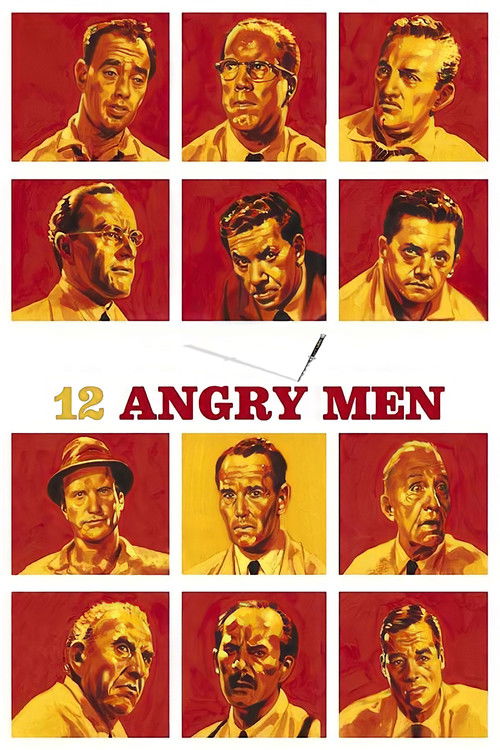
12 Angry Men1957
Twelve strangers argue a single fact pattern into pieces, and by the end you doubt everyone's account including your own. Same faith that Rashomon has: put enough people in a room with one truth and watch it fracture.
But It's talky, stagebound, and entirely dialogue-driven — no action, no visual flourish, just twelve men arguing in a room.
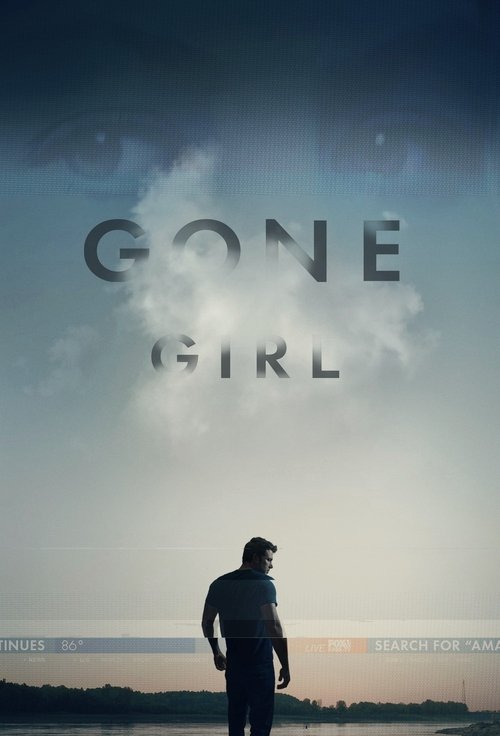
Gone Girl2014
Two competing first-person accounts of a marriage, each constructed to make its narrator the victim. Fincher's version of Rashomon's game is colder, glossier, and considerably more vicious.
But The satire is broad and the twist has been so thoroughly spoiled by pop culture it may land as familiar.
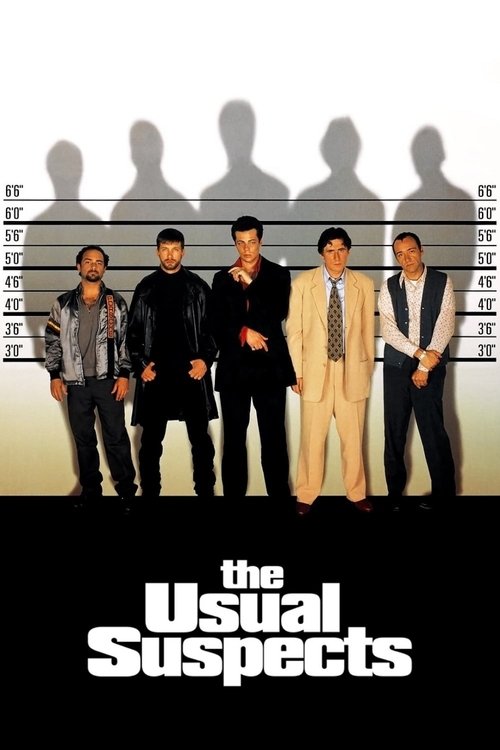
The Usual Suspects1995
A single interrogation spins out into a story you're never sure to trust, told by a narrator with every reason to lie. Same pleasure as Rashomon: watching an account assemble itself in real time.
But The twist is the whole point, and it's been famous for thirty years — no surprise left if you already know it.
The wildcard
Something you would not have found on your own.
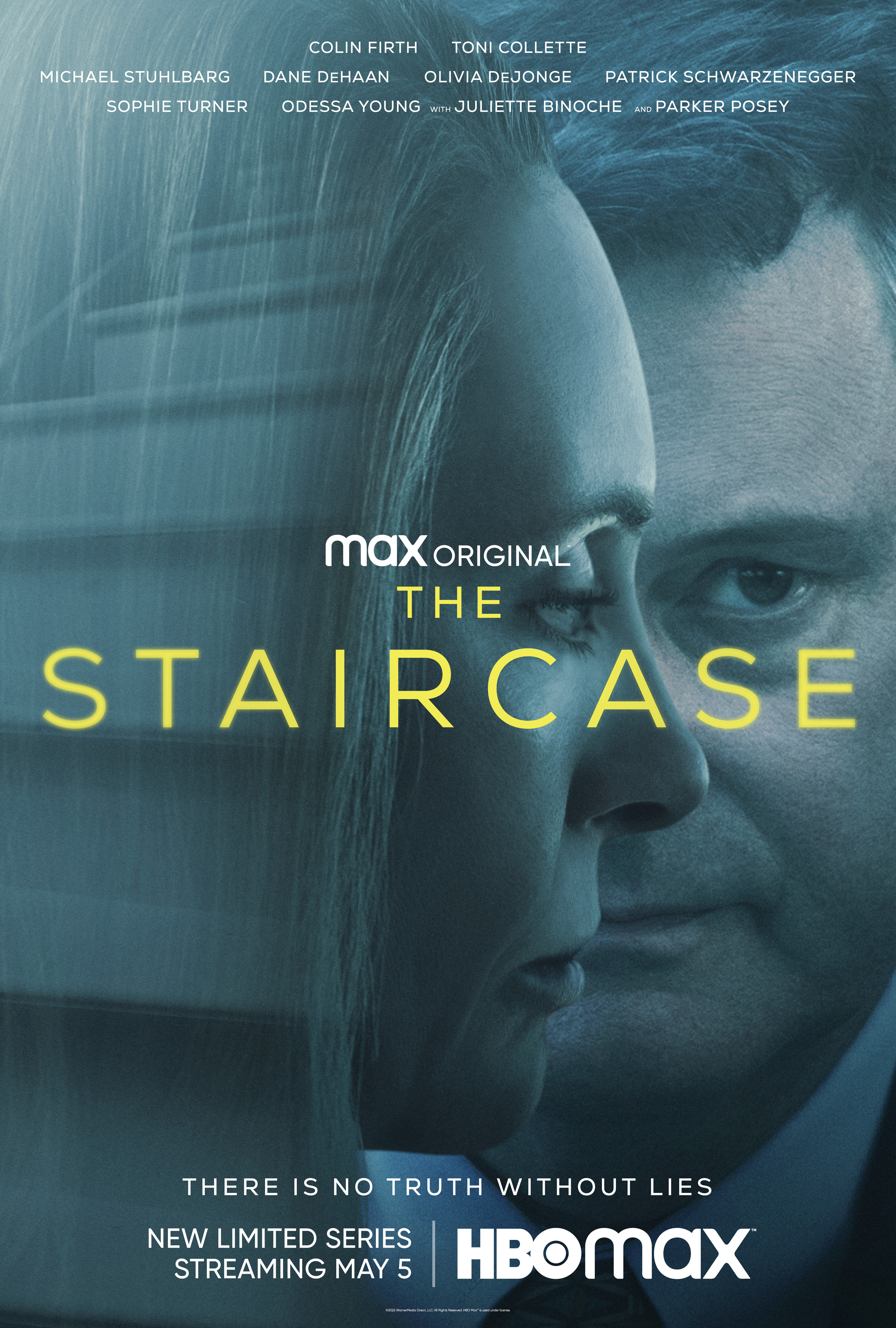
The Staircase2022
Rashomon staged four conflicting accounts of a death as fiction; this documentary follows a real one for a decade, and the courtroom becomes exactly the same theatre of self-serving narrative Kurosawa invented.
A real murder trial filmed over years, where prosecution and defense build two entirely different true stories from the same physical evidence. It's Rashomon with the stakes made literal and unresolved.
But It's long — eight-plus hours across its original run — and offers no tidy verdict, just the same unease Kurosawa left you with.
More like this (8)
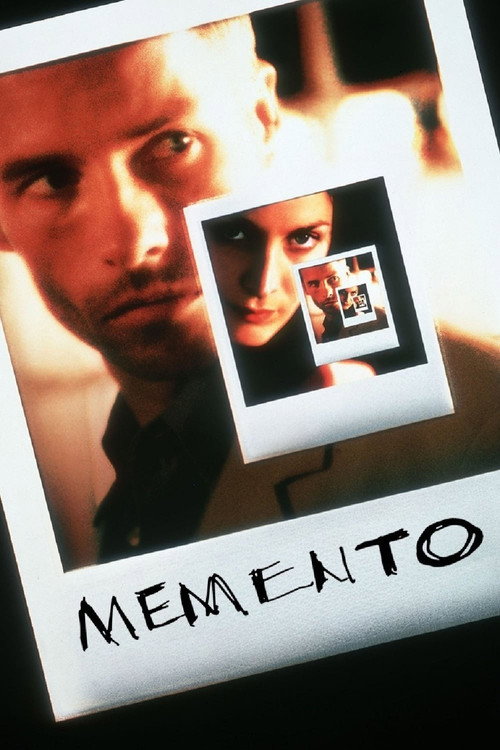
Memento2000
Christopher Nolan builds a mystery entirely out of the unreliability of memory itself, structured backwards so you experience the same confusion the amnesiac hero does.
But The reverse chronology demands full attention; zone out for five minutes and you'll lose the thread.
Vantage Point2008no page yet
A political assassination replayed eight times from eight different angles — the most literal, populist descendant of Rashomon's structure, dressed up as a glossy Hollywood action thriller for a Sunday afternoon.
But It trades philosophical weight for pure mechanics; don't expect any of Kurosawa's interest in why people lie.
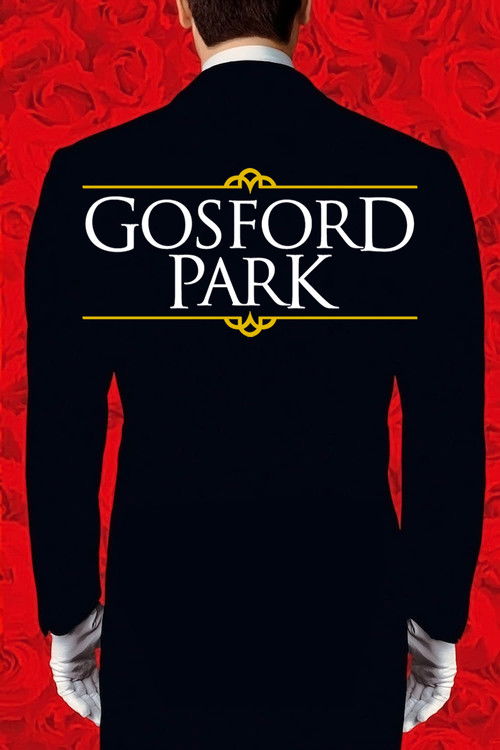
Gosford Park2001
Robert Altman scatters a country-house murder across a dozen overlapping perspectives, upstairs and downstairs, each character seeing only a different slice of the whole tangled truth.
But It's a slow, mannered ensemble piece — more interested in class comedy than in solving anything.
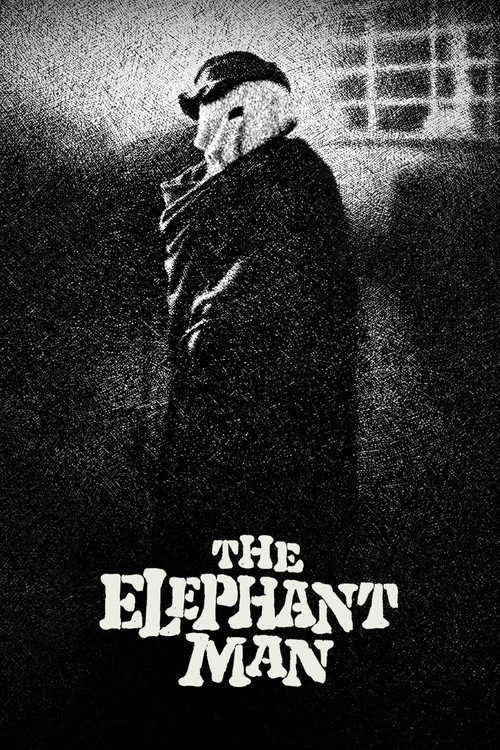
The Elephant Man1980
Gus Van Sant follows several students through the same ordinary school day from different vantage points, circling toward one unbearable event. Detached, formal, quietly devastating.
But Deliberately flat and slow-paced, with no explanation offered — some will find the restraint frustrating rather than powerful.
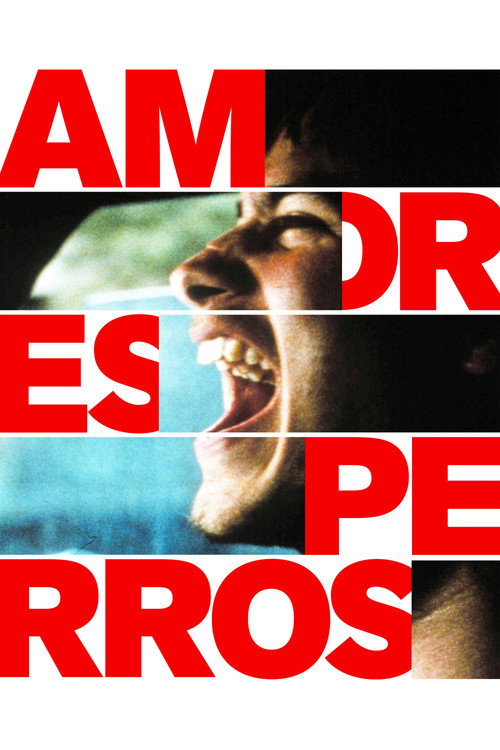
Amores Perros2000
Three stories collide around a single car crash in Mexico City, each rewinding to show how the same seconds looked from an entirely different life.
But It's raw, violent, and structurally demanding — not a comfortable watch, and the timelines take effort to piece together.
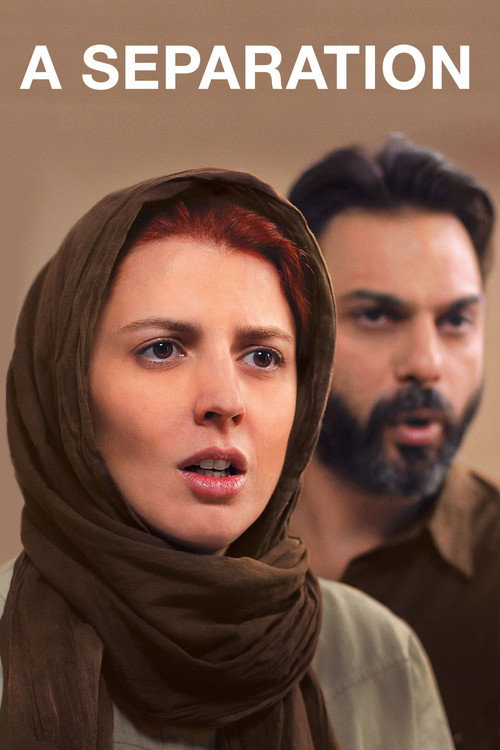
A Separation2011
An Iranian divorce case spirals into competing claims about a single incident, each version plausible, each witness partly lying to themselves. Kurosawa's questions asked again in a Tehran courtroom.
But Subtitled, quiet, and procedural in a way that some may find undramatic compared to Rashomon's forest violence.
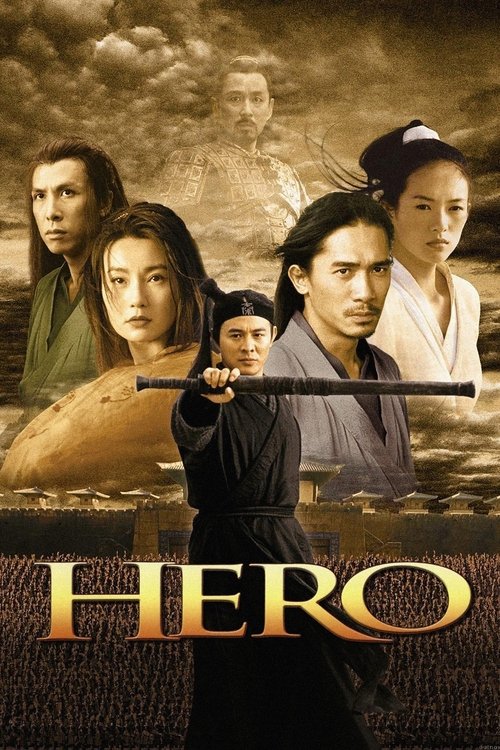
Hero2002
Zhang Yimou borrowed Rashomon's structure wholesale — an assassin recounting his story to an emperor in shifting, contradictory versions — and rebuilt it as a wuxia spectacle of color-coded duels.
Gorgeous martial-arts set pieces, each retelling rendered in its own saturated color scheme, turning Kurosawa's device into pure, breathtaking visual poetry across a fractured battlefield of a plot.
But The politics underneath the spectacle are uncomfortable if you know the history it's quietly making a case for.
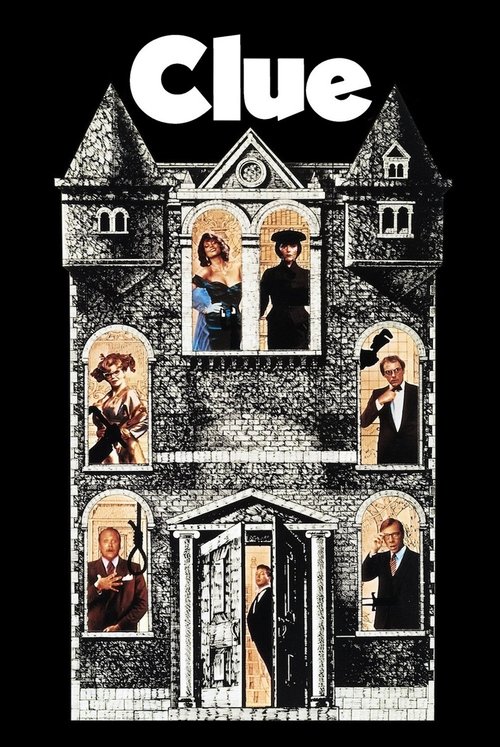
Clue1985
Same trick as Rashomon — several witnesses, one crime, contradictory versions — played entirely for farce instead of tragedy, right down to multiple alternate endings depending on which cinema you saw it in.
A murder-mystery dinner party where every guest's account of the night is a self-serving lie, staged as pure screwball comedy with a game ensemble cast.
But It's silly, campy, and has none of Kurosawa's moral seriousness — a genuine tonal 180 if you came in wanting gravity.
People
Cast
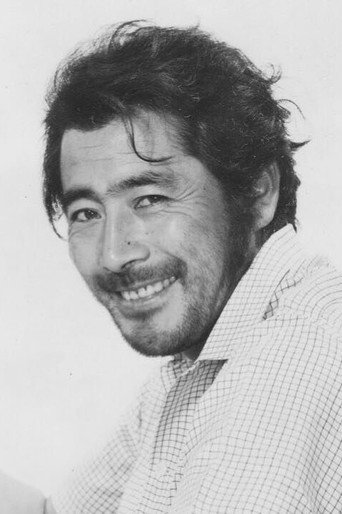 Toshirō MifuneTajômaru
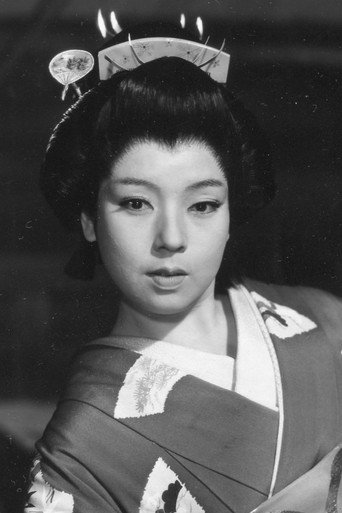 Machiko KyōMasako
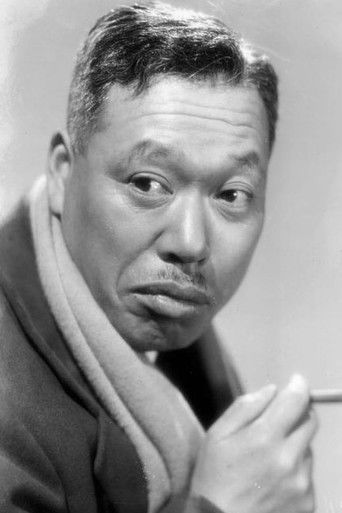 Takashi ShimuraWoodcutter
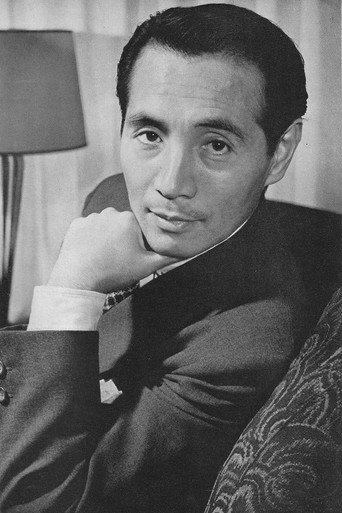 Masayuki MoriTakehiro
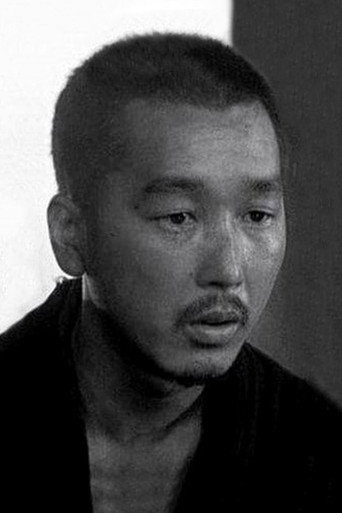 Minoru ChiakiPriest
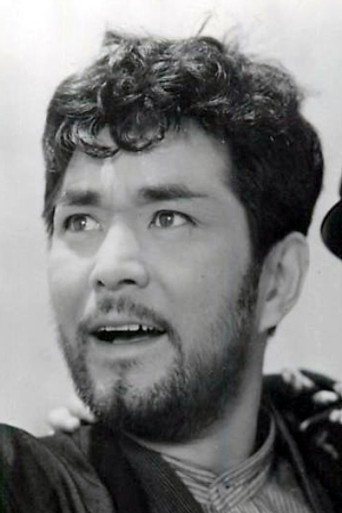 Kichijirō UedaCommoner
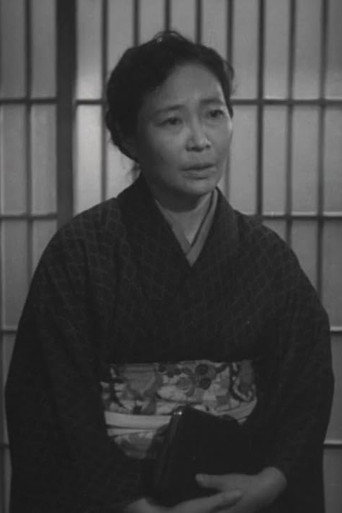 Noriko HonmaMedium
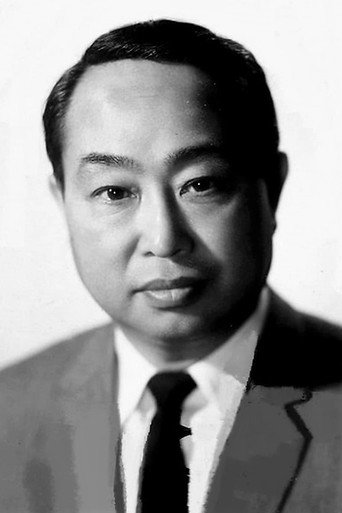 Daisuke KatōPoliceman
Directing
- Mitsuo WakasugiAssistant Director
- Tai KatōAssistant Director
- Tokuzō TanakaAssistant Director
- Akira KurosawaDirector
- Teruyo NogamiScript Supervisor
Writing
- Ryūnosuke AkutagawaNovel
- Akira KurosawaScreenplay
- Shinobu HashimotoScreenplay
Production
- Masaichi NagataExecutive Producer
- Jingo MinouraProducer
Recommended by
The Hidden Fortress, Seven Samurai, Yojimbo, Murder on the Orient Express, 12 Angry Men, Sansho the Bailiff, Reservoir Dogs, Capturing the Friedmans, Kagemusha, Stories We Tell, Atonement, A Separation, Harakiri, Blind Chance, The Usual Suspects, Hero, The Affair, Liar, Kuroneko, Audrie & Daisy, The Salesman, Ugetsu, Anatomy of a Fall, 21 Grams, The Last Duel, Anatomy of a Scandal, Loving Vincent, Salvatore Giuliano