
Film
Ten Canoes
- Drama
- Slow-burning
Ten Canoes is the first Australian feature filmed entirely in Aboriginal languages, made in true collaboration with the Yolŋu community of Arnhem Land. It's a nested tale-within-a-tale — a goose-egg hunt frames a mythic story about desire, jealousy and tribal law — narrated with dry, teasing humour by David Gulpilil. Gorgeous, unhurried and genuinely funny; ideal for anyone curious about oral storytelling or ethnographic filmmaking done right, with the community in charge.
Should you watch it?
Watch it if you are drawn to stories that unfold as a tale inside a tale, where patient, deadpan humour sits beside ancient custom and the rules of a people you have never met.
Skip it if you need fast plot and recognisable character arcs, since this moves at the unhurried pace of an oral telling and its emotional stakes are quiet and easily missed.
What it asks of you: Settle in for ninety minutes of slow, layered narration, where the frame keeps shifting and you must track who is telling whom, with subtitles carrying much of the talk.
Not sure? Find tonight's pick in a minute.
If you liked this
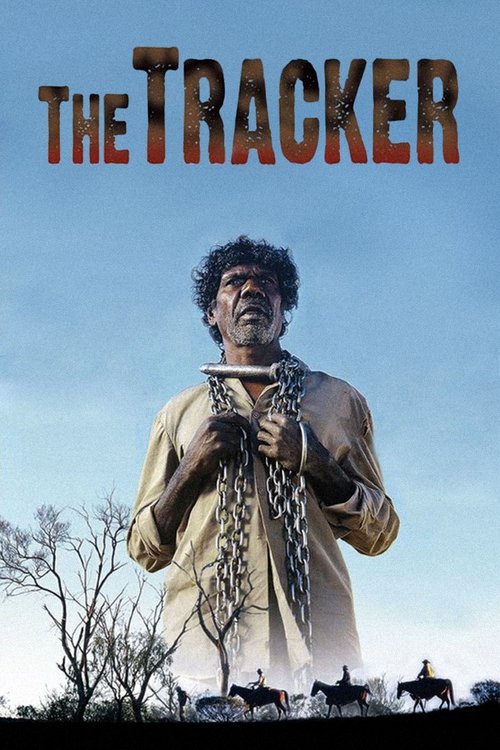
The Tracker2002
David Gulpilil at his most commanding, in a tense allegorical chase across the same Outback landscapes, from the same director who made Ten Canoes — proof this partnership produced more than one masterpiece.
But Grim and violent where Ten Canoes is playful; its moral fable is pointed and confrontational rather than gentle.
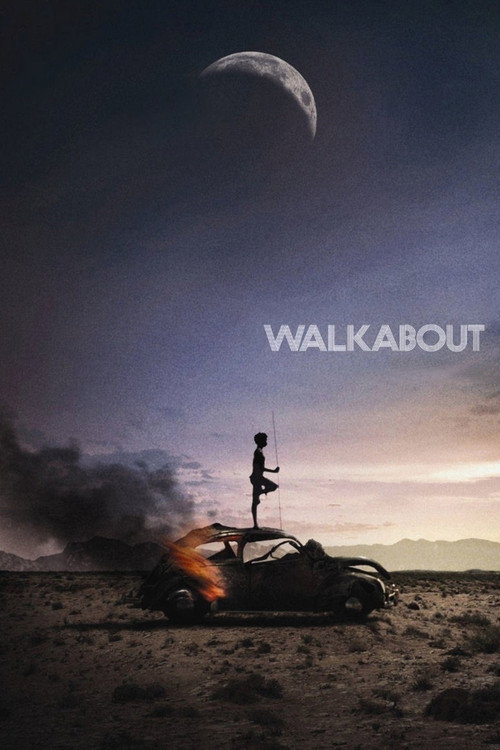
Walkabout1971
Gulpilil's astonishing screen debut, a hypnotic survival story about two stranded children guided through the desert by an Aboriginal boy, shot with the same reverence for landscape and ritual.
But Directed by an outsider, Nicolas Roeg, so its gaze on Aboriginal culture is more observational and exoticising than Ten Canoes' insider telling.
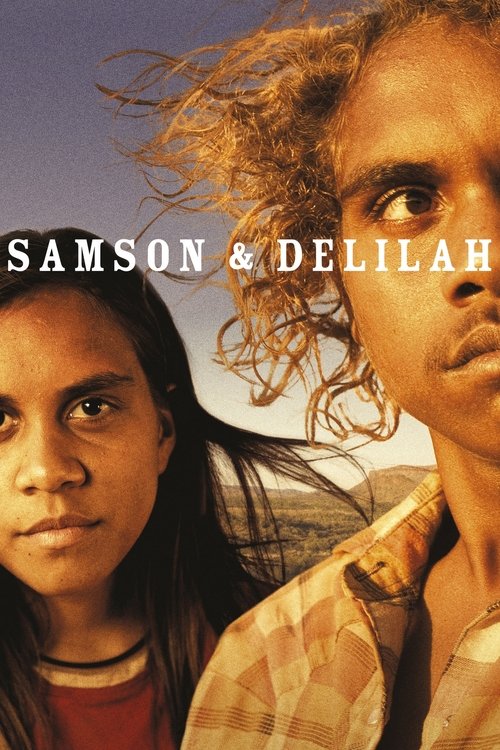
Samson and Delilah2009
A ferocious, tender portrait of contemporary Indigenous Australian life, made with the same unhurried patience and refusal to explain itself to outsiders.
But Set in the present day amid poverty and addiction, with none of Ten Canoes' warmth or comic distance.
Not sure tonight? Get a pick in a minute, starting from Ten Canoes
The wildcard
Something you would not have found on your own.
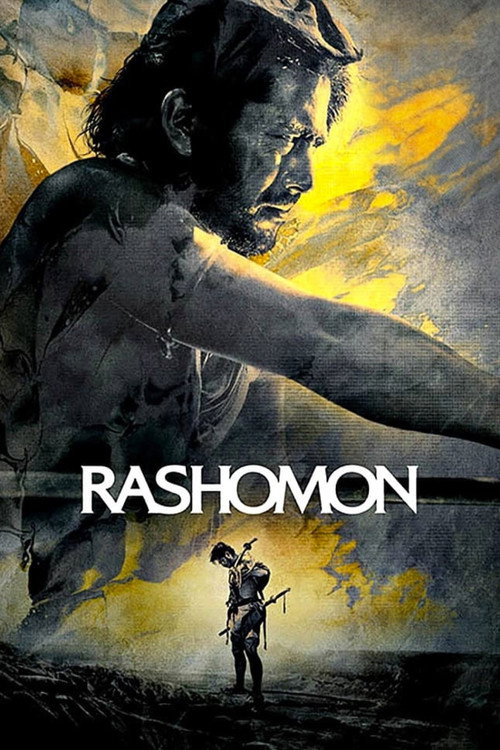
Rashomon1950
Both nest story inside story to test how truth and morality survive retelling — Ten Canoes with three layers of myth, Rashomon with four contradictory witnesses to one crime. Same structural gambit, wildly different genre.
Kurosawa's black-and-white classic invented the modern language of layered, unreliable storytelling — watch it to meet one of the great ancestors of Ten Canoes' nested tale-telling structure.
But A tense courtroom-style mystery about violence and shame, with none of Ten Canoes' comic warmth or communal ease.
More like this (8)
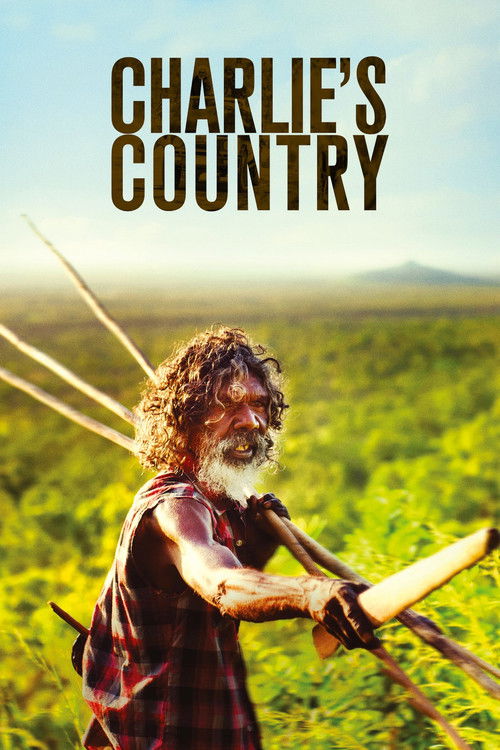
Charlie's Country2013
Gulpilil again, this time playing a man squeezed between tradition and modern bureaucracy — de Heer's later, sadder companion piece to their earlier collaborations.
But Bleaker and more personal; a eulogy for a way of life rather than a celebration of it.
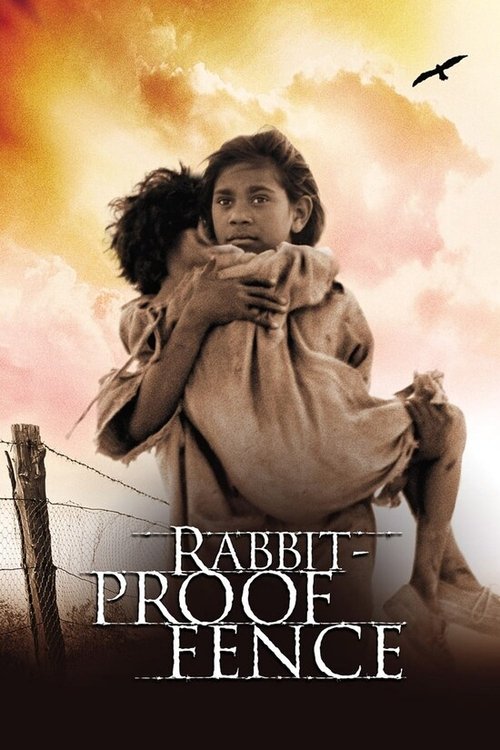
Rabbit-Proof Fence2002
Phillip Noyce's account of three Aboriginal girls escaping forced assimilation, gorgeous outback cinematography and another lesson in how differently history reads depending on who tells it.
But A conventional, emotionally direct drama that lacks Ten Canoes' playful narration and structural mischief.
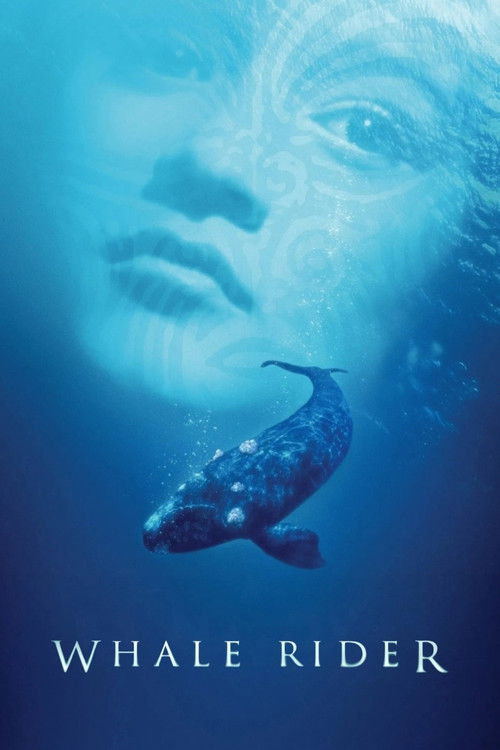
Whale Rider2003
A Maori coming-of-age myth that treats ancestral story and present-day life as continuous, much like Ten Canoes' nested tale-within-a-tale.
But More crowd-pleasing and sentimental, aimed squarely at a broad family audience.
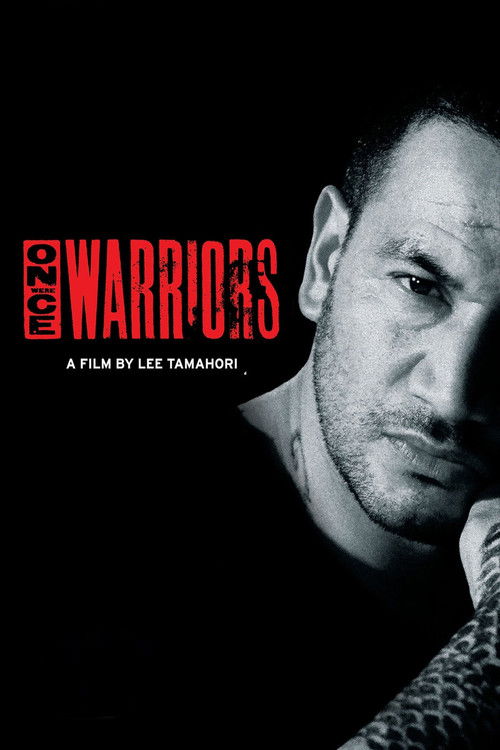
Once Were Warriors1994
A blistering look at what happens when tribal law and story get severed from a community — the flip side of the moral order Ten Canoes so carefully guards.
But Brutal and urban, with none of the humour or ceremony; a genuinely hard watch.
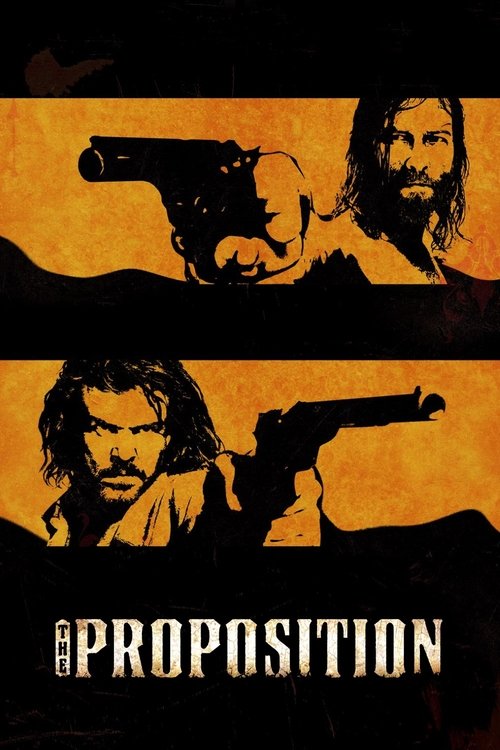
The Proposition2005
Another Australian outback story steeped in landscape and myth-making, but told from the colonial side of the frontier, with violence instead of comedy.
But A grim revisionist western more interested in white brutality than Indigenous life or law.
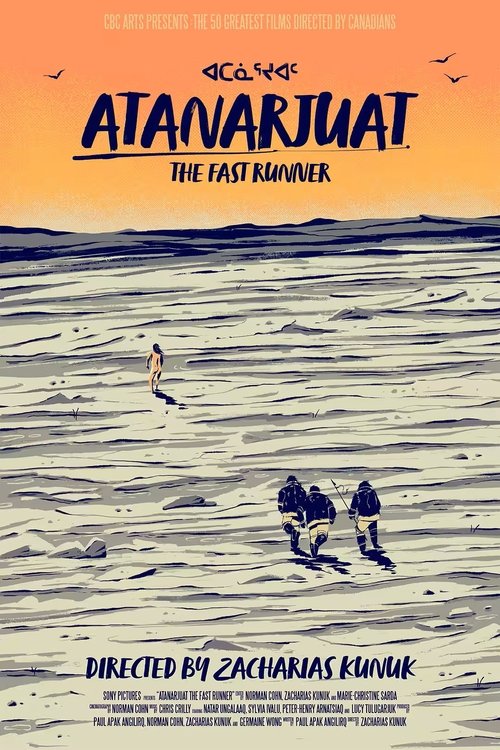
Atanarjuat: The Fast Runner2002
An Inuit legend told entirely in Inuktitut by a community re-enacting its own ancestors — almost exactly the project Ten Canoes undertakes, just set in ice instead of Arnhem Land wetlands.
But Longer and colder in tone, structured as a thriller-chase rather than a comic morality tale.
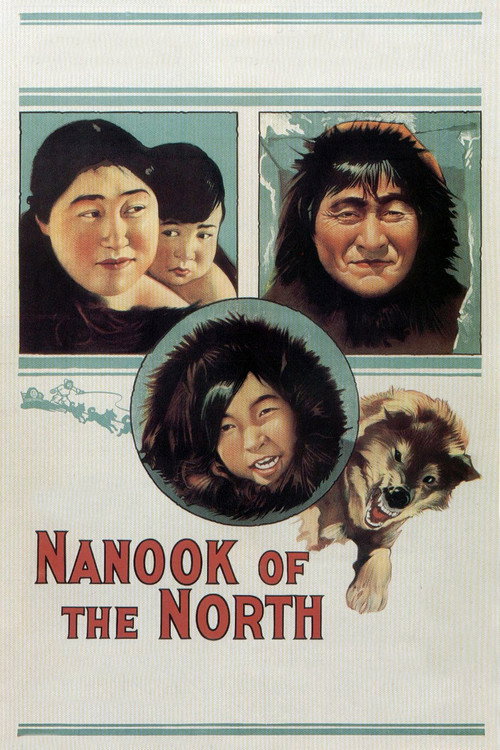
Nanook of the North1922
Ten Canoes' actors restage an old photograph of their own ancestors for the camera; Nanook's Inuit cast 'reenacted' their grandparents' life for Flaherty. Same impulse to perform authenticity, decades apart, with very different power balances.
The silent granddaddy of ethnofiction, staging Inuit life as spectacle and survival guide decades before 'based on a true story' became a genre tic.
But Silent, with no dialogue, and its ethics are genuinely murky — Flaherty staged scenes and passed them off as fact, without the community control Ten Canoes insisted on.
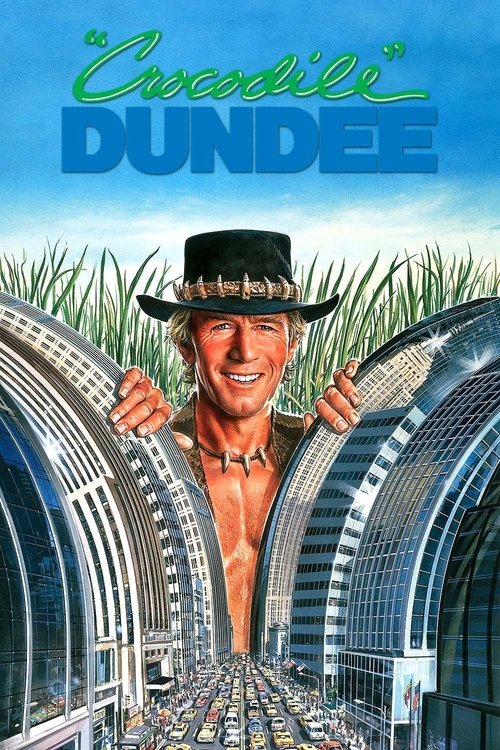
Crocodile Dundee1986
Same continent, same idea of an 'authentic guide' showing outsiders how things really are out here — but where Ten Canoes hands the storytelling to Yolŋu people themselves, this sells the landscape back to the world as a punchline and a postcard.
A broad, hugely enjoyable commercial comedy that shows exactly what mainstream cinema did with the Australian outback while Indigenous filmmakers were still fighting to tell their own version of it.
But Broad slapstick, dated gender politics, and Aboriginal culture reduced to set dressing — an uncomfortable watch next to Ten Canoes' insider perspective.
People
Cast
- Crusoe KurddalRidjimiraril
- Jamie GulpililDayindi / Yeeralparil
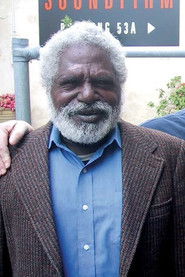 Richard BirrinbirrinBirrinbirrin
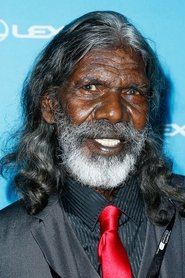 David GulpililThe Storyteller
- Peter Minygululu Minygululu
- Frances DjulibingNowalingu
- Sonia DjarrabalminymBanalandju
- Cassandra Malangarri BakerMunandjarra
- Philip GudthaykudthayThe Sorcerer
- Peter DjigirrCanoeist/The Victim/Warrior
- Michael DawuCanoeist/The Stranger
- Bobby BunungurrCanoeist/Uncle
Directing
- Peter DjigirrDirector
- Rolf de HeerDirector
Writing
- Rolf de HeerWriter
Production
- Belinda ScottAssociate Producer
- Nils Erik NielsenAssociate Producer
- Richard BirrinbirrinAssociate Producer
- Bryce MenziesExecutive Producer
- Domenico ProcacciExecutive Producer
- Sue MurrayExecutive Producer
- Julie RyanProducer
- Rolf de HeerProducer