
Film
The Tracker
- Revisionist western
- Crime
- Period drama
- Very dark
A tense, austere western set in early 20th-century Australian outback where an Aboriginal man accused of murder is hunted by three white settlers and an Indigenous tracker. Rolf de Heer's film strips away comfort to examine complicity, racism, and survival with unflinching clarity. It's demanding, deliberately paced, and ultimately shattering—for viewers willing to sit with moral vertigo.
Should you watch it?
Watch it if you are drawn to slow, spare Australian westerns where the landscape and silence do the talking, and you can sit with a story about colonial cruelty without needing it softened.
Skip it if you want momentum and clear heroes; this is a grim, deliberate film about moral rot, and its violence and bleakness may feel heavy rather than rewarding.
What it asks of you: Ninety minutes of patience: long stretches of tracking across dry country, quiet exchanges, and a steady, unhurried dread that builds rather than arrives in bursts.
Not sure? Find tonight's pick in a minute.
If you liked this
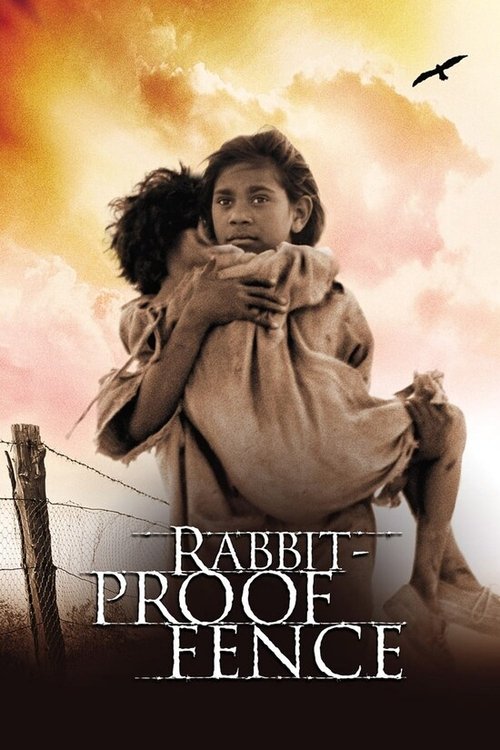
Rabbit-Proof Fence2002
Another Australian film examining the country's shameful treatment of Indigenous people. Phillip Noyce's story of girls escaping forced assimilation is more narratively propulsive than The Tracker, but shares the same moral weight and historical urgency.
But It can feel like a redemption narrative for white characters. Some viewers want the wound left open rather than dressed.
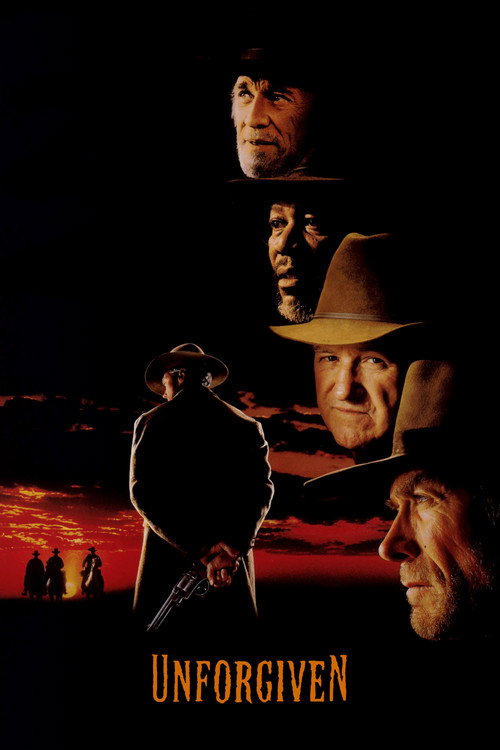
Unforgiven1992
Clint Eastwood's deconstruction of the western myth—violence, law, and masculinity stripped of their romance. Like The Tracker, it uses the form to interrogate rather than celebrate its own genre.
But Slow, grim, and the violence it depicts is treated as tragic rather than thrilling. Not the western you watch for excitement.
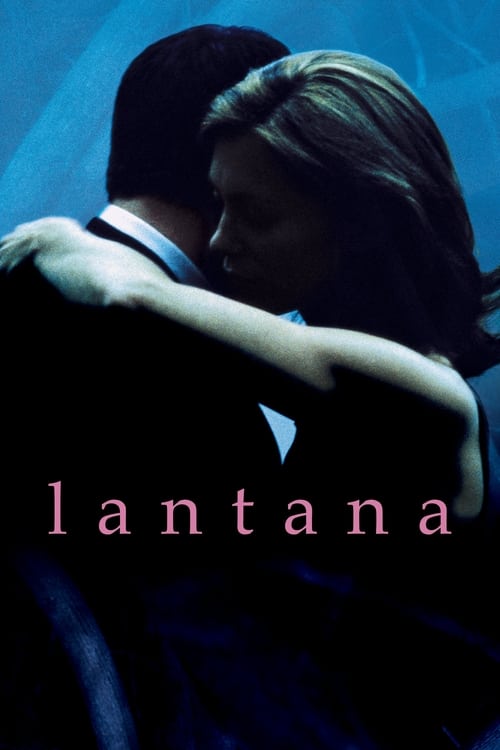
Lantana2001
Another Australian film of the same era about secrets, guilt, and how communities fail the vulnerable. Ray Lawrence's screenplay braids multiple lives together with devastating intelligence and dark humour.
But Ensemble structure means no single strong narrative spine. Some find it too baroque for its own themes.
Not sure tonight? Get a pick in a minute, starting from The Tracker
The wildcard
Something you would not have found on your own.
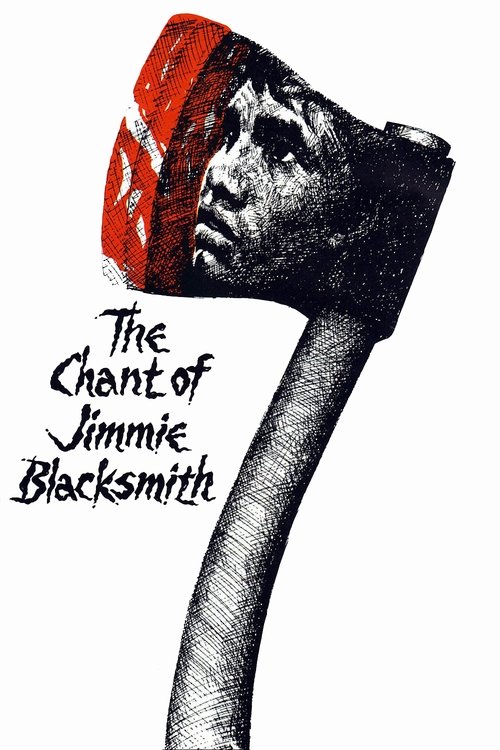
The Chant of Jimmie Blacksmith1978
Both films use the pursuit narrative as a frame for examining how colonial law weaponises itself against those it claims to protect. Both demand the viewer ask uncomfortable questions about whose story is being told.
Fred Schepisi's Australian masterpiece about a half-caste man driven to violence against the system that grinds him. It predates The Tracker by decades and uses genre—the revenge film—to ask the same questions about justice, complicity, and survival in a racist country.
But Violent and unflinching. Made in the 1970s, it has an aesthetic and pacing that younger viewers sometimes find dated. The ending offers no relief.
More like this (8)
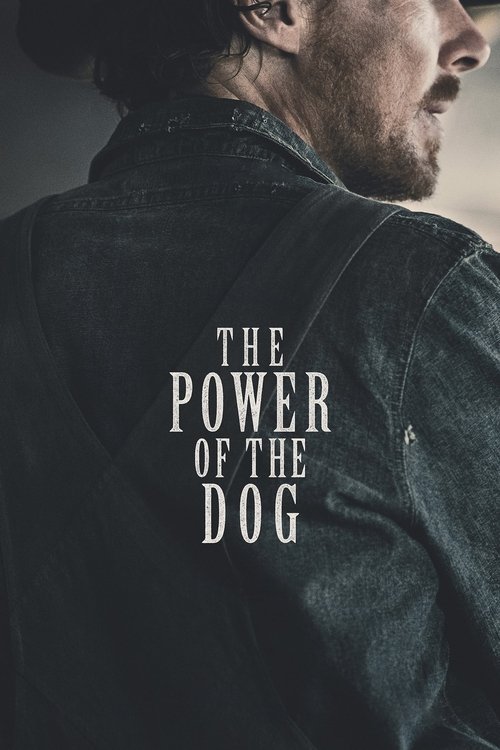
The Power of the Dog2021
Jane Campion's western is suffused with unspoken violence and psychological cruelty. It shares The Tracker's refusal to let viewers off easy, and its interest in masculinity as a weapon turned inward.
But Deliberately slow and coded. If you need everything stated plainly, you'll find it frustrating.
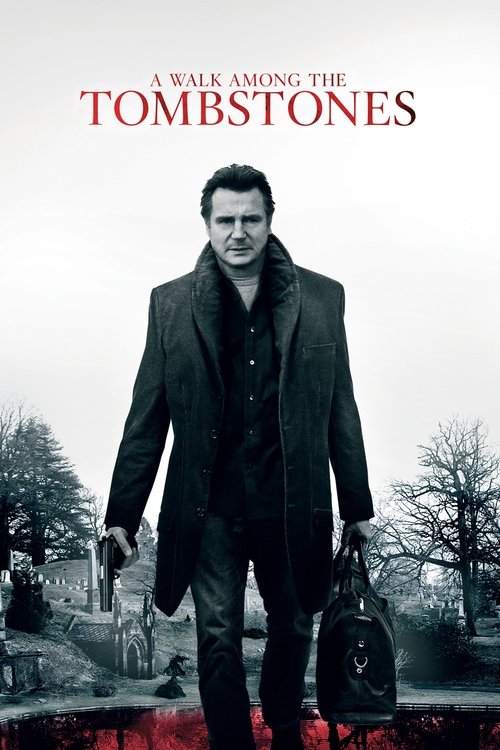
A Walk Among the Tombstones2014
Liam Neeson as a morally compromised investigator in a gritty procedural that cares about the margins of society and the people written off by law. Scott Frank directs with real gravity.
But Sombre and not particularly original in structure. It's about character and atmosphere rather than plot mechanics.
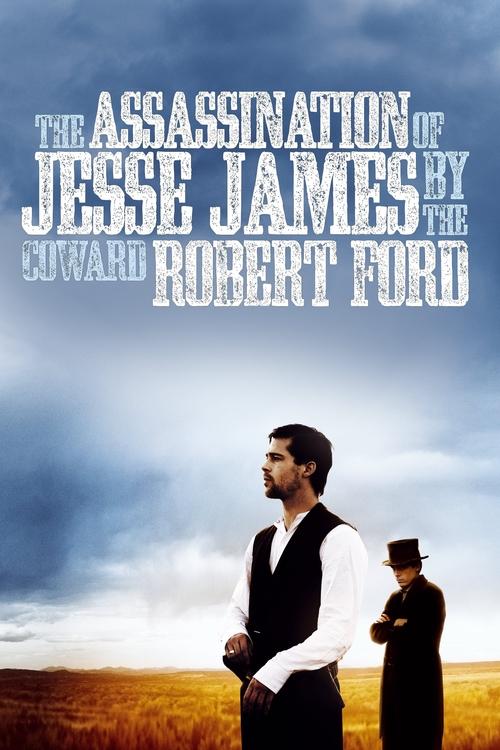
The Assassination of Jesse James by the Coward Robert Ford2007
Andrew Dominik's baroque, aching meditation on mythology, envy, and the men who live in the shadow of legends. It's a western unmade, obsessed with what's underneath the story.
But Visually gorgeous but narratively slack. The pacing will feel indulgent if you want a plot to drive you forward.
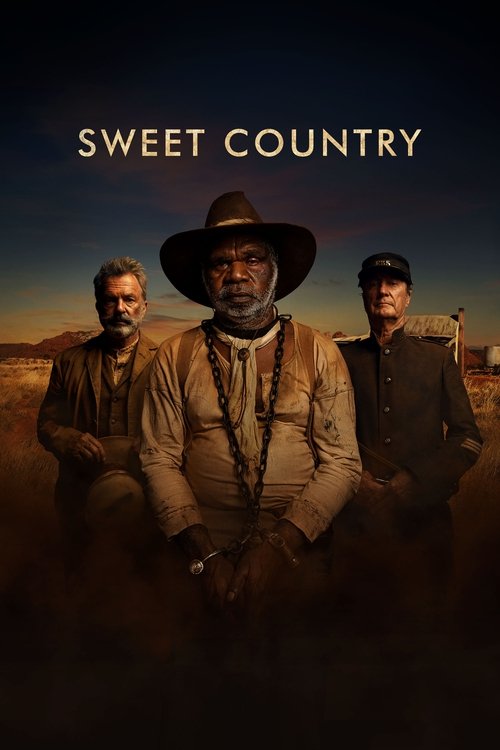
Sweet Country2018
Warwick Thornton's Western Australia-set drama about an Aboriginal station hand who kills a brutal white manager and flees. A deliberate, haunting film about resilience, family, and landscapes as both refuge and trap.
But Long, spare, and requires patience. The visual poetry won't compensate if you're looking for narrative momentum.
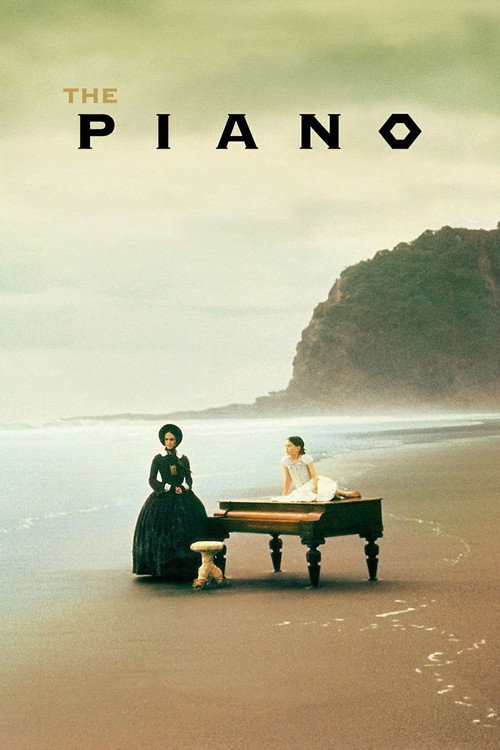
The Piano1993
Jane Campion's fever dream of colonial New Zealand. Ada's silent resistance through music mirrors The Tracker's attention to what people communicate when speech is dangerous. Visually extraordinary.
But Sensual and deliberately strange in tone. The erotic elements might feel at odds with its treatment of power and consent depending on your reading.
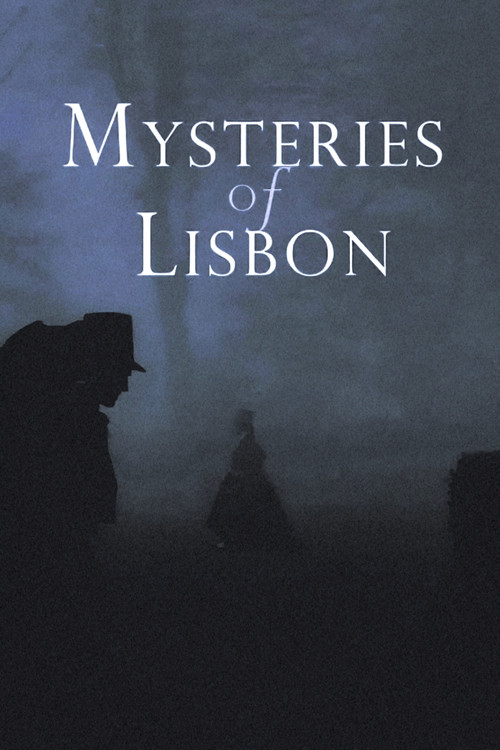
Mysteries of Lisbon2010
Raúl Ruiz's dense, digressive epic. Like The Tracker, it demands active watching and rewards it—layered characterisation and an unflinching eye on human corruption beneath polite society.
But At nearly six hours, only available in its full version for the committed. Baroque plotting will lose anyone seeking linear narrative.
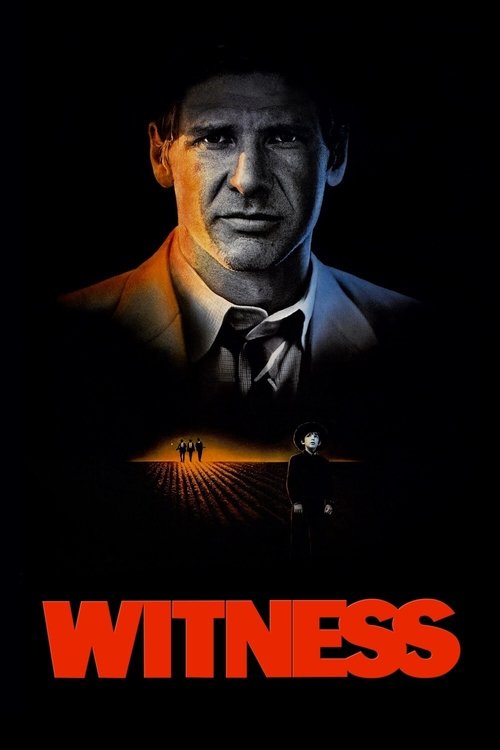
Witness1985
Both examine how communities protect their own against external law. Both feature a resourceful tracker/investigator who becomes morally implicated. Both ask whether survival is possible when worlds collide violently.
Peter Weir's thriller about a Philadelphia cop hiding in Amish country. On the surface, a genre exercise; underneath, a meditation on violence entering a separate world. Like The Tracker, it's about outsiders and the cost of refuge.
But It's a mainstream thriller with mainstream appeal—if you want pure art film severity, this feels compromised. Some of its violence is cinematically beautiful in ways that trouble its own themes.
The Act of Killing2012
Both examine the psychology of men who hunt other men under state sanction. Both refuse the viewer the comfort of moral distance. Both understand that the tracker—the man doing the hunting—is the true tragedy of the system.
Joshua Oppenheimer's documentary in which Indonesian death-squad leaders are asked to reenact their murders. It sounds impossible and it is, but it's a profound study of complicity, performance, and how perpetrators justify atrocity to themselves—the philosophy beneath The Tracker made explicit and unambiguous.
But It is difficult and disturbing. Watching killers celebrate their crimes is meant to hurt, and it does. Not a comfort watch by any measure.

People
Cast
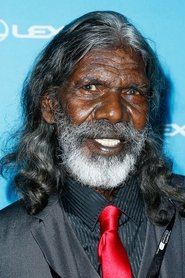 David GulpililThe Tracker
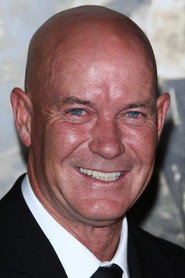 Gary SweetThe Fanatic
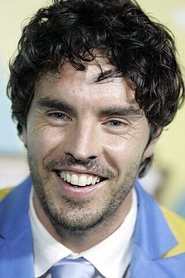 Damon GameauThe Follower
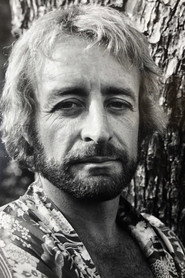 Grant PageThe Veteran
- Noel WiltonThe Fugutive
Directing
- Rolf de HeerDirector
Writing
- Rolf de HeerLyricist
- Rolf de HeerWriter
Production
- Bridget IkinExecutive Producer
- Domenico ProcacciExecutive Producer
- Nils Erik NielsenExecutive Producer
- Julie RyanProducer
- Rolf de HeerProducer
- Julie RyanProduction Manager
Recommended by
Walkabout, Behind Enemy Lines, Ten Canoes, Rabbit-Proof Fence