
Film
Rabbit-Proof Fence
A quiet, devastating pursuit film built from a true atrocity: three Aboriginal girls, torn from their mothers under Australia's assimilation policy, walk 1,500 miles home across the outback while a government tracker and a bureaucrat hunt them. Phillip Noyce tells it with almost no sentimentality — just landscape, endurance, and Peter Gabriel's score doing the aching. Best for anyone who wants history felt in the legs, not explained in a lecture.
If you liked this
Sweet Country2018no page yet
Another Australian outback story built on real injustice — this time a western where an Aboriginal stockman flees after killing in self-defence. Same sun-scorched moral clarity, same refusal to soften the history.
But Slower and more meditative than a chase film; if you wanted momentum, this trades it for stillness and dread.
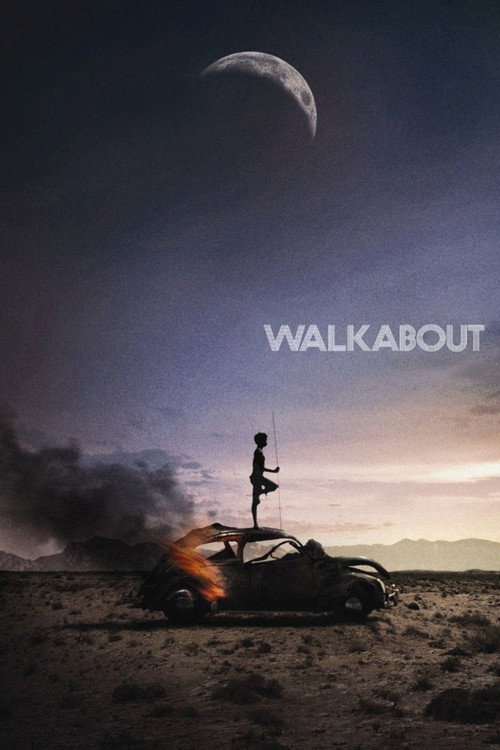
Walkabout1971
Nicolas Roeg's hallucinatory classic sends two stranded white children across the same unforgiving desert, guided by an Aboriginal boy. It's the outback-as-crucible idea from a wildly different angle — sensual, strange, unforgettable.
But Art-house pacing and some now-uncomfortable colonial framing; it's more mood poem than narrative.
The Tracker2002no page yet
David Gulpilil again, this time as the title character, in a bleak, stylised story of a police posse hunting an Aboriginal man through the same country. Songs interrupt the violence like Greek chorus.
But Deliberately theatrical device (musical interludes over brutal scenes) won't work for everyone.
The wildcard
Something you would not have found on your own.
First Australians2008no page yet
It's the nonfiction skeleton underneath the drama: the actual policy, voices of actual survivors, and the bureaucratic logic that built the fence the girls walked beside.
A seven-part documentary series telling 200 years of Aboriginal history through survivor and descendant testimony, including the Stolen Generations policy dramatised in the film. It's the true record behind the story.
But Dense and information-heavy — this is education, not entertainment, and asks for real attention.
More like this (8)
Samson and Delilah2009no page yet
A contemporary companion piece — two Aboriginal teenagers adrift in remote Australia, told with barely any dialogue and enormous tenderness. Shows the long shadow the history in Rabbit-Proof Fence still casts.
But Unflinching about addiction and poverty; it offers little narrative comfort.
Lion2016no page yet
A different continent, same ache: a lost Indian boy grows up separated from his family and eventually treks back toward home. If the pull of that final walk got you, this scratches the same nerve.
But Leans harder into tearjerker instincts and a starrier, more conventional structure.
Charlie's Country2013no page yet
David Gulpilil's late, extraordinary performance as an Aboriginal elder pushed out by bureaucracy and modern life — a bookend to the systems that hunted the girls decades earlier.
But Quiet and plotless by design; it's a character study, not an adventure.
The Chant of Jimmie Blacksmith1978no page yet
An earlier, angrier Australian film about racism's machinery, following a mixed-race man crushed by the same colonial system, spiralling into violence. Raw, furious, essential context.
But Dated in places and considerably harsher — this is not a film about endurance but breakdown.
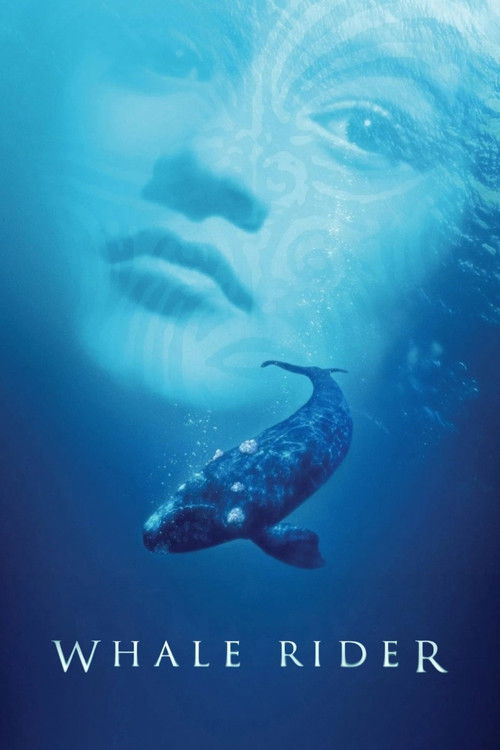
Whale Rider2003
Swap Aboriginal Australia for Māori New Zealand and you get another young girl defying tradition and authority to claim her place. Warmer and more hopeful than Rabbit-Proof Fence, but kin in spirit.
But Its uplift is more crowd-pleasing; don't expect the same weight of historical horror.
Ten Canoes2006no page yet
The first Australian film made entirely in Aboriginal languages, told by an all-Indigenous cast in their own storytelling voice rather than through a colonial lens. A vital counterpoint.
But Structurally unusual — nested stories, wry narration — and demands patience with an unfamiliar rhythm.
The Search1948no page yet
Same architecture decades earlier — a child severed from family by an official system, walking through hostile territory toward home, filmed with restraint rather than melodrama.
Fred Zinnemann's postwar drama follows a displaced boy wandering ruined Europe, separated from his mother by forces far beyond him, slowly making his way back. A quiet, humane precursor to this kind of story.
But Black-and-white, deliberately paced, and rooted in a very different, very institutional kind of grief.
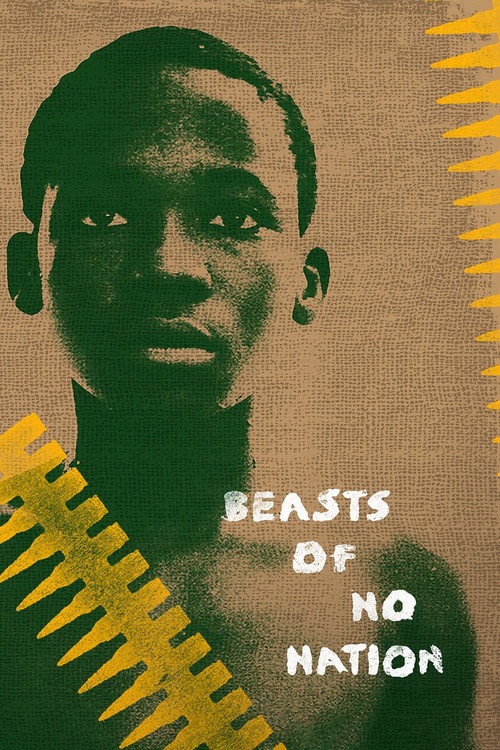
Beasts of No Nation2015
Trades the bureaucratic cruelty of assimilation policy for outright war, showing what the same machinery of removal looks like when it turns openly violent instead of paternalistic.
A child soldier's forced march through West African civil war — the same engine of a state apparatus tearing a child from home and marching them through wilderness, pushed to its most violent extreme.
But Far more brutal and graphic; this is the nightmare version of the same idea, not a gentle companion piece.
People
Cast
- Everlyn SampiMolly Craig
- Tianna SansburyDaisy Craig Kadibill
- Laura MonaghanGracie Fields
 David GulpililMoodoo
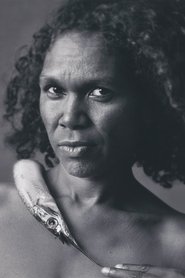 Ningali LawfordMaud - Molly's Mother
- Myarn LawfordMolly's Grandmother
 Deborah MailmanMavis
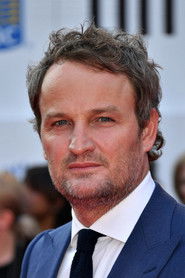 Jason ClarkeConstable Riggs
 Kenneth BranaghA. O. Neville
 Natasha WanganeenNina, Dormitory Boss
 Garry McDonaldMr. Neal at Moore River
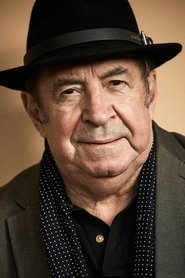 Roy BillingPolice Inspector
Directing
- Ross FargherAssistant Director
- Phillip NoyceDirector
- Emma SchofieldFirst Assistant Director
- Deborah AntoniouSecond Assistant Director
- Ian JonesSecond Unit Director
Writing
- Doris PilkingtonNovel
- Christine OlsenScreenplay
Production
- Laura BurrowsAssociate Producer
- Christine KingCasting
- Emile ShermanCo-Executive Producer
- Jonathan ShteinmanCo-Executive Producer
- David ElfickExecutive Producer
- Jeremy ThomasExecutive Producer
- Kathleen McLaughlinExecutive Producer
- Christine OlsenProducer
- John WinterProducer
- Phillip NoyceProducer
Recommended by
Smoke Signals, Whale Rider, Cargo, Walkabout, Powwow Highway, Black Robe