
Film
One Night the Moon
A spare, haunting Australian film about a girl lost in the outback in 1932, told through music and landscape as much as dialogue. Structured as a mystery that gradually reveals itself as something deeper: a story about faith, blame, and the distances between people. It's meditative and devastating, building its power from restraint.
If you liked this
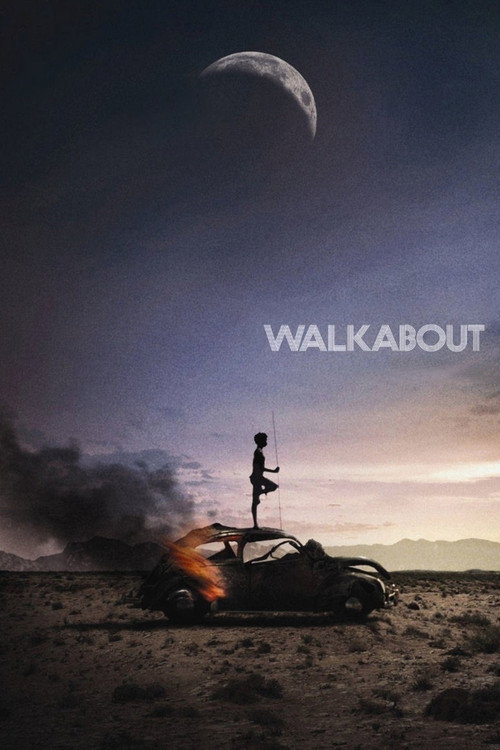
Walkabout1971
Nicolas Roeg's masterpiece about two lost children in the Australian desert. Like *One Night the Moon*, it uses landscape as a character and finds profound meaning in minimal dialogue and visual storytelling.
But It moves slowly and deliberately. If you need constant plot momentum, the long stretches of silence and imagery will feel like nothing is happening.
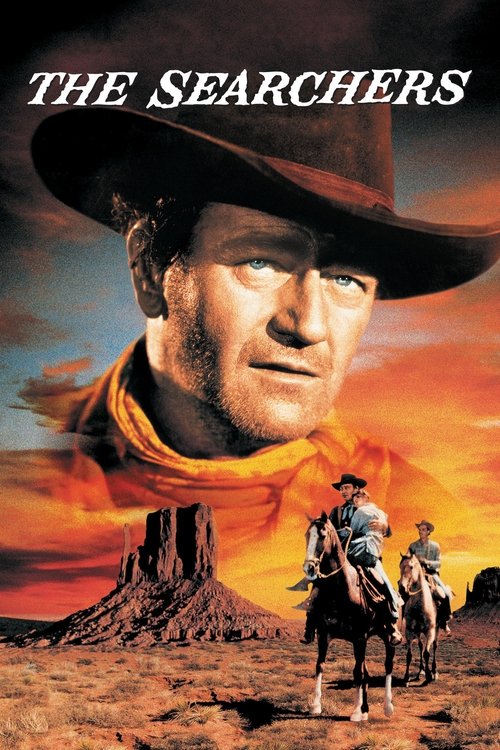
The Searchers1956
Ford's epic about obsession and searching for a missing person in hostile terrain. Both films use the landscape to externalize internal desperation and moral complexity in ways dialogue never could.
But Nearly three and a half hours, and the gender politics are of its era in ways that can be difficult to watch, even when the film is aware of them.
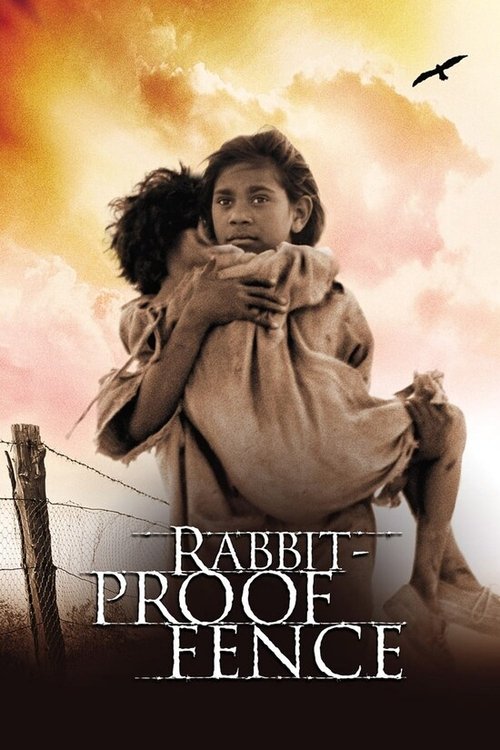
Rabbit-Proof Fence2002
Another Australian story of missing children and injustice, built on a real historical tragedy. Both films treat their landscapes and their stories with the same kind of quiet, devastating respect.
But The systemic cruelty at its heart is hard to sit with. It's not exploitative, but it doesn't look away, either.
Not sure tonight? Get a pick in a minute, starting from One Night the Moon
The wildcard
Something you would not have found on your own.
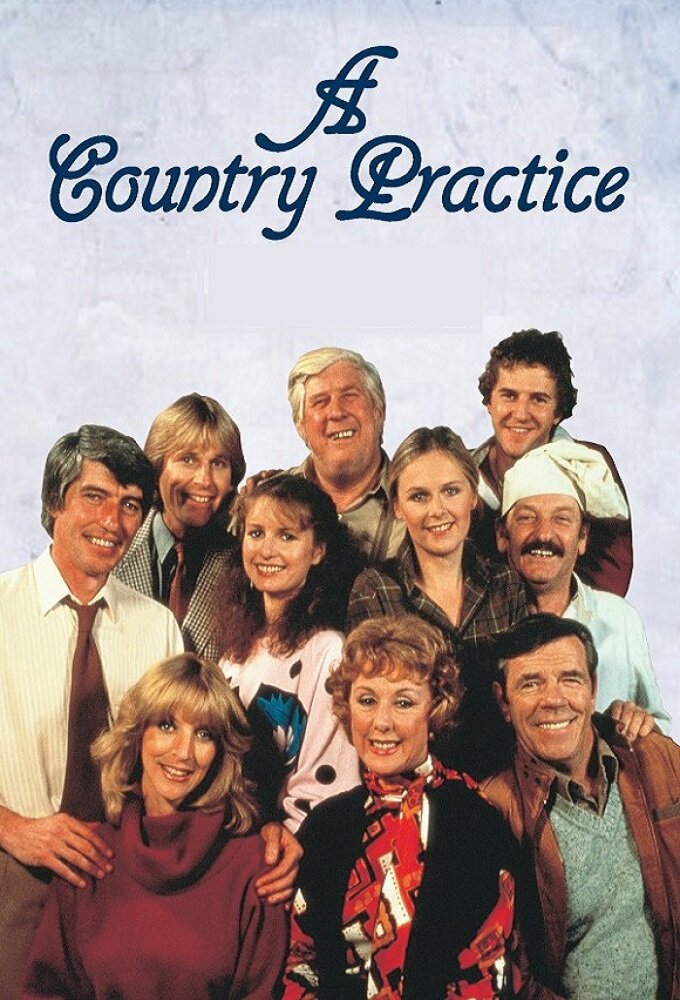
A Country Practice1981
Both are Australian stories about the gap between official authority and lived reality in remote communities, and both use that gap to explore deeper questions about justice and belonging.
An Australian rural medical drama that became a cultural institution. It's the opposite genre—soap opera rather than art film—but it shares *One Night the Moon*'s deep investment in outback Australian life, community, and the moral questions that arise when modern systems fail traditional ones.
But It's a soap, which means it can be melodramatic. Watching it properly means committing to many seasons, not just a film's worth of time.
More like this (8)
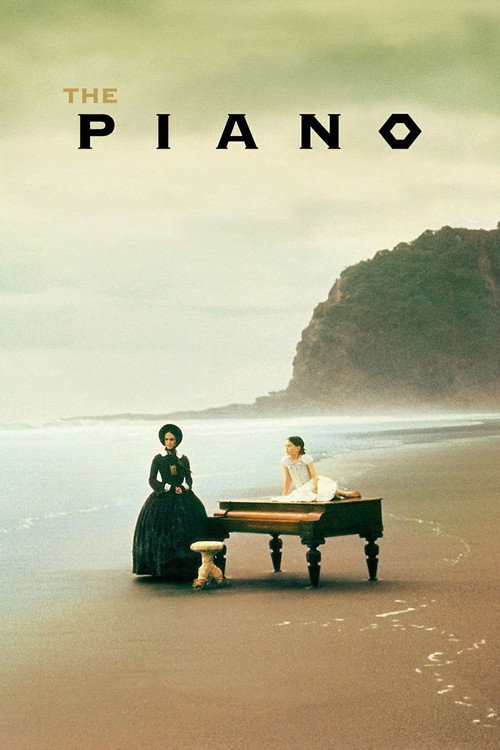
The Piano1993
Jane Campion's film about a mute woman in colonial New Zealand, where music becomes the language of desire and resistance. Like *One Night the Moon*, it finds profound communication in what words can't say.
But It's sexually explicit in ways that serve the story but will surprise you. The colonial setting and power dynamics are deliberately uncomfortable.
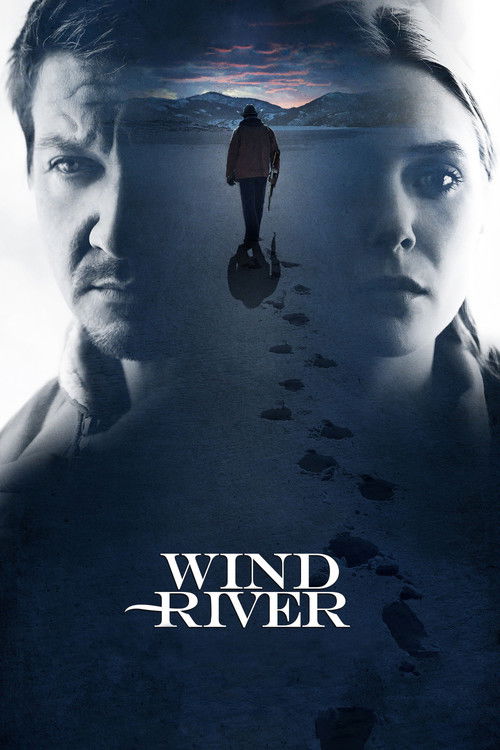
Wind River2017
A mystery about a missing Indigenous woman on a reservation. It has the same structure of searching and gradual revelation, and the same commitment to letting landscape and silence carry meaning.
But It's contemporary and more conventionally plotted than *One Night the Moon*, which some will find less poetic but others more gripping.
The Ballad of Little Jo1993
A quiet Western about a woman surviving alone on the frontier, built around questions of identity and survival. It shares the same sparse aesthetic and the same interest in how landscape shapes human lives.
But It's deliberately understated to the point where some viewers find it slow. The ending divides people sharply.

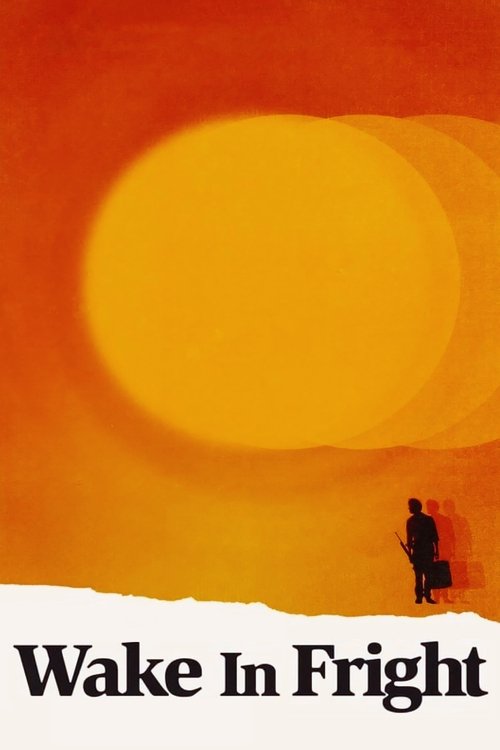
Wake in Fright1971
An Australian nightmare about a man trapped in a small outback town. It's visceral where *One Night the Moon* is meditative, but both films use the Australian landscape as a place where normal rules break down.
But It's brutal and nasty in ways that feel almost slasher-adjacent. The animal violence is real and difficult.
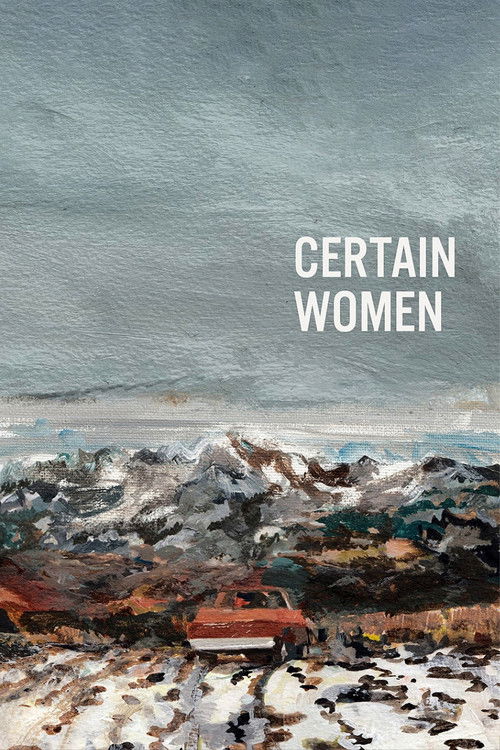
Certain Women2016
Kelly Reichardt's portrait of three women's lives in Montana, told in fragments and silences. Both films trust landscape and quiet to do the emotional work, and both are about the distances between people.
But Nothing happens in any conventional sense. If you watch it looking for plot, you'll be frustrated.
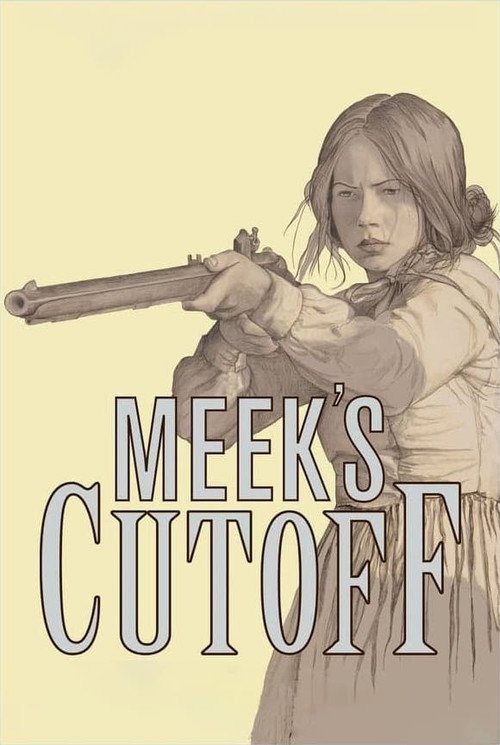
Meek's Cutoff2011
Another Reichardt film about pioneers lost in the Oregon desert, shot in square frame. It has the same commitment to landscape, silence, and the mystery of what people don't understand or can't say to each other.
But It's austere to the point of austerity. The square framing and the refusal of conventional answers will feel limiting if you want clarity.
Requiem for a Dream2000
Both films understand that grief and trauma aren't solved by plot—they're lived with. Both use cinematic technique (music, editing, landscape) to put you inside a psychological state rather than watching from outside.
Aronofsky's devastating film about addiction, told through montage, music, and sound design. It has nothing to do with the outback or missing persons, but it shares *One Night the Moon*'s willingness to use music, repetition, and visual abstraction to create a physical sensation of despair and loss.
But It's extremely dark and uses its soundtrack and editing to create a specific kind of psychological distress. Some people find it unwatchable.

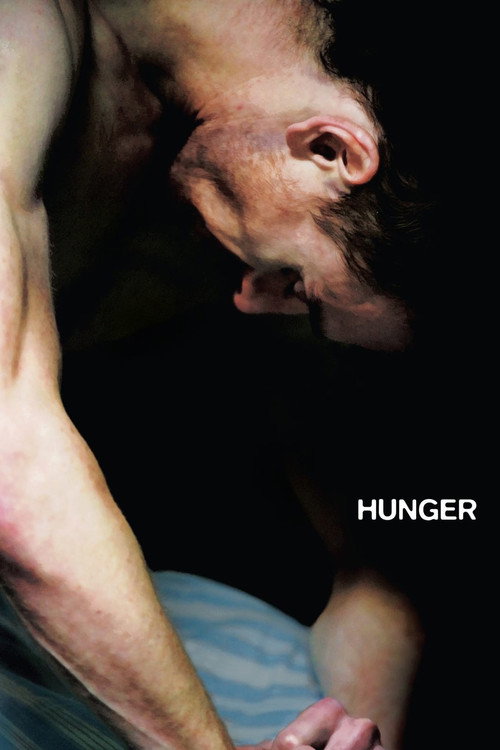
Hunger2008
Both films trust their audience to sit with pain without explanation or catharsis. Both use cinematic restraint and long takes to make you feel the weight of what you're watching, rather than telling you how to feel about it.
Steve McQueen's film about Bobby Sands' prison protest. It's a completely different world—Irish politics, maximum security, modern era—but it shares *One Night the Moon*'s refusal to dramatize or sentimentalize human suffering. Long stretches of silence and minimal dialogue build to unbearable tension.
But It's extremely bleak and ends in death. The final hour is almost unbearably slow. It will exhaust you.
People
Cast
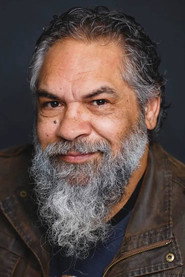 Kelton PellAlbert Yang
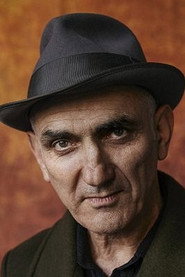 Paul KellyJim Ryan
 Kaarin FairfaxRose Ryan
- Ruby HunterAlbert's Wife
- Memphis KellyEmily Ryan
- Chris HaywoodSergeant
 David FieldAllman
- Debra McKenzieAlbert's Daughter
- Beck ColeWomen's Helper
- Karina TurnerWomen's Helper
- John Stuart-JamesPriest (as Father John Stuart-James)
- Letisha McKenzieAlbert's Family
Directing
- Rachel PerkinsDirector