
Television series
First Australians
- Western
- Very dark
First Australians tells the story of European colonisation through Indigenous eyes, tracing how the world's oldest continuous culture collided with imperial expansion. Narrated by Rachel Perkins, it's a reframing rather than a retelling—unflinching about dispossession, frontier violence, and survival. Essential viewing for understanding Australian history on its own terms.
Should you watch it?
Watch it if you want history told from the inside, where the colonial story is pieced together from Indigenous voices, archives and place, and you're happy to sit with a slow, weighty documentary built on evidence rather than spectacle.
Skip it if you came for a brisk, easy overview; at seven episodes of roughly fifty minutes each, with dense archival detail and grief-heavy subject matter, it asks for patience and emotional stamina.
What it asks of you: Seven long hour-ish chapters, unhurried and heavy in tone, with little comic relief. Expect to give it whole evenings rather than background attention.
Not sure? Find tonight's pick in a minute.
If you liked this
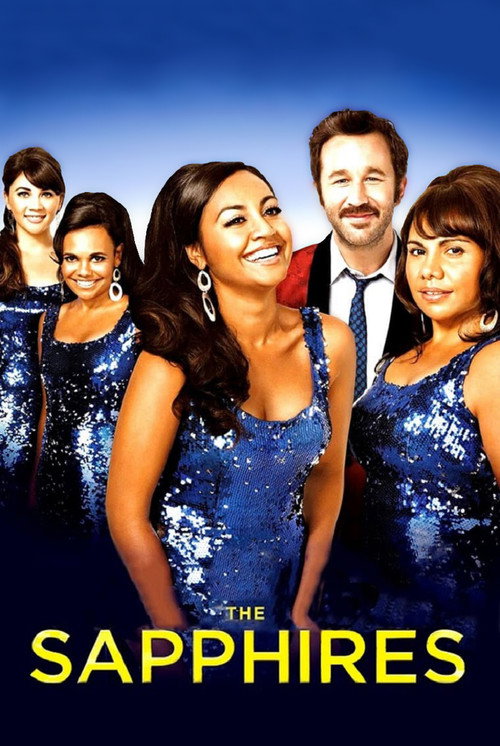
The Sapphires2012
A joyful, furious film about an Indigenous girl group who served in Vietnam. It's about agency, survival and refusing to be erased, delivered with genuine warmth and brilliant performances from an all-Indigenous cast.
But Its uplifting tone might feel at odds with the weight of the historical moment it depicts, if you're in a mood for something darker.
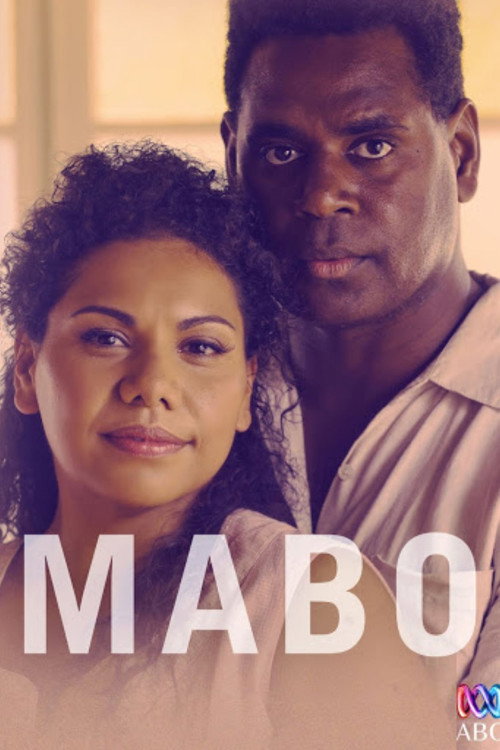
Mabo2012
A visceral dramatisation of the legal fight that overturned terra nullius and gave Indigenous Australians native title rights. It's angry, urgent filmmaking about a man who refused to accept an unjust law.
But It's courtroom-heavy in places and assumes you care about the constitutional stakes—not everyone does, even when they should.
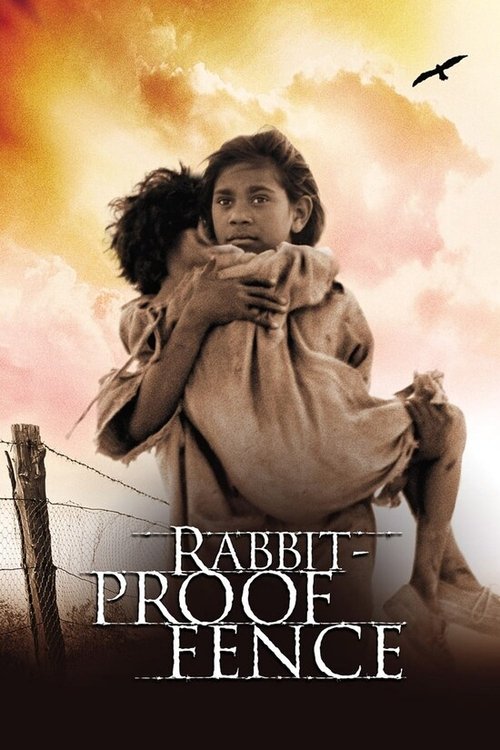
Rabbit-Proof Fence2002
Phillip Noyce's account of the stolen generations, following three girls who walk home across the Outback. It's visually stunning and morally clear-eyed about institutional cruelty without exploiting the pain.
But The subject matter—child removal and forced assimilation—is genuinely traumatic. It's a difficult watch by design.
Not sure tonight? Get a pick in a minute, starting from First Australians
The wildcard
Something you would not have found on your own.
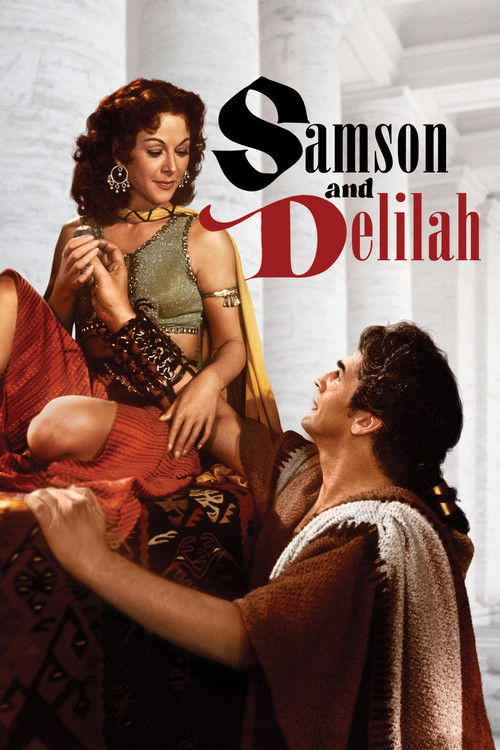
Samson and Delilah1949
Where First Australians documents historical dispossession, Samson & Delilah embeds you in its ongoing consequences—showing rather than explaining the inheritance of trauma.
A stunning feature shot in the Western Desert by Warwick Thornton, following two Indigenous teenagers in an outback town. It's sensory, fragmented and devastating—a portrait of contemporary poverty and love with no condescension.
But It's experimental in structure and deliberately difficult to parse. The bleakness is profound and unresolved, which some will find unbearable rather than cathartic.
More like this (5)
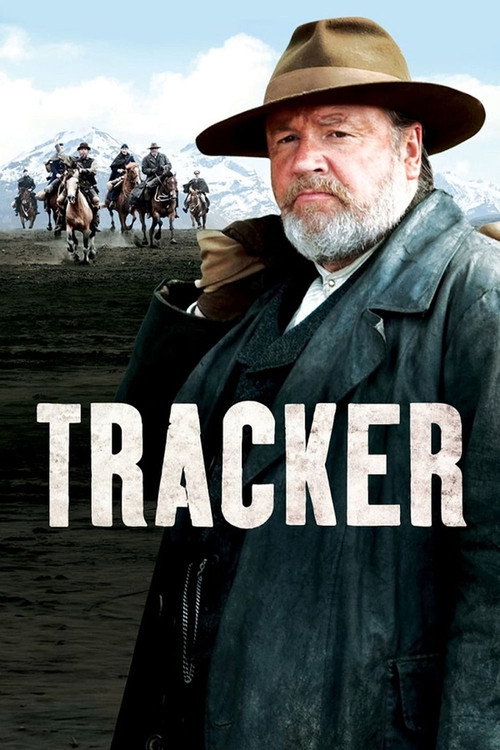
Tracker2010
A revenge western set during the frontier wars, where an Aboriginal tracker hunts the white soldier who committed atrocities. It inverts the genre's usual power dynamics with style and unflinching moral clarity.
But Some may find its violence gratuitous, and the genre conventions can feel at odds with the historical tragedy it's addressing.
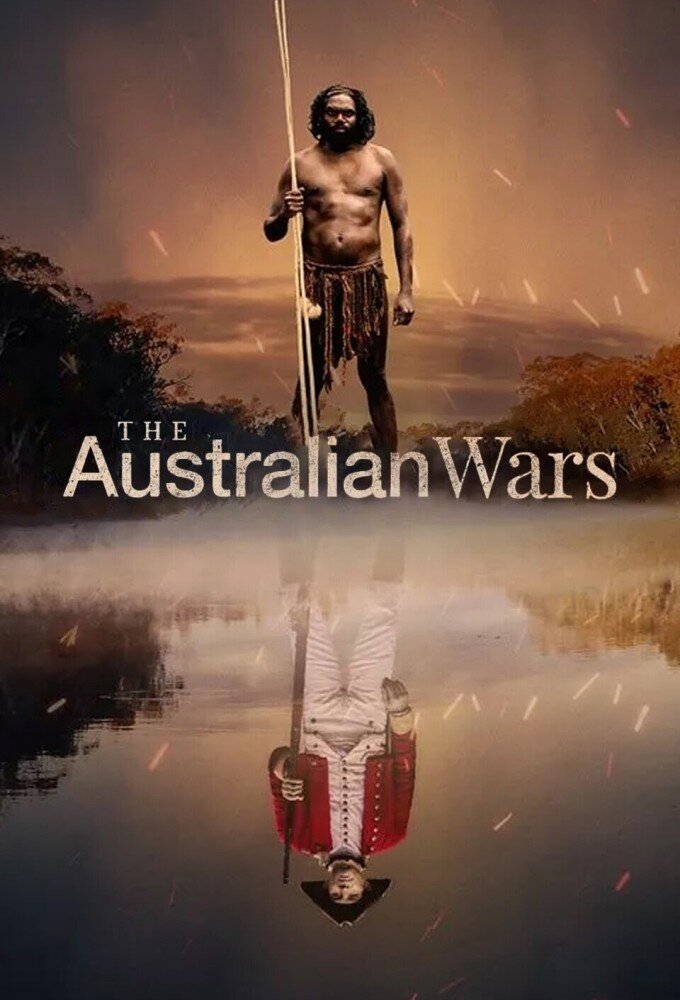
The Australian Wars2022
A comprehensive documentary series examining the frontier conflicts that shaped the nation. It combines archival material, Indigenous testimony and expert analysis to build a complete picture of dispossession.
But It's detailed and academic in approach, which suits the subject but can feel dry if you prefer narrative-driven storytelling.
Shadow2011
An intimate drama about an Aboriginal family navigating contemporary grief and dysfunction. It's about how historical trauma echoes through bloodlines and relationships, told with real emotional intelligence.
But It's slow and introspective, more interested in emotional truth than plot momentum. Some will find it too observational.
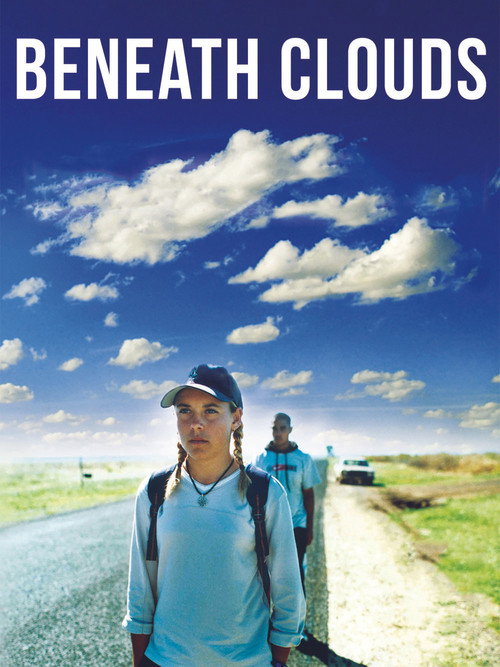
Beneath Clouds2002
A road movie about two teenagers—one Indigenous, one Anglo—travelling together across rural Australia. It's about connection across difference, and about what it means to belong nowhere.
But The minimalist style means it can feel elusive, and some viewers find it frustratingly unclear about what it's ultimately saying.
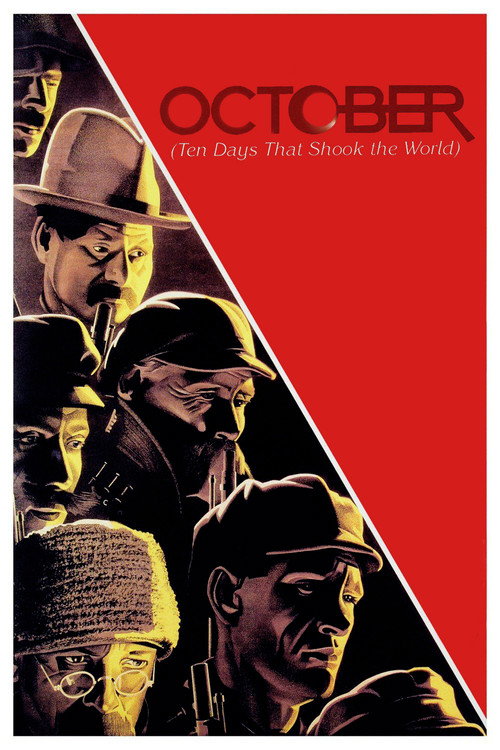
October (Ten Days that Shook the World)1928
Both are re-tellings of colonisation and revolution from the perspective of the dispossessed, using innovative documentary technique to make official history audible for the first time. Both trust their audience to think.
Sergei Eisenstein's revolutionary montage film about the Bolshevik uprising. It's formally radical and politically urgent—a total reinvention of how documentary can make you *feel* historical truth rather than just know it.
But Silent Soviet cinema demands active viewing; the editing is disorienting by design and the aesthetic is completely foreign to modern documentary. It's demanding formally and politically.
People
Cast
 Rachel PerkinsNarrator