
Film
Jedda
Australia's first colour film and a rare 1950s account of Aboriginal life told through an Indigenous lead. Jedda traces a young woman caught between her adoptive white family and the ancestral pull of her people, across stunning desert landscapes. It's a complex, sometimes conflicted film—visually gorgeous and ethnographically curious, but made and framed by outsiders. Worth watching for its ambition and its archive value, and for Rosalie Kunoth-Monks' luminous presence.
If you liked this
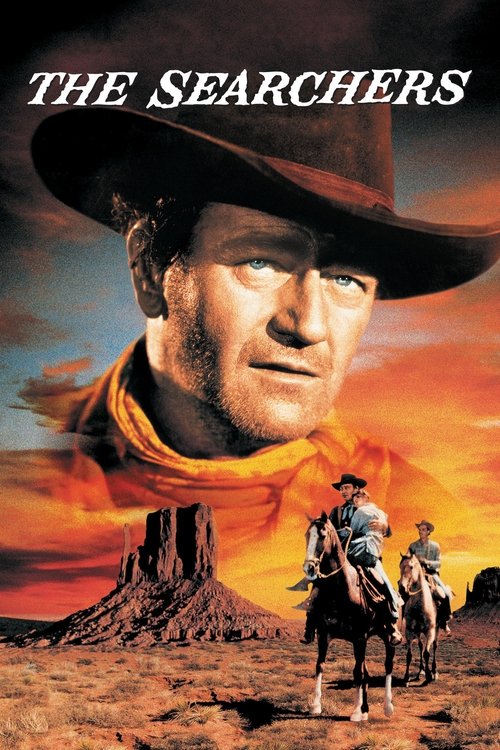
The Searchers1956
Monument of Western cinema that similarly grapples with race, belonging, and the desert. John Ford's moral complexity—his willingness to show both beauty and ugliness—makes this essential viewing for anyone interested in how cinema has portrayed Indigenous peoples.
But It's three hours, and Ford's vision of the West, while critical, is still filtered through a white American perspective. Pacing is deliberate.
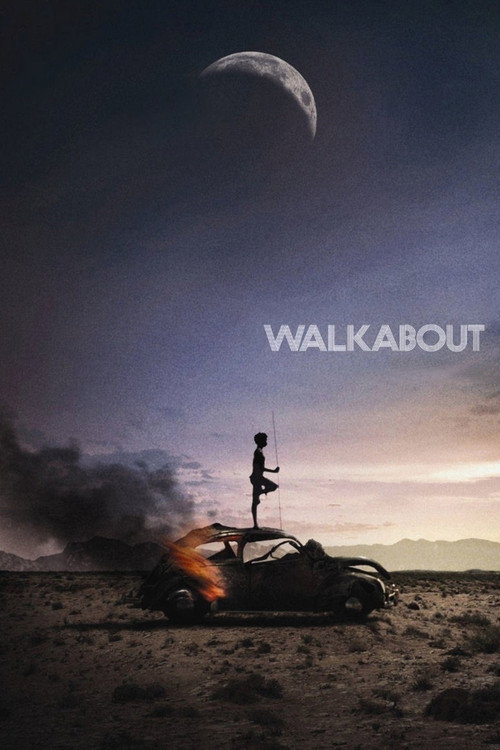
Walkabout1971
Nicolas Roeg's masterpiece uses the walkabout concept—the same spiritual journey that animates Jedda—as the skeleton for a film about connection and disconnection. Visual storytelling at its most sophisticated, with a young Aboriginal boy as spiritual centre.
But It's deeply strange and unsettling by design. Not reassuring. Some viewers find it slow or impenetrable.
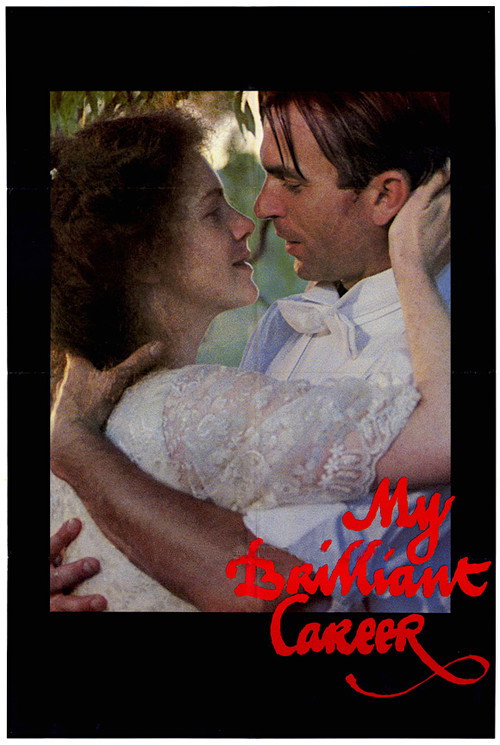
My Brilliant Career1979
Another Australian classic about a young woman forging her own path against family and social expectation. Gillian Armstrong's direction is assured, and Judy Davis is magnetic. It shares Jedda's interest in female agency and landscape as character.
But The feminist coming-of-age template has been done many times since. If you've seen several films in this vein, it may feel familiar.
Not sure tonight? Get a pick in a minute, starting from Jedda
The wildcard
Something you would not have found on your own.
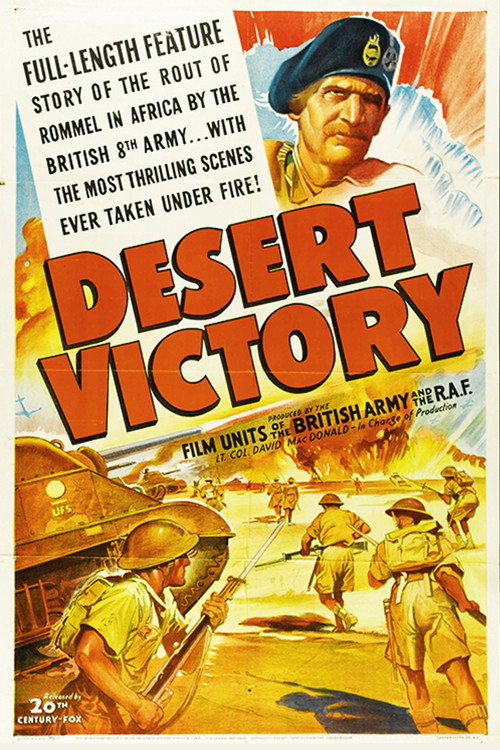
Desert Victory1943
Both are films built around colour cinematography as a novel event. Jedda's visual splendour is part of its argument.
A wartime documentary about the North African campaign, but what matters is that it's a colour film from the early 1940s capturing real desert landscape. Watch it to understand what colour cinematography looked like when Jedda was being made—the technical ambition becomes clearer.
But It's a propaganda film and it's about warfare, not story. If you're not interested in cinema history or military documentaries, it's a dry watch.
More like this (8)
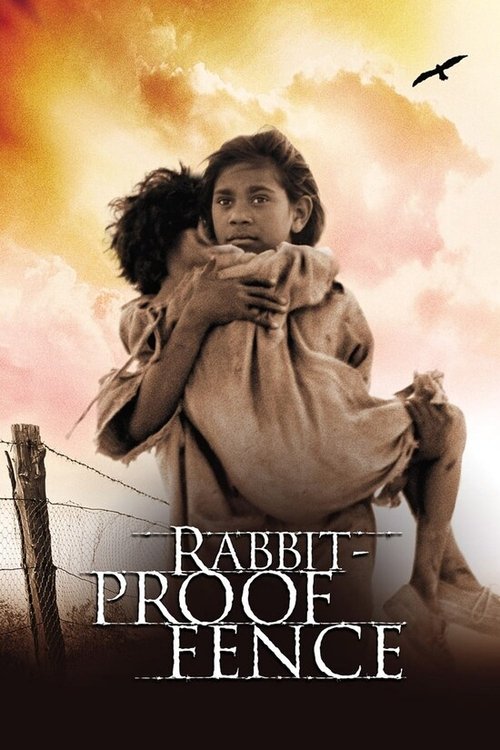
Rabbit-Proof Fence2002
A direct spiritual successor to Jedda: three Aboriginal girls removed from their families, learning to navigate between two worlds. Phillip Noyce directs with clarity and restraint. This time, the story is told with Aboriginal voices at its centre.
But It depicts real historical harm to children. The subject matter is heavy, and the film doesn't soften it.
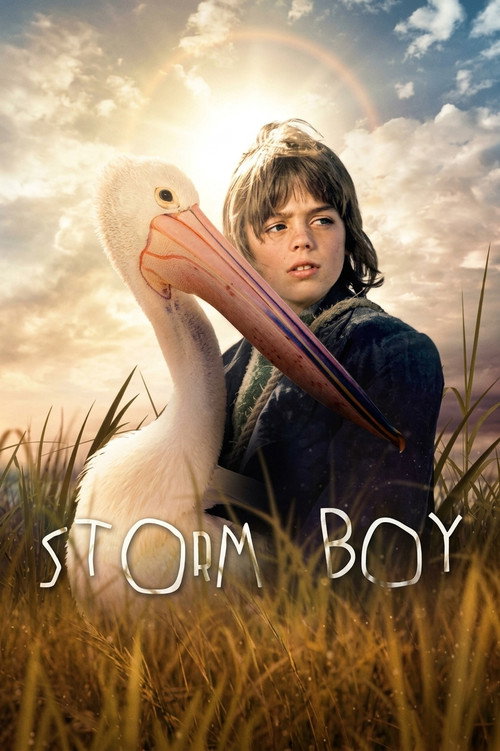
Storm Boy1977
Another Australian landscape-centred drama about a boy learning to navigate between isolation and connection. Greg McLean's direction is meditative and the Australian setting feels like a character. Gentler than Jedda, but kindred in mood.
But Not much plot. If you need narrative momentum, it will feel plotless and slow.
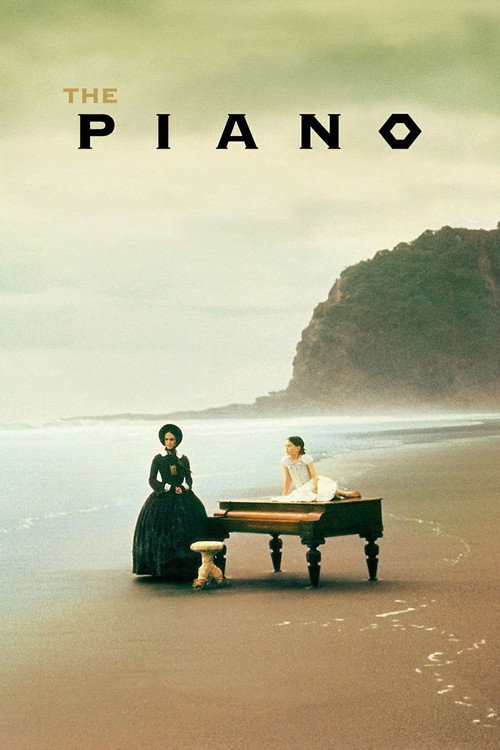
The Piano1993
Jane Campion's film about a woman and her daughter in colonial New Zealand, caught between European and Indigenous worlds. It shares Jedda's interest in how colonialism shapes desire and identity, and it's visually sumptuous.
But Sexually explicit in places, and the power dynamics are deliberately murky. Campion's vision is provocative, not comfortable.
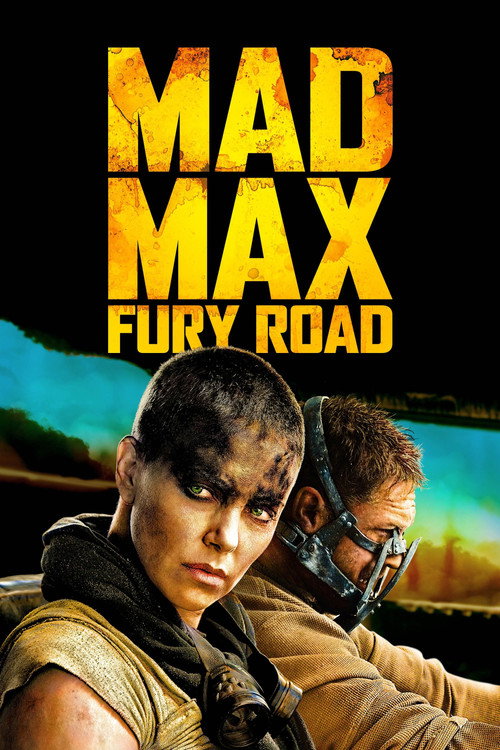
Mad Max: Fury Road2015
George Miller's Australian apocalypse uses the desert landscape the same way Jedda does: as an active, almost spiritual force. The kinship is unlikely, but the visual language of the outback as both beautiful and pitiless is consistent.
But It's a different genre entirely—action, not drama. If you're after something contemplative, this is the opposite.
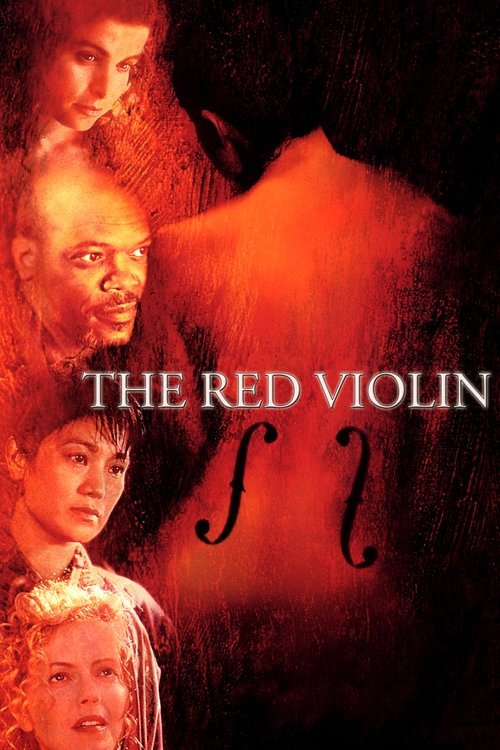
The Red Violin1998
A film about objects and people crossing cultures and centuries. Like Jedda, it's interested in how identity travels across ownership and geography. Visually rich and structurally ambitious.
But Episodic and complex. It requires you to track multiple timelines and doesn't spell things out.
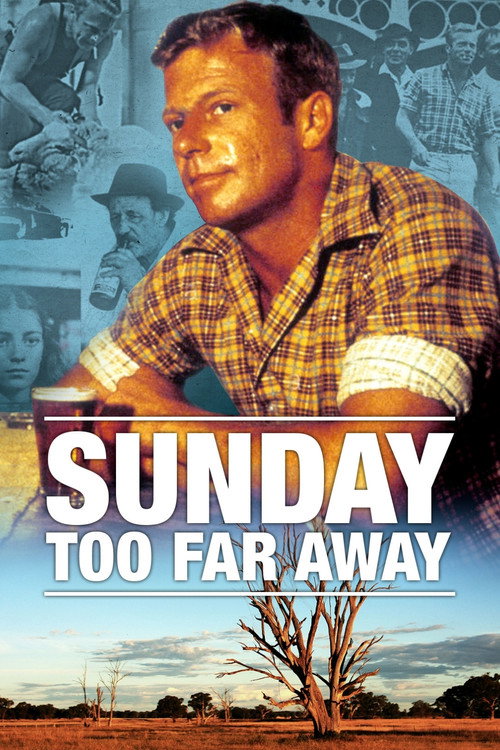
Sunday Too Far Away1975
Australian rural drama about sheep shearers in the outback. It captures the same landscape and a similar class consciousness to Jedda, and it's a genuine relic of its era, made with real conviction.
But Narrow in scope and slow-paced. Male-dominated and focused on labour rather than narrative excitement.
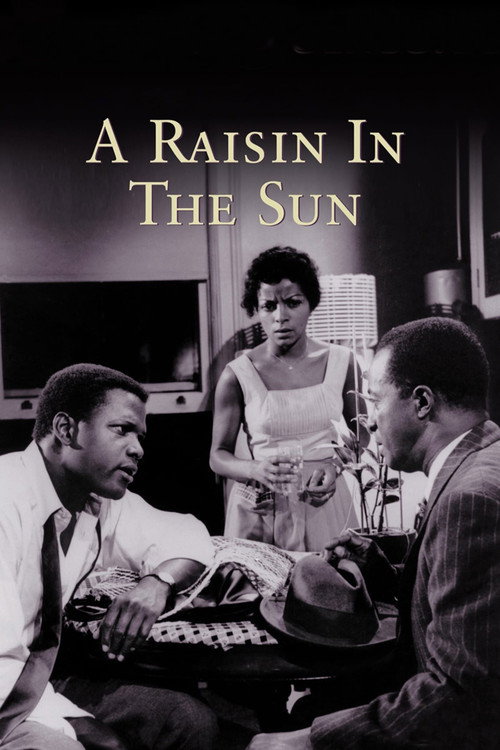
A Raisin in the Sun1961
Both are 1950s/early-60s dramas about young people from minority communities caught between family pressure and personal autonomy, with colonialism (literal or economic) as the shadow.
An American play adapted to film about a Black family navigating identity, aspiration, and belonging in 1950s Chicago. Like Jedda, it's a mid-century film centred on an Indigenous or colonised community, grappling with inherited trauma and the pull between assimilation and self-determination.
But It's stage-bound and talky by modern standards. The domestic setting is intimate but confined.
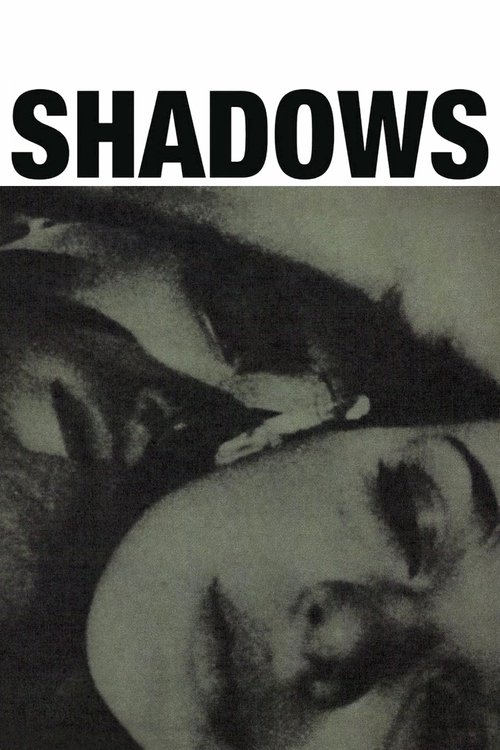
Shadows1960
Both films are fascinated by what happens when someone's public identity doesn't match their inner sense of self, and both refuse easy resolution.
John Cassavetes' improvised, ragged film about three siblings of mixed race navigating New York identity. It's formally wild—nothing like Jedda's classical structure—but it shares the obsession with belonging and passing, and the messy, unresolved way identity actually works.
But It's deliberately formless and shot in grainy black-and-white. If you need a clear narrative or polished cinematography, it's alienating.
People
Cast
- Rosalie Kunoth-MonksJedda
- Robert TudawaliMarbuck
- Betty SuttorSarah McMann
- Paul ReynallJoe
- George Simpson-LyttleDouglas McMann
- Margaret DingleLittle Jedda
- Willie FarrarLittle Joe
- Tas FitzerPeter Wallis - Police Officer
- Wason ByersFelix Romeo - Boss Drover
- Dixie LeeAboriginal (uncredited)
Directing
- Charles ChauvelDirector
Writing
- Charles ChauvelWriter
- Elsa ChauvelWriter
Production
- Charles ChauvelProducer