
Film
The Overlanders
A 1946 Australian western about a desperate cattle drive across the outback during WWII, when the Japanese threat forces evacuees to move livestock rather than destroy it. It's a frontier epic with real stakes, gritty and unglamorous, made when such stories were still being written as they happened. For anyone who loves the genre beyond Hollywood.
If you liked this
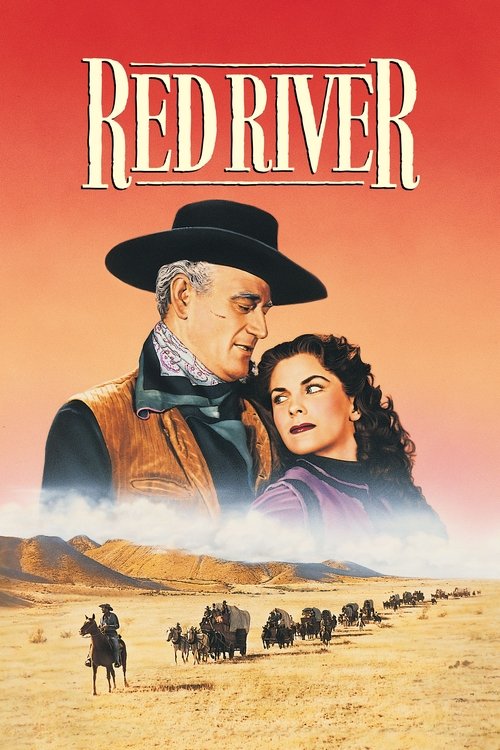
Red River1948
Hawks' masterpiece about a cattle drive that becomes a moral reckoning between a tyrannical rancher and his adopted son. Monumental, tense, with an ending that questions everything the genre stands for.
But It's a western, which means it's not for everyone. At 133 minutes, it demands patience and your full attention.
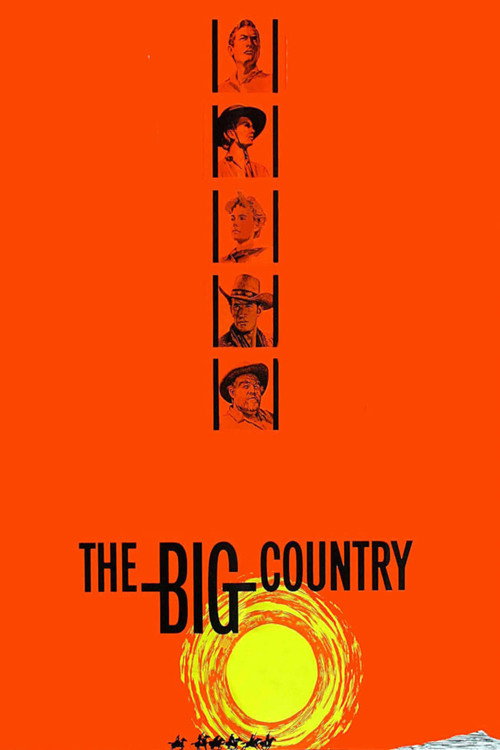
The Big Country1958
Wyler's sweeping western about a man caught between frontier codes and civilisation. Breathtaking landscape cinematography and genuine moral complexity woven through every frame.
But The pacing is deliberate. If you need constant action, this will feel slow. The score is occasionally overwrought.
Johnny Guitar1954
Ray's perverse, operatic western where a woman runs a saloon and calls most of the shots. It feels unlike any other western ever made—genuinely strange, genuinely brilliant.
But The gender dynamics, radical for 1954, might read as self-conscious now. It's also visually artificial in ways some will find mannered.

Not sure tonight? Get a pick in a minute, starting from The Overlanders
The wildcard
Something you would not have found on your own.
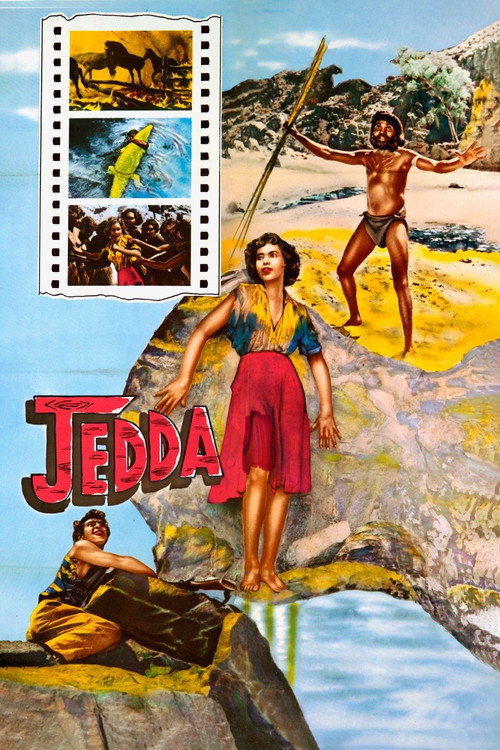
Jedda1955
Both are Australian films made in the 1940s-50s about survival and displacement during crisis. Both use the landscape as a character. Both ask what it costs to endure in a hostile country.
An Australian film about an Aboriginal girl caught between two worlds, shot on location with a partly Aboriginal cast. It's visually stunning and addresses colonialism head-on—rare for its era and place.
But The film was made within a racist system and carries those assumptions. Watching it requires understanding its historical context as much as its intentions.
More like this (8)
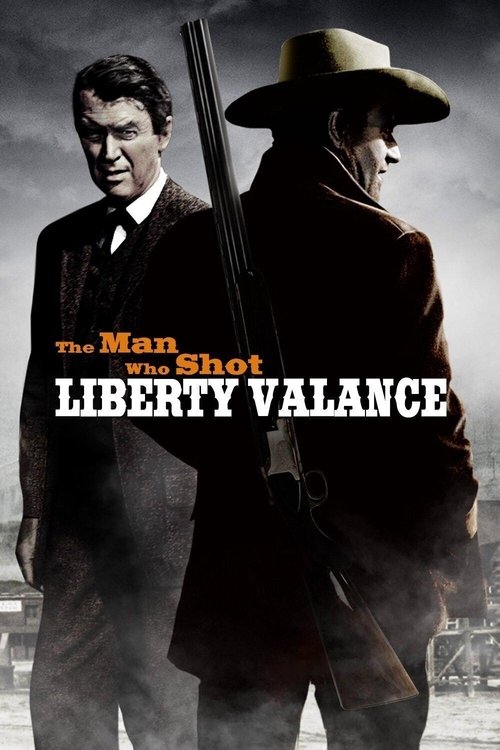
The Man Who Shot Liberty Valance1962
Ford's elegy for the Old West, about myth-making and what we choose to remember. A sitting senator returns to the town where everything changed, and Ford deconstructs the western from inside.
But It's shot in black and white on a soundstage—deliberately artificial. If you came for authentic frontier grit, this refuses to give it.
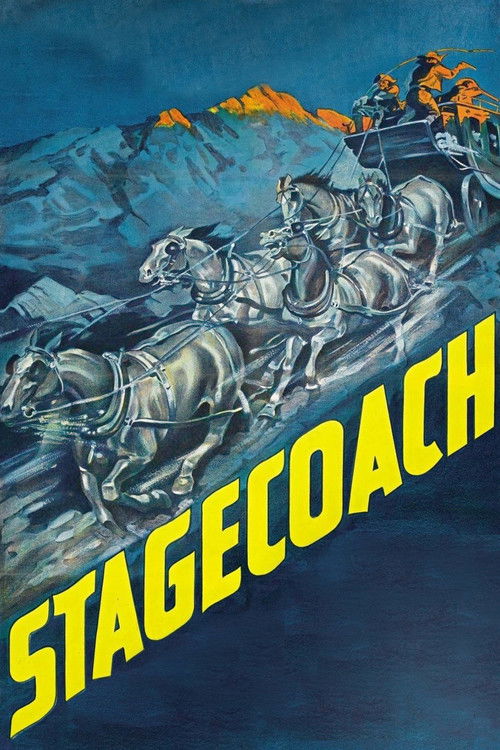
Stagecoach1939
Ford's revolution: a western as an ensemble chamber piece, every character shaped by moral choice. Tense, funny, and it invented half the language the genre still speaks.
But At 96 minutes it moves fast; some plot turns feel rushed. The rear-projection riding scenes are noticeable by modern standards.
The Ballad of Little Jo1993
A woman in 1870s Montana passes as a man to survive as a homesteader. Maggie Greenwald's film is quiet, precise, and asks serious questions about identity and belonging in the frontier.
But It's austere and slow. The film trusts you to find meaning in silences. There's no score to tell you what to feel.

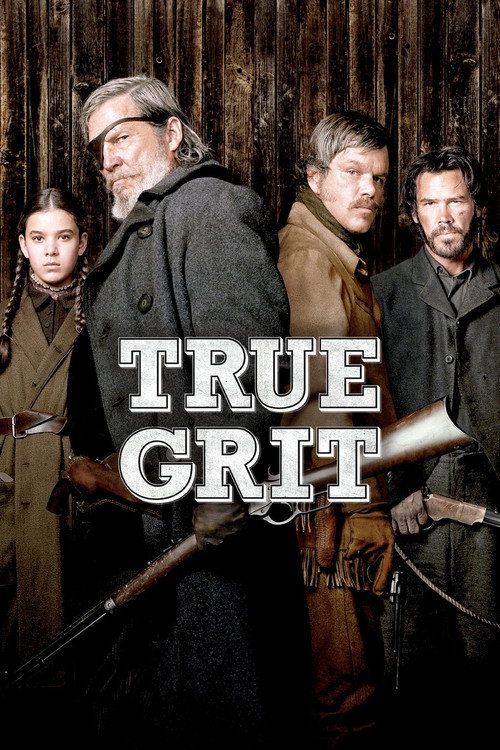
True Grit2010
The Coens' remake is actually superior—sharper dialogue, clearer moral lines, and a 14-year-old girl carrying the entire moral weight of the film. Jeff Bridges' Rooster is drunk, selfish, and unforgettable.
But The Coens' fidelity to the novel's dialect can feel arch. The violence is sudden and real in ways that might disturb.
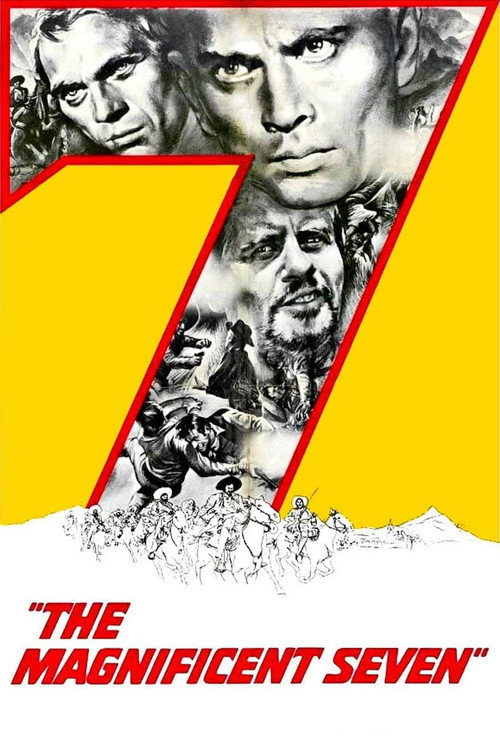
The Magnificent Seven1960
Sturges' pinnacle of the ensemble western: seven men hired to protect a village, each with their own code and their own reason to risk death. The chemistry is perfect and the score is legendary.
But It's a Hollywood western, which means it's cleaner and more mythic than real. Pacing dips in the second act.
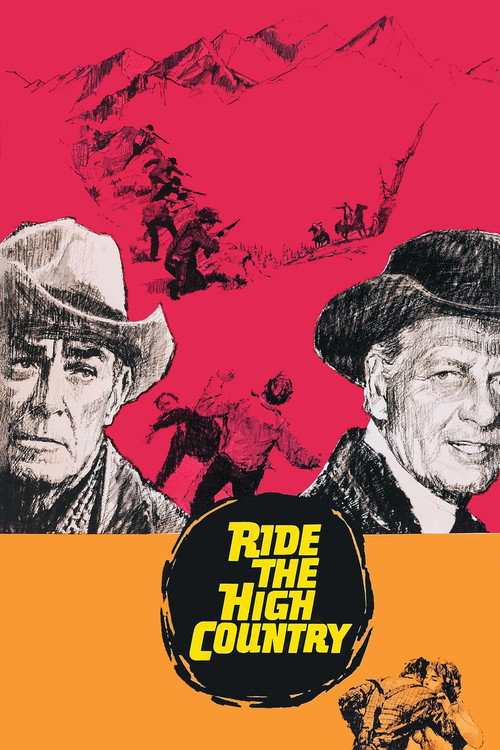
Ride the High Country1962
Peckinpah's twilight western about two aging lawmen on one last job, facing a world that's leaving them behind. It's elegiac, violent, and human in ways that feel almost modern.
But The emotional register is bleak. If you want heroism uncomplicated, this film will disappoint you on purpose.
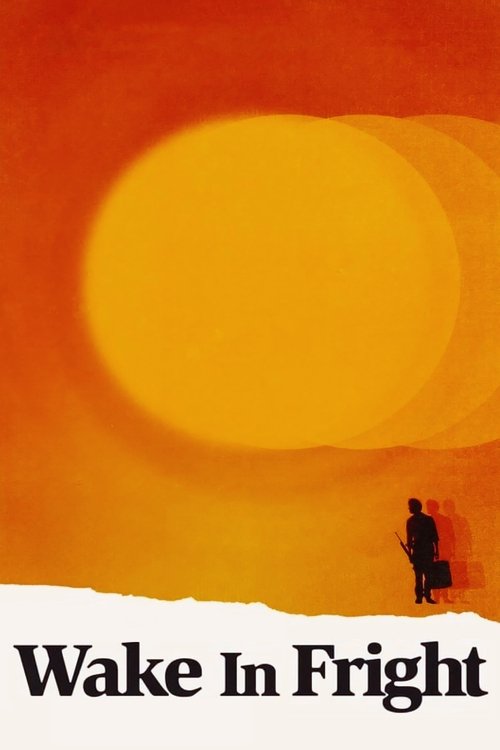
Wake in Fright1971
Another Australian film obsessed with the outback as an inhospitable, unforgiving place that tests character. Where The Overlanders is about collective survival, this is about individual disintegration—the inverse journey.
An Australian nightmare: a schoolteacher's car breaks down in the outback and he's trapped in a hellish small town. It's horror, western, and social critique welded together—genuinely disturbing.
But It's bleak, nasty, and deliberately unpleasant. There's animal cruelty (not faked). The protagonist becomes increasingly despicable and you're stuck with him.
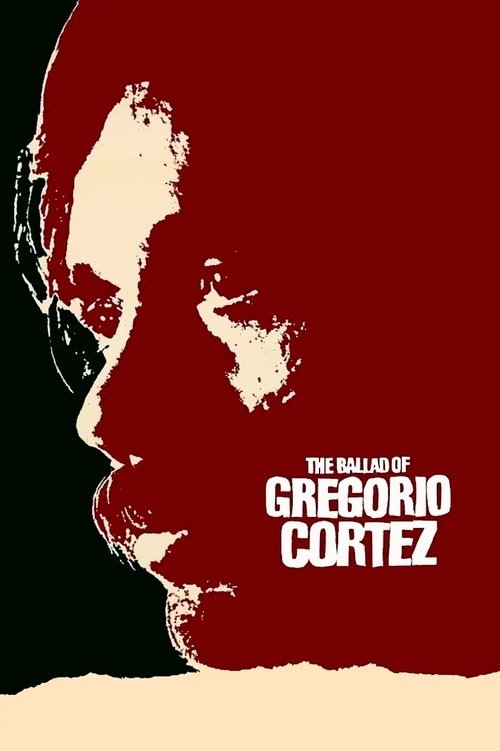
The Ballad of Gregorio Cortez1983
Both are about a group pushed to extreme action by external threat—here political and racial rather than military, but the same moral question: how far do you go to survive? Both are interested in the ordinary heroism of ordinary people.
Edward James Olmos in a film about a Mexican vaquero hunted across the border after a misunderstanding spirals into tragedy. It's a western told from the perspective usually erased, intimate and historically precise.
But It's a TV movie, which shows. The pacing is episodic. It won't feel as polished as a theatrical western.
People
Cast
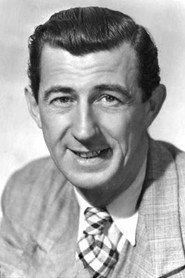 Chips RaffertyDan McAlpine
- John Nugent HaywardBill Parsons
- Daphne CampbellMary Parsons
- Jean BlueMrs. Parsons
- Helen GrieveHelen Parsons
- John FernsideCorky
- Peter PaganSailor
- Frank RansomeCharlie
- Stan TolhurstManager
- Marshall CrosbyMinister
- Clyde ComboAborigine Jacky
- Henry MurdochAborigine Nipper