
Film
Sunday Too Far Away
- Workplace drama
- Very dark
A 1975 Australian drama set in the ruthless world of competitive sheep-shearing. Foley and Black Arthur battle for supremacy among isolated, hard-drinking men, their rivalry erupting when non-union labour threatens their livelihood. Visceral, angry, and deeply rooted in a specific time and place—a film about masculine pride, economic precarity, and the violence that erupts when both collide.
Should you watch it?
Watch it if you want a lean, sweat-soaked look at working men's rivalries and the grinding rhythm of physical labour, told with patience rather than plot machinery.
Skip it if you need brisk storytelling or a clear hero to root for, since the mood is bleak, the drinking is relentless and the men are hard to warm to.
What it asks of you: Expect patience across its ninety-three minutes: a slow build where routine and small rivalries carry the weight, observed quietly and dryly rather than through fast turns.
Not sure? Find tonight's pick in a minute.
If you liked this
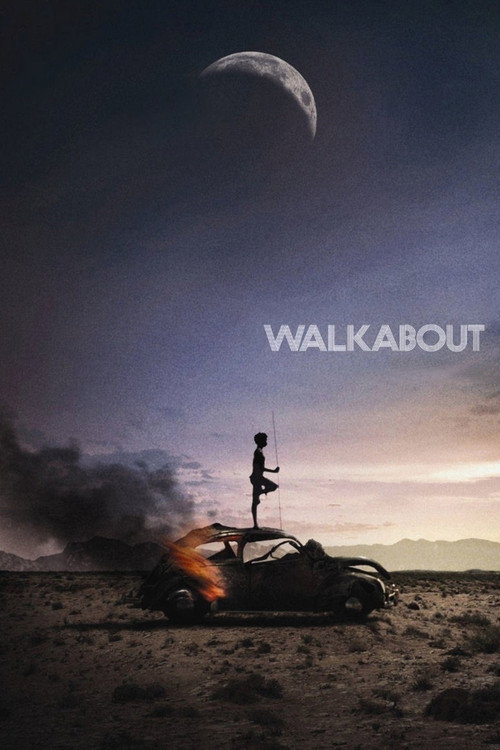
Walkabout1971
Nicolas Roeg's hypnotic study of isolation and survival in the Australian outback. Like Sunday Too Far Away, it treats landscape as a character and examines how environment strips people down to their essentials.
But The pacing is glacial and the narrative is deliberately oblique. Some find it more beautiful than dramatically engaging.
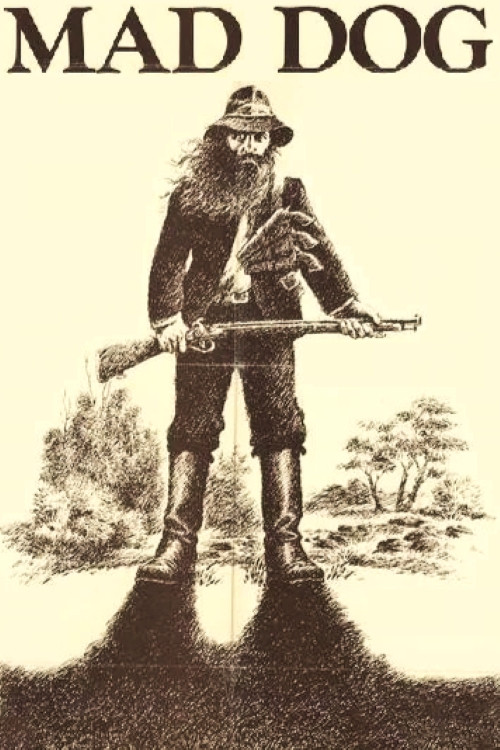
Mad Dog Morgan1976
Another Australian film from the same era about violence, masculinity, and men pushed to the margins. Dennis Hopper's manic intensity captures a similar rage simmering beneath the surface of frontier hardship.
But It's nastier and more chaotic than Sunday Too Far Away. The central performance is deliberately unhinged, which won't be to everyone's taste.
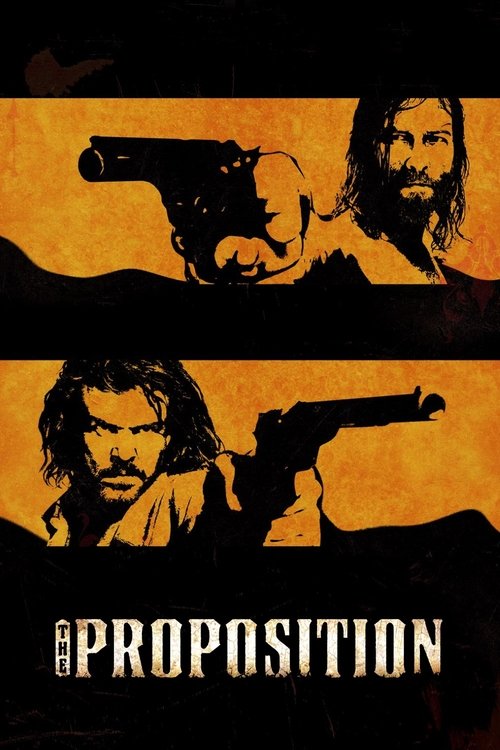
The Proposition2005
John Hillcoat's brutal Western about survival and impossible choices in harsh terrain. Shares Sunday Too Far Away's unflinching look at masculine violence and economic desperation, though set in the Australian outback rather than a shearing shed.
But Extremely violent and morally dark. The bleakness never lets up, and there's minimal catharsis or comfort offered to the viewer.
Not sure tonight? Get a pick in a minute, starting from Sunday Too Far Away
The wildcard
Something you would not have found on your own.
Winter Light1963
Both films understand that the real violence is what happens when a man has nothing left to prove to—when his worth has been entirely bound up in competition and physical prowess.
Bergman's sparse, brutal portrait of a man stripped of purpose and connection. No plot, no violence, but the same emotional devastation—examining what happens when the scaffolding of work and community collapses and leaves only void.
But It's a chamber piece about spiritual desolation, entirely dependent on patience and your tolerance for Swedish existentialism. Almost plotless.

More like this (6)
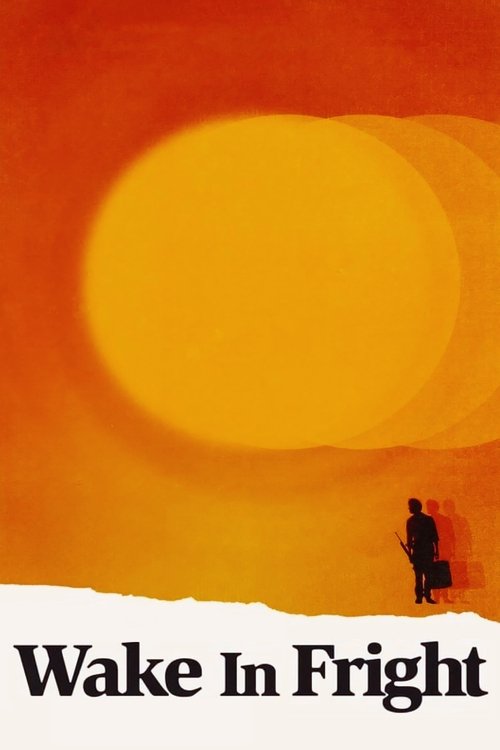
Wake in Fright1971
Ted Kotcheff's descent into Australian outback madness. Like Sunday Too Far Away, it captures the claustrophobia of male-dominated work communities and the explosive potential beneath surface camaraderie.
But It's a relentless downer that privileges shock and degradation over narrative momentum. The drinking and cruelty can feel gratuitous.
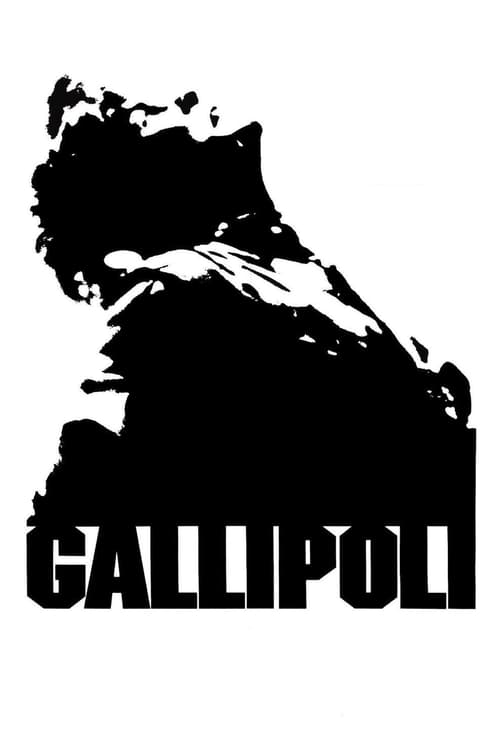
Gallipoli1981
Peter Weir's sweeping examination of Australian masculinity, duty, and sacrifice. The same generational perspective on working-class Australian men, though set against war rather than labour.
But It's a war film first and an examination of class second. If you're after gritty realism over historical sweep, this pivots away from Sunday Too Far Away's intensity.
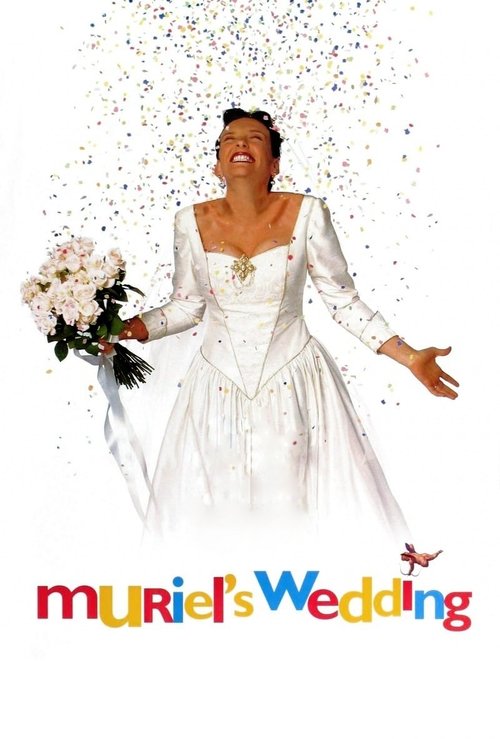
Muriel's Wedding1994
P.J. Hogan's darkly comic portrait of Australian life and class. Less violent than Sunday Too Far Away, but equally sharp about economic pressure, social shame, and people trying to escape their circumstances.
But It's a comedy-drama hybrid, and the tonal shifts won't resonate if you're craving something as bleak and uncompromising as the original.
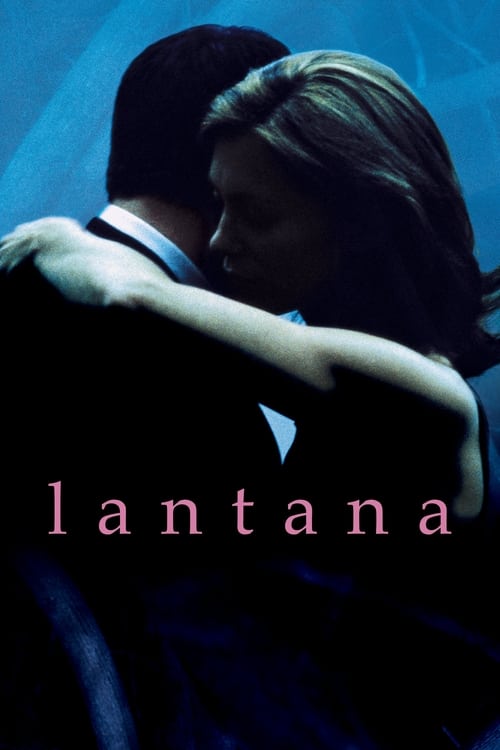
Lantana2001
Ray Lawrence's ensemble drama about interconnected lives in suburban Australia. Shares Sunday Too Far Away's interest in what lies beneath the surface of male bonding and working-class Australian identity.
But It's a multi-threaded mystery that requires patience. The structure can feel mannered if you're looking for something direct and propulsive.
Raging Bull1980
Both films locate moral weight in the body and physical competition—the only language these men speak. Both suggest that dominance is its own form of destruction.
Scorsese's black-and-white monolith about male ego, violence, and the impossibility of escape. Masculinity as a trap, sports as religion, competition as poison. It's visceral in the way Sunday Too Far Away is, but turned inward into psychology rather than outward into action.
But It's a grueling film about a man you don't like, shot in deliberately alienating black-and-white. The repetitive violence can feel punishing rather than clarifying.

Come and See1985
Both treat violence not as spectacle but as a logical outcome of systems that have reduced men to economic and physical function. The settings couldn't be more different, but the moral question is identical.
Elem Klimov's devastating Soviet war film about a boy's initiation into atrocity. Like Sunday Too Far Away, it refuses to beautify or sentimentalize masculine violence. Watches like documentary evidence of what happens when men are isolated and given permission to destroy.
But It's one of the most harrowing films ever made. Genuinely difficult to finish. Belongs in the same category as Requiem for a Dream—important but corrosive.

People
Cast
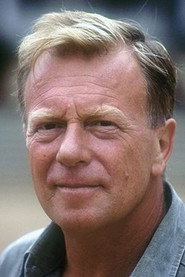 Jack ThompsonFoley
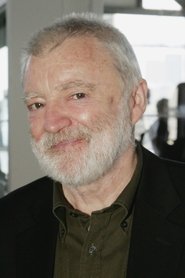 Max CullenTim King
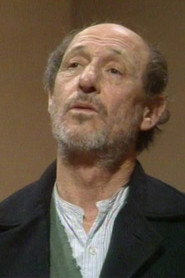 Reg LyeOld Garth

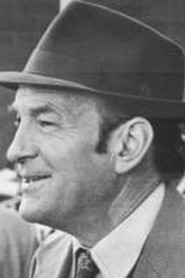 Peter CumminsArthur Black
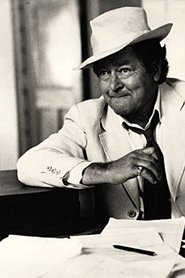 John EwartUgly
- Jerry ThomasBasher
 Sean ScullyBeresford
- Lisa PeersSheila Dawson
- Gregory AppsMichael Simpson
- Doug LihouRousie
- Ken WeaverQuinn