
Film
Mysteries of Lisbon
Raúl Ruiz's Portuguese epic is a four-hour labyrinth of interlocking stories—bastards, priests, orphans, and aristocrats—where lives collide across decades under the weight of secrets and circumstance. It's deliberately, unapologetically artificial, all theatrical shadows and narrative tricks. For patient viewers who want cinema that feels like opening a music box and watching the mechanisms.
If you liked this
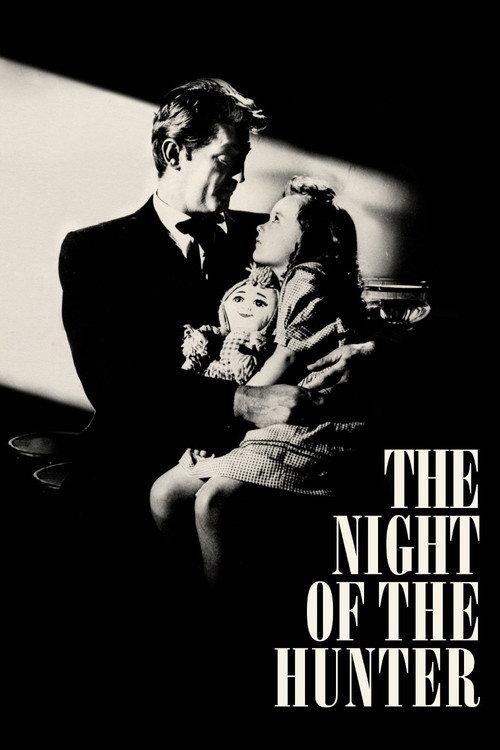
The Night of the Hunter1955
A masterwork of shadow and moral ambiguity, where a charming villain pursues orphans and nothing is quite what it seems. Like Mysteries, it traffics in fairy-tale dread and visual poetry rather than realism.
But The pacing is glacial by modern standards, and the artifice can feel dated. Some find Robert Mitchum's preaching character unintentionally silly rather than sinister.
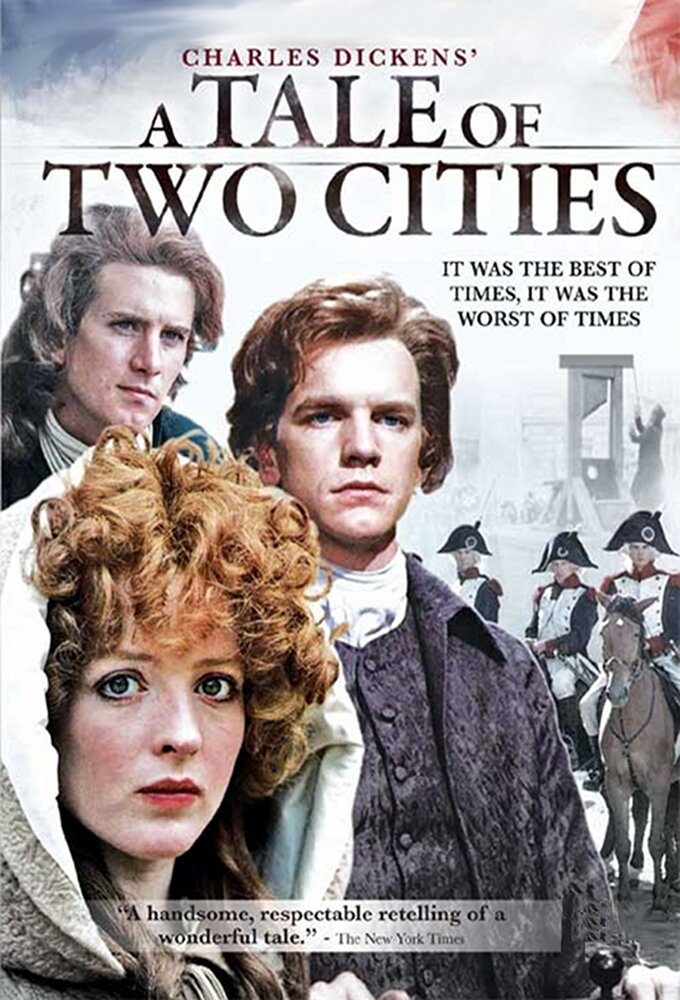
A Tale of Two Cities1989
Miniseries that captures the same grand, interconnected tragedy across decades and social classes. Multiple lives tangled in consequence and circumstance, with the same melodramatic intensity.
But Period drama costumes and BBC restraint might feel safer than what Ruiz attempts. Less visually daring, more traditionally told.
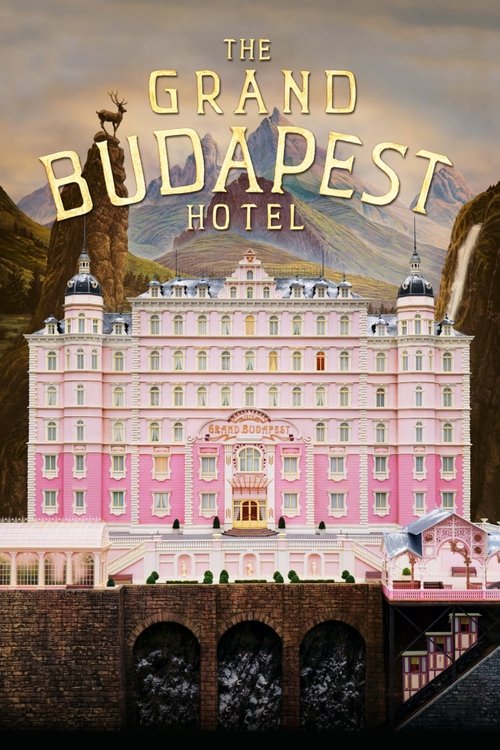
The Grand Budapest Hotel2014
Episodic structure where strangers' fates intersect in one setting over hours. Early evidence that interconnected narratives could be gripping, and that the mechanics matter more than the destination.
But It's ancient, it's talky, and its melodrama doesn't hide behind four hours of style. The plot can feel thin if you're waiting for depth.
Not sure tonight? Get a pick in a minute, starting from Mysteries of Lisbon
The wildcard
Something you would not have found on your own.
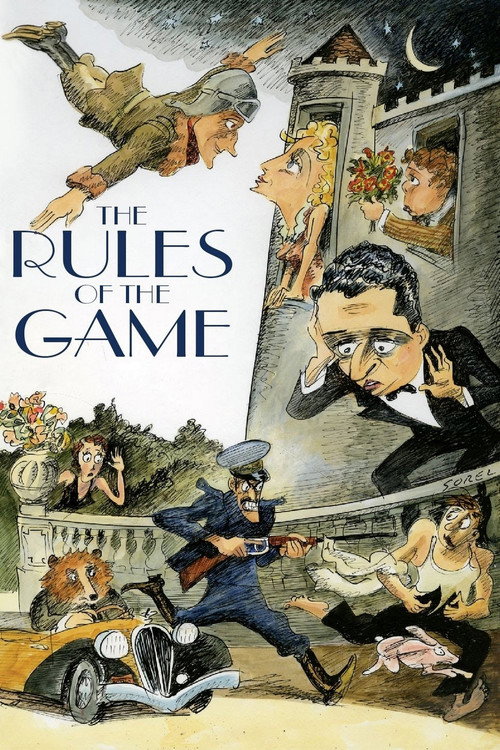
The Rules of the Game1939
Both are structural symphonies where individual tragedy is less important than the system that produces it. Ruiz is Renoir's baroque descendant—denser, stranger, but built on the same conviction that cinema's power lies in showing how lives interlock.
Renoir's masterpiece is also a four-hour social tapestry where everyone's misery is equally important and equally tragic. War, class, desire, and the beautiful futility of trying to escape your nature.
But It's in French, it's black-and-white, and the narrative sprawl can feel like watching grass grow if you're hunting plot. The 'realism' is stylized in ways modern viewers sometimes miss.
More like this (7)
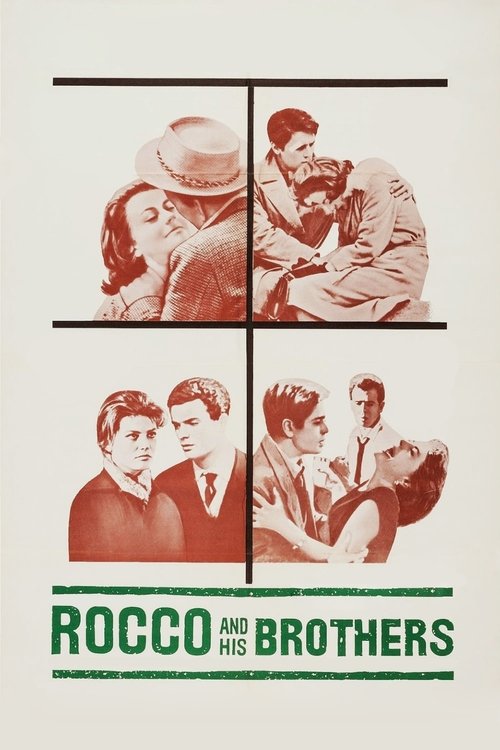
Rocco and His Brothers1960
Visconti's three-hour epic of family dissolution across social classes, where personal tragedy and historical moment cannot be separated. That same feeling of lives ruined by circumstance and passion.
But Italian neorealism can feel unglamorous and bleak. The violence, when it comes, is sudden and uncomfortable rather than theatrical.
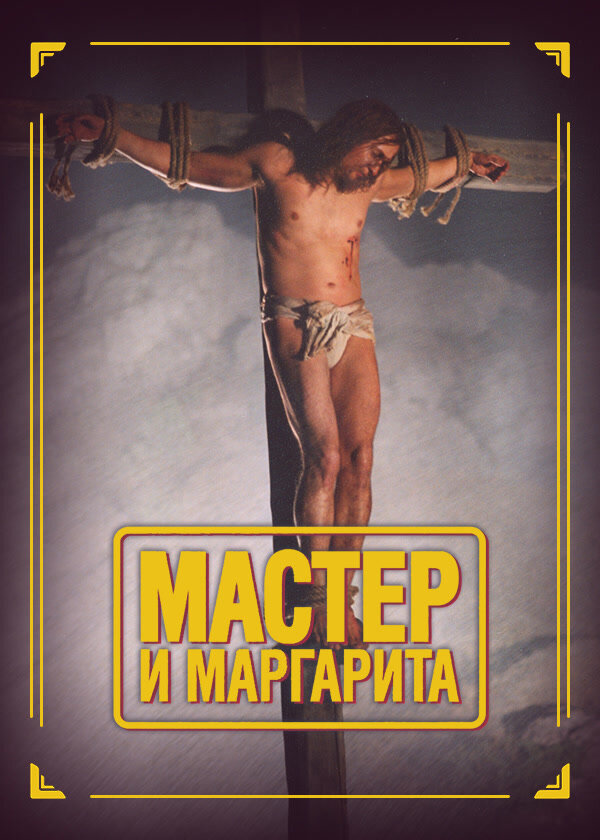
Мастер и Маргарита2005
Russian miniseries that adapts Bulgakov's narrative maze—stories nested in stories, all circling questions of faith and corruption. Similarly willing to be baroque and unashamed about it.
But Less accessible than Ruiz, and the subtitles can't quite capture the wordplay. Some viewers find the mixing of fantasy and realism confusing rather than enriching.
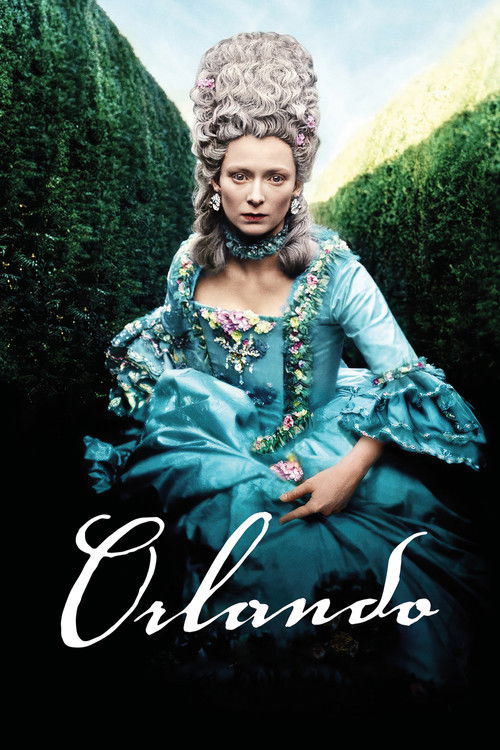
Orlando1992
Sally Potter's take on Virginia Woolf: artificial, painterly, gender-bending across centuries. If you loved Ruiz's willingness to treat film as theater, this is nearby territory.
But Precious and self-aware in ways some find insufferable. The philosophical content swallows the narrative, which is precisely the point and precisely the problem for some.
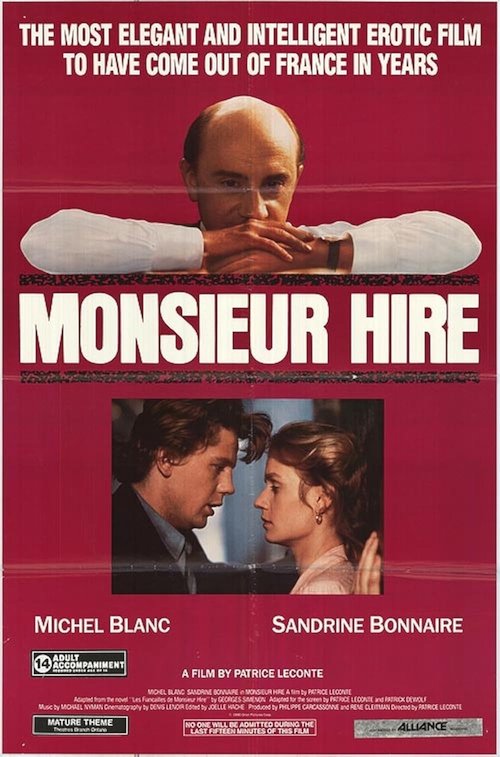
Monsieur Hire1989
Michel Blanc as a loner mistaken for a killer, drawing you into his lonely web. A mystery that unhurriedly peels back the lies we construct. Shorter than Mysteries but matching its tragic fatalism.
But It's bleak and inert in tone. There's no comfort, no victory, and the resolution is morally ambiguous in ways that won't satisfy.
The Leopard1963
Visconti's three-hour meditation on a society in collapse, where private life and historical change are one thing. Gorgeous, unhurried, about how everything changes while appearing the same.
But The pacing is glacial even for its era. Some scenes feel like opera arias when you want plot. The color restoration has stirred debate about what the film should look like.

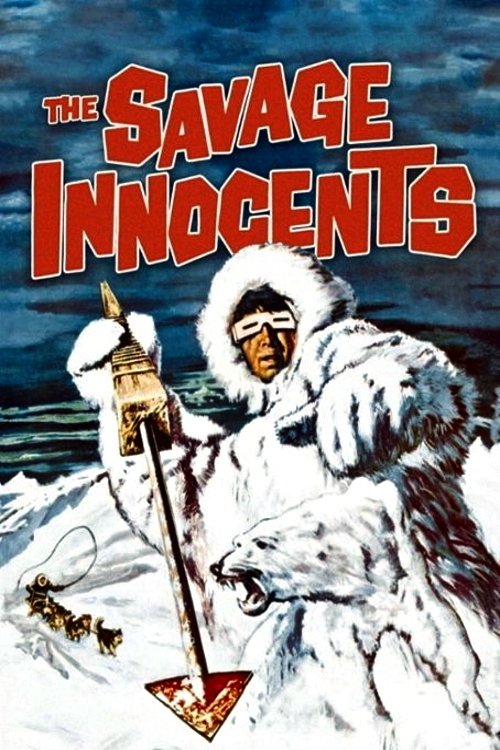
The Savage Innocents1960
Anthony Quinn in a film that wraps colonial violence in adventure-movie trappings. Artificial in its way, conflicted in its perspective, watchable as both adventure and critique.
But The racial politics are confused by modern standards. The exoticism feels dated, and Quinn's accent borders on unintentional comedy.
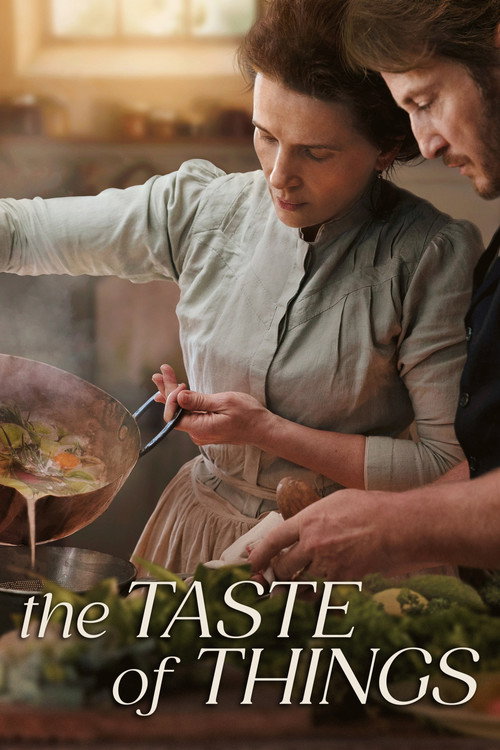
The Taste of Things2023
Where Mysteries spirals into mystery and confession, Goût spirals inward into feeling. Both reject the Anglo-American grammar of plot; both trust that watching people exist, watching them choose silence or speech, is cinema enough.
Goût's French period film about a widowed chef and his housekeeper, all sensory memory and unspoken devotion. Restrained where Mysteries is baroque, but equally convinced that style IS substance.
But Almost nothing happens. It's a film about cooking and silence, and if you want revelation or crisis, you won't find it. Some will find it precious and aimless.
People
Cast
 Adriano LuzPadre Diniz
 Maria João BastosÂngela de Lima
 Ricardo PereiraAlberto de Magalhães
 Clotilde HesmeElisa de Montfort
 Afonso PimentelPedro da Silva (Adulto)
 João ArraisPedro da Silva (Criança)
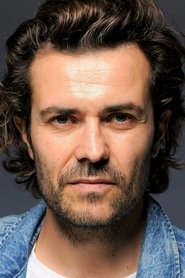 Albano JerónimoConde de Santa Bárbara
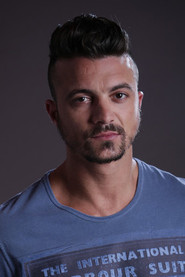 João BaptistaD. Pedro da Silva
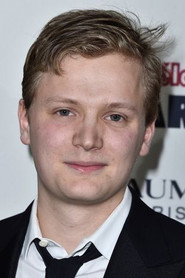 Martin LoizillonSebastião de Melo
 Julien AlluguetteBenoît de Montfort
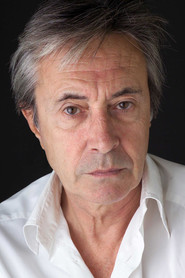 Rui MorissonMarquês de Montezelos
 Joana de VeronaJoana de Verona
Directing
- João PinhãoAssistant Director
- José Maria Vaz da SilvaAssistant Director
- Raúl RuizDirector
Writing
- Camilo Castelo BrancoNovel
- Carlos SabogaScreenplay
Production
- Patrícia VasconcelosCasting
- Ana Pinhão MouraExecutive Producer
- Paulo BrancoProducer
- Ana Pinhão MouraProduction Manager