
Film
Rocco and His Brothers
A Sicilian family fractures under the weight of northern Italian ambition. Visconti's epic follows five brothers as they chase money, love, and belonging in Milan, watching class and desire transform them into strangers to each other. Devastatingly human, formally perfect, almost unbearably tense. For those who want cinema that makes you *feel* something shift inside.
Should you watch it?
Watch it if you love slow-burning family epics where the grand sweep of Visconti's Italy matters as much as the individual heartbreak, and you want a film that lingers on faces and silences as much as on plot.
Skip it if you need brisk pacing or a clear story engine; at nearly three hours, it moves at the speed of a family's grief and rarely hurries to reward your patience.
What it asks of you: Settle in for close to three hours of unhurried, mostly melancholy drama, with long scenes that let each brother's disappointments accumulate rather than arrive in neat beats.
Not sure? Find tonight's pick in a minute.
If you liked this
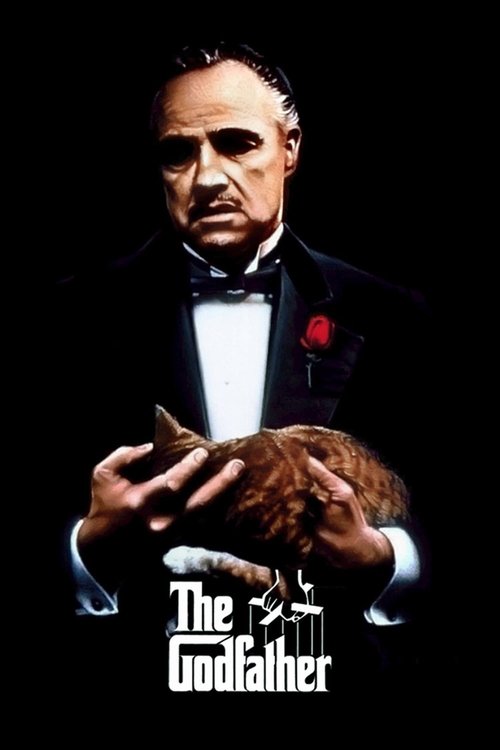
The Godfather1972
Family saga where blood ties fracture under impossible choices. Epic scope, operatic emotion, the kind of film that redefines what cinema can say about loyalty, corruption, and power across generations.
But Nearly three and a half hours, and the pacing is deliberate—some find it slower than they expect on rewatches.
Bicycle Thieves1948
Italian neorealism at its purest. A father and son searching for a stolen bicycle becomes a portrait of poverty, desperation, and the small betrayals survival demands. Utterly simple, utterly devastating.
But Minimal plot, no traditional drama—if you need action or clear resolution, this will feel like watching grass grow.

Moonlight2016
Three chapters of a young man's life, each isolated, achingly specific. Like Rocco, it's about identity fractured by circumstance and desire. Quiet, visual storytelling that trusts you to feel what's unsaid.
But Deliberately paced and oblique—the emotional payoff is internal, not spelled out. Some find it cold.

Not sure tonight? Get a pick in a minute, starting from Rocco and His Brothers
The wildcard
Something you would not have found on your own.
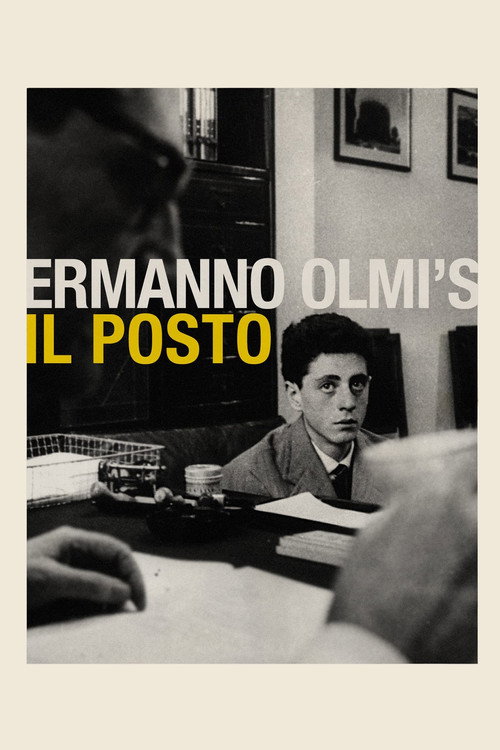
Il Posto1961
Both watch Milan itself become a character that remakes Sicilians—one through crime, one through white-collar conformity. Same spiritual erosion, different register.
A young man's first job in a vast Milan office. Ermanno Olmi observes the small humiliations and quiet violence of capitalism with deadpan humor. It's not a crime drama, but it's about the same city, the same era, the same slow erasure of self.
But It's a comedy about bureaucracy—completely plotless, sometimes dull, sometimes hilarious. You have to be in the mood for poetry about nothing.
More like this (7)
The Leopard1963
Also Visconti, also about families undone by history and change. Sicilian aristocracy watching their world crumble with immense style. If Rocco moved you, this is essential—same director, similar themes, breathtaking cinema.
But Three hours of formal beauty can feel distant. The political subtext won't land if you're not attuned to Italian class anxiety.

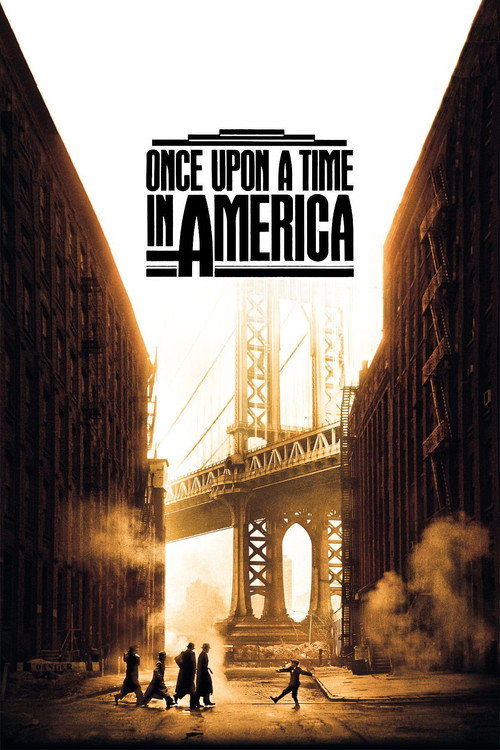
Once Upon a Time in America1984
Gangsters as a metaphor for brotherhood betrayed. Léone's sprawling meditation on loyalty, time, and what the pursuit of power does to love. Visually sumptuous, morally complex.
But Deliberately fragmented narrative structure—some cuts feel abrupt, and the pacing is languid in stretches.
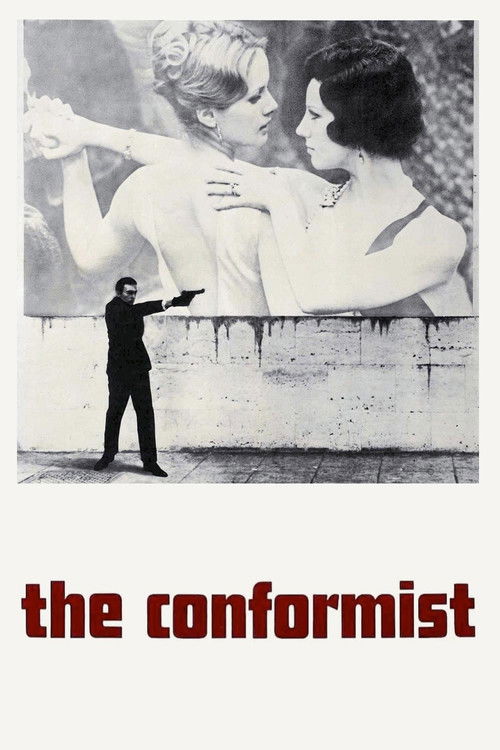
The Conformist1971
An Italian man's moral corruption traced through obsession and desire. Visually dazzling, architecturally precise, about how a single person can fracture under pressure from society and their own wants.
But Bernardo Bertolucci's style is cool and distancing—you watch it like observing specimens, which some find alienating.
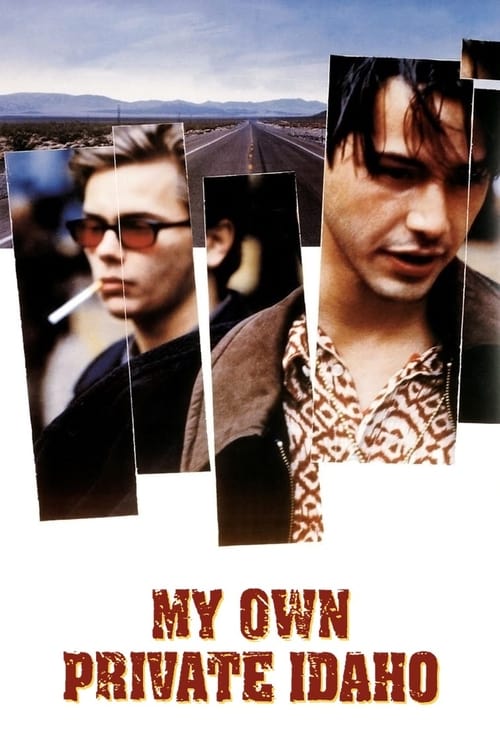
My Own Private Idaho1991
Street hustlers, brotherly bonds, class collision. Gus Van Sant photographs beautiful men in ugly circumstances with tenderness. Less operatic than Rocco but equally tragic, and surprisingly accessible.
But The structure is deliberately fractured, and River Phoenix's performance is mannered—if you want conventional narrative drive, you won't find it.
A Prophet2009
A young man's education in corruption and survival. Prison microcosm where identity gets reforged by necessity and violence. Gripping, visceral, about the same transformation of character through circumstance.
But Graphically violent and set in claustrophobic spaces—the bleakness is relentless, and some violence is difficult to watch.

Tokyo Story1953
Both argue that family is a structure that houses change but cannot contain it. One is violent melodrama, one is gentle tragedy—same skeletal truth, opposite climates.
Ozu's meditation on family fracture across generations. Aging parents visit their scattered sons; what emerges is the slow acceptance that love and loyalty can't stop people from becoming strangers. Formally revolutionary, emotionally complete.
But If you've never seen Ozu, the style—static camera, low angles, long pauses—can feel like watching a photograph. It demands patience that younger viewers sometimes resist.

La Haine1995
Both are about brothers (chosen or blood) discovering that the city they thought would save them becomes a prison. Rocco is 1960 Milan; this is 1990s Paris. Same architecture, different decades.
Twenty-four hours with three young men—North African, Jewish, white—in the banlieue after a riot. Mathieu Kassovitz photographs degradation, casual racism, and friendship under pressure. A spiritual successor to Rocco's interest in how geography and class remake identity.
But Bleak, sometimes didactic, angry in ways some find exhausting. The politics are on the surface, not buried in subtext.

People
Cast
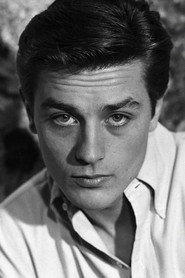 Alain DelonRocco Parondi
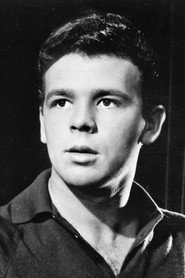 Renato SalvatoriSimone Parondi
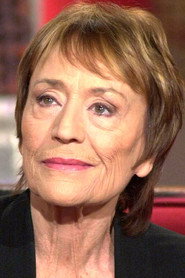 Annie GirardotNadia
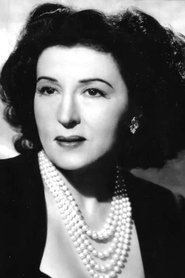 Katina PaxinouRosaria Parondi
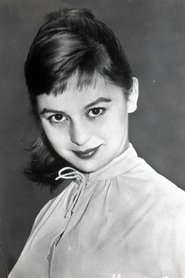 Alessandra PanaroCiro's Fiancee
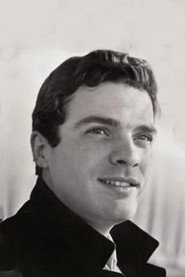 Spiros FocásVincenzo Parondi
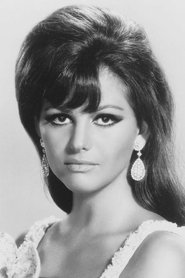 Claudia CardinaleGinetta
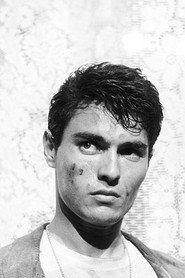 Max CartierCiro Parondi
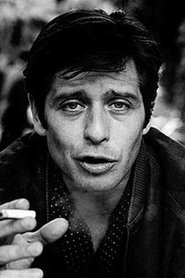 Corrado PaniIvo
- Rocco VidolazziLuca Parondi
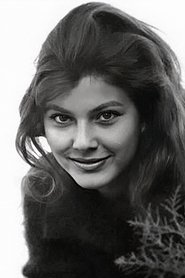 Claudia MoriLaundry Worker
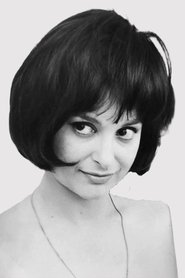 Adriana AstiLaundry Worker
Directing
- Luchino ViscontiDirector
- Jerzy MaccFirst Assistant Director
- Rinaldo RicciFirst Assistant Director
- Albino CoccoScript Supervisor
- Lucio OrlandiniSecond Assistant Director
Writing
- Enrico MedioliDialogue
- Luchino ViscontiDialogue
- Massimo FranciosaDialogue
- Pasquale Festa CampanileDialogue
- Suso Cecchi d'AmicoDialogue
- Giovanni TestoriNovel
- Enrico MedioliScreenplay
- Luchino ViscontiScreenplay
- Massimo FranciosaScreenplay
- Pasquale Festa CampanileScreenplay
- Suso Cecchi d'AmicoScreenplay
- Luchino ViscontiStory
- Suso Cecchi d'AmicoStory
- Vasco PratoliniStory
Production
- Edmond TénoudjiCo-Producer
- Goffredo LombardoProducer
- Giuseppe BordogniProduction Manager
- Mario LicariProduction Secretary
- Romolo GermanoProduction Secretary
- Anna DaviniProduction Supervisor
- Luigi CeccarelliProduction Supervisor