
Film
The Bandit of Sherwood Forest
A 1946 Technicolor swashbuckler with Robin Hood's son Robert fighting to save young King Edward from treacherous nobles. Cornel Wilde brings athleticism and charm to this bright, energetic adventure that prioritizes spectacle and sword-clashing over complexity. It's pure escapism for anyone who loves period action, colourful production design, and plots where good and evil are refreshingly unmixed.
If you liked this
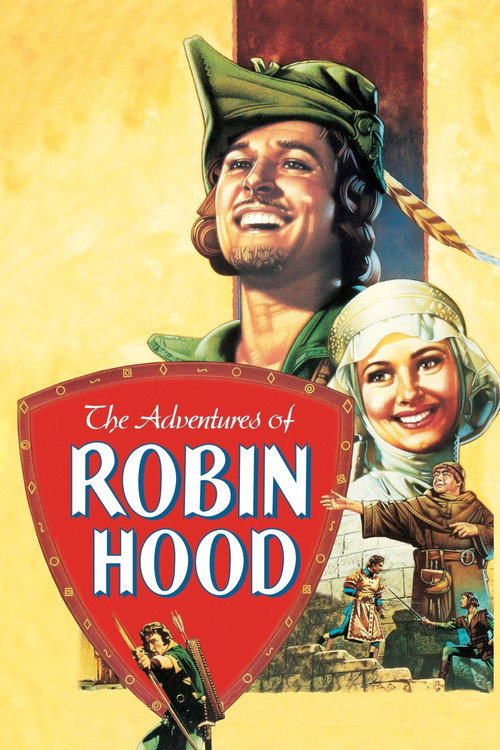
The Adventures of Robin Hood1938
Errol Flynn's definitive Robin Hood, gorgeously Technicoloured and packed with acrobatic sword-fighting, wit, and genuine roguish charm. Sets the template that Wilde's film follows with enthusiasm.
But The pacing feels leisurely by modern standards, and some of the comedy bits between action scenes may feel dated or overplayed.
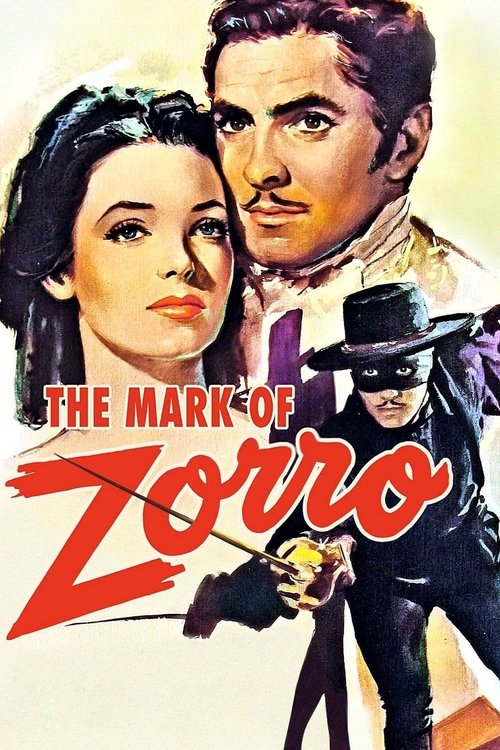
The Mark of Zorro1940
Tyrone Power as a masked vigilante outwitting corrupt authorities through charm and swordsmanship. Similar blend of action, intrigue, and hero mythology, with excellent stunt work and romantic tension.
But It's a relatively short film and doesn't build much narrative momentum—more a string of clever set-pieces than a driving story.
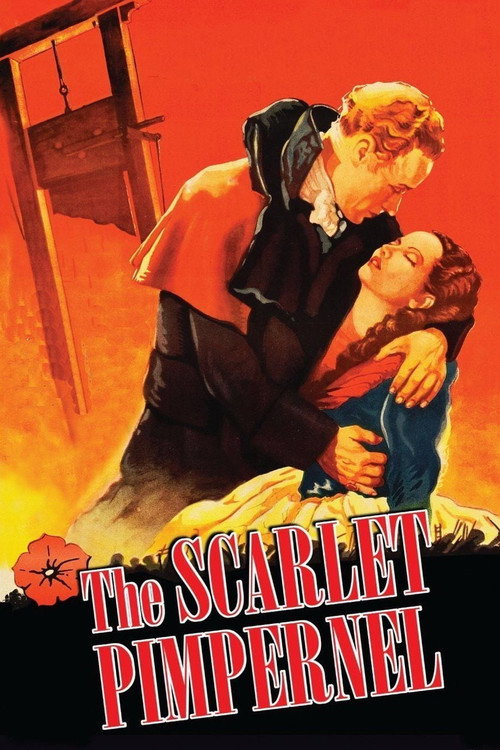
The Scarlet Pimpernel1934
Leslie Howard as a nobleman secretly rescuing aristocrats from the French Revolution. Sophisticated wit mixed with genuine danger and beautifully composed scenes of disguise and daring escape.
But Very theatrical and dialogue-heavy; the actual action sequences are brief and almost incidental to the plotting and repartee.
Not sure tonight? Get a pick in a minute, starting from The Bandit of Sherwood Forest
The wildcard
Something you would not have found on your own.
Yellowbeard1983no page yet
Both films treat adventure as primarily an excuse for energy and entertainment rather than emotional depth, finding humour in the swashbuckling machinery itself.
A pirate comedy written by Monty Python members where treasure, escape, and adventure are the hooks for anarchic humour rather than earnest thrills. The spirit of playfulness—taking adventure tropes seriously but never solemnly—echoes Wilde's film.
But Scattershot comedy that lands unevenly; some gags are brilliant, others fall flat, and the plot is genuinely chaotic rather than cleanly constructed.
More like this (8)
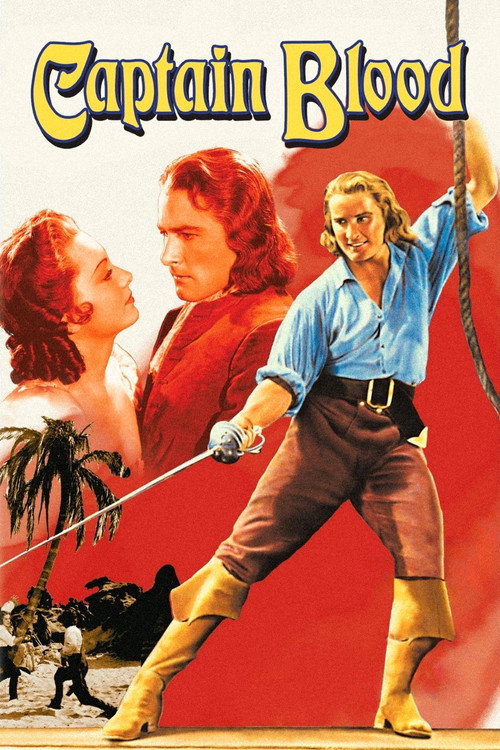
Captain Blood1935
Errol Flynn's pirate adventure glittering with sea-battles, sword-duels, and a charismatic lead. Influenced countless swashbucklers and still delivers pure kinetic pleasure and colour.
But The plot is straightforward to the point of simplicity, and some colonial-era attitudes in the framing haven't aged well.
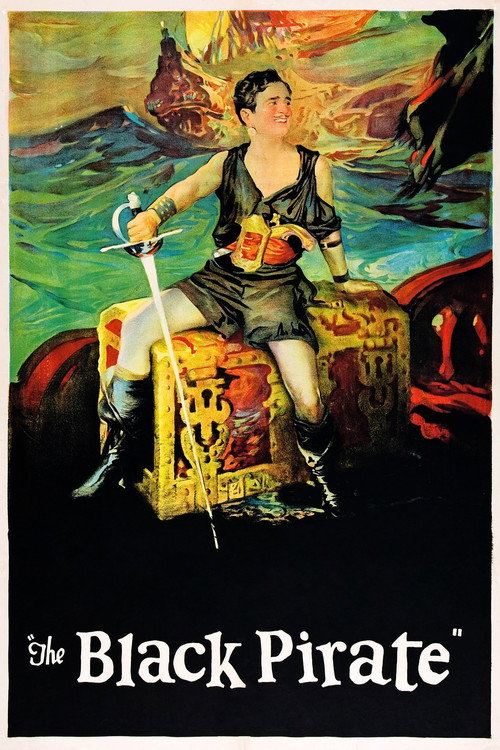
The Black Pirate1926
Douglas Fairbanks in silent swashbuckling perfection—inventive action choreography, genuine stunts, and a lightness of touch that influenced everyone who came after. Colour-tinted restoration is gorgeous.
But Silent film requires patience; intertitles interrupt rhythm, and the acting style feels theatrical to modern viewers accustomed to subtler performance.
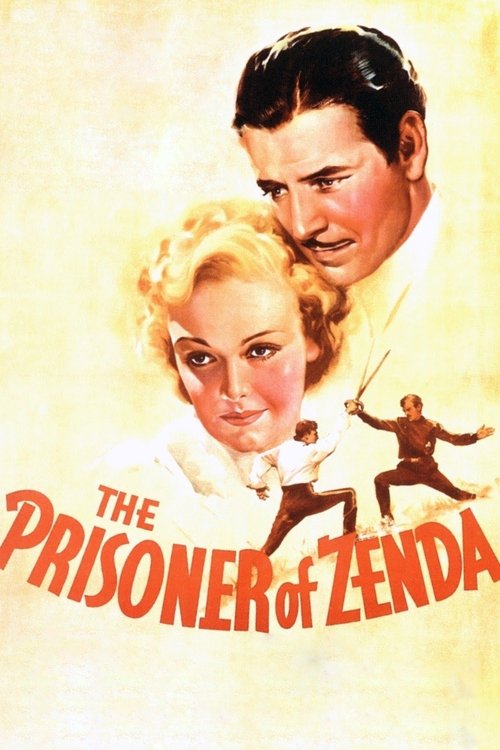
The Prisoner of Zenda1937
Ronald Colman in a masterclass of adventure plotting: mistaken identity, sword-fighting, honour, and court intrigue all balanced perfectly. The 1937 version has Selznick's production gloss and genuine stakes.
But The first act is exposition-heavy, and some may find the romantic subplot syrupy or the ending predictable.
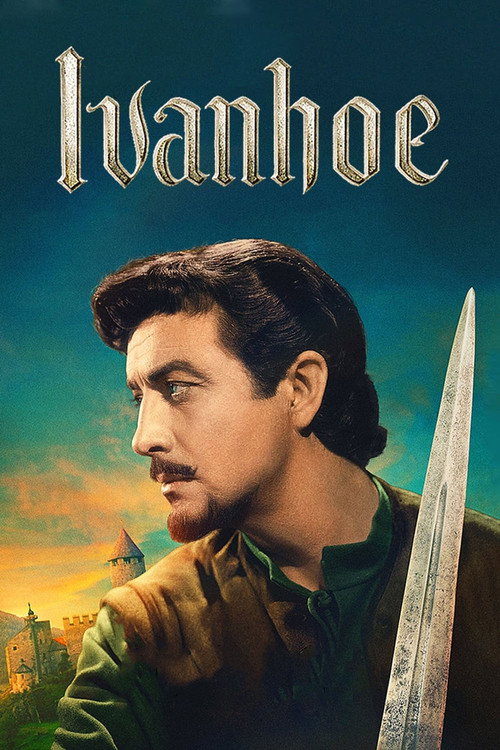
Ivanhoe1952
MGM's medieval sweep with Robert Taylor, sword-fighting and spectacle in Technicolor. Tournament sequences and castle sieges have real scale, and the historical adventure framework is satisfying.
But Ponderous at times, with stiff romantic scenes that bog down the action, and the Saxons-versus-Normans theme feels heavy-handed.
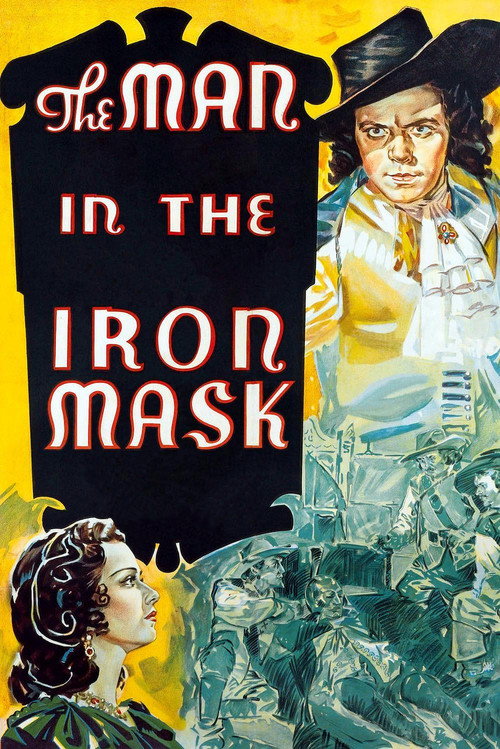
The Man in the Iron Mask1939
James Cagney as D'Artagnan in Dumas' tale of masked prisoners and swapped identities. Fast-paced, clever action, and a star perfectly matched to both humour and swordplay.
But Compressed storytelling means it rushes past character moments, and the climax feels slightly rushed despite the solid build-up.
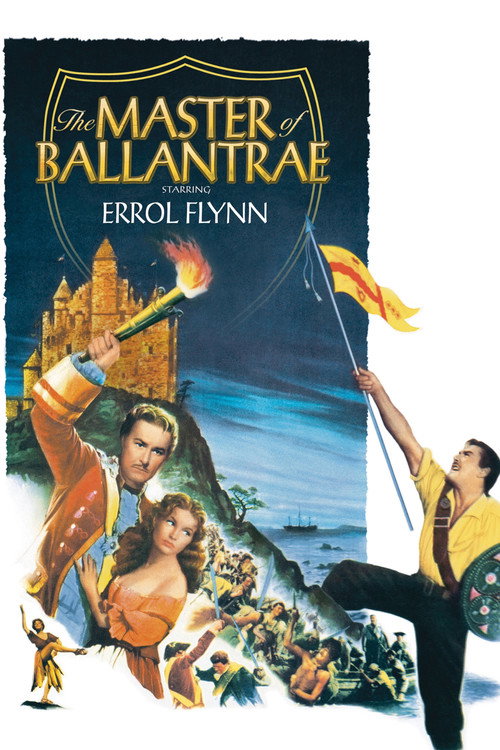
The Master of Ballantrae1953
Errol Flynn in a darker adventure of divided loyalties, Scottish rebellion, and piracy. More morally complicated than typical swashbucklers, with stronger acting and genuine atmosphere.
But Uneven tone; it oscillates between rousing action and introspective drama in ways that don't always gel, and some pacing sags mid-film.
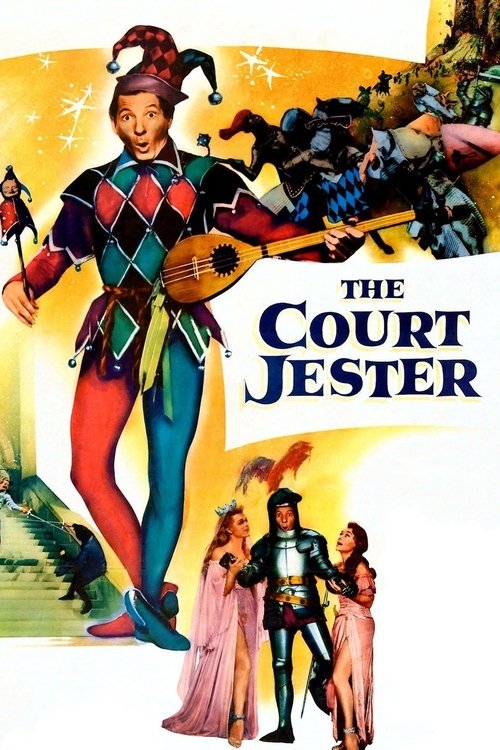
The Court Jester1955
Both are Technicolor period adventures where the hero must infiltrate courts and save young nobility; both prioritize visual spectacle and energetic action over psychological realism.
Danny Kaye as a commoner infiltrating a royal court to save a rightful heir. Medieval adventure played as elaborate vaudeville with genuine sword-fighting, slapstick, and ingenious plotting that respects its own mechanics.
But Built on vaudeville and pantomime sensibilities that may feel mannered; the tone is relentlessly light, which means moments of real peril don't register.
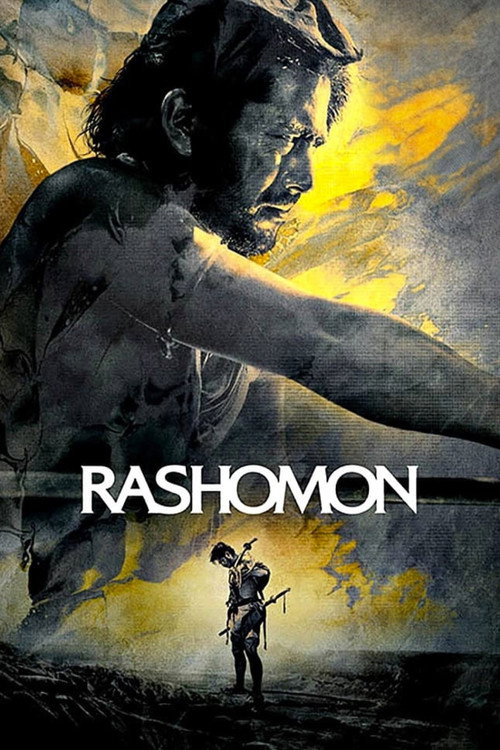
Rashomon1950
Both set adventure in a feudal past with questions of loyalty and power, but Rashomon inverts the genre entirely—instead of clear heroes defeating villains, it asks whether heroism or villainy can even be clearly known.
Kurosawa's medieval Japanese masterpiece where a crime in the woods is told four ways by four witnesses, each unreliable, beautiful, and contradicting the others. Adventure and danger, but focused entirely on the impossibility of truth rather than heroic triumph.
But Structurally demanding and philosophically bleak; if you want swashbuckling heroes you'll find ambiguity and moral uncertainty instead, and the ending may feel unsatisfying.
People
Cast
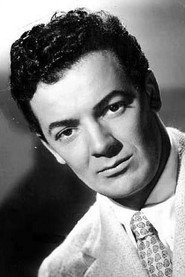 Cornel WildeRobert of Nottingham
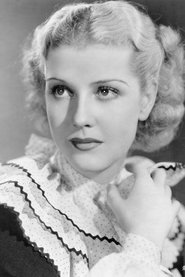 Anita LouiseLady Catherine Maitland
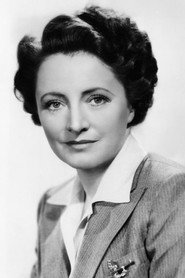 Jill EsmondThe Queen Mother
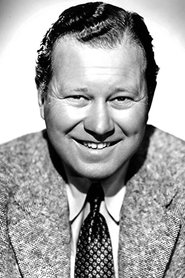 Edgar BuchananFriar Tuck
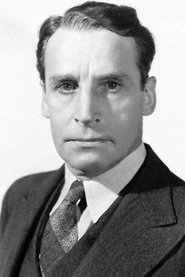 Henry DaniellThe Regent - William of Pembroke
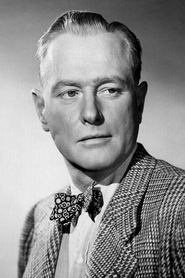 George MacreadyFitz-Herbert
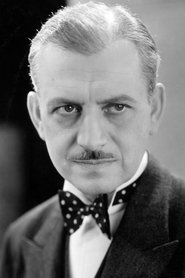 Russell HicksRobin Hood - Earl of Huntington
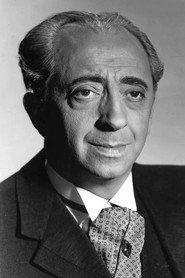 John AbbottWill Scarlet
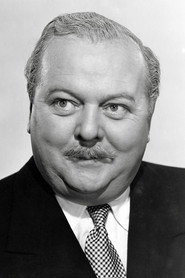 Lloyd CorriganSheriff of Nottingham
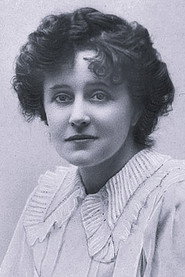 Eva MooreMother Meg
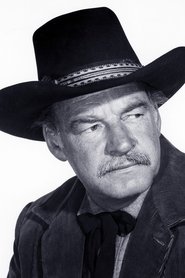 Ray TealLittle John
- Leslie DenisonAllan-A-Dale
Directing
- George ShermanDirector
- Henry LevinDirector
Writing
- Paul A. CastletonNovel
- Melvin LevyScreenplay
- Wilfrid H. PettittScreenplay
- Paul A. CastletonStory
- Wilfrid H. PettittStory
Production
- Edward M. SpitzAssociate Producer