
Film
The Confessional
A Québécois thriller that braids two timelines—a 1995 funeral and a 1952 film shoot—into a puzzle about identity, secrets, and what gets buried in families. Director Robert Lepage weaves Hitchcock into the fabric of the story itself. Visually inventive and emotionally complex, it's for viewers who like their mysteries architectural and their emotions earned.
Should you watch it?
Watch it if you like a thriller that folds two decades and two brothers' search for their past into one tangled puzzle, and you enjoy films that play with how stories get told and retold.
Skip it if you need a brisk, plot-driven pace, since this one lingers on mood and doubles back through its timelines, and its puzzle can feel more knotted than rewarding.
What it asks of you: A hundred minutes, unhurried, with jumps between eras that demand close tracking of who is who and when it is.
Not sure? Find tonight's pick in a minute.
If you liked this
Mulholland Drive2001
David Lynch splits Los Angeles across two realities to explore identity, ambition, and the stories we tell ourselves. Like The Confessional, it uses formal trickery to unlock emotional truth, not just to dazzle.
But Nearly three hours of increasingly abstract LA noir that resists easy answers. Some find the structure frustrating rather than revelatory.

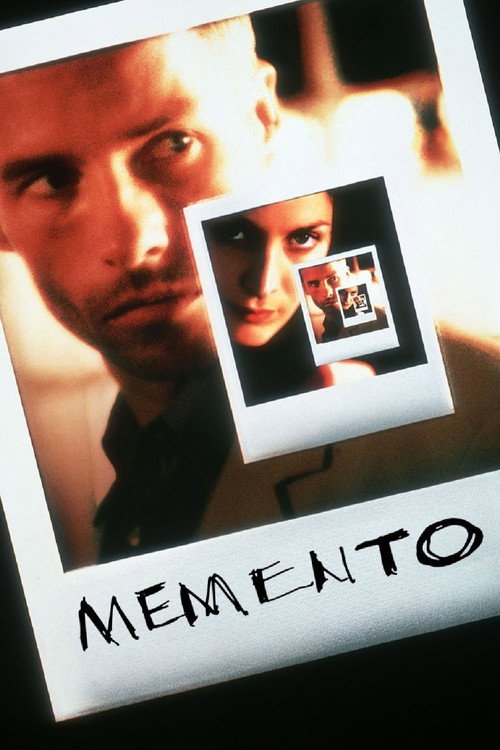
Memento2000
Christopher Nolan's backward-running thriller is propelled by the same question: how reliable is memory, and who are we if we can't trust it? The structure isn't show-off—it's the story.
But Reverse chronology can feel gimmicky on first watch. It demands attention and a second viewing to fully land.
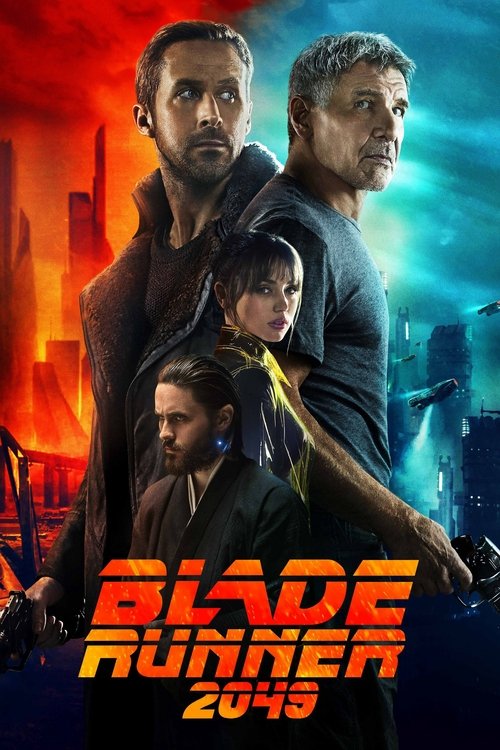
Blade Runner 20492017
Denis Villeneuve creates a mystery about identity across generations with painterly visuals and genuine emotional weight. Slow, deliberate, and haunted—the opposite of flashy.
But Some find it too quiet and meditative. At nearly three hours, patience is not optional.
Not sure tonight? Get a pick in a minute, starting from The Confessional
The wildcard
Something you would not have found on your own.
Hiroshima Mon Amour1959
Both films use two timelines as a form of emotional archaeology—digging through layers of time to unearth what's been buried. Both suggest that the past isn't past, it's woven into the present self.
Alain Resnais's masterpiece intercuts a wartime affair in Hiroshima with a contemporary romance, using fragmented time and unreliable memory to collapse past into present. It's pure cinema applied to grief and identity. Deeply moving and formally daring.
But Experimental French New Wave. Nearly two hours of poetic dialogue, elliptical narrative, and black-and-white sequences that demand active watching. Will feel impenetrable to viewers wanting plot.
More like this (7)
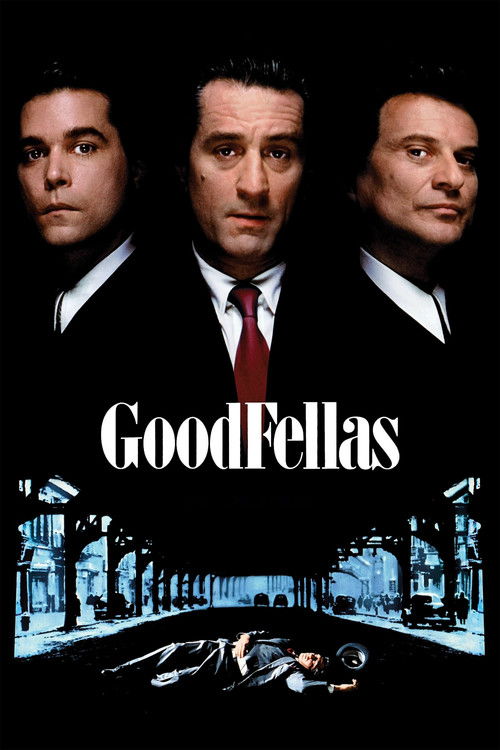
GoodFellas1990
Scorsese nests a 1950s-60s crime saga inside a contemporary frame, using voiceover and fragmented time to show how nostalgia and mythology distort the past. Propulsive where The Confessional is architectural, but the same DNA.
But Glorification of brutal men and casual violence toward women. The film's perspective doesn't excuse what it shows.
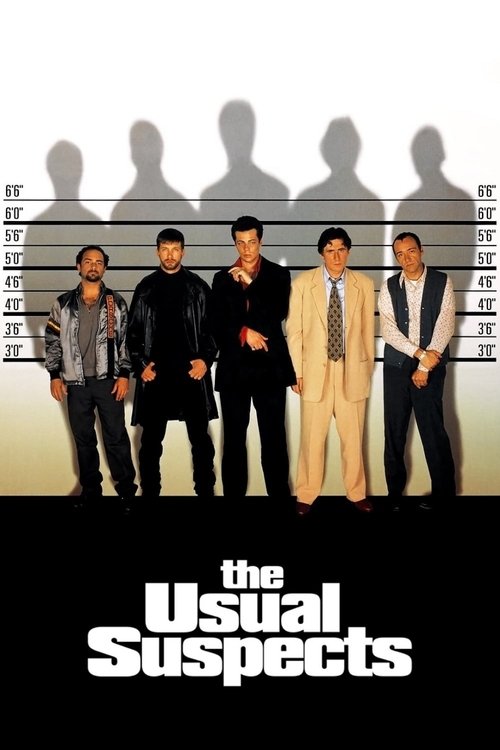
The Usual Suspects1995
Released the same year, it's a locked-room mystery that pivots on unreliable narration and identity as performance. The twist recontextualizes everything you thought you knew.
But The big reveal can feel cheap in retrospect. Some viewers resent being misled rather than delighted by it.
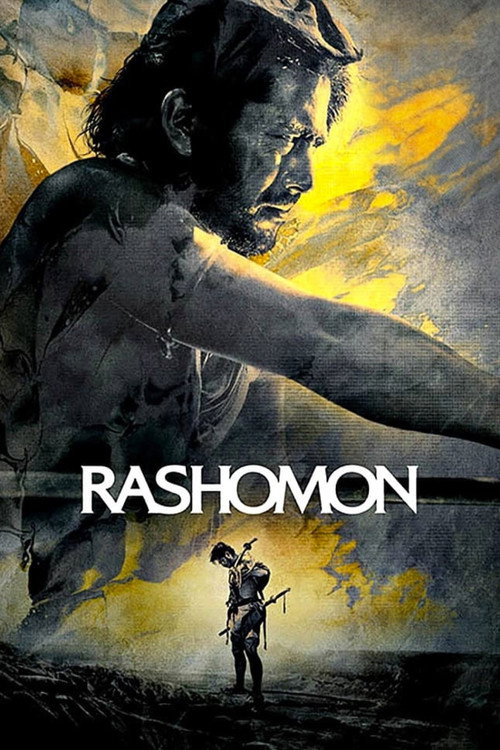
Rashomon1950
Kurosawa's masterpiece about a crime told four different ways asks: what is truth when everyone has a version? It's the ancestor to every film that doubts its own storytelling.
But Black-and-white 1950s cinema moves slowly. Without subtitles close by, patience required.
The Third Man1949
Carol Reed's postwar Vienna is a hall of mirrors where past and present collide, identities shift, and moral certainty dissolves. Visually stunning and narratively labyrinthine.
But The zither score is distracting to modern ears. Some find the pacing glacial.

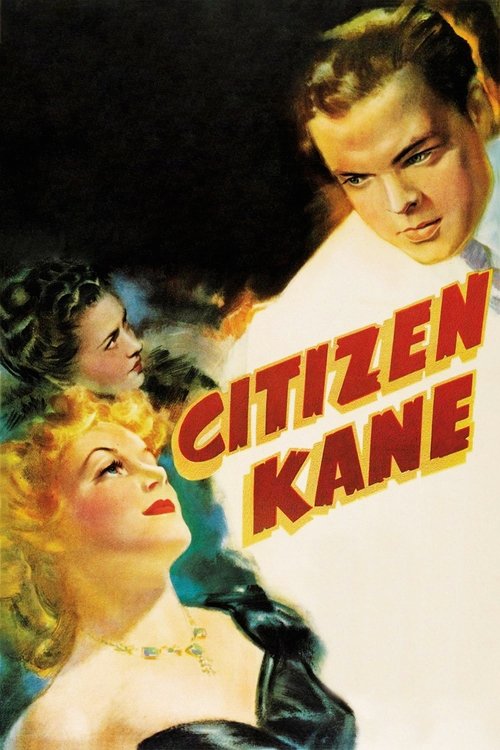
Citizen Kane1941
Welles fragments a life across multiple perspectives and timelines to ask who a person really is. The DNA of every ambitious mystery film that followed, including The Confessional.
But It's foundational and important rather than gripping. Feels more like homework than a thriller to some viewers.
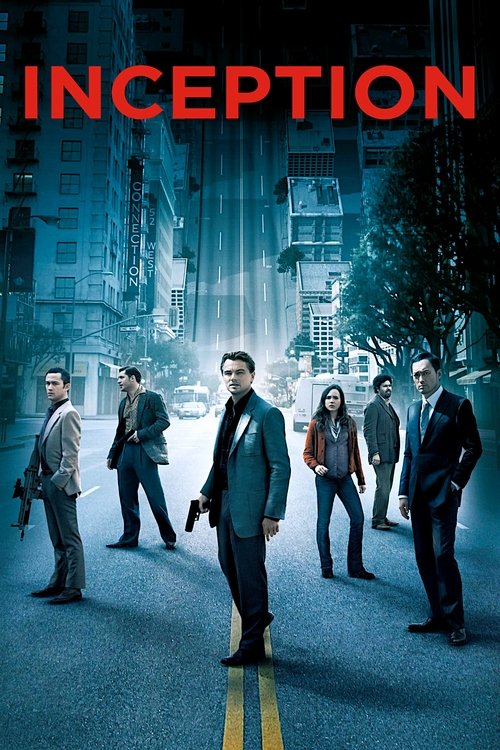
Inception2010
Nolan builds a thriller out of nested realities and the question of what's real. Spectacularly entertaining and emotionally intelligent in a way blockbusters rarely manage.
But Exposition-heavy dialogue and a third act that prioritizes spectacle over character. Some find it exhausting rather than exhilarating.
La Haine1995
Both are 1995 films that use formal invention—time fragmentation, visual language—not as flourish but as a way to express how identity is constructed by forces beyond individual control. Both refuse easy answers.
Mathieu Kassovitz filmed the same year uses a 24-hour span in suburban Paris to examine class, identity, and how systems dehumanize. Shot in arresting black-and-white, it's urgent, lean, and morally uncompromising.
But Gritty social realism about marginalized young men. Contains graphic violence and uses offensive language. Bleak without redemption. Not entertainment.

People
Cast
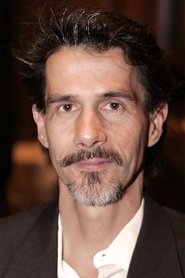 Lothaire BluteauPierre Lamontagne
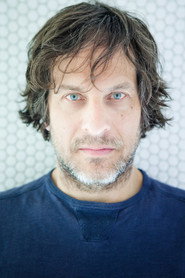 Patrick GoyetteMarc Lamontagne
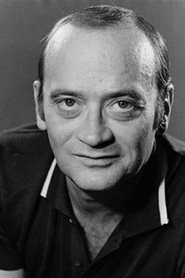 Jean-Louis MilletteRaymond Massicotte
 Kristin Scott ThomasAssistant to Hitchcock
- Ron BurrageAlfred Hitchcock
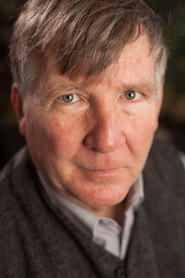 Richard FréchetteAndré Lamontagne
 François PapineauPaul-Émile Lamontagne
 Marie GignacFrançoise Lamontagne
 Normand DaneauThe Young Priest Massicotte
 Anne-Marie CadieuxManon
 Suzanne ClémentRachel
- Lynda BeaulieuJeanne d'Arc
Directing
- Robert LepageDirector
Writing
- Robert LepageWriter
Production
- Lucie RobitailleCasting
- Steve NorrisExecutive Producer
- David PuttnamProducer
- Denise RobertProducer
- Philippe CarcassonneProducer