
Film
Bad Education
Other titles called Bad Education: the 2012 series (BBC iPlayer), the 2019 film.
- Coming-of-age
- Very dark
Almódovar's unflinching drama traces a filmmaker confronted by his past when an old friend pitches a script about their shared Catholic boarding school days. It's a film about desire, shame, betrayal and survival, told with formal elegance and genuine tenderness. For anyone grappling with how institutions fail vulnerable children, or how memory rewrites itself to let us live.
Should you watch it?
Watch it if you enjoy nested stories that fold memory, fiction and performance into each other, and you don't mind a plot that rewards you for paying close attention to who is performing for whom.
Skip it if you find melodrama's flourishes showy, or you need a story to stay on one road, since its tangled timeline and church-school abuse make heavy going.
What it asks of you: It asks for sustained attention across two timelines and a story within a story, running a little under two hours and rarely letting you relax into it.
Not sure? Find tonight's pick in a minute.
If you liked this
Spotlight2015
Methodical journalism uncovering institutional abuse in the Catholic Church. It shares Bad Education's moral clarity without preaching, and its structure—investigation revealing deeper corruption—mirrors the script-within-the-script device beautifully.
But Procedural and measured to the point of restraint. If you need emotional catharsis or plot twists, it can feel slow and deliberately mundane.

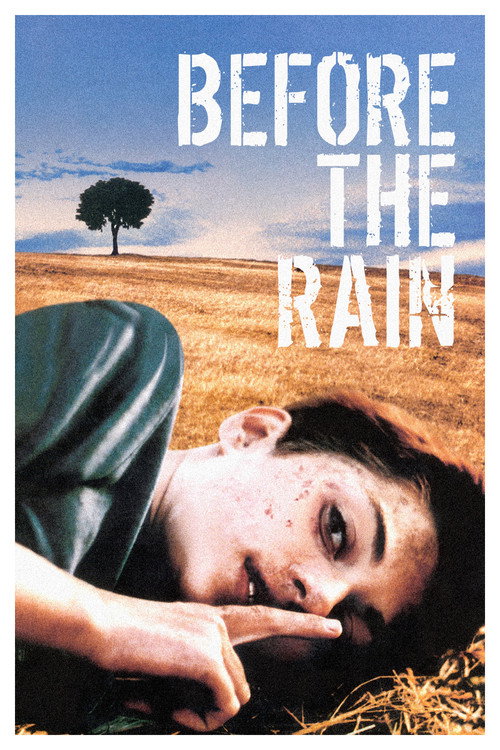
Before the Rain1994
A film about how memory deceives us, told in three interconnected chapters that loop back on themselves. The Balkans setting and violence differ, but the exploration of how we rewrite our own narratives feels kindred.
But Deliberately circular and enigmatic. It doesn't resolve so much as collapse inward, which some find philosophically rich and others find frustrating.
The Leopard1963
Visconti's meditation on old institutions crumbling, privilege unraveling, and the impossibility of innocence. Gorgeously shot, formally immaculate, and obsessed with how power hides behind tradition and ritual.
But Three hours long and European in pace. The political allegory can feel distant if you're not patient with its deliberate rhythms.

Not sure tonight? Get a pick in a minute, starting from Bad Education
The wildcard
Something you would not have found on your own.
The Night of the Hunter1955
Both films center on charismatic predators who exploit their authority over children, and both refuse to present their evil as aberration—it's embedded in institutions themselves. Both also use style and artifice to convey psychological states that realism cannot capture.
Charles Laughton's only directorial effort is a fever dream about predatory authority figures, childhood trauma, and the gothic underneath small-town America. Shot in expressionist black-and-white, it's visually operatic in ways that mirror Almódovar's baroque sensibility.
But Made in 1955 but feels like a nightmare from another decade entirely. The formal artificiality puts some viewers at a distance; it asks you to surrender to mood over naturalism.

More like this (8)
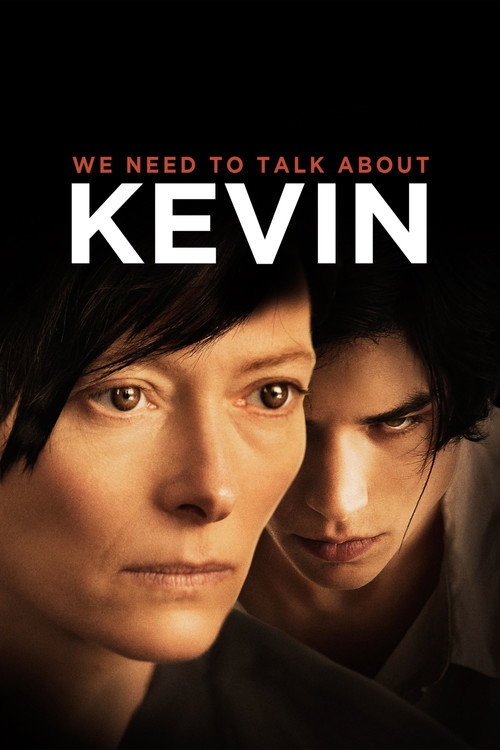
We Need to Talk About Kevin2011
A mother confronts a trauma so complete it fractures time itself. Like Bad Education, it refuses easy moral categories and uses form—fragmented editing, tonal shifts—to show how damage shapes memory.
But Deeply punishing to watch. The violence and recrimination accumulate into something that feels less like catharsis than endurance.
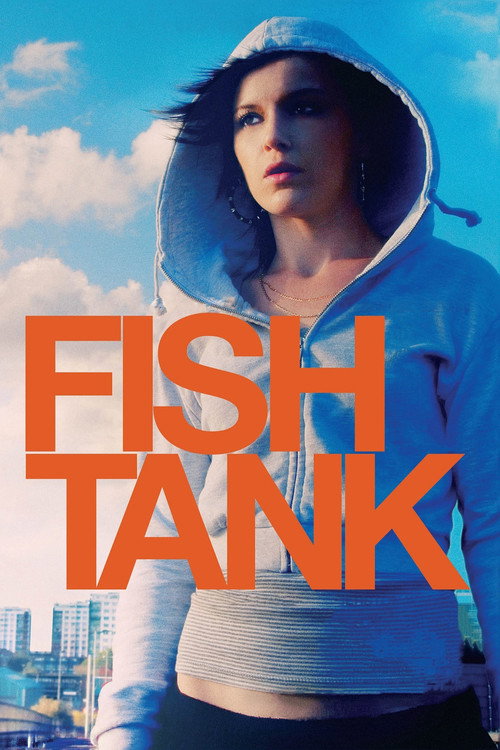
Fish Tank2009
Andrea Arnold's brutal portrait of desire, vulnerability and predatory men in working-class spaces. Gritty where Bad Education is baroque, but equally alert to how young people internalize the world's cruelty.
But Shot in documentary realism and feels grainy and claustrophobic. The abuse is implicit rather than shown, which paradoxically makes it harder to process.
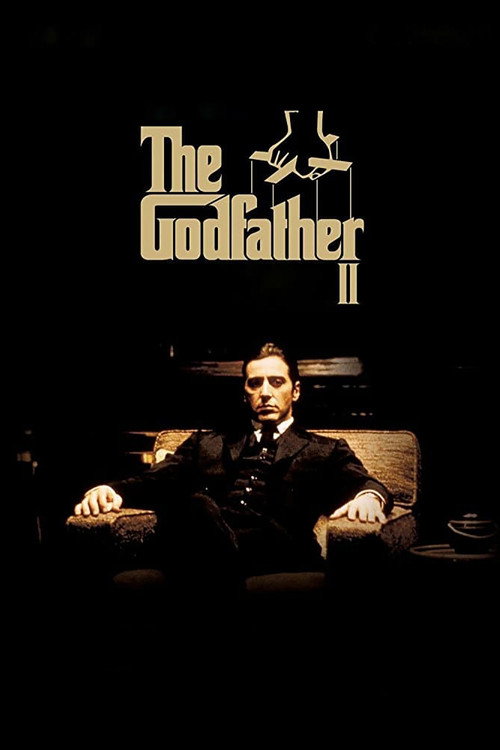
The Godfather Part II1974
A masterpiece about how trauma and betrayal echo through time. Its parallel structure—past informing present—inverts Almódovar's, but both films understand that understanding the past never redeems it.
But Epic and Mafia-focused; if you need intimate character work, the scope can dwarf the emotional stakes.
Mulholland Drive2001
David Lynch's LA nightmare where identity fractures and desire curdles into nightmare. Different style entirely, but shares an obsession with how memory and performance mask what we've survived.
But Surreal and deliberately obscure. It rewards multiple viewings but offers no definitive answers, which infuriates viewers seeking clarity.

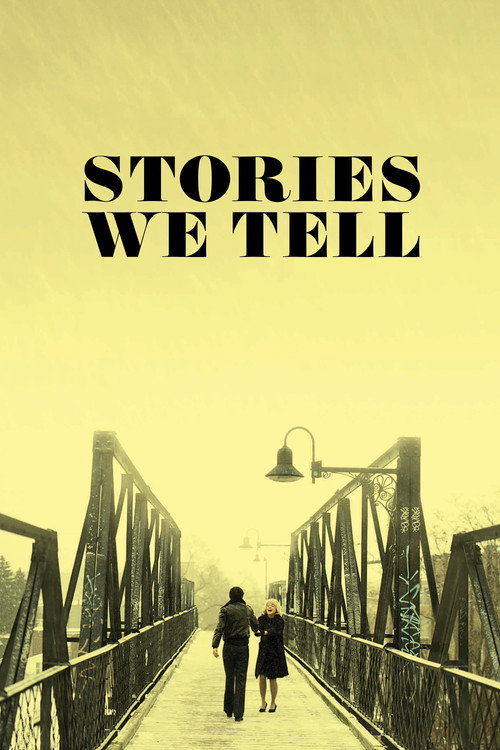
Stories We Tell2012
Michael Haneke in semi-documentary mode, examining how families narrate their own pasts. Operates at the exact intersection of truth, shame, and the stories we need to tell ourselves.
But Metatheatrical and conceptual; it's more interested in how narrative works than in plot momentum or character identification.
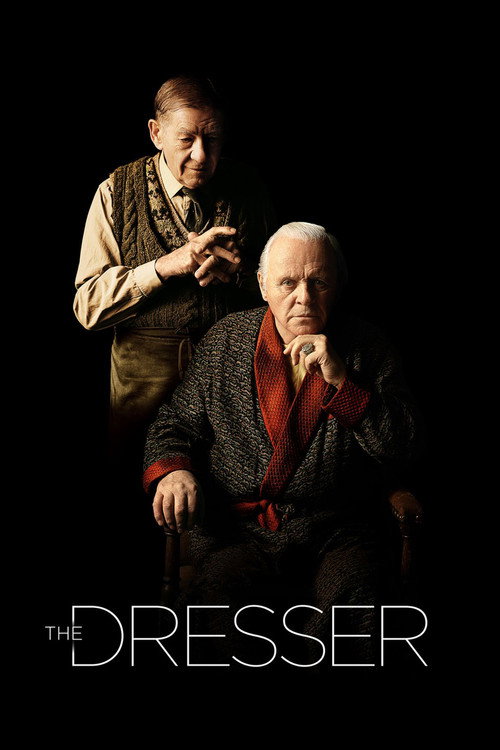
The Dresser2015
Peter Yates' intimate two-hander about an aging actor and his dresser, suffused with unspoken history and the weight of performance. It understands how people survive damage through ritual and attachment.
But Filmed and theatrical, almost chamber-like. Very dialogue-heavy; if you need cinematic dynamism, it can feel static and small.
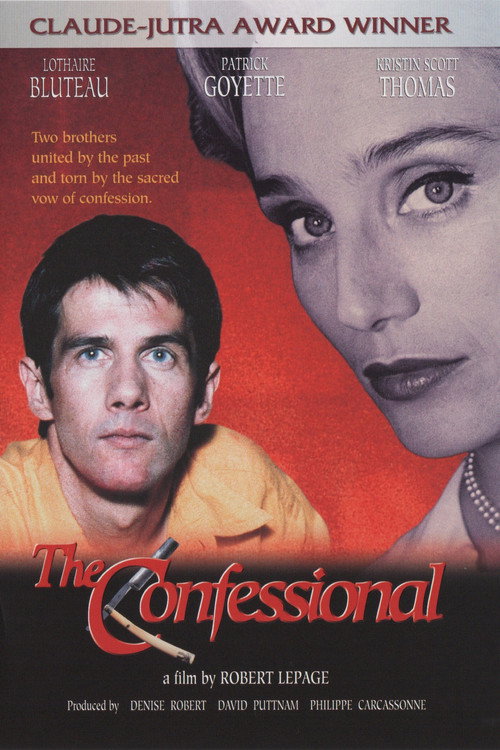
The Confessional1995
Both films are about artists processing institutional trauma through the act of creation. Both use the structure of a film-within-the-film or play-within-the-film, and both refuse to let the past be safely past.
Robert Lepage's memory play about a film crew returning to Quebec to shoot a movie about a 1952 murder in a cathedral. Past and present collapse, fragments yield no clear truth, and the Catholic Church's shadow looms throughout.
But Deliberately fragmented and philosophical. It prizes atmosphere and metaphor over plot clarity, which either mesmerizes or exhausts depending on your patience.
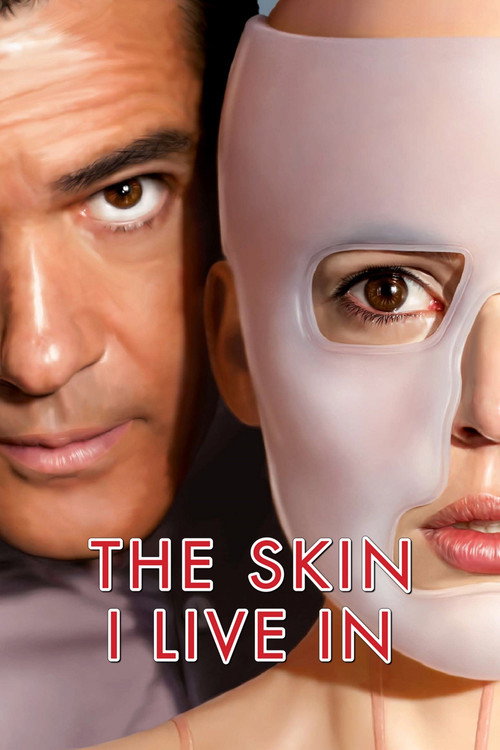
The Skin I Live In2011
Both are Spanish films about how trauma bonds people in codependent, impossible relationships. Both center on men grappling with desire and complicity, and both refuse to let us sit comfortably on either side of victim and perpetrator.
Almodóvar's contemporary, Antonio Banderas plays a surgeon obsessed with transformation and control after trauma. It's a Spanish thriller about how desire warps and wounds, with the baroque visual language and moral complexity you loved in Bad Education.
But A twist-focused genre exercise rather than a character study. If you valued Bad Education's emotional restraint, this one swings harder toward sensationalism and revenge fantasy.
People
Cast
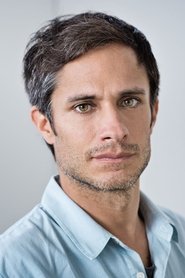 Gael García BernalÁngel / Juan / Zahara
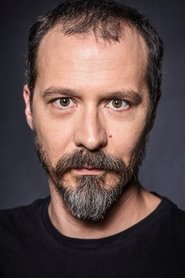 Fele MartínezEnrique Goded
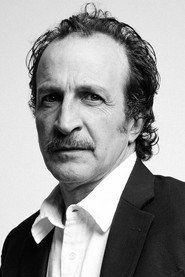 Daniel Giménez CachoPadre Manolo
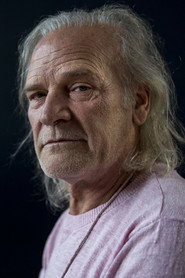 Lluís HomarSr. Berenguer
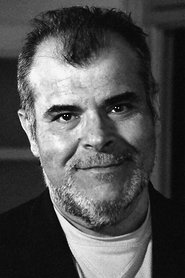 Francisco MaestrePadre José
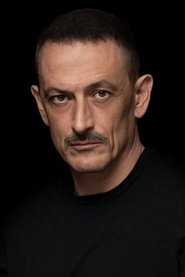 Francisco BoiraIgnacio
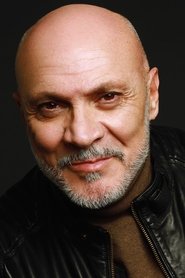 Juan FernándezMartín
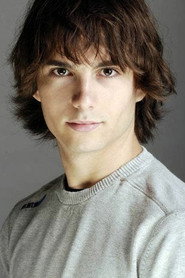 Nacho PérezYoung Ignacio
- Raúl García ForneiroYoung Enrique
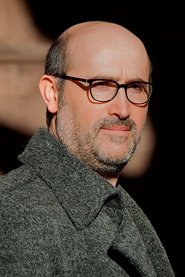 Javier CámaraPaca / Paquito
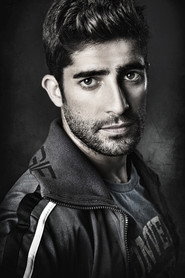 Alberto FerreiroEnrique Serrano
 Petra MartínezMadre
Directing
- David MartínezAssistant Director
- Alicia Fdez. AlberdiAssistant Director Trainee
- Pedro AlmodóvarDirector
- Ainara GameroSecond Assistant Director
- Jorge DoradoSecond Assistant Director
- Adolfo BellidoThird Assistant Director
- Patricia GuadañoThird Assistant Director
Writing
- Pedro AlmodóvarScreenplay
Production
- Joserra CadiñanosCasting
- Esther GarcíaExecutive Producer
- Agustín AlmodóvarProducer
- Pedro AlmodóvarProducer
- Angie PaúlProduction Assistant
- Toni NovellaProduction Manager
Recommended by
Catedrales, Vicky Cristina Barcelona, Broken Embraces, Jet Lag, Undertow, Tie Me Up! Tie Me Down!