
Film
Before the Rain
- War drama
- Very dark
A Macedonian monk shelters a fugitive girl fleeing sectarian violence in a story that folds back on itself, asking whether escape from war is ever truly possible. Shot with crystalline clarity, it moves between the Balkans and London, finding the same patterns of miscommunication and failure repeating across continents. Hypnotic and austere; for patient viewers drawn to structural ambition and moral complexity.
Should you watch it?
Watch it if you like a puzzle built from echoing scenes, where a repeated image or a silence carries more weight than any speech, and you don't mind the pieces clicking together late.
Skip it if you need a steady plot you can follow without effort, since its fractured timeline and heavy, bleak mood ask you to sit with unresolved dread and rarely let up.
What it asks of you: Long takes and hushed stretches, with time jumping back and forth across a wartime landscape and a London interior; patience matters more than quick comprehension.
Not sure? Find tonight's pick in a minute.
If you liked this
Requiem for a Dream2000
Darren Aronofsky's fractured narrative also circles obsessively, layering sound and image to convey how desire and addiction trap us. Like *Before the Rain*, it refuses linear comfort and makes form inseparable from meaning.
But Relentlessly bleak and assaultive—Aronofsky's style can feel punishing rather than illuminating. Some find the technical showmanship overwhelms the human story.

Come and See1985
Elem Klimov's film about a boy conscripted into war is equally unflinching about violence's circularity and corruption. Both films treat conflict as a spiritual catastrophe, not a plot. Essential and devastating.
But Extremely graphic and traumatic. Long stretches of relentless horror may feel gratuitous rather than clarifying, even to patient viewers.

Mulholland Drive2001
David Lynch's labyrinthine Los Angeles mirrors *Before the Rain*'s circular structure—we discover we've been watching multiple timelines or versions of events. Both demand active reconstruction from fragments.
But Deliberately obscure and frustrating by design. If you want answers, this will exhaust you. Some see it as brilliant; others as self-indulgent.

Not sure tonight? Get a pick in a minute, starting from Before the Rain
The wildcard
Something you would not have found on your own.
Stalker1979
Both use a physical journey as metaphor for spiritual/moral entrapment. Characters move through space and time but cannot escape their own nature or their society's patterns. Tarkovsky's frame, like Manchevski's, is painterly—every shot demands patience and contemplation.
Andrei Tarkovsky's philosophical science-fiction film moves slowly through a mysterious zone toward a hidden room, digressing into long conversations about desire and faith. It shares *Before the Rain*'s conviction that the journey's structure—not the destination—carries all meaning.
But Nearly three hours of deliberate pacing, philosophical monologue, and visual stasis. Many find it interminable; some sleep through it.

More like this (7)
In the Mood for Love2000
Wong Kar-wai's film about unspoken longing and missed connection shares *Before the Rain*'s quiet devastation. Every frame is composed like a still life; watching feels like reading poetry.
But Plot barely exists. It's pure mood and visual language—if you need narrative momentum, you'll find it glacial and repetitive.

The Leopard1963
Visconti's meditation on a nation in upheaval examines how private lives and public violence cannot be separated. A masterpiece about the impossibility of standing still while history moves.
But Nearly three hours of Sicilian melancholy and political philosophy. The pacing is stately; modern viewers often find it mannered.

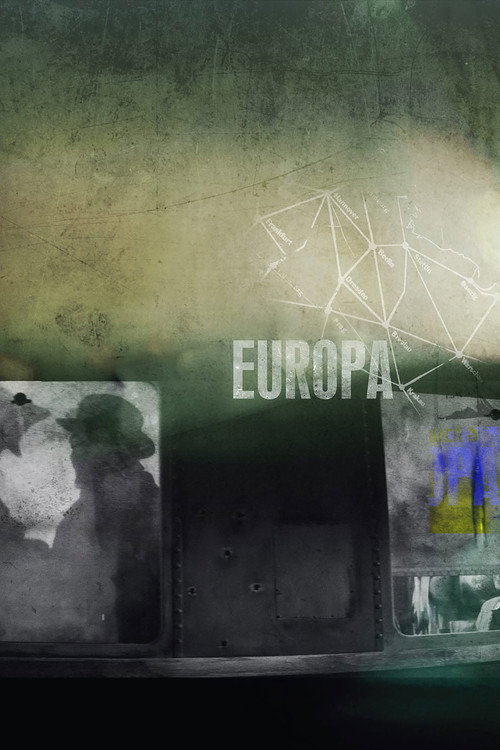
Europa1991
Lars von Trier's formally audacious film about post-war occupation uses fragmented narrative and trickery to suggest how trauma distorts reality. It's strange in the way *Before the Rain* is—ambitious and uncompromising.
But The self-conscious technique can feel cold and distant. Some viewers resent being puzzled rather than moved.
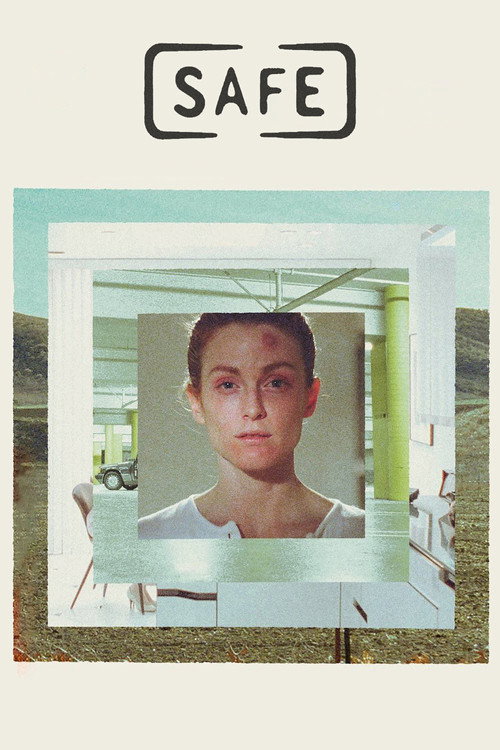
Safe1995
Todd Haynes's film about environmental illness and isolation captures the same quiet dread and slow dissolution as *Before the Rain*. Both find horror in the ordinary failure of communication.
But Offers no resolution or medical explanation—the ambiguity infuriates some viewers. Julianne Moore's performance is deliberately blank, which some find frustrating.
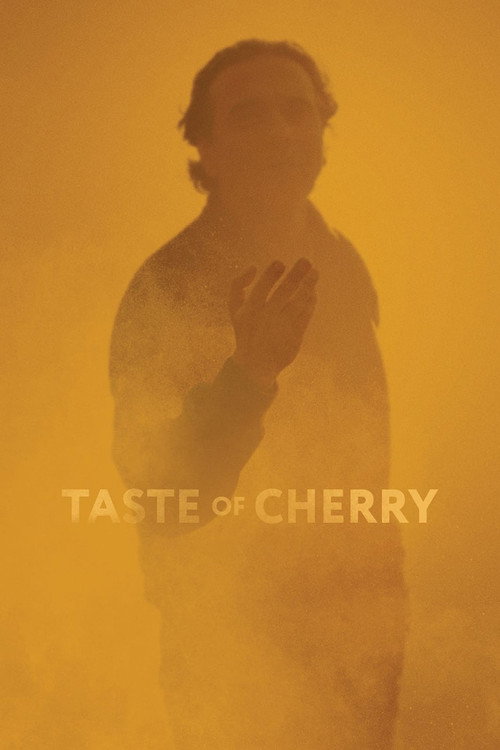
Taste of Cherry1997
Abbas Kiarostami circles obsessively around a central act never shown, using repetition and unanswered questions as his method. A profound meditation on how we talk about unbearable things.
But Nearly static—a man drives, picks up passengers, talks. If you need plot or conventional drama, this will feel like waiting for a bus.
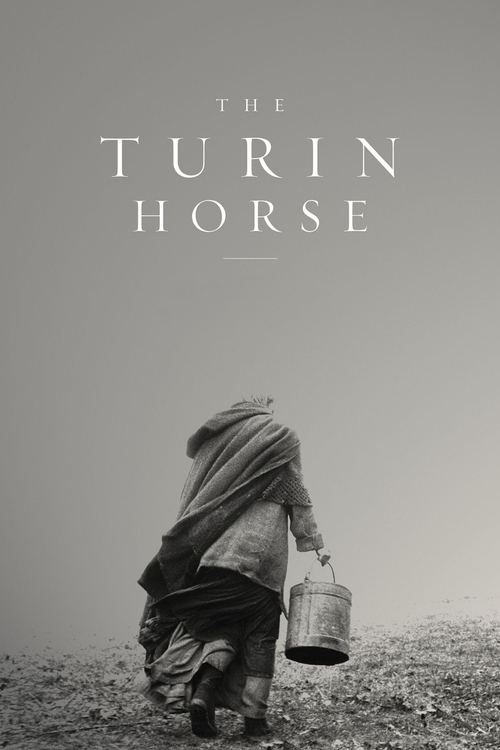
The Turin Horse2011
Béla Tarr's final film is a study in circularity and decline—each day repeats the last with slight, crushing variations. It mirrors *Before the Rain*'s formal obsessions with decay and recurrence.
But Stark black-and-white, 146 minutes, almost plotless. Watching it feels like witnessing the end of the world. Bleak does not begin to cover it.
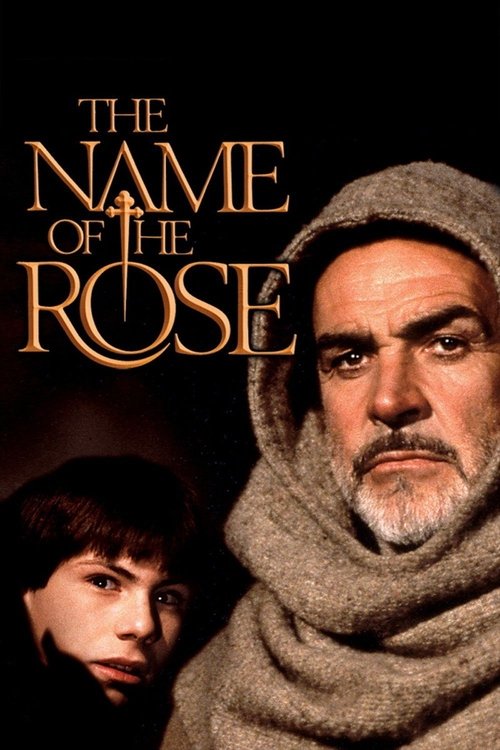
The Name of the Rose1986
Both feature monks grappling with the tension between spiritual vows and worldly violence. Both use cloistered spaces—monastery, village under siege—to examine how isolated communities process morality. Both are visually composed to suggest that form and content are one.
Jean-Jacques Annaud's medieval detective film centers on a monk (Sean Connery) investigating a murder in an isolated monastery. Like *Before the Rain*, it treats faith, silence, and violence as inseparable, and uses architecture and ritual as visual language for moral questions.
But Deliberately paced and cerebral rather than thrilling. The historical setting and theological debates bore action-film audiences. The ending may feel unmotivated if you haven't been tracking the philosophy.
People
Cast
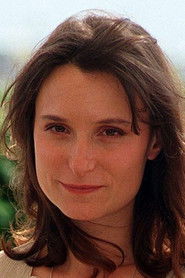 Katrin CartlidgeAnne
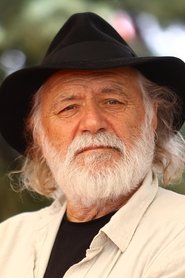 Rade ŠerbedžijaAleksander
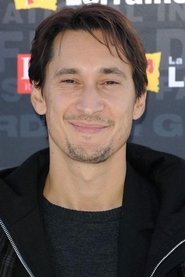 Grégoire ColinKiril
 Labina MitevskaZamira
 Phyllida LawAnne's Mother
 Jay VilliersNick
- Josif JosifovskiFather Marko
- Kiril RistoskiFather Damjan
 Petar MirčevskiZdrave
- Ilko StefanovskiBojan

Directing
- Mary SoanAssistant Director
- Piers ThompsonAssistant Director
- Vanja AljinovicAssistant Director
- Milcho ManchevskiDirector
- Biljana MirkovicScript Supervisor
- Renée GlynneScript Supervisor
Writing
- Milcho ManchevskiWriter
Production
- David RedmanAssociate Producer
- Sheila Fraser MilneAssociate Producer
- Frédérique Dumas-ZajdelaCo-Producer
- Marc BaschetCo-Producer
- Chris ThompsonLine Producer
- Paul SaronyLine Producer
- Cat VilliersProducer
- Čédomir KolarProducer
- Sam TaylorProducer
- Tori ParryProduction Coordinator
- Simon HardyProduction Manager
- Nikola PopovicProduction Supervisor
Recommended by
Bad Education, Savage Nights, Flesh and Blood, Castaway, The Doctor's Dilemma, Los Andes no creen en Dios, Father and Son, In the Land of Blood and Honey, Elephant, Funeral Parade of Roses, Undertow, Twice Born, Fellow Traveller, Tara Road, The Awakening, Windigo, Occupation in 26 Pictures, 3 Into 2 Won't Go