
Film
Funeral Parade of Roses
- Social drama
- Romance
- Very dark
A 1969 Tokyo fever dream where gender, desire, and identity collide in a queer bar. Shoji Terayama's radical film moves like a poem—fractured, sensual, formally daring—following Eddie into a triangle of passion and peril. Essential viewing for anyone interested in how cinema can break itself open.
Should you watch it?
Watch it if you love films that break their own rules, with jagged editing, documentary interviews and playful fourth-wall games that make a bar drama feel like a restless experiment in identity.
Skip it if you want a story that moves steadily from scene to scene, since this one loops, fractures and stops for mood, and its restless style can feel more like an argument than a narrative.
What it asks of you: It runs about 105 minutes but feels longer in its sharp, shifting rhythm, asking you to stay alert to visual and structural tricks rather than simply follow along.
Not sure? Find tonight's pick in a minute.
If you liked this
In the Mood for Love2000
Wong Kar-wai's visual intoxication with desire and longing, told through color, reflection, and restraint. Like Terayama, he photographs yearning as a physical force. You'll recognize the emotional frequency.
But Deliberately paced and melancholic. If you need plot momentum or resolution, this will frustrate you.

Mulholland Drive2001
Lynch's fractured narrative about performance, identity, and the self collapsing under pressure. Same willingness to abandon linear storytelling for emotional and psychological truth. Hypnotic rather than plot-driven.
But Deliberately obscure and demanding. The last hour asks you to remake the film in your own mind, which some find pretentious.

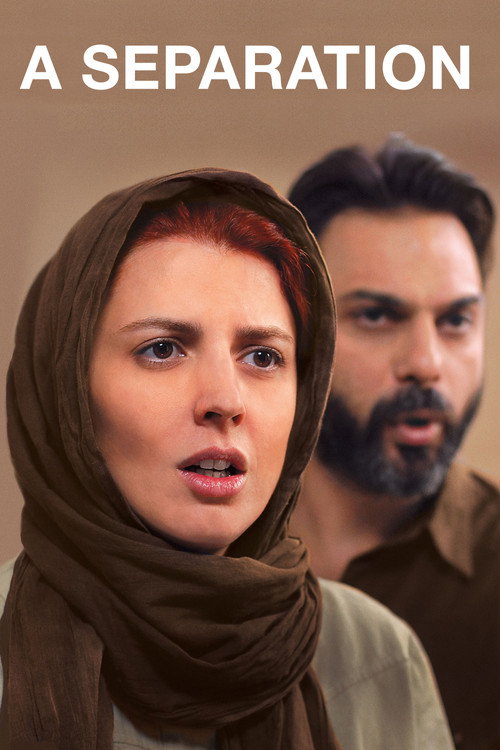
A Separation2011
Asghar Farhadi's precise, devastating look at how relationships splinter—the moral ambiguities, the small betrayals, the way love and cruelty live in the same room. Equally unsentimental about desire and connection.
But Primarily a legal and social drama. There's no catharsis, just the weight of bad choices. Very slow to reveal what's really happening.
Not sure tonight? Get a pick in a minute, starting from Funeral Parade of Roses
The wildcard
Something you would not have found on your own.
The Ballad of Little Jo1993
Both films use historical/geographical remove to interrogate gender as performance. Both ask: who are you when you have to become someone else to live?
Maggie Greenwald's Western about a woman who passes as a man to survive the frontier. Deceptively accessible but structurally similar to Funeral Parade—both films are about how identity is costume, how survival requires reinvention, how the self is performed rather than discovered. Both interrogate gender as a construct long before it was fashionable.
But A period piece that moves like a conventional biography for its first half. Some viewers expect a different kind of Western. The film's formal sophistication is buried in apparent simplicity.

More like this (6)
Tokyo Story1953
Ozu's masterwork about family, time, and the ache of being alive. Like Terayama, he finds profundity in everyday texture and gesture. Shows you what Japanese cinema was capable of before Terayama broke it open.
But Appears to be about nothing—old people visiting relatives. If you need conventional drama or spectacle, it will seem boring.

Hiroshima Mon Amour1959
Resnais and Duras create a film as much about cinema itself as about two lovers. Fragmented memory, formal experimentation, and desire as an incomprehensible force. Shares Terayama's interest in how form carries meaning.
But The dialogue is more important than plot. Requires active, thoughtful watching; some find it alienating rather than moving.
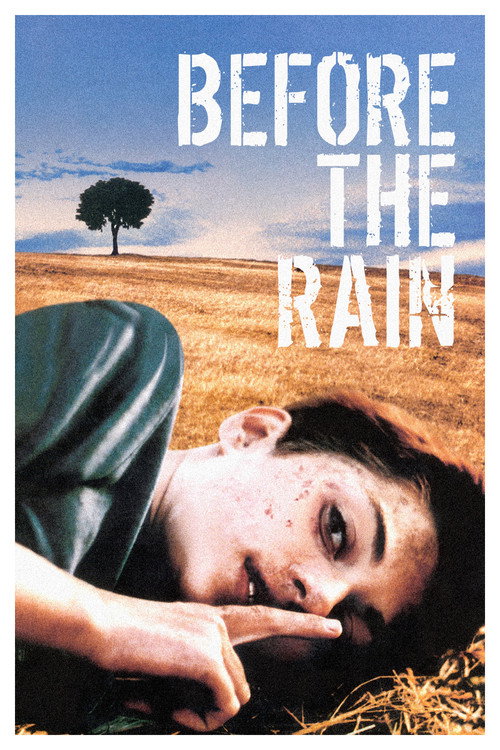
Before the Rain1994
Manchevski's circular narrative about violence, love, and fate in the Balkans. Non-linear storytelling that circles back on itself emotionally. Same sense that cinema can reshape time to match feeling rather than fact.
But The violence is sudden and brutal. The circularity frustrates some viewers—if you want linear progress, this denies it.
Stalker1979
Tarkovsky's metaphysical meditation on desire and the impossibility of knowing what we want. Structurally hypnotic, visually spare, deeply philosophical. Both artists use cinema to approach the spiritual.
But Nearly three hours of slow, painterly cinema. Plot is minimal. Many find it glacial; others call it transcendent. There's no middle ground.

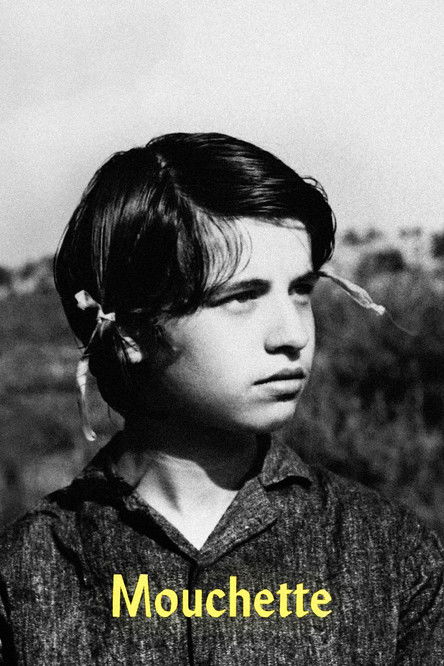
Mouchette1967
Bresson's unsparing portrait of a girl in freefall—powerless, abused, seeking escape. Radical in its refusal to sentimentalize suffering. Like Terayama, he trusts formal severity to convey emotional truth.
But Deeply dark and difficult. Bresson's style is austere to the point of coldness. Deeply sad without offering comfort or resolution.
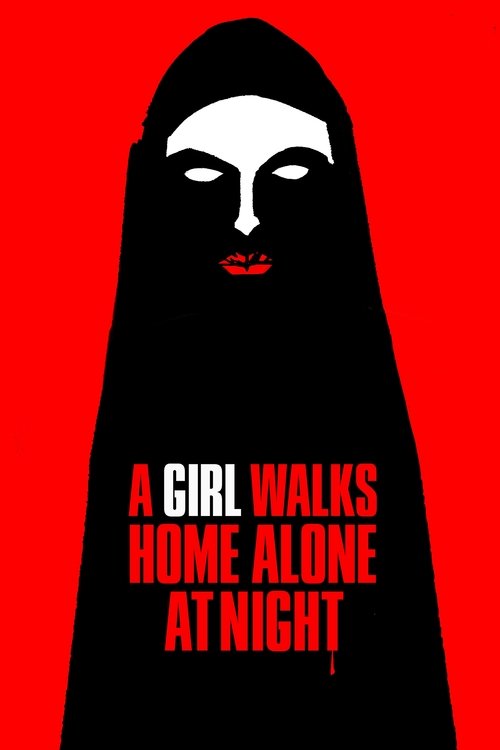
A Girl Walks Home Alone at Night2014
Ana Lily Amirpour's debut is formally audacious—a vampire film in black and white, mixing Persian and American gothic. Like Terayama, she builds mood and alienation through visual invention rather than narrative mechanics.
But Slow, atmospheric, and visually cryptic. Some find it pretentious. The narrative is deliberately elusive; conventional plot summary fails.
People
Cast
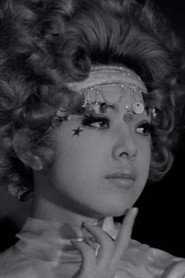 Shinnosuke IkehataEddie
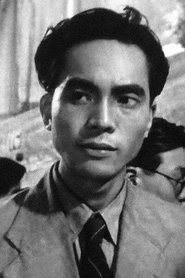 Yoshio TsuchiyaGonda
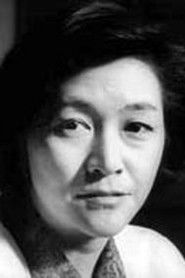 Emiko AzumaEddie's Mother
 Osamu OgasawaraLeda
- Yoshimi JôJimi
- Koichi NakamuraJuju
- Flamenco UmejiGreco
- Saako OotaMari
- Tarô ManjiNora
- Toyosaburo UchiyamaGuevara
Directing
- Akio OkumuraAssistant Director
- Ken UesugiAssistant Director
- Kunio KuritaAssistant Director
- Masato HaraAssistant Director
- Toshio MatsumotoDirector
Writing
- Toshio MatsumotoScreenplay
Production
- Keiko MachidaProducer
- Mitsuru KudoProducer
Recommended by
SPL 2: A Time for Consequences, Audrey Rose, Landscape After Battle, Tere Naam, Sinai Field Mission