
Film
Tere Naam
Salman Khan plays a street rowdy who falls for a traditional Brahmin girl and transforms his life for love, only to be shattered by family rejection. It's a masala film that swings wildly between action spectacle and intimate heartbreak, anchored by Khan's charisma and a genuinely tragic second half. Built for audiences who want romance with real stakes and don't mind melodrama as long as it's felt deeply.
If you liked this
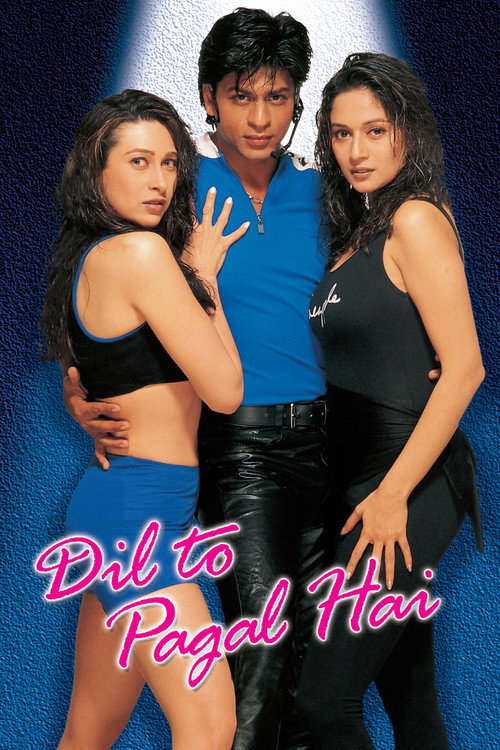
Dil To Pagal Hai1997
Shah Rukh Khan and Madhuri Dixit in a film about impossible love that prioritizes the joy and pain of devotion over practical outcomes. It has that same willingness to break hearts for the sake of romance.
But The dance numbers and glossy production can feel dated now, and it won't surprise you with plot turns if you've seen romantic melodramas before.
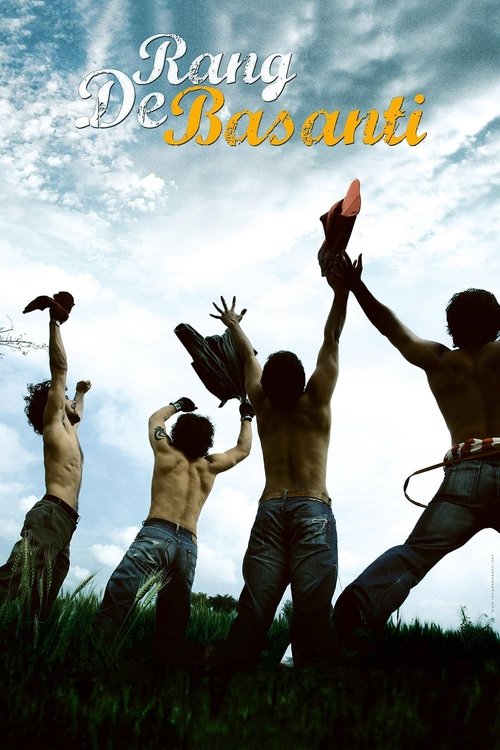
Rang De Basanti2006
Aamir Khan in a film about a young man transformed by purpose and principle, with genuine action sequences serving character rather than just spectacle. It understands how love—romantic or patriotic—can completely remake someone.
But The second half's tonal shift toward activism-as-violence will alienate viewers looking for pure romance, and the messaging can feel heavy-handed.
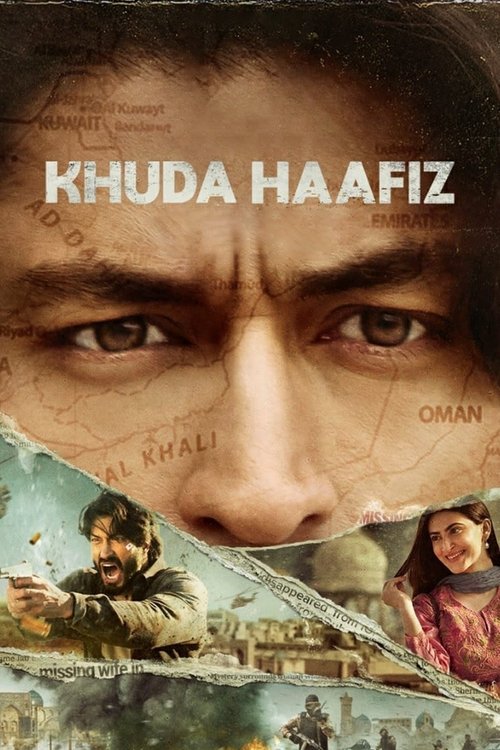
Khuda Haafiz2020
Vidyut Jammwal's raw intensity in a thriller about a man driven to extremes for someone he loves. It has that same desperation and willingness to let the story go to dark places that love can take you.
But It's grittier and less glamorous than Bollywood romance usually allows, which some might find uncomfortable or tonally mismatched from what they expect.
Not sure tonight? Get a pick in a minute, starting from Tere Naam
The wildcard
Something you would not have found on your own.
Harakiri1962
Both films use love as the engine for a man's transformation, then ask what society owes to that devotion when it refuses to accept it. Both end in irreconcilable loss.
Masaki Kobayashi's masterpiece about a samurai destroyed by a rigid social code that refuses to recognize his love and sacrifice. It has the same structure as Tere Naam—transformation through devotion, then annihilation by circumstance—but renders it as pure tragedy without melodrama. The depth of feeling is unbearable.
But It's a black-and-white Japanese period film with no action sequences in the modern sense; watching it requires sitting with grief rather than being entertained by it. It's punishing.

More like this (5)
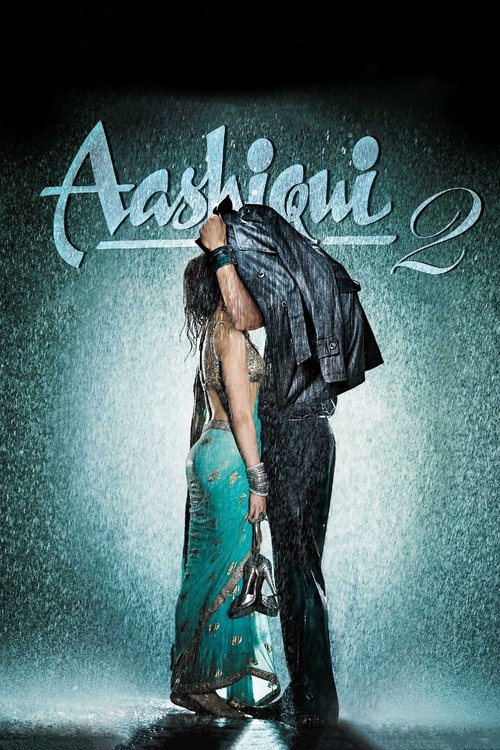
Aashiqui 22013
Aditya Roy Kapur and Shraddha Kapoor in a romance where love becomes complicated by circumstance and self-destruction. The film earns its emotional devastation rather than just stating it.
But It's slower and more restrained than action-driven romance; if you want spectacle over introspection, this won't satisfy.
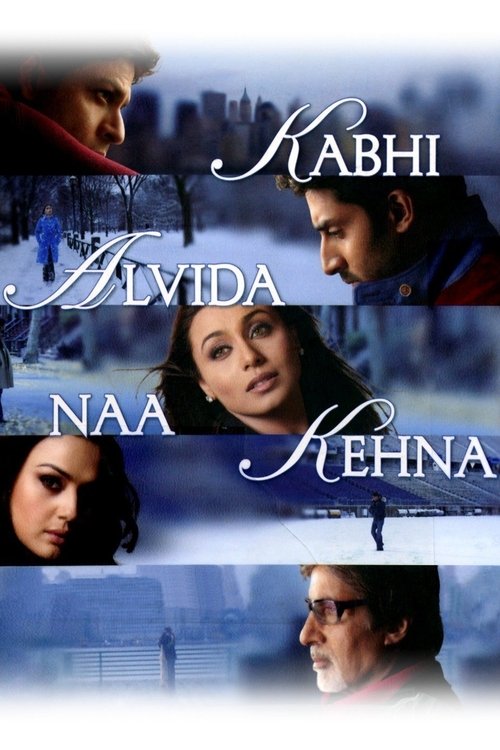
Kabhi Alvida Naa Kehna2006
Amitabh Bachchan and Shah Rukh Khan exploring how love can survive impossible circumstances and social judgment. It takes romantic commitment seriously as a moral and emotional choice.
But The film is very long and plays as relationship drama rather than adventure; some find its treatment of infidelity manipulative.
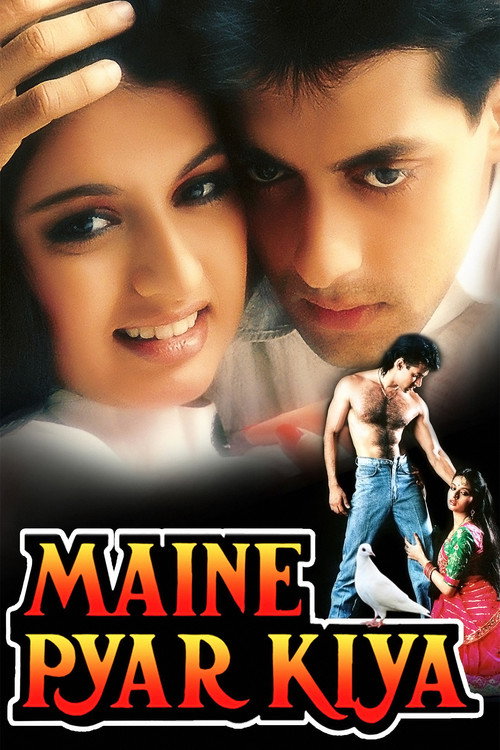
Maine Pyar Kiya1989
Salman Khan and Bhagyashree in the blueprint for Bollywood romance: a boy pursues a girl despite every obstacle, and the film believes completely in the righteousness of that pursuit.
But It's extremely dated now, moves slowly, and its worldview about romance and persistence will grate on modern sensibilities.
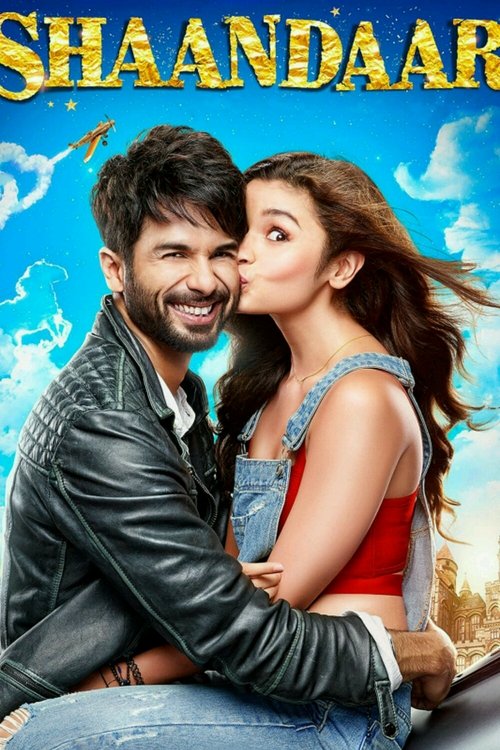
Shaandaar2015
Shahid Kapoor in a romantic drama where a man's love for a woman drives both transformation and self-discovery. It has genuine emotional stakes despite its glossy exterior.
But The film divides viewers sharply; some find it sincere and others find it overwrought and artificially heightened.
Funeral Parade of Roses1969
Both films depict love as an overwhelming force that destroys the lover as much as it transforms them. Both suggest that some devotions are too intense to survive in the world as it is.
Shoji Terayama's avant-garde masterpiece about a young gay man in Tokyo's underground, obsessed with an older performer in ways both erotic and destructive. It has Tere Naam's obsessive intensity and willingness to depict love as something that corrodes and unmakes you, but in a completely different register—formal experimentation, queer desire, the aesthetic distance of art cinema instead of melodrama.
But It's difficult, fragmented, genuinely strange, and makes no concessions to accessibility. If you want plot or emotional comfort, stay away.

People
Cast
 Salman KhanRadhe Mohan
 Bhumika ChawlaNirjara Bharadwaj
 Sachin KhedekarRadhe's brother
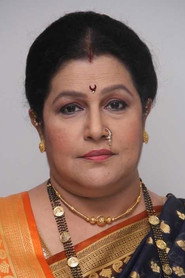 Savita PrabhuneRadhe's sister-in-law
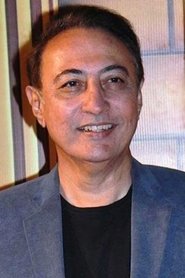 Anang DesaiDoctor
 Ravi KishanRameshwar
 Sarfaraz KhanAslam
 Darshan KumaarKanak
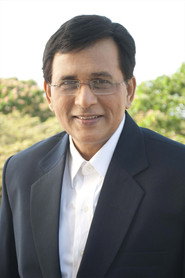 Dinesh KaushikAatmaram
 Radhika ChaudhariBeggar
 Saurabh DubeyPriest
 Mahima ChaudhrySpecial Appearance in "O Jaana" (Song)
Directing
- Brijesh SinghAssistant Director
- Rakesh SinghAssistant Director
- Satish KaushikDirector
Writing
- Jainendra JainDialogue
- Jainendra JainScreenplay
- BalaWriter
- Vijaysinh GolWriter
Production
- Jitender K BaggaExecutive Producer
- Mukesh TalrejaProducer
- Sunil ManchandaProducer