
Film
Audrey Rose
- Drama
- Fantasy
- Supernatural horror
- Very dark
A man becomes obsessed with a stranger's daughter, convinced she is his dead child reborn. This 1977 supernatural thriller sits uneasily between psychological study and occult horror, generating dread through suggestion rather than spectacle. It's a film about grief twisted into something dangerous—compelling for those drawn to slow-burn 70s cinema and unsettling for anyone who appreciates ambiguity over answers.
Should you watch it?
Watch it if you are drawn to slow, talky supernatural stories where the horror lives in doubt and family arguments rather than jump scares, and you don't mind a question staying open for a long time.
Skip it if you need brisk pacing or a horror film that keeps its scares coming, because this one lingers in conversations and gets by on unease.
What it asks of you: Expect a patient two-hour sit, with long stretches of dialogue and grief before the film lets its unsettling questions tighten.
Not sure? Find tonight's pick in a minute.
If you liked this
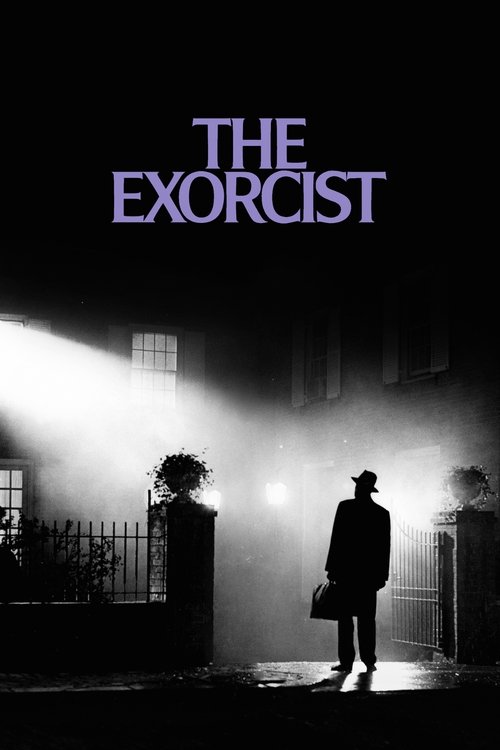
The Exorcist1973
Shares the 70s supernatural horror aesthetic and deep investment in the psychological toll of inexplicable events. Both films treat their premises with absolute seriousness, generating unease through character and atmosphere rather than jump scares.
But The possession narrative overshadows everything else, and the pacing demands patience. Gore and shock value may feel dated to modern viewers accustomed to faster editing.
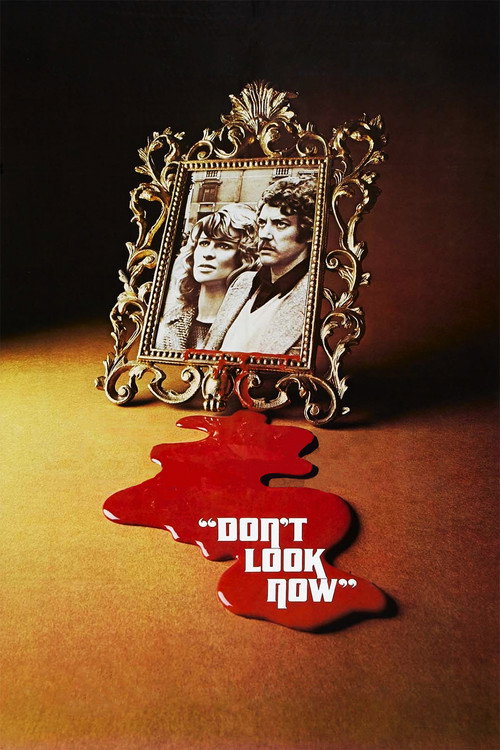
Don't Look Now1973
A masterclass in paranoia and grief as corrupting forces. Like Audrey Rose, it trusts the audience to sit with ambiguity and builds dread through what's *not* shown. Both explore how desperation can distort perception.
But Deliberately obscure and withholding. If you need clear answers or forward momentum, the pacing will feel glacial and frustrating.
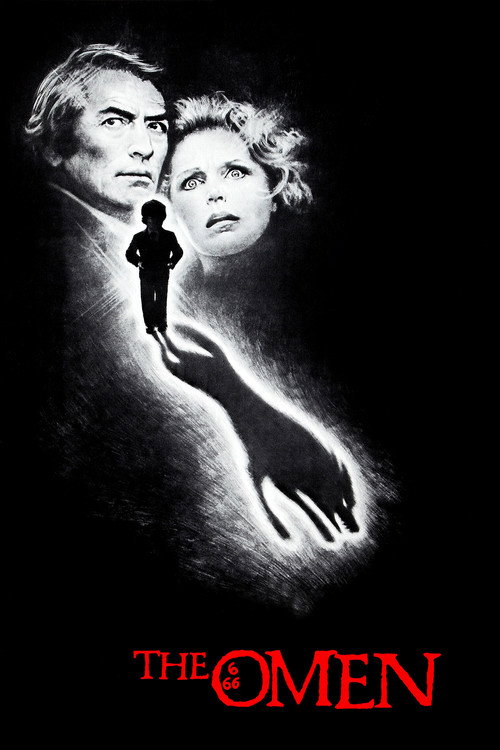
The Omen1976
Contemporary supernatural thriller with the same 70s atmosphere and exploration of supernatural certainty colliding with disbelief. Both feature ordinary people drawn into inexplicable circumstances that escalate quietly.
But More conventionally plotted than Audrey Rose, and relies on some now-familiar horror tropes. The supernatural elements are treated more straightforwardly.
Not sure tonight? Get a pick in a minute, starting from Audrey Rose
The wildcard
Something you would not have found on your own.
The Seventh Seal1957
Both films treat the supernatural not as a puzzle to solve but as a mirror for what characters need to believe. The real story is internal, not external.
Bergman's meditation on mortality, faith, and the human need to locate meaning in the face of incomprehensible loss. Both films are about how we project belief onto absence, how desperate love demands answers the universe refuses to give.
But This is philosophy as cinema; there is no plot to drive you forward. Black and white, subtitled, entirely humorless. It will feel remote from Audrey Rose's domestic thriller surface.

More like this (8)
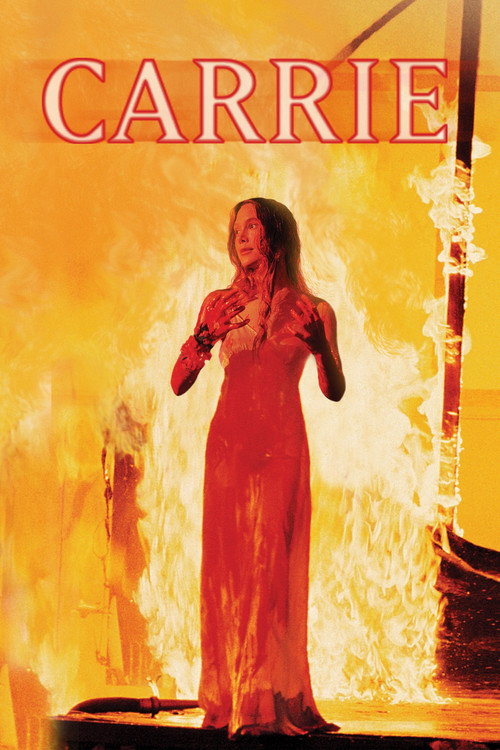
Carrie1976
Another 1976 horror film centered on a young girl, with deep empathy for her inner life. Brian De Palma's direction shares the 70s precision; both films build dread through character study.
But Carrie is far more violent and moves toward cathartic destruction. If you want a film that stays unsettled, this resolves in ways Audrey Rose refuses to.
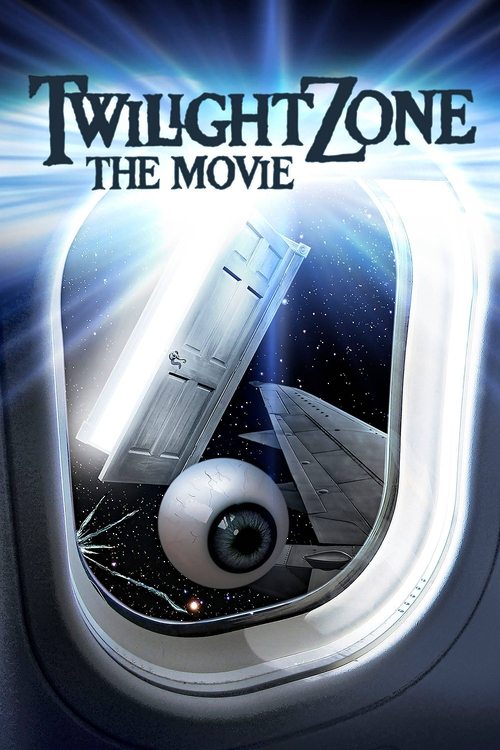
Twilight Zone: The Movie1983
Captures the same anthology-thriller sensibility and interest in the uncanny premise taken seriously. The best segments explore how ordinary lives rupture when the inexplicable intrudes.
But Uneven in quality across its segments. Some sections feel dated or rely too heavily on twist endings rather than sustained dread.
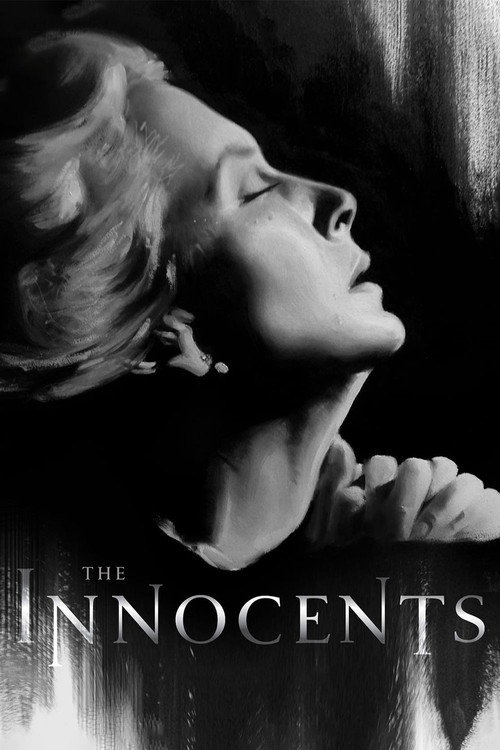
The Innocents1961
A haunting ghost story that, like Audrey Rose, leaves you genuinely uncertain whether supernatural forces or psychology are at work. Both films prize atmosphere and ambiguity above easy answers.
But Shot in black and white and deeply slow-paced. The restraint that makes it masterful will feel frustrating to viewers wanting overt scares.
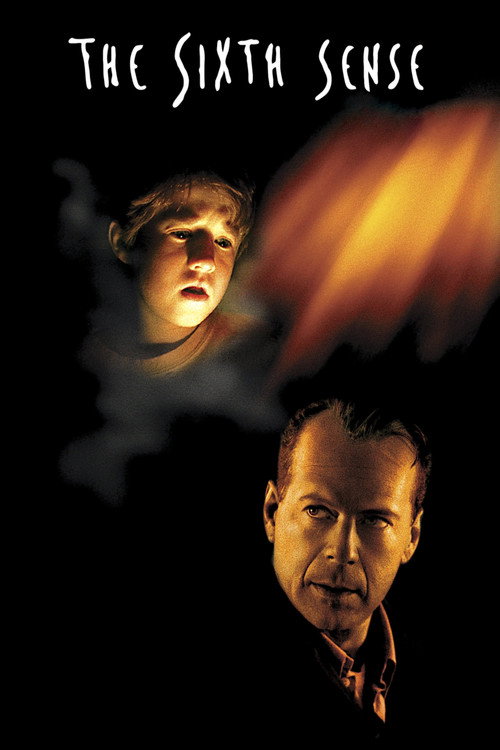
The Sixth Sense1999
Explores communication between the living and dead with genuine pathos. Both films center on adults who need children to validate experiences others dismiss as delusion.
But The famous twist ending feels engineered. Audrey Rose's ambiguity is more philosophically honest; this one trades depth for surprise.
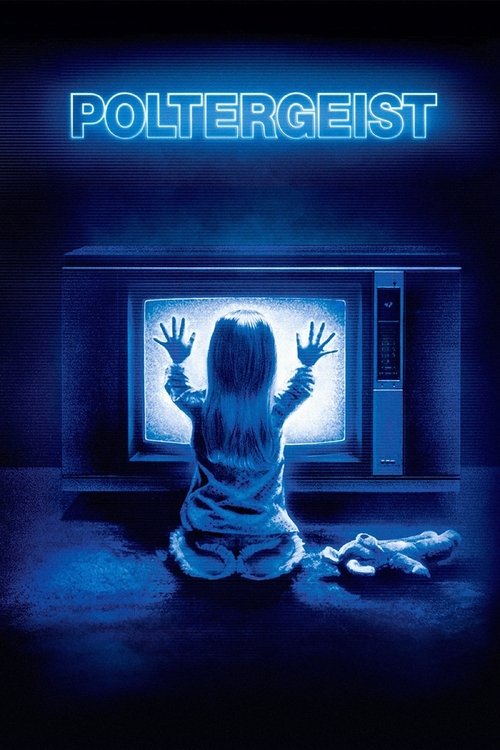
Poltergeist1982
Supernatural threat to a child at the center, with parental desperation driving the narrative. Both films explore how love can become dangerous when confronted with inexplicable loss.
But Far more action-oriented and climax-driven. It resolves where Audrey Rose remains suspended, which some find cathartic and others find dishonest.
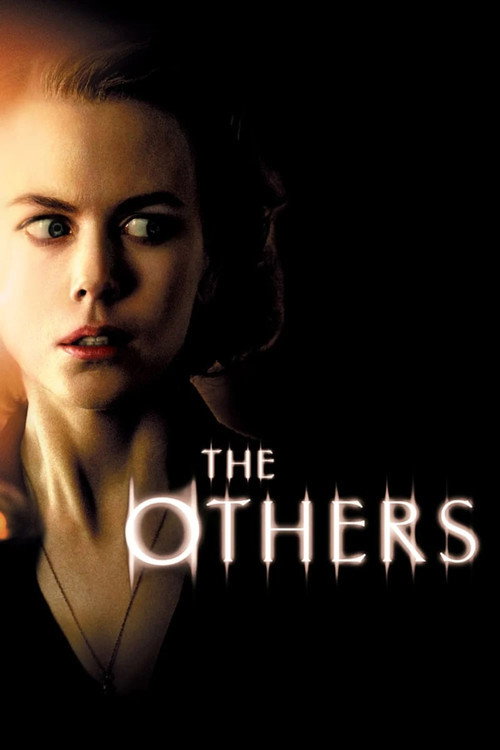
The Others2001
Another film that weaponizes ambiguity, asking whether we're witnessing hauntings or psychological breakdown. Shares Audrey Rose's commitment to dread over spectacle and its exploration of grief as distorting lens.
But The twist, while elegant, privileges a single 'correct' reading. Audrey Rose's refusal to confirm anything makes it richer and stranger.
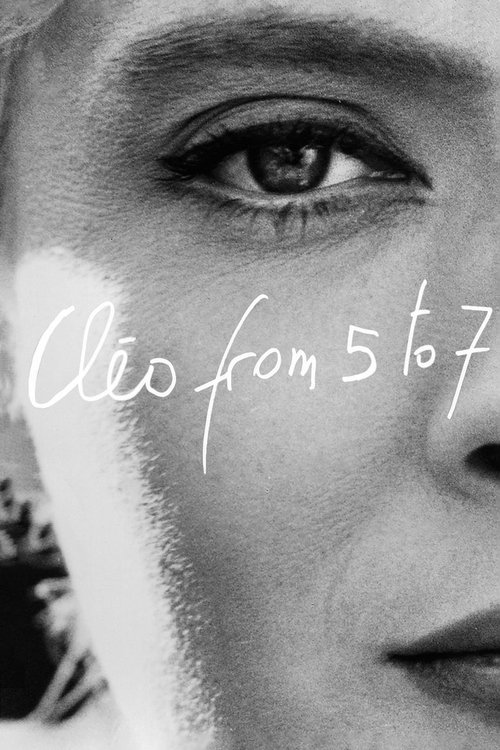
Cléo from 5 to 71962
Both films are about waiting and the unbearable weight of uncertainty. One projects it onto the supernatural; the other stays grounded in psychology. Both refuse easy resolution.
A woman waits for test results that may confirm terminal illness, and we follow ninety minutes of her spiraling thoughts and encounters. Like Audrey Rose, it's about anxiety, certainty, and how the mind constructs narratives to manage unbearable possibility.
But Nothing dramatic happens. It's a character study from French New Wave cinema—meditative, sometimes playful, utterly interior. If you watch Audrey Rose for the reincarnation mystery, this will seem to have no plot whatsoever.
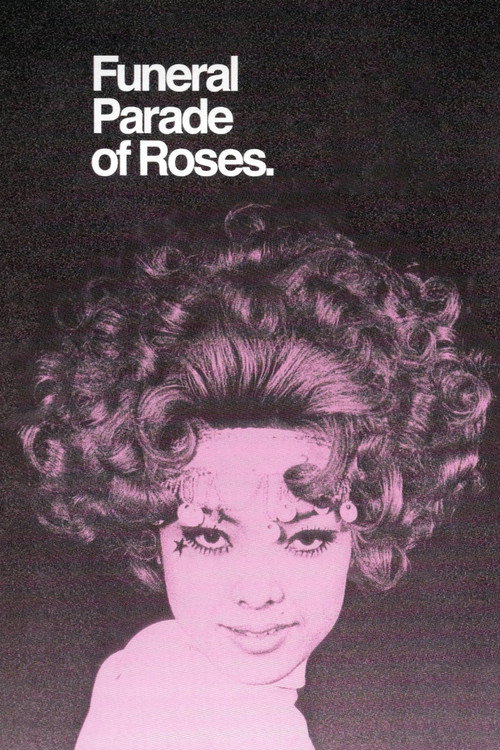
Funeral Parade of Roses1969
Both films make you question what you're seeing, but where Audrey Rose uses reincarnation as the engine, this one uses form and cutting. Same psychological territory, radically different language.
A surreal, experimental film that obliterates the boundary between reality and delusion through form itself—not through plot. It captures the same vertigo Audrey Rose achieves through narrative: the question of what is real becomes genuinely destabilizing.
But Avant-garde experimental cinema shot on Super 8. Fragmented, non-linear, sometimes chaotic. If you want a coherent supernatural thriller, this will feel like watching someone else's dream.
People
Cast
 Marsha MasonJanice Templeton
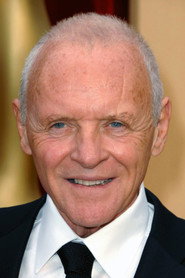 Anthony HopkinsElliot Hoover
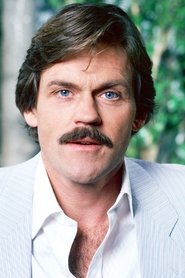 John BeckBill Templeton
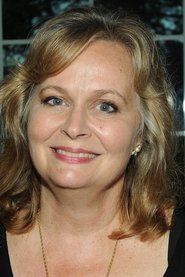 Susan SwiftIvy Templeton
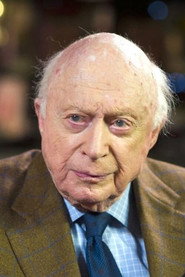 Norman LloydDr. Steven Lipscomb
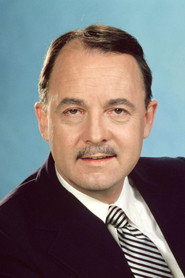 John HillermanScott Velle
 Robert WaldenBrice Mack
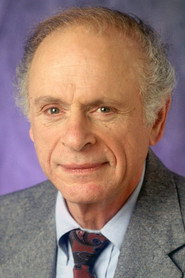 Philip SterlingJudge Langley
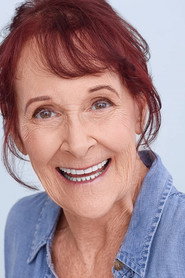 Ivy JonesMary Lou Sides
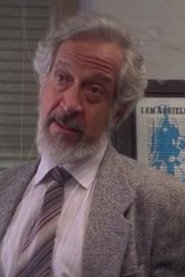 Stephen PearlmanRuss Rothman
- Aly WassilMaharishi Gupta Pradesh
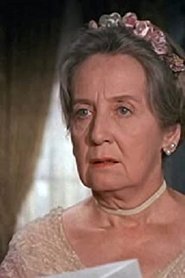 Mary JacksonMother Veronica
Directing
- Robert WiseDirector
Writing
- Frank De FelittaNovel
- Frank De FelittaScreenplay
Production
- Lynn StalmasterCasting
- Frank De FelittaProducer
- Joe WizanProducer