
Film
Sinai Field Mission
A 1978 documentary embedded with American technicians and diplomats running an early-warning system in the Sinai Desert, monitoring the fragile Egyptian-Israeli ceasefire. It's a quietly absorbing portrait of bureaucratic surveillance, geopolitical tension, and the unglamorous daily work that prevents wars. For viewers curious about Cold War machinery and how peace actually gets maintained.
If you liked this
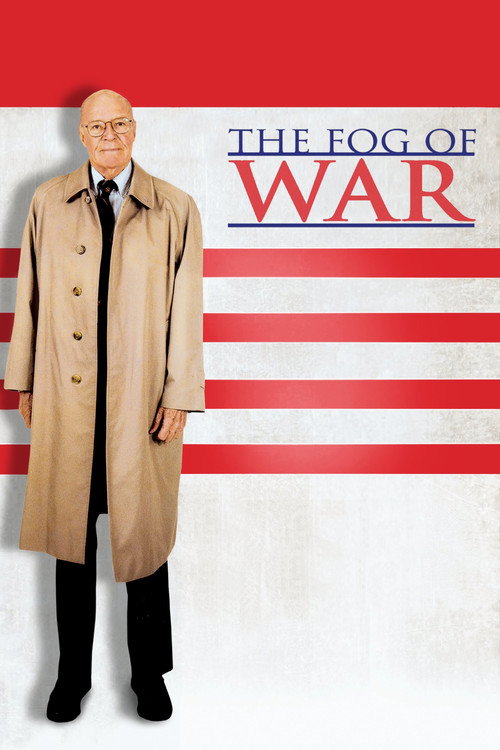
The Fog of War2003
Errol Morris's study of Robert McNamara and military decision-making shares this film's interest in how power operates behind closed doors, with careful attention to the human cost of strategy and the gap between intention and outcome.
But It's an interview conducted across a series of talking-head shots, which can feel static if you're expecting conventional narrative or visual variety.
Winter Light1963
Bergman's meditation on faith, duty, and the weight of maintaining order when everything feels fragile. Like Sinai Field Mission, it finds profound tension in routine and the moral strain of just continuing to show up.
But It's austere, slow, and more interested in spiritual crisis than plot. Not everyone wants that kind of heaviness from their watching.

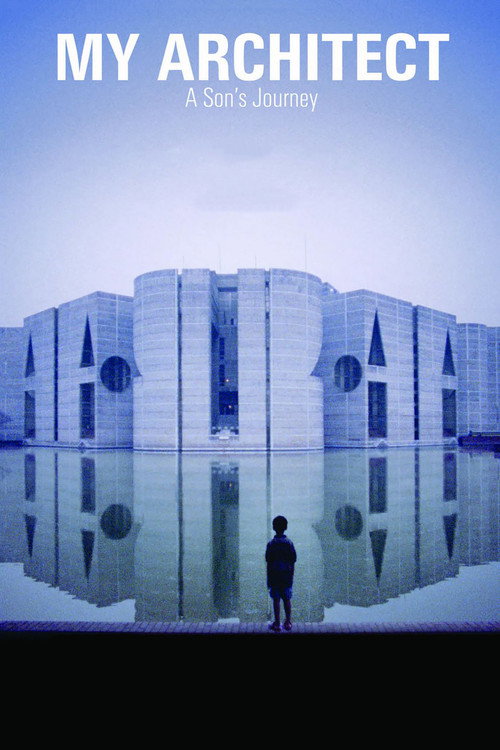
My Architect: A Son's Journey2003
Another documentary about systems and secrets—Louis Kahn's hidden life, his legacy, what remains after someone is gone. It has the same patient, observational tone and the same sense that small details reveal enormous truths.
But The personal story can feel slightly tangential to the architectural inquiry, which may frustrate viewers wanting clearer narrative propulsion.
Not sure tonight? Get a pick in a minute, starting from Sinai Field Mission
The wildcard
Something you would not have found on your own.
Stalker1979
Both treat movement through restricted space as a form of inquiry; both suggest that the real story is in how people navigate boundaries, not in what's theoretically being protected.
Tarkovsky's science-fiction film about a guide leading visitors through a mysterious zone to a forbidden room shares Sinai Field Mission's fascination with thresholds, boundaries, and what happens when you move slowly through space designed to contain danger. It's hypnotic and philosophical.
But It's three hours of deliberate, meditative cinema with minimal plot and no conventional drama. Patience is not optional; it's the entire experience.

More like this (6)
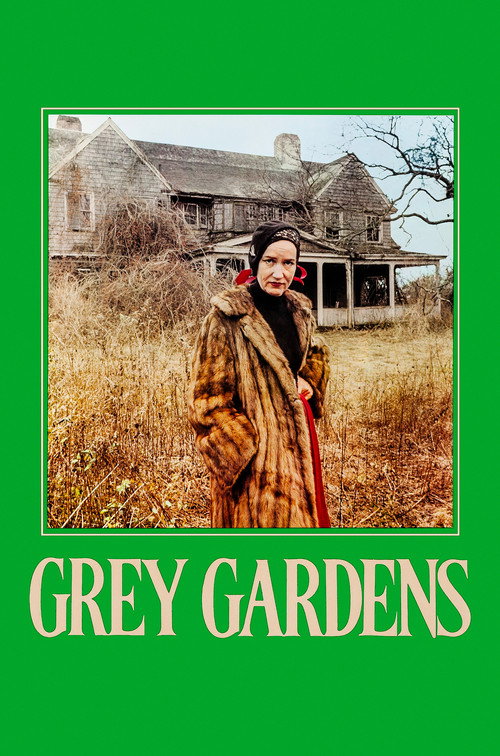
Grey Gardens1976
The Maysles brothers' intimate portrait of two women living in isolation, filmed with the same documentary restraint and refusal to manipulate. It's about people trying to maintain a world that's slowly collapsing around them.
But It's uncomfortable and claustrophobic by design. The subjects' deterioration is not presented sympathetically or ironically—just documented, which can feel exploitative.
The Act of Killing2012
Joshua Oppenheimer's film about Indonesian death-squad commanders grapples with how history is made and maintained, how power narrates itself. It shares Sinai Field Mission's interest in the apparatus of control and the people inside it.
But It's brutal and sometimes grotesque. The filmmaking can feel manipulative, and the moral weight is immense in ways that don't let you off easy.

Sans Soleil1983
Chris Marker's essay-film about memory, politics, and observation across multiple continents. It moves the way Sinai Field Mission does: patient, digressive, finding philosophical weight in what seems mundane.
But There's no conventional plot or argument. It requires active engagement and rewards contemplation over passive watching.

Night and Fog1956
Alain Resnais's short film about the Holocaust uses restrained, careful observation to explore systems of horror. It shares this documentary's conviction that how we look at something—and who looks—fundamentally changes what it means.
But It's deeply disturbing and deals with atrocity. The brevity actually intensifies rather than softens the impact.
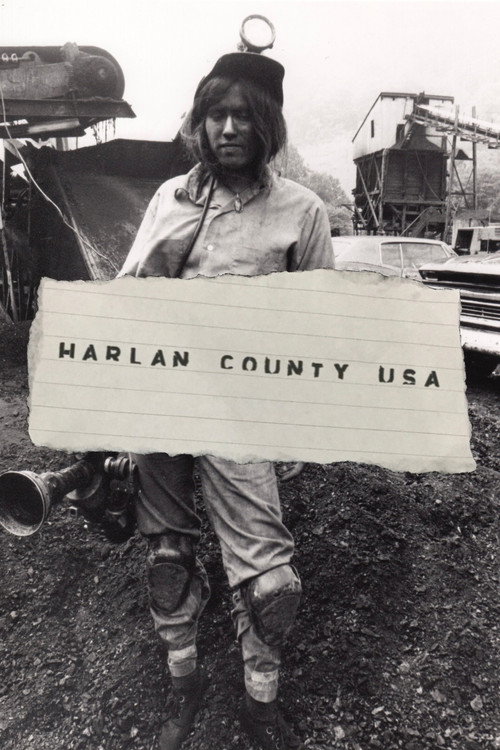
Harlan County U.S.A.1976
Barbara Kopple's documentary about a Kentucky coal strike has the same embedded, observational clarity. It trusts the viewer to draw conclusions about power, labor, and institutional force from what's actually shown.
But It's regionally specific and can feel insular if you're not invested in labor history or Appalachian politics. Some find it didactic.
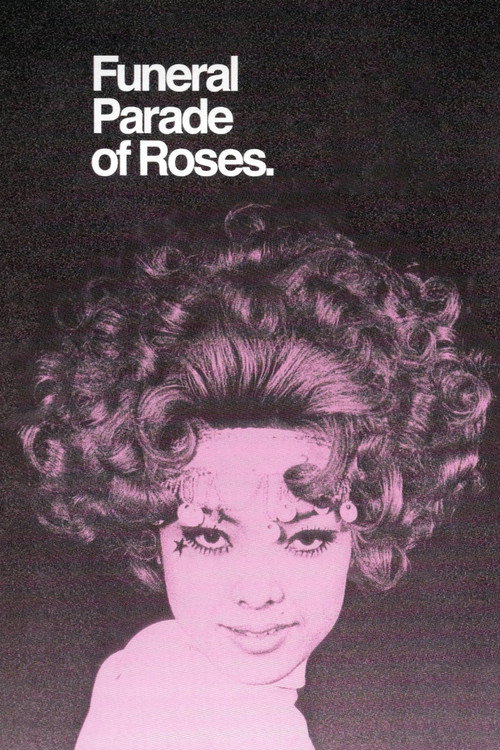
Funeral Parade of Roses1969
Like Sinai Field Mission, it's interested in what happens to people living inside systems designed to monitor or contain them; it simply explodes the formal language to show that those systems are always failing and always arbitrary.
Matsumoto's avant-garde Japanese film about underground queer life in Tokyo uses fragmented, experimental form to explore surveillance, identity, and the gap between official systems and lived reality. It's visually wild and thematically fearless.
But The form is deliberately disorienting. There's no conventional narrative, the edits are jarring, and it deals with marginalization in ways that feel raw rather than safely historical.
People
Directing
- Frederick WisemanDirector
Production
- Frederick WisemanProducer