
Film
Raga
- Musical
- Light-hearted
- Slow-burning
A luminous 1971 documentary following sitar master Ravi Shankar across India and the West, narrated by Shankar himself. It traces his lineage from his guru Allauddin Khan, captures his teaching mission to Western audiences, and documents his collaborations with everyone from Yehudi Menuhin to George Harrison. More than biography—it's a philosophical portrait of how one man carried an entire musical tradition across continents.
Should you watch it?
Watch it if you are curious how a living tradition reached Western ears, and enjoy hearing a master explain his craft in his own voice, with rare footage of teachers and collaborators.
Skip it if you want a film with a clear dramatic arc or tight editing; this drifts through archive footage and long musical passages at its own gentle, ambling speed.
What it asks of you: Runs at a meditative pace with long unbroken stretches of music and talk, rewarding stillness more than waiting for a story to form.
Not sure? Find tonight's pick in a minute.
If you liked this
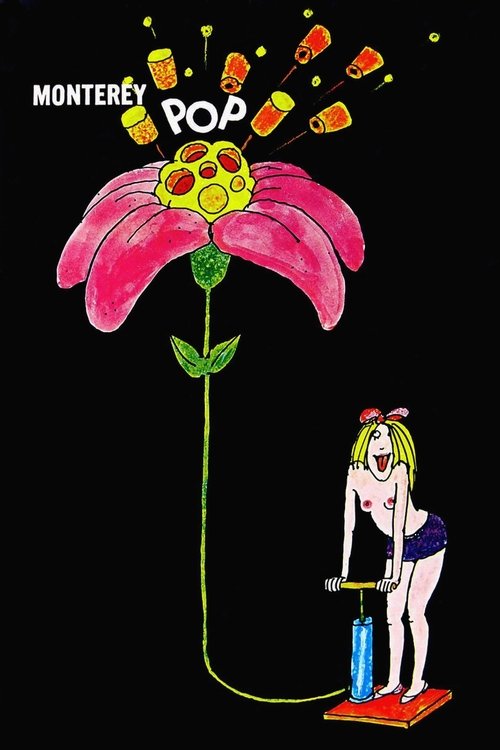
Monterey Pop1968
D.A. Pennebaker's kaleidoscopic festival film captures the precise moment rock and Indian music collided on stage. Ravi Shankar performs here, and seeing that watershed moment contextualizes everything in Raga.
But It's a time capsule of 1960s excess that hasn't always aged well; some segments feel dated and the sound mix varies wildly.
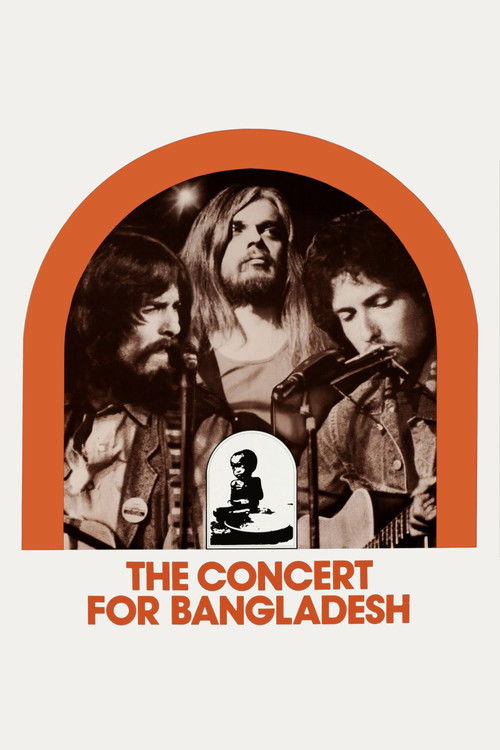
The Concert for Bangladesh1972
George Harrison organized this legendary benefit concert featuring Ravi Shankar alongside Bob Dylan and Eric Clapton. It's the apotheosis of the East-West musical conversation Raga documents, and absolutely electric.
But It's a concert film, not narrative cinema. If you want plot or drama, you won't find it—just performances.
Woodstock1970
Michael Wadleigh's definitive festival documentary shows the same cultural moment Monterey Pop captured—the turning point when Indian music became part of Western youth culture's DNA.
But Nearly four hours, and the pacing can drag. Some segments feel more like propaganda than observation.

Not sure tonight? Get a pick in a minute, starting from Raga
The wildcard
Something you would not have found on your own.
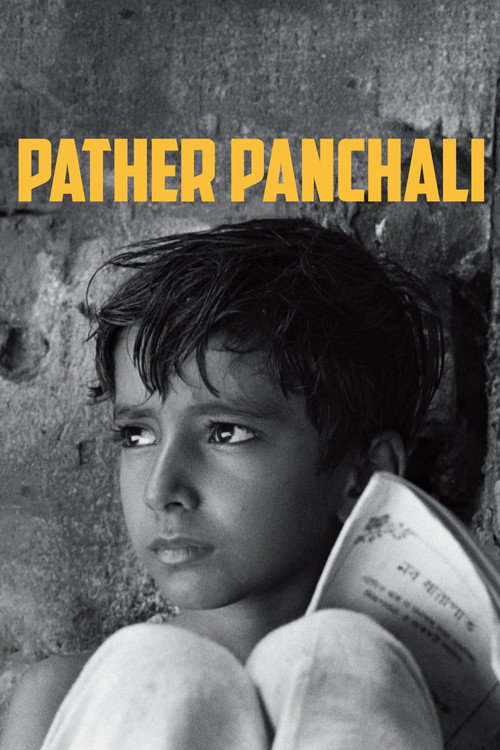
Pather Panchali1955
Both are made by Indian artists introducing the West to profound truths about Indian life and culture. Both refuse to exoticize or simplify. Both are acts of translation that deepen rather than dilute their subject.
Satyajit Ray's Bengali masterpiece is the film that taught the West how to look at India—with patience, poetry, and absolute respect for lived experience. It's the aesthetic parallel to what Raga does musically.
But It's nearly two hours of rural poverty and grief with minimal plot. Modern audiences accustomed to faster cuts and higher stakes often struggle with its deliberate pace.
More like this (7)
Listen to Britain1942
Humphrey Jennings' poetic documentary about sound in wartime Britain is pure cinema—it shows how documentary can be lyrical and meditative rather than just informative, much like Raga itself.
But It's only twelve minutes and made during WWII, so the subject matter is distant from music. Very of its era.

Grey Gardens1976
The Maysles brothers' intimate documentary proves that letting cameras linger on real people's lives—without narration or judgment—creates profound human portraiture, just as Raga does.
But It's a claustrophobic portrait of decline and eccentricity that can feel voyeuristic and uncomfortable.

Bob Dylan – Don't Look Back1967
D.A. Pennebaker's Dylan documentary pioneered the idea of filming an artist's inner life rather than just their public persona. It shares Raga's intimate, philosophical approach to documenting genius.
But It's deliberately cryptic and refuses to explain itself. If you want a straightforward narrative, you'll be frustrated.

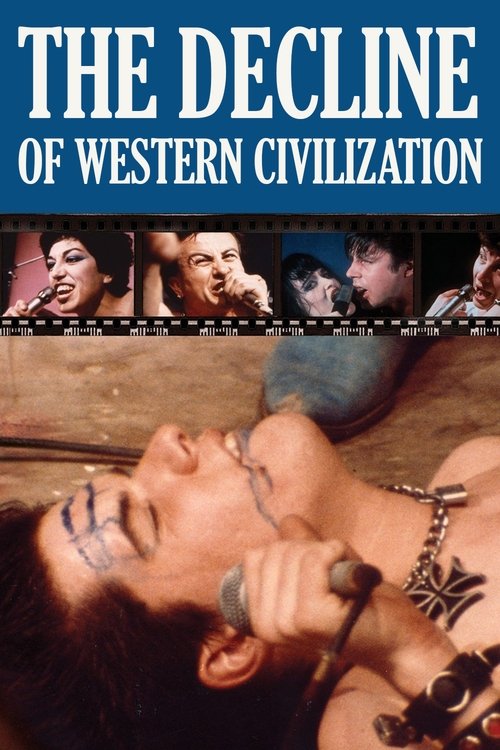
The Decline of Western Civilization1981
Penelope Spheeris documents the Los Angeles punk scene with the same unflinching eye and deep cultural immersion that Raga brings to Indian classical music—showing a living tradition under pressure.
But It's brutal and unglamorous; the language is harsh and the lifestyle portrayed is chaotic and often grim.
Sinai Field Mission1978
A lesser-known observational documentary about UN peacekeepers in the Sinai, it demonstrates how patient, meditative filmmaking can extract meaning from apparently static situations, much like Raga's unhurried rhythm.
But It's extremely slow and obscure. Finding it requires real dedication and patience, and it rewards neither casual viewing nor seeking excitement.
Descendants of the Sun2016
Raga documents an India in the process of being discovered by the West after independence. Ascendants shows that same India from within, creating a complete picture of the moment Shankar inhabited.
This BBC miniseries about the Indian independence movement and the birth of modern India provides the political and historical soil from which Raga's spiritual mission emerged. It contextualizes why Shankar's work mattered so deeply.
But It's a historical drama rather than a music film, and it's British television from the 1990s—which means slower pacing and a colonial perspective lurking at the edges.

The Last Temptation of Christ1988
Both films emerged from cross-cultural spiritual seeking. Scorsese made a film *about* spiritual awakening partly by absorbing what he learned from Indian aesthetic traditions. Raga shows the source of that tradition. They're two sides of the same bridge.
Martin Scorsese's controversial film uses devotional music and spiritual longing as its emotional backbone—you can hear Ravi Shankar's influence in its entire aesthetic. It's a Western artist learning to think in terms of spiritual cinema rather than plot.
But It's a radical, blasphemous retelling of the Gospel that provoked genuine outrage. If religious reverence matters to you, this will infuriate rather than move you.
People
Cast
 Ravi ShankarSelf
 George HarrisonSelf
Directing
- Howard WorthDirector
Writing
- Nancy BacalWriter