
Film
Live Aid
Live Aid is a 16-hour document of the 1985 dual-stadium benefit concert that reached nearly two billion viewers worldwide. It's pure event cinema—a time capsule of 1980s music, chaotic and exhilarating, capturing performances from Bob Dylan, David Bowie, Tina Turner, and dozens more. Essential for music lovers; brutal if you prefer curated experiences over historical sprawl.
If you liked this
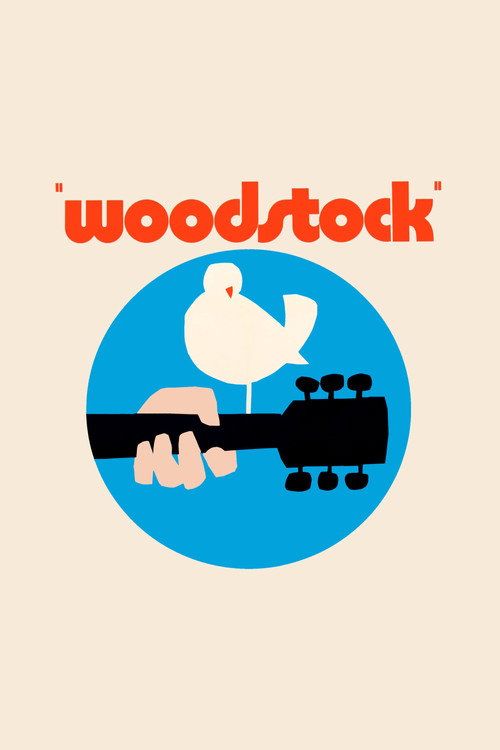
Woodstock1970
The gold standard of music documentaries. Three days, multiple stages, defining moment for a generation. Captures the same lightning-in-a-bottle feeling of Live Aid but with a more introspective eye.
But Three hours and 40 minutes of 1960s idealism can feel remote. Some performances drag; the crowd footage wears thin by the final hour.
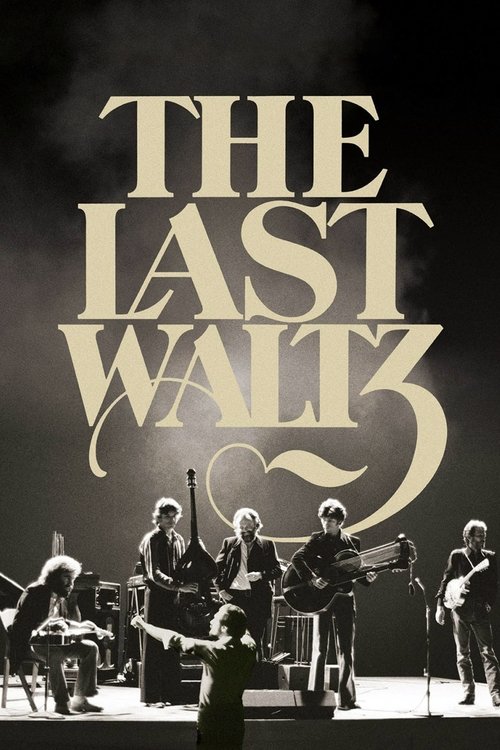
The Last Waltz1978
Martin Scorsese directs The Band's farewell concert with staggering artistry. Every frame is composed, every performance feels like cinema. Proof that a concert film can be as crafted as any narrative drama.
But It's a single band's goodbye, not a sprawling benefit. If you want the chaos and surprise of Live Aid, this is too controlled, too elegant.
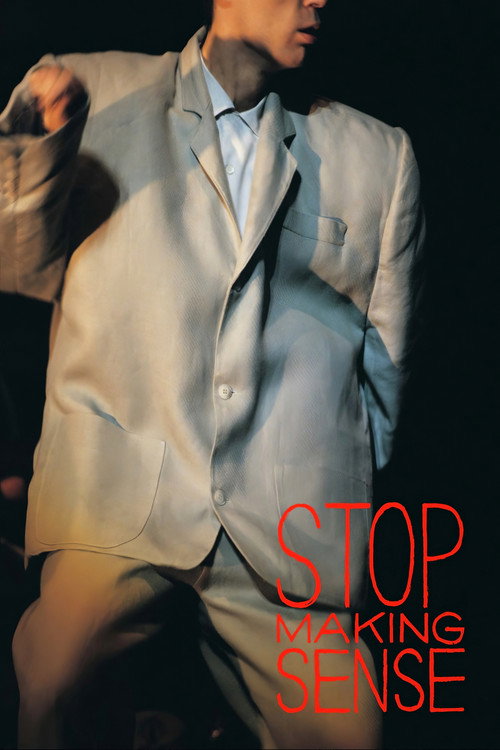
Stop Making Sense1984
Jonathan Demme's Talking Heads concert film is a masterclass in visual storytelling. Minimalist staging, maximum impact. One year before Live Aid, this showed what concert filmmaking could be at its peak.
But It's a single artist, tightly edited, nothing like the raw multi-stage relay of Live Aid. If you want breadth, you won't find it here.
Not sure tonight? Get a pick in a minute, starting from Live Aid
The wildcard
Something you would not have found on your own.
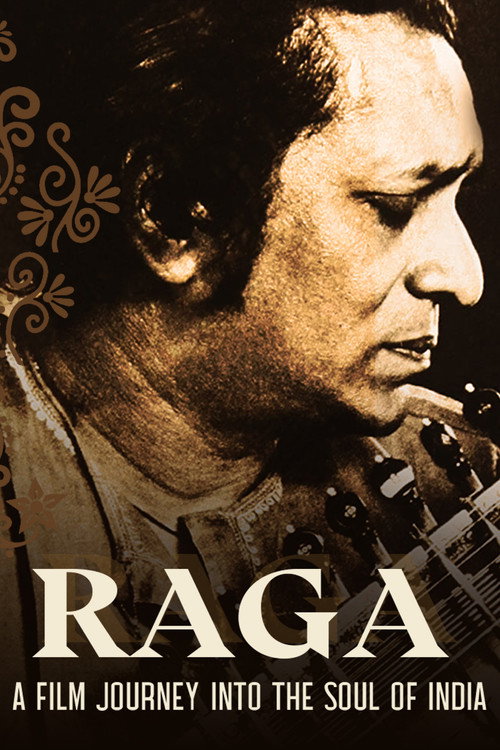
Raga1971
Both documents music live and unedited, but Raga shows what Live Aid glosses over: the invisible architecture inside a performance. Where Live Aid is about quantity and reach, Raga is about depth and attention. They're inverse mirrors.
Howard Worth's documentary of Ravi Shankar performing. Not a concert film in the Western sense—it's a deep meditation on improvisation, spiritual music, and why the form matters. Hypnotic and profound.
But It's a single musician playing a single raga for an hour. If you're expecting the event, the spectacle, the switching between acts like Live Aid, this is the opposite: one performer, one focus, total immersion.
More like this (7)
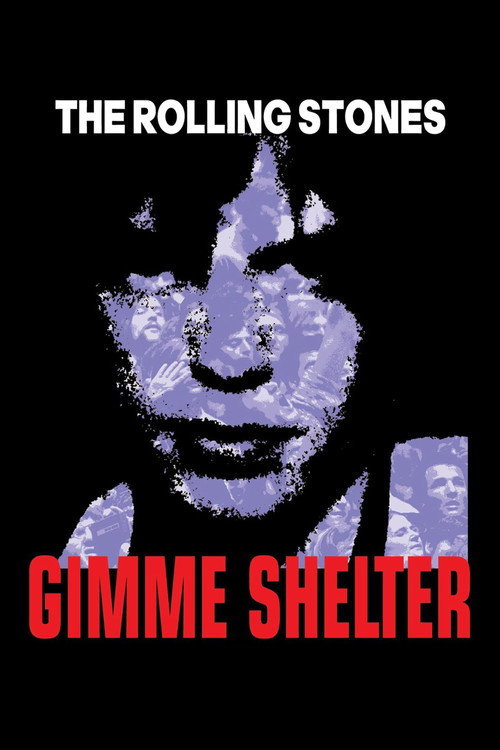
Gimme Shelter1970
The Rolling Stones at Altamont, 1969. Like Live Aid but darker—a documentary that captures both transcendence and tragedy, the moment rock and roll stopped being innocent.
But It's grim. The violence at the end is real and difficult. Not a celebration the way Live Aid is.
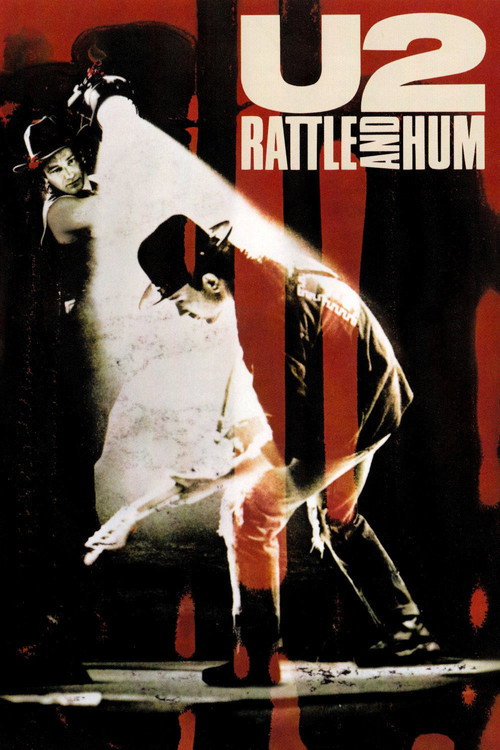
U2: Rattle and Hum1988
U2's Joshua Tree tour documentary. Follows a single band's stadium conquest with genuine intimacy. Bono's charisma and the band's ambition feel vast in the way Live Aid does.
But Very much a product of 1980s excess. Bono's emotional theater won't resonate if you find him tiresome. Also a bit self-serious.
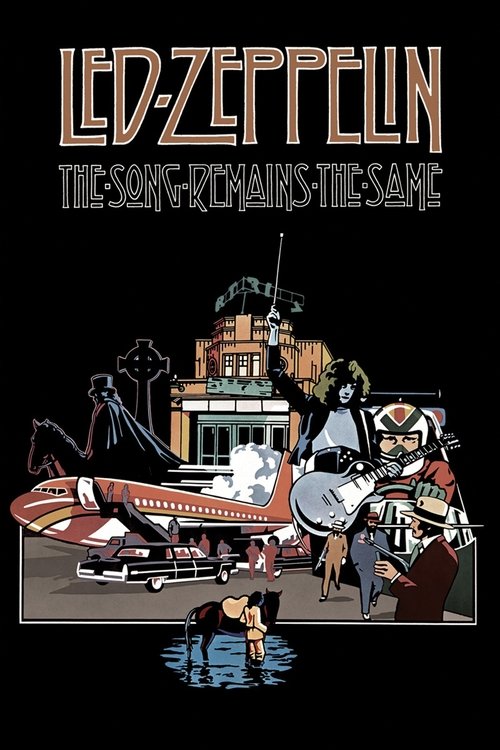
Led Zeppelin - The Song Remains the Same1976
Led Zeppelin at Madison Square Garden, 1973. Raw power, legendary performances, the fantasy sequences between songs are gloriously weird. Pure rock mythology captured on film.
But It's self-indulgent fantasy-rock excess. The fantasy segments feel dated. Some performances are great; others just loud.
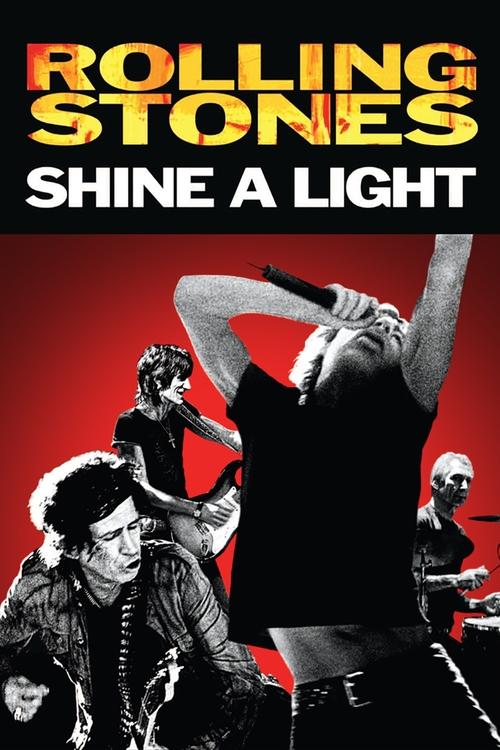
Shine a Light2008
Martin Scorsese directs the Rolling Stones in 2006. Even as a late-career concert film, it's gorgeously shot with stellar guests. Proof the Stones could still command a stage and a room.
But By 2008, the Stones playing their hits can feel like heritage tourism. Scorsese's artistry can't quite overcome the sense of watching legends perform their museum collection.
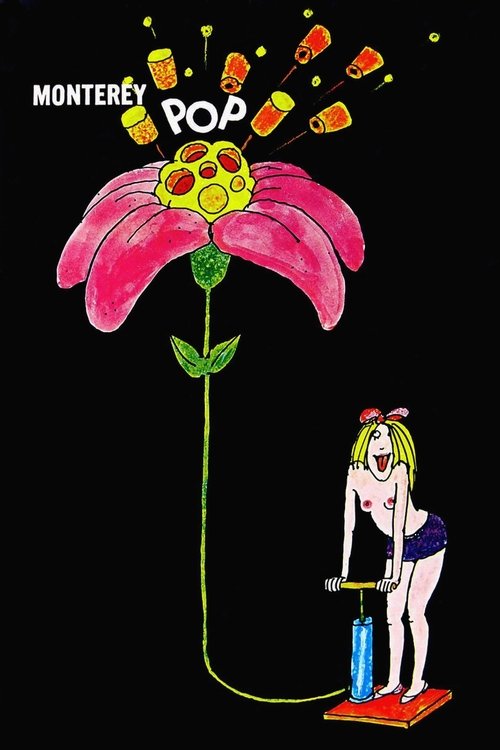
Monterey Pop1968
D.A. Pennebaker's documentary of the 1967 festival that launched psychedelic rock into the mainstream. Jimi Hendrix, Janis Joplin, The Who. A founding moment captured with style and immediacy.
But It's 80 minutes and selective—not nearly as comprehensive as Live Aid. The editing is jittery by modern standards. Some of the performances are short snippets.
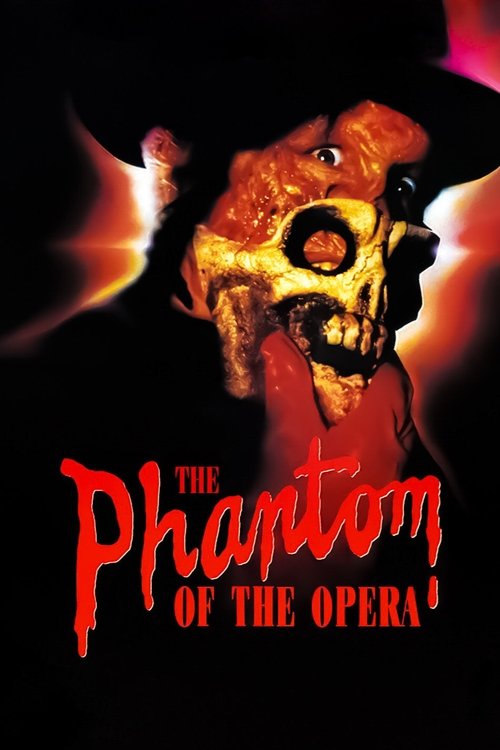
The Phantom of the Opera1989
Like Live Aid, it's an epic, expensive production built around performances and spectacle. But where Live Aid is documentary chaos across dozens of artists, this is a nightmare fever dream by one artist. It asks what happens when you make music not a broadcast but a vision.
Brazilian director Ivan Cardoso's surreal, theatrical riff on The Phantom of the Opera. Operatic, campy, gorgeously weird. Music as language and obsession, not entertainment. Utterly singular vision.
But It's not a concert or documentary. It's surrealist musical theater that's deeply strange and won't appeal if you want accessibility. Portuguese-language, no English captions widely available.
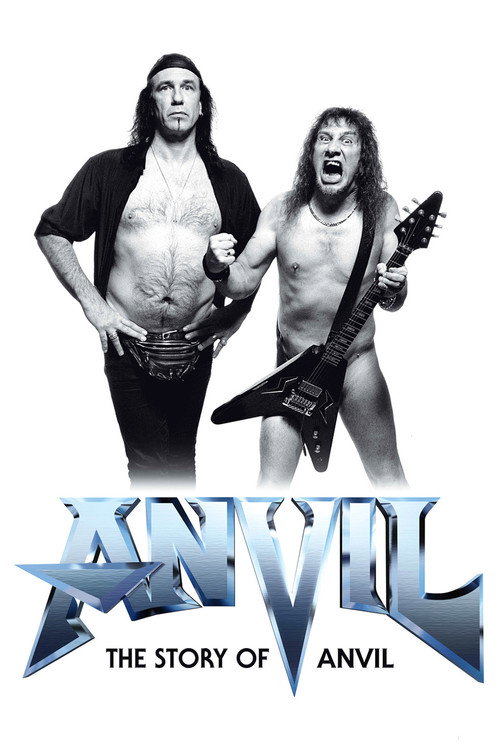
Anvil! The Story of Anvil2008
Live Aid is about music at its apex—billions watching. Anvil is about music at ground level, in basements and trucks. Both argue that the act of performance matters more than the audience. One reaches the world; the other reaches four people in a room. Both are true.
Sacha Gervais's documentary about a small Canadian metal band trying for their comeback. It's funny and heartbreaking—about passion, failure, friendship, and why people make music when the world doesn't care. Utterly moving.
But It's not about famous musicians. The band is obscure; the performances are in small venues. If you want spectacle, this is intimate and a little embarrassing. Metal fans will love it; others may find it niche.
People
Cast
 Bob DylanSelf
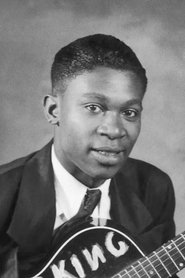 B.B. KingSelf
 CherSelf
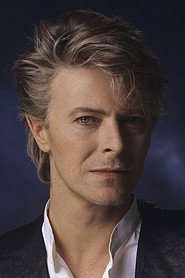 David BowieSelf
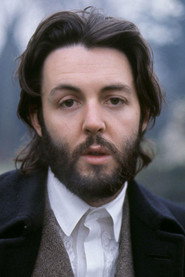 Paul McCartneySelf
 Tina TurnerSelf
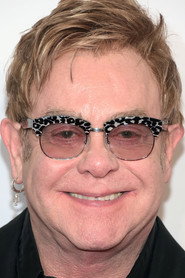 Elton JohnSelf
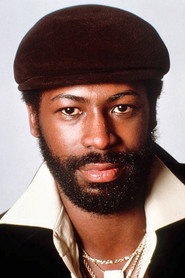
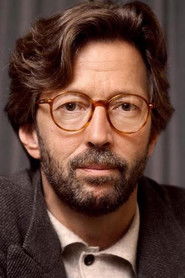 Eric ClaptonSelf
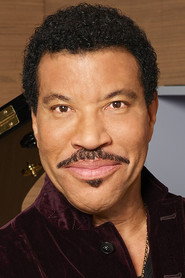 Lionel RichieSelf
 Joan BaezSelf
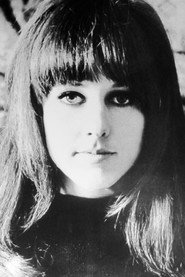 Grace SlickSelf
Directing
- Kenneth ShapiroDirector
- Vincent ScarzaDirector
Writing
- Bob GeldofScenario Writer
Production
- Hal UplingerProducer