
Film
The Red and the White
- War action
- Very dark
Miklós Jancsó's stark 1967 Hungarian film captures the Russian Civil War through the eyes of soldiers caught between Communist and Czarist forces. Shot in austere black-and-white, it's a meditation on ideology, violence, and the futility of war rather than a conventional narrative. For viewers drawn to challenging cinema that privileges form and moral questions over plot.
If you liked this
Come and See1985
Elem Klimov's Soviet masterpiece follows a boy conscripted into WWII, documenting the psychological and physical devastation of combat with unflinching intensity. Like Jancsó, it refuses to sentimentalize war.
But It's relentlessly brutal and nihilistic, with scenes of violence that go further than most viewers expect. The pacing is deliberate and sometimes difficult.

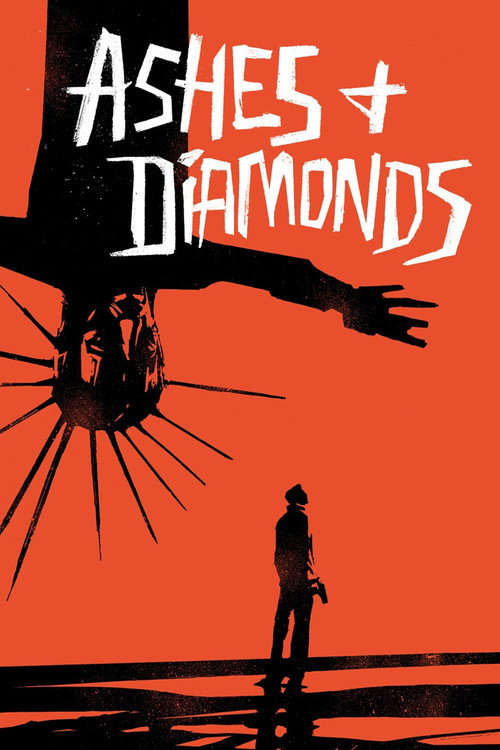
Ashes and Diamonds1958
Andrzej Wajda's Polish classic captures the moral chaos of 1945 Warsaw through a partisan's final night. It shares Jancsó's interest in ideological collision and the individual crushed between historical forces.
But The narrative is fragmented and symbolic rather than straightforward. Polish cinema of this era demands patience with ambiguity.
The Battle of Algiers1966
Gillo Pontecorvo's documentary-style account of the Algerian War presents both insurgents and colonizers with unflinching clarity, refusing easy moral positioning. Structurally as innovative as Jancsó's work.
But It's didactic and formally experimental, which some find cold. The political argument is front-and-center, not buried in psychology.

Not sure tonight? Get a pick in a minute, starting from The Red and the White
The wildcard
Something you would not have found on your own.
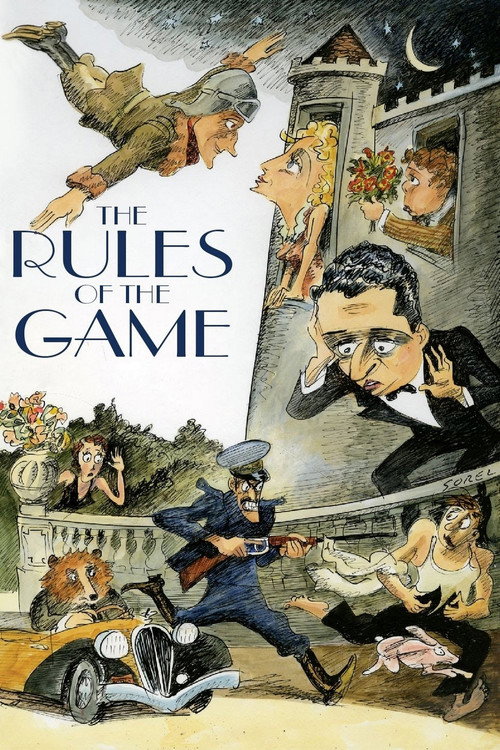
The Rules of the Game1939
Both films observe groups rather than follow heroes, using formal complexity and long takes to show how historical forces move through everyday behavior. They're pessimistic in the same way: the system is the protagonist.
Jean Renoir's masterpiece about class and society on the eve of WWII uses overlapping action and ensemble observation rather than individual protagonists. It's the opposite tone from Jancsó but uses similar formal techniques to show how ideology and individual desire collide.
But It's 113 minutes of pre-war French society, much of it domestic and social rather than dramatic. The pacing feels leisurely to modern viewers, and the stakes are subtle.
More like this (7)
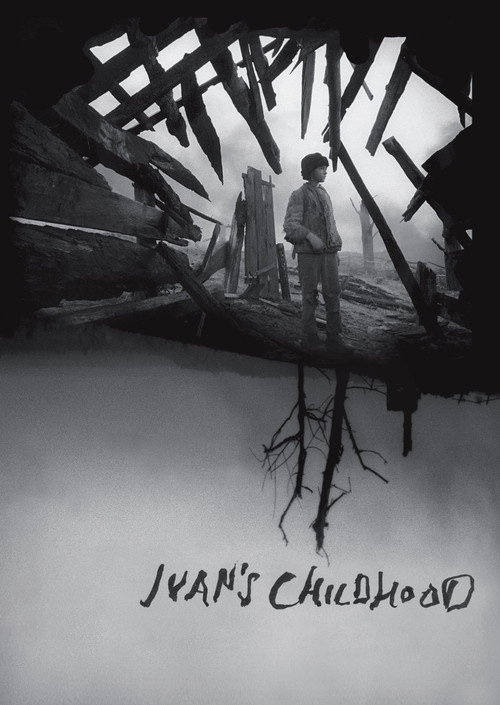
Ivan's Childhood1962
Andrei Tarkovsky's debut is a poetic meditation on war's theft of innocence, using visual abstraction and memory rather than realism. It shares Jancsó's formal ambition and moral seriousness.
But Tarkovsky's pacing is hypnotic but glacial. If you expect conventional narrative momentum, you'll be frustrated.
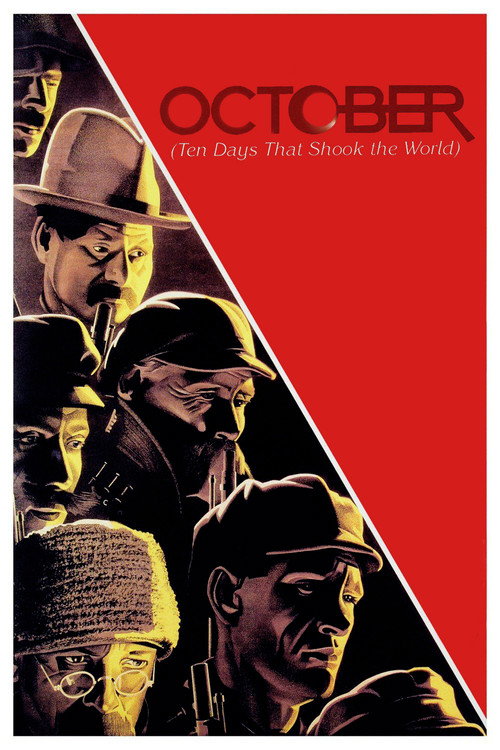
October (Ten Days that Shook the World)1928
Sergei Eisenstein's silent Soviet epic about the Bolshevik Revolution uses montage and visual metaphor to convey ideology and historical force. The cinematic DNA of films like Jancsó's runs through here.
But It's propaganda, and it's silent, and it moves at the rhythm of 1920s editing. Modern audiences often find it exhausting.
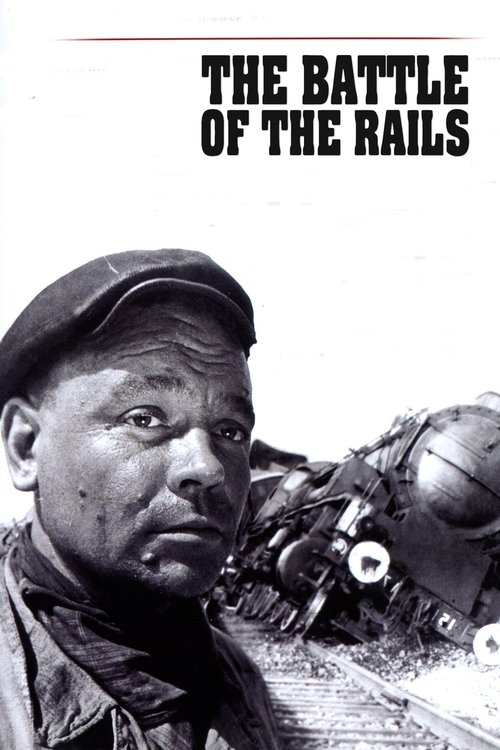
The Battle of the Rails1946
René Clément's Resistance drama focuses on French railway workers sabotaging Nazi supply lines. It has Jancsó's interest in ordinary people caught in historical violence, with a lighter touch.
But The print quality varies and it's rarely restored. It can feel like a footnote compared to more celebrated French films of the period.
Stalker1979
Tarkovsky's later masterpiece is a philosophical journey through a mysterious zone, asking what we desire and why. Like Jancsó, it's more interested in consciousness and doubt than plot resolution.
But It's nearly three hours of deliberate, meditative cinema. If you want propulsive narrative, this will feel like punishment.

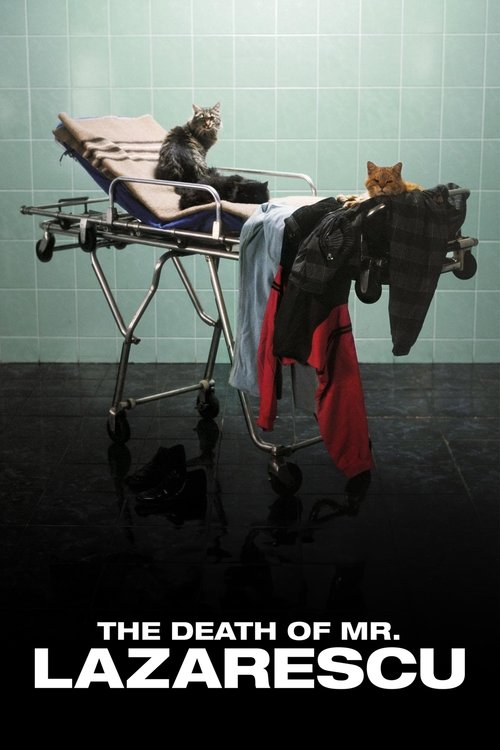
The Death of Mr. Lazarescu2005
Cristi Puiu's Romanian New Wave film follows an old man's bureaucratic nightmare through a hospital system. It shares Jancsó's unflinching observation and refusal of sentiment about institutional violence.
But It's two-and-a-half hours of accumulating indignity with no catharsis. The humor is bleak and the pacing is deliberate to the point of testing.
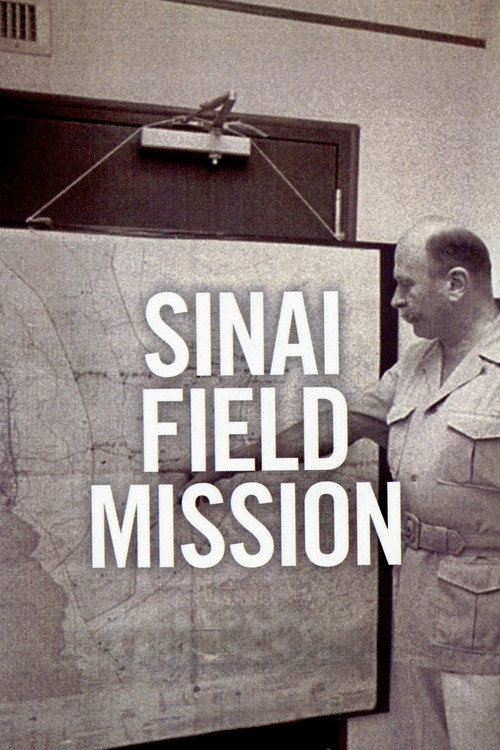
Sinai Field Mission1978
A lesser-known documentary about the UN presence in the Sinai, made by a documentarian interested in bureaucratic and military absurdity. It has the same eye for the mundane texture of conflict.
But It's genuinely obscure and not widely available. Calling it a "masterpiece" would be overselling it.
The Seventh Seal1957
Both use war/plague and stark black-and-white imagery to stage questions about faith, meaning, and historical inevitability. Both trust the audience to sit with ambiguity rather than resolve it.
Bergman's medieval plague film stages a conversation between a knight and Death. It's equally committed to moral abstraction and visual austerity, but uses allegory and philosophical dialogue where Jancsó uses silence and spatial composition.
But It's overtly symbolic and theatrical. Some find Bergman's existentialism dated, and the film can feel like watching someone else's dream of significance.

People
Cast
 József MadarasHungarian Commander
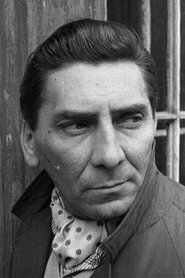 Tibor MolnárAndras
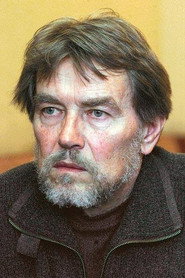 András KozákLaszlo
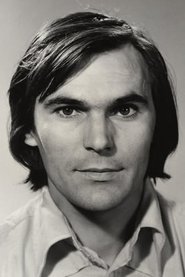 Juhász JácintIstvan
- Anatoli YabbarovCaptain Chelpanov
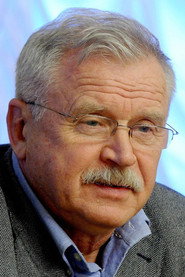 Sergey NikonenkoCossack Officer
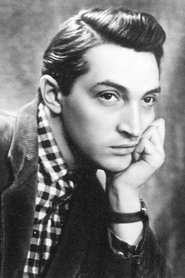 Mikhail KozakovNestor
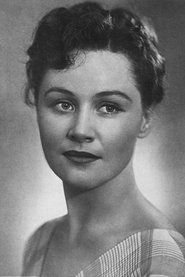 Tatyana KonyukhovaYelizaveta the Matron
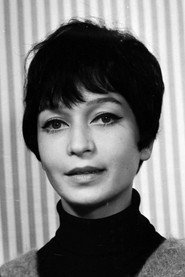
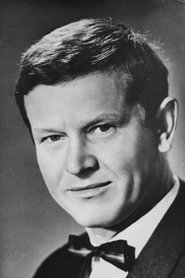 Viktor AvdyushkoSailor
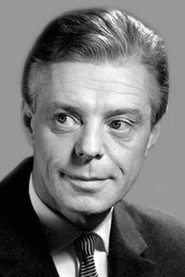 Gleb StrizhenovColonel
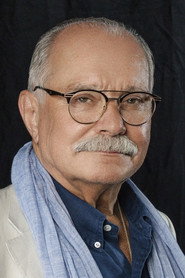 Nikita MikhalkovWhite Officer
Directing
- Lilja KelsteinAssistant Director
- Zsolt Kézdi-KovácsAssistant Director
- Miklós JancsóDirector
Writing
- Giorgi MdivaniScreenplay
- Gyula HernádiWriter
- Luca KarallWriter
- Miklós JancsóWriter
- Valeriy KarenWriter
Production
- András NémethProducer
- Jenõ GötzProducer
- Kirill SirjajevProducer