
Film
The Confrontation
Miklós Jancsó's 1969 provocation stages an ideological collision between Communist students and Catholic seminarians in post-war Hungary. Shot in striking long takes across barren landscapes, it's a film of argument and spectacle rather than narrative—hypnotic, austere, occasionally baffling. For those drawn to cinema as philosophy made visible, or willing to sit with discomfort.
Should you watch it?
Watch it if you like cinema built on argument, where ideas are fought over in tense rooms and the moral stakes sharpen with every line of dialogue.
Skip it if you need fast action or a lot of visual spectacle, since this is talky, confined and sits with its arguments rather than moving the story along.
What it asks of you: Roughly eighty minutes of close attention, with long stretches of talk in a few rooms and little relief from the argument.
Not sure? Find tonight's pick in a minute.
If you liked this
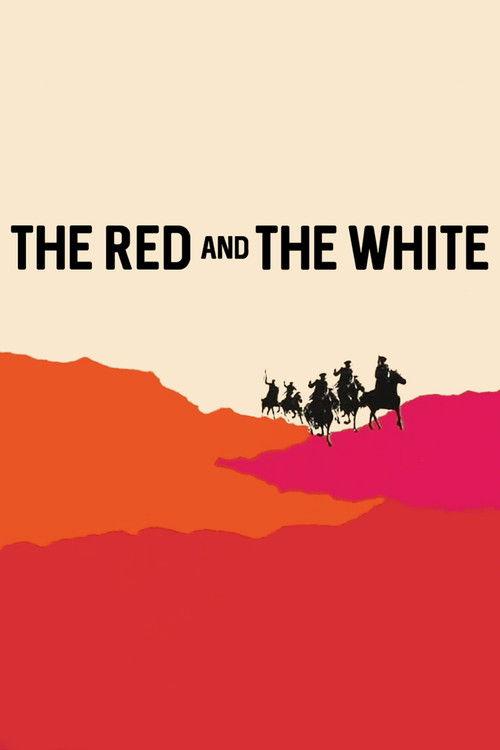
The Red and the White1967
Jancsó's earlier masterpiece uses similar visual language and Hungarian setting to explore violence, ideology, and the brutality of civil war. Essential context for understanding his method and obsessions.
But It's even more formally demanding than The Confrontation, with minimal plot and a brutal ending that offers no comfort or resolution.
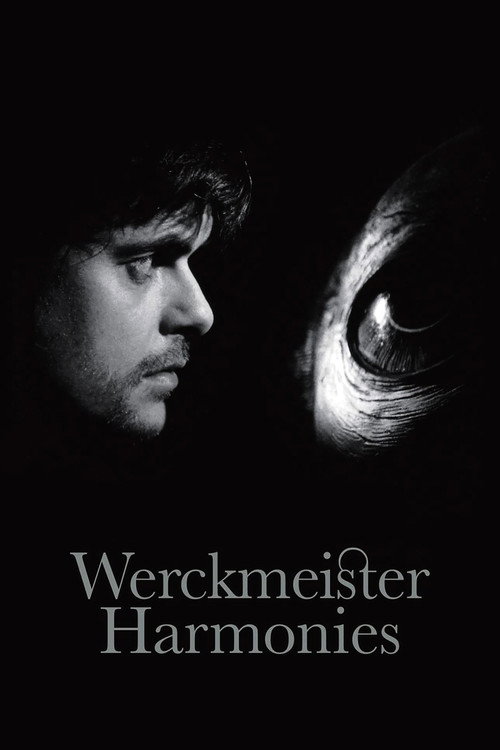
Werckmeister Harmonies2001
Béla Tarr's apocalyptic meditation on ideology, faith, and social breakdown shares Jancsó's interest in long takes and philosophical argument. Hungarian, severe, hypnotic in the same way.
But At 145 minutes, it moves even more slowly. Some find it punishing rather than rewarding, a test of endurance dressed as cinema.
Come and See1985
Elem Klimov's Soviet war film uses cinema to stage an encounter between innocence and ideology, truth and propaganda. Both films ask what happens when worldviews collide violently.
But It's harrowing in ways The Confrontation isn't—viscerally traumatic rather than cerebrally unsettling. Some leave it feeling damaged.

Not sure tonight? Get a pick in a minute, starting from The Confrontation
The wildcard
Something you would not have found on your own.
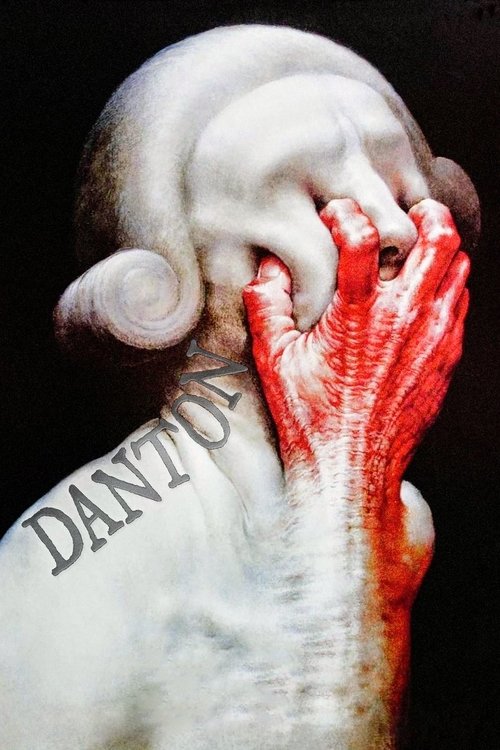
Danton1983
Both directors use ideological confrontation as the film's true action. Both were made by artists working under or against totalitarian systems exploring what happens when systems demand loyalty over truth.
Andrzej Wajda's Polish film stages the ideological confrontation between revolution's future (Robespierre) and its past (Danton) through dialogue and argument rather than action. Like Jancsó, it asks: what happens when the revolution eats its children? But it's more accessible—actors, plot, emotional stakes—while maintaining the philosophical weight.
But The setting is French Revolution rather than post-war Hungary, so the political immediacy is different. Some find Wajda's humanism softer than you might want after Jancsó's coldness.
More like this (8)
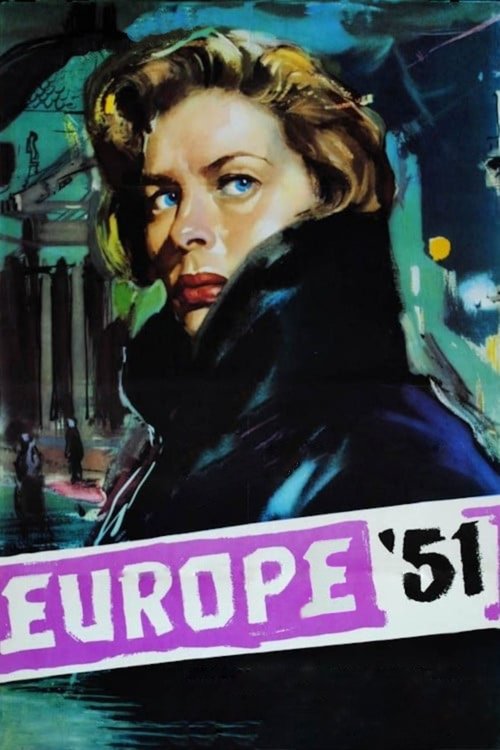
Europa '511952
Rossellini's film about an American widow encountering Italian Communism explores similar territory: ideology meeting lived reality, belief systems in collision. Post-war, humanist, searching.
But The melodrama and the philosophical inquiry sometimes work at cross purposes. It can feel dated in ways Jancsó's formalism doesn't.
The Seventh Seal1957
Bergman's medieval knight debating Death itself is the ancestor of this kind of cinema—argument as drama, ideas as visual spectacle. Both films treat intellectual confrontation as genuinely urgent.
But It's become so canonical it can feel familiar even if you've never seen it. The existentialism reads as period now, which may or may not bother you.

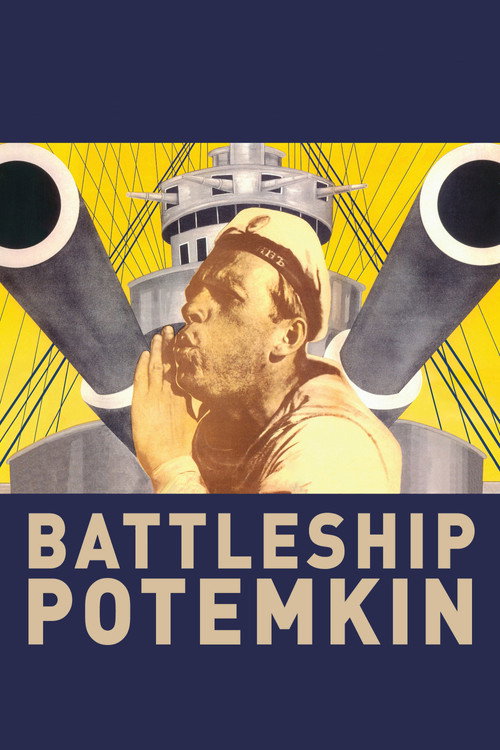
Battleship Potemkin1925
Eisenstein's revolutionary montage is Jancsó's opposite language, but both films use cinema to stage ideological conflict as something physically overwhelming and formally striking.
But The silent film format and the propagandistic intent can feel remote. It's historically important rather than immediately moving.
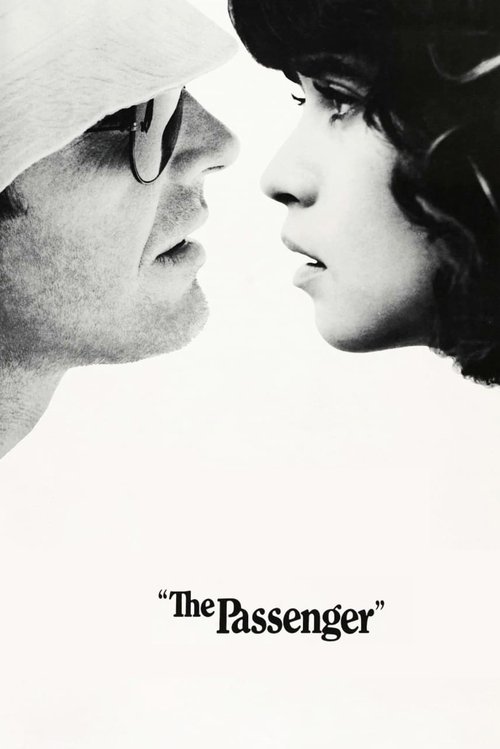
The Passenger1975
Antonioni's film about identity and ideology, shot with similar long-take austerity. Both films use landscape and spatial composition to explore philosophical crisis.
But It's oblique to the point of opacity. The ending frustrates many viewers, and the pacing tests patience as much as The Confrontation does.
Winter Light1963
Bergman's chamber piece about faith, doubt, and intellectual paralysis in a small Swedish community. Jancsó's ideological combat and Bergman's internal anguish are different registers of the same crisis.
But It's visually austere and emotionally claustrophobic. Some find it depressing rather than profound, a document of despair with no exit.

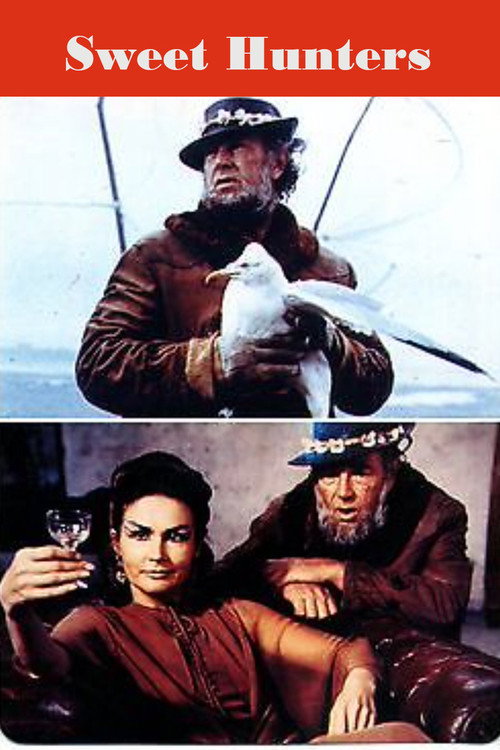
Sweet Hunters1970
Jeanine Meerapfel's debut, released the same year, also stages an encounter between ideology and sexuality, authority and desire. Both films use performance and spectacle in unsettling ways.
But It's extremely obscure and can be difficult to find. The reputation for difficulty may exceed the actual reward.
The Ascent1977
Both artists use landscape and bodies as instruments of philosophy. Both use formalism not as distance but as respect for the weight of ideas. Both refuse easy answers or comfort.
Larisa Shepitko's devastating film about two Soviet partisans facing execution uses monumental, snow-covered landscapes and formal austerity to explore faith, ideology, and sacrifice. It's Jancsó's visual and philosophical method applied to spiritual rather than political questions—and it's unforgettable.
But It's a short film (about 111 minutes) so you cannot sink into it the way you do Jancsó. The bleakness is almost total—no irony, no distance, just suffering and revelation.

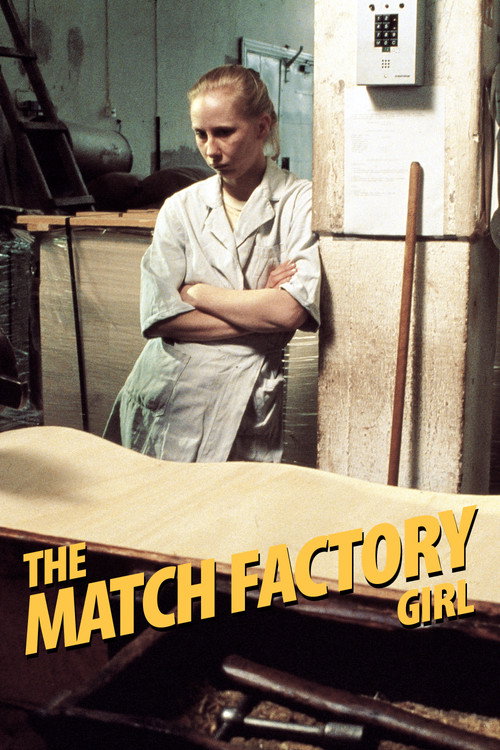
The Match Factory Girl1990
Both Jancsó and Kaurismäki use long takes, repetition, and spatial composition to show how systems work on individuals. Both trust formal rigor as a form of moral seriousness.
Aki Kaurismäki's Finnish film about a factory worker's quiet rebellion uses minimalist staging and long takes to explore class, dignity, and the violence done by systems to individuals. Not explicitly ideological like Jancsó, but using similar visual language to show how power works on bodies and souls.
But It's dry, witty, and formally cold in a way that some mistake for coldness of feeling. The humor can read as distance from the character's pain rather than solidarity with it.
People
Cast
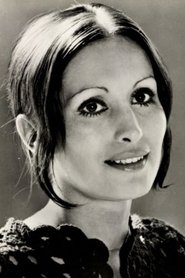 Andrea DrahotaLantos Jutka
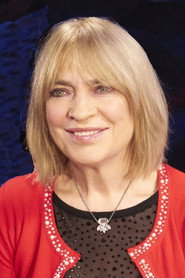 Kati KovácsSzabó Teri
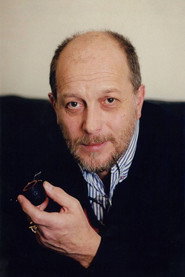 Lajos BalázsovitsFekete Laci
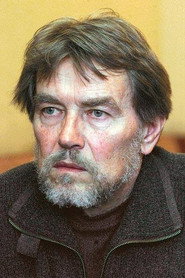 András KozákKozma András
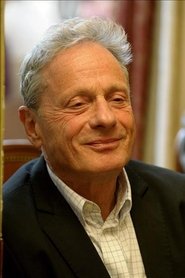 András BálintAndrás, zsidó fiú
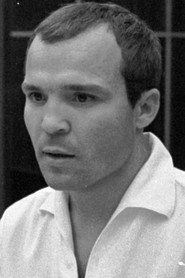 József MadarasKellér atya
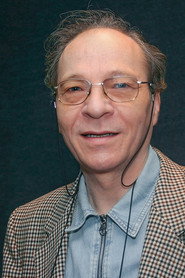 István UriPista
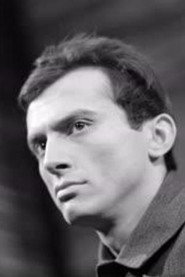 Tibor OrbánPaptanár
- Adrienne CsengeryKollégista lány
- Miklós CsányiMiki
- Ferenc Deák B.János
 Balázs KosztolányiBalázs
Directing
- Miklós JancsóDirector
Writing
- Gyula HernádiWriter
- Miklós JancsóWriter