
Film
Europa '51
Rossellini's masterpiece follows a grief-stricken Roman socialite who abandons her privileged life to serve the city's poor, converting guilt into radical charity. Bergman is extraordinary—vulnerable, fierce, spiritually searching. It's a film about redemption, faith, and whether goodness can survive the world's indifference. Essential.
If you liked this
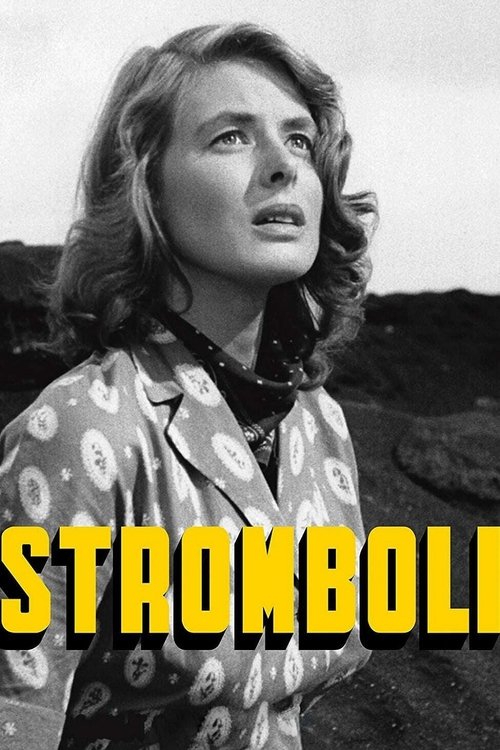
Stromboli1950
Bergman again, in another Rossellini film about a woman isolated by circumstance and faith, wrestling with spiritual alienation. Rawer and more brutal, but equally hypnotic.
But The pacing is deliberate to the point of severity. Long stretches demand patience rather than entertain.
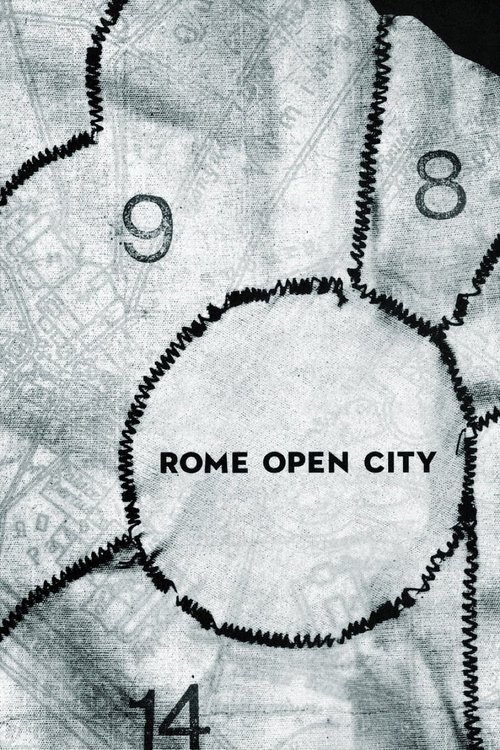
Rome, Open City1945
Rossellini's neorealist masterpiece and the film that shaped Europa '51's moral DNA. A wartime resistance story shot with devastating immediacy and moral clarity.
But Its depiction of violence and suffering is unflinching and sometimes graphic. Not a comfortable watch.
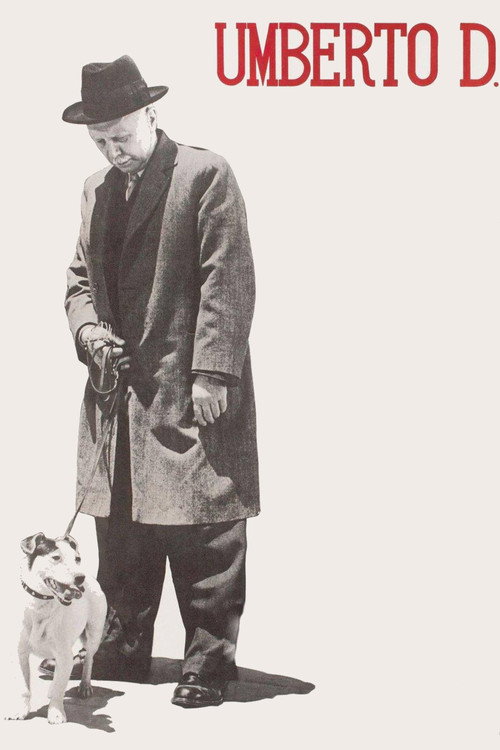
Umberto D.1952
De Sica's companion piece to postwar Italian neorealism—an elderly pensioner's quiet struggle for dignity in Rome. Like Europa '51, it finds tragedy in ordinary life and silence.
But Almost nothing happens. The emotional impact depends entirely on your willingness to sit with human smallness.
Not sure tonight? Get a pick in a minute, starting from Europa '51
The wildcard
Something you would not have found on your own.
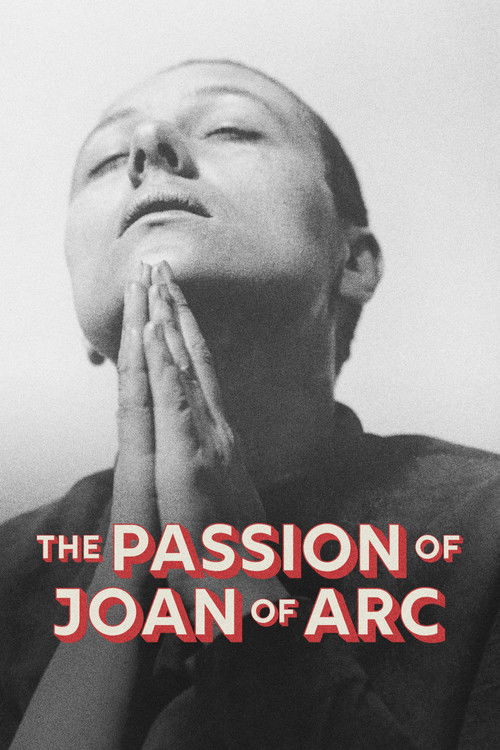
The Passion of Joan of Arc1928
Both are films about women whose radical faith becomes unbearable to the world around them. Both use the female face as the primary instrument of spiritual inquiry.
Dreyer's silent film is the spiritual ancestor of Europa '51—a woman destroyed by her convictions, filmed almost entirely in close-up on Renée Jeanne Falconetti's face. Pure anguish and transcendence.
But Silent film, German Expressionist style, and a protagonist burned at the stake. It's visually austere and emotionally punishing.
More like this (7)
The Third Man1949
A tale of moral corruption and idealism colliding in a ruined Vienna. Similar atmosphere of postwar European decay and spiritual reckoning, though told as a thriller.
But It's primarily a mystery plot. If you want existential meditation, you'll find suspense getting in the way.

A Place in the Sun1951
Stevens' Hollywood equivalent to neorealism—a young man destroyed by ambition and circumstance. Bergman's contemporary work but in an entirely different key: intimate, psychologically acute.
But American studio polish and romantic melodrama. The spiritual searching feels more personal than political.

Bicycle Thieves1948
De Sica again, essential viewing for understanding the neorealist language Europa '51 speaks. A father searching Rome for a stolen bicycle becomes a portrait of systemic despair.
But The ending is devastating and offers no consolation. It's a complete downer.

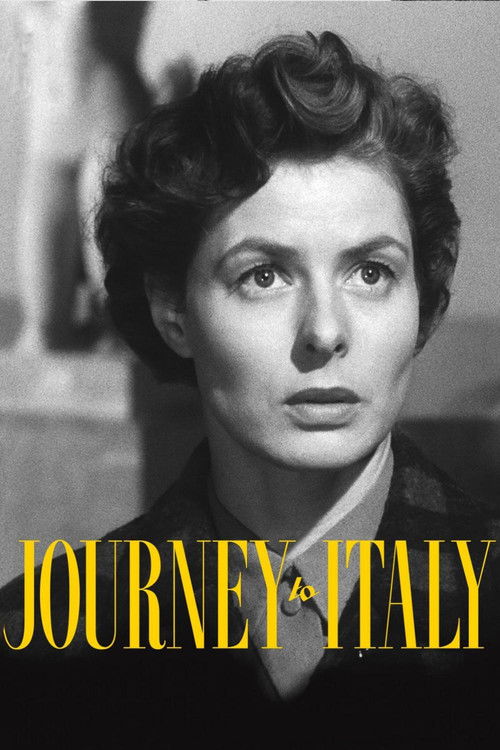
Journey to Italy1954
Rossellini's final masterpiece with Bergman. A marriage disintegrates across Italian landscapes. More abstract than Europa '51, more interested in performance and feeling than plot.
But It's genuinely obscure and demands active engagement. Many find it impenetrable or tediously slow.
The Seventh Seal1957
Bergman's (different Bergman!) meditation on faith, death, and meaning. Like Europa '51, it asks whether goodness matters in a godless world. Visually unforgettable.
But Its allegorical weight can feel ponderous. Some see it as pretentious rather than profound.

Moonlight2016
Both films trust silence and visual poetry over explanation. Both ask what it means to be vulnerable and searching in a world that doesn't make space for that vulnerability.
Barry Jenkins' chamber piece about a Black man's fragmented life across three decades. Like Europa '51, it's a slow excavation of grief, love, and the search for belonging in an indifferent world.
But It's nonlinear, dialogue-sparse, and relies entirely on mood and performance. Demands surrender rather than engagement.

Contempt1963
Both are postwar European films about the gap between how we believe we should live and how we actually do. Both use a protagonist's crisis to interrogate the possibility of integrity.
Godard's film about a marriage collapsing is formally radical—long takes, philosophical dialogue, gorgeous color cinematography. Its theme of how art and money corrupt love echoes Europa '51's examination of conscience versus material life.
But It's deliberately artificial and self-conscious. The famous nine-minute camera pan bores many viewers. Some find it intellectually smug.

People
Cast
 Ingrid BergmanIrene Girard
 Alexander KnoxGeorge Girard
 Ettore GianniniAndrea Casatti
 Giulietta MasinaPasserotto
 Teresa PellatiInes
 Marcella RovenaMrs. Puglisi
- Tina PernaCesira
- Sandro FranchinaMichele Girard
 Maria ZanoliMrs. Galli
 William TubbsProfessor Alessandrini
 Alberto PlebaniMr. Puglisi
Directing
- Roberto RosselliniDirector
- Marcello Caracciolo Di LaurinoFirst Assistant Director
- Marcello GirosiFirst Assistant Director
- Sandro CorboScript Supervisor
- Antonio PietrangeliSecond Assistant Director
- William DembySecond Assistant Director
Writing
- Brunello RondiScreenplay
- Ivo PerilliScreenplay
- Mario PannunzioScreenplay
- Roberto RosselliniScreenplay
- Sandro De FeoScreenplay
- Roberto RosselliniStory
Production
- Carlo PontiProducer
- Dino De LaurentiisProducer
- Roberto RosselliniProducer
- Bruno TodiniProduction Coordinator
- Nando PisaniProduction Manager
- Pio AngelettiProduction Secretary
- Trento PetrellaProduction Secretary
- Federico TetiProduction Supervisor