
Film
Rome, Open City
Shot in the actual rubble of Rome only months after the Nazis left, using a real ration of professional actors and non-professionals off the street, this is the film that invented neorealism almost by accident. It follows a resistance leader on the run and the priest who helps him, and it hits with the unpolished force of something filmed because it had to be, not because anyone thought to make it beautiful.
If you liked this
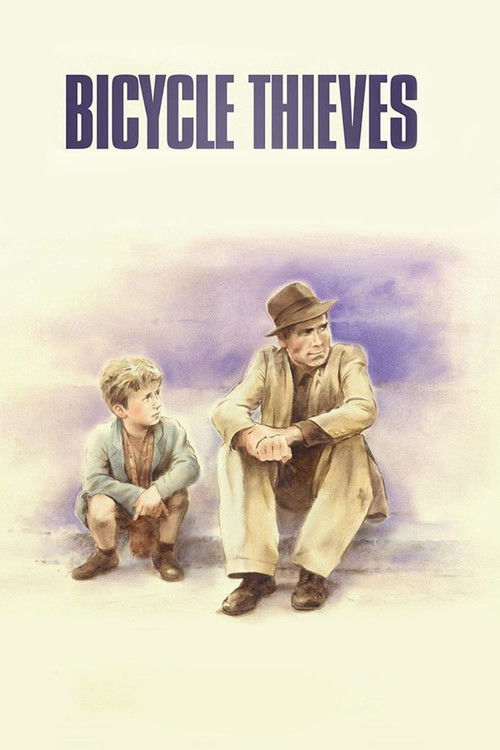
Bicycle Thieves1948
De Sica takes the same unvarnished, street-level camera Rossellini pioneered and turns it on postwar poverty instead of occupation, with the same devastating faith in ordinary faces.
But No war, no thriller tension — just a man and his son and a stolen bicycle, which can feel slow if you want plot.
Paisan1946no page yet
Rossellini's own follow-up, six episodes tracing the Allied liberation of Italy from Sicily northward, made with the same cast of non-actors and rubble-strewn locations.
But An anthology structure means no single story to hold onto, and the episodic pacing asks for patience.
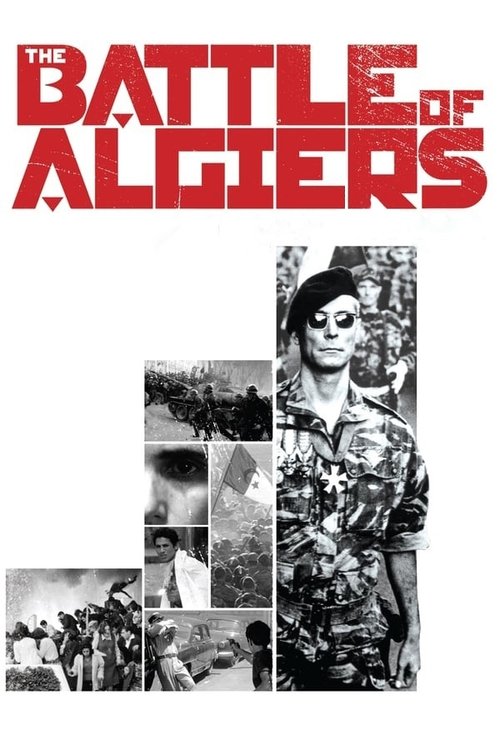
The Battle of Algiers1966
A resistance movement shot like a documentary that was never actually filmed at the time — the same urgency, the same refusal to give either side an easy moral out.
But Deliberately even-handed to the point of coldness; it studies tactics more than it invites you to love anyone.
The wildcard
Something you would not have found on your own.
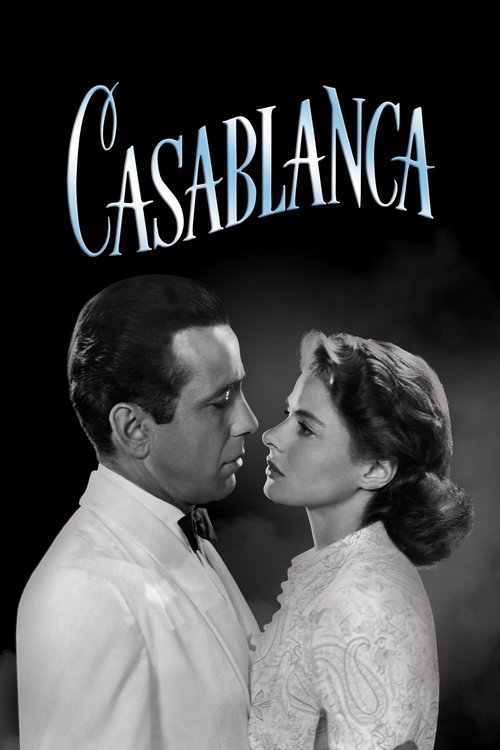
Casablanca1943
Both films use love, betrayal and resistance under occupation as their engine, but one is raw testimony shot in ruins and the other is Hollywood's polished, escapist answer to the same historical moment.
Made during the very same war, in the very same kind of occupied moral landscape, but shot on a Hollywood soundstage with movie stars and swelling strings instead of rubble and non-actors.
But Pure studio glamour and romance where Rossellini gives you grit — if you want authenticity, this is the opposite experience.
More like this (8)
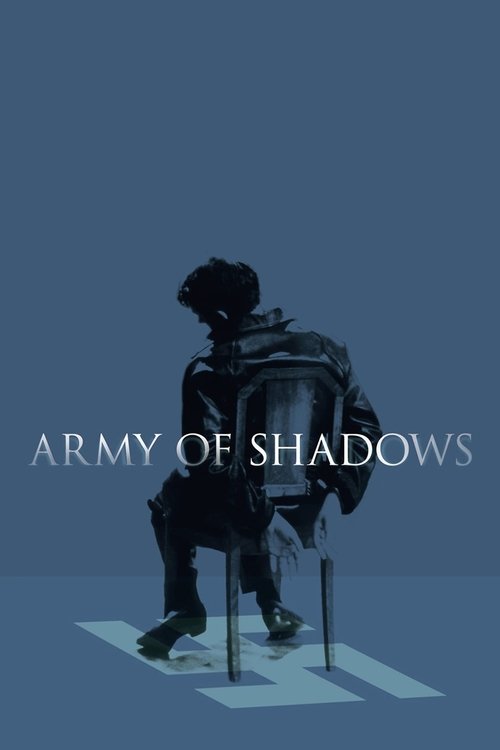
Army of Shadows1969
Melville's quiet, unglamorous portrait of the French Resistance, all cold rooms and impossible choices, carries the same weary courage under occupation.
But Its stillness is the point, but if you want catharsis or heroics, this withholds both almost entirely.
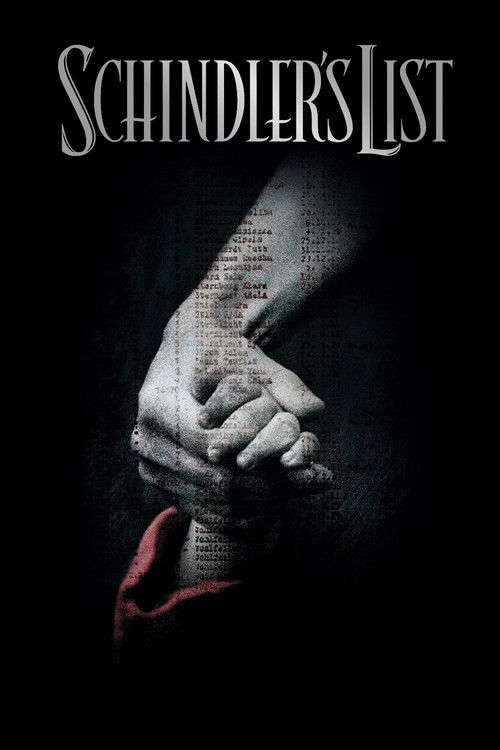
Schindler's List1993
A very different scale of filmmaking but the same subject at its core — ordinary and extraordinary people making impossible moral bets under occupation.
But Three hours, Hollywood polish, and a much more manipulative score than Rossellini would ever have allowed himself.
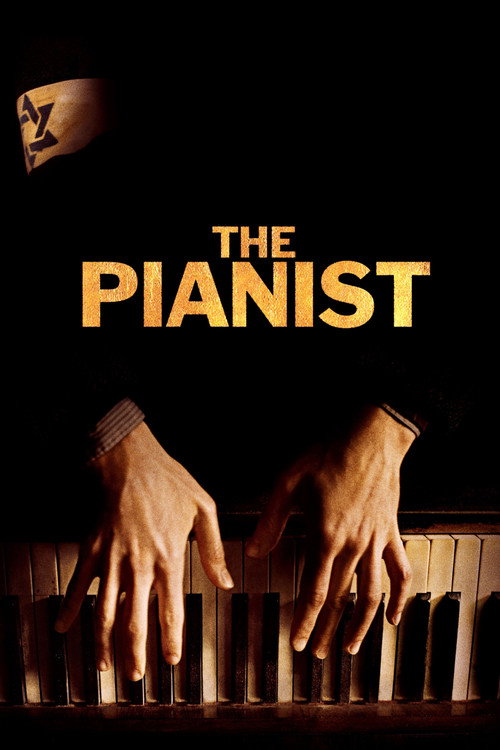
The Pianist2002
Survival under occupation rendered with unflinching, almost documentary patience — hunger, fear, and endurance filmed without flinching or looking away.
But Relentlessly grim with little relief; it asks a lot of you emotionally over two and a half hours.
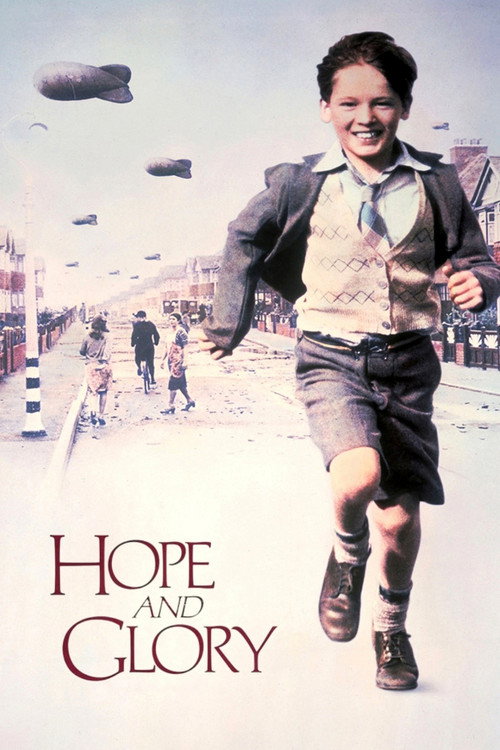
Hope and Glory1987
Boorman's memory of the London Blitz through a child's eyes offers the same civilian-eye view of war, but with warmth and even mischief instead of dread.
But Much gentler and more nostalgic — if you want Rossellini's rawness, this will feel almost cosy by comparison.
Land and Freedom1995no page yet
Ken Loach's Spanish Civil War drama shares the same interest in ordinary people radicalised by occupation and the messy, unglamorous politics of resistance.
But Talkier and more overtly ideological than Rossellini, with long stretches of political argument rather than action.
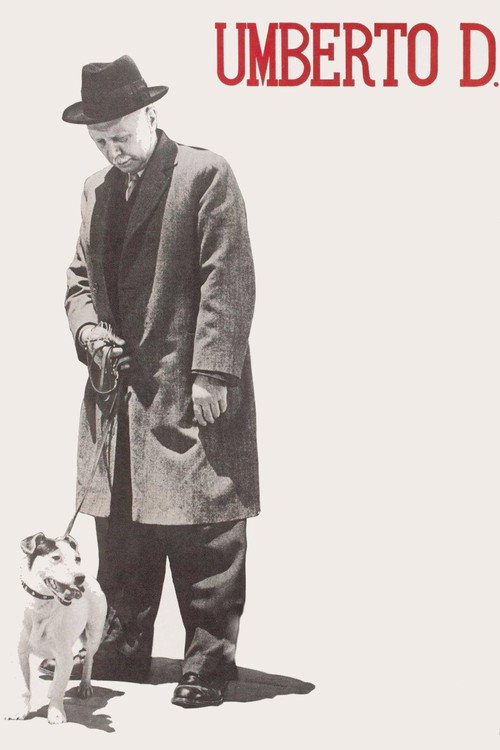
Umberto D.1952
De Sica again, this time turning neorealist tenderness on an old man and his dog — proof the movement's compassion didn't need a war to matter.
But Almost plotless and unbearably sad in a quiet, domestic way rather than a dramatic one.
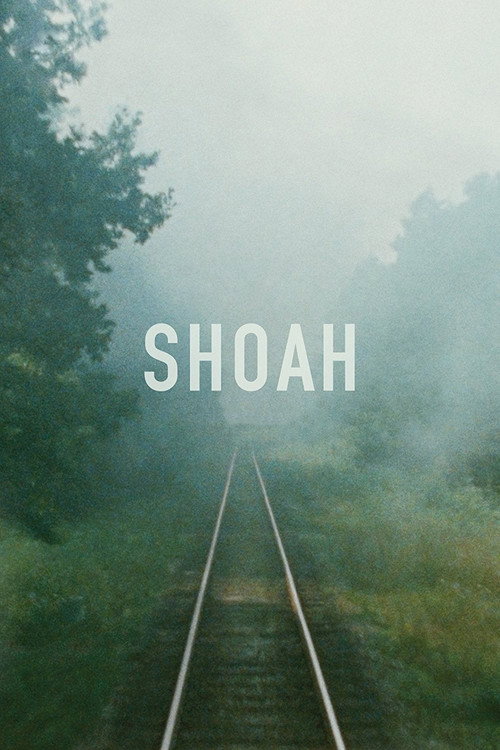
Shoah1985
Rossellini staged occupation-era atrocity with actors days after it happened; Lanzmann, decades later, lets real witnesses speak for themselves — same moral territory, opposite method.
A nine-hour documentary of survivors, perpetrators and bystanders talking, with no archival footage at all — just faces, memory, and the unbearable weight of what they're describing.
But It's a serious, multi-day commitment with no narrative shape, dramatic music or visual relief whatsoever.
Grave of the Fireflies1988
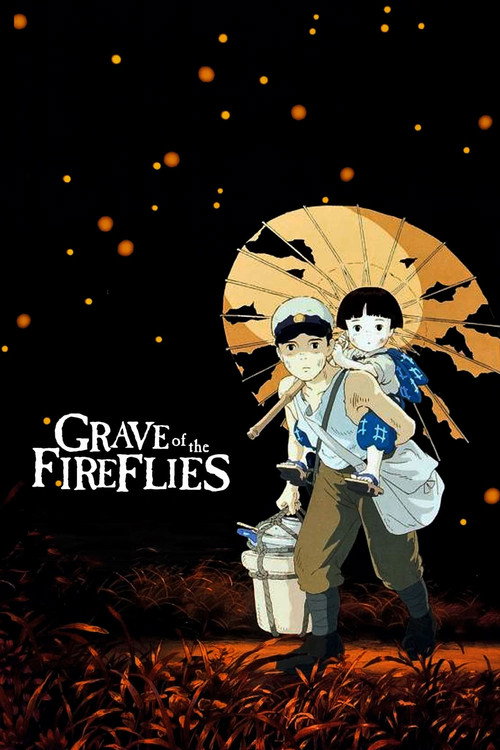
Different war, different country, different medium entirely, but the same neorealist instinct to follow ordinary civilians — especially the young and powerless — through catastrophe without flinching or softening it.
An animated film about two Japanese children trying to survive firebombing and starvation near the end of WWII, told with the same unsentimental attention to civilian suffering.
But Animation might make you expect something gentler; this is one of the most quietly devastating films ever made, animated or otherwise.
People
Cast
 Aldo FabriziDon Pietro Pellegrini
 Marcello PaglieroGiorgio Manfredi aka Luigi Ferraris
- Harry FeistMajor Fritz Bergmann
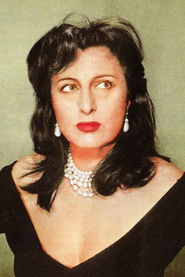 Anna MagnaniPina
 Maria MichiMarina Mari
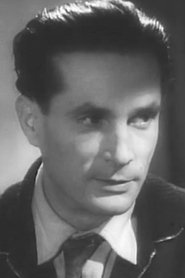 Francesco GrandjacquetFrancesco
- Vito AnnichiaricoMarcello
- Ákos TolnayAustrian Deserter
- Joop van HulzenCaptain Hartmann
- Carla RovereLauretta
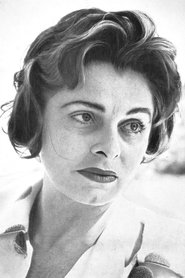 Giovanna GallettiIngrid
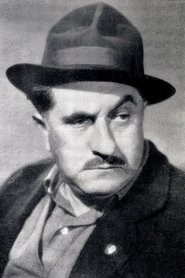 Nando BrunoAgostino the Sexton
Directing
- Federico FelliniAssistant Director
- Roberto RosselliniDirector
- Sergio AmideiFirst Assistant Director
- Jone TuziScript Supervisor
Writing
- Federico FelliniScreenplay
- Roberto RosselliniScreenplay
- Sergio AmideiScreenplay
- Sergio AmideiStory
Production
- Giuseppe AmatoProducer
- Roberto RosselliniProducer
- Rod E. GeigerProducer
- Ferruccio De MartinoProduction Manager
- Alberto ManniProduction Secretary