
Film
General Della Rovere
A masterwork of moral compromise. Vittorio De Sica plays a small-time grifter forced by the Nazis to infiltrate a prison and betray a partisan general—except his performance becomes something else entirely. It's a film about the corruption of the soul told with such grace and humanity that you leave shattered, not by spectacle but by recognizing yourself in every choice.
Should you watch it?
Watch it if you love morally tangled war stories where a petty swindler is pushed, scene by scene, toward something he never planned to be, and you want the human cost traced in close, quiet detail.
Skip it if you want battlefield spectacle or a brisk plot; this one moves through conversations, prison corridors and rooms full of waiting, and its tension builds slowly.
What it asks of you: Settle in for a long film of about two and a quarter hours that takes its time, with much of its force coming from faces and silences rather than action.
Not sure? Find tonight's pick in a minute.
If you liked this
The Third Man1949
Orson Welles and Joseph Cotten navigate moral ambiguity in post-war Vienna with the same intelligence and style. A con artist, a betrayal, and the question of what you'll do when everything is ash. Stunning.
But The plot hinges on a murder mystery that feels secondary to the atmosphere. Some find it slow; it moves at the speed of dread.

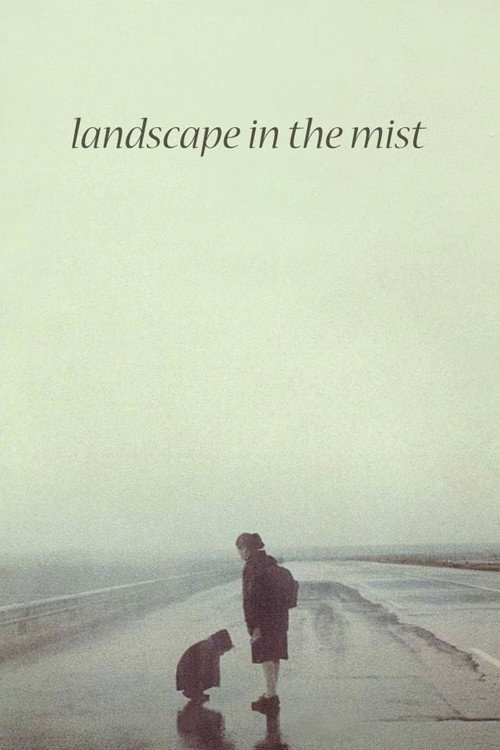
Landscape in the Mist1988
Theo Angelopoulos's epic follows two children searching for their father through the Balkans, shot with documentary patience and mythic weight. A meditation on displacement, identity, and the stories we tell to survive.
But It's nearly three hours and deliberately paced. The payoff is spiritual rather than narrative, which will feel empty if you need answers.
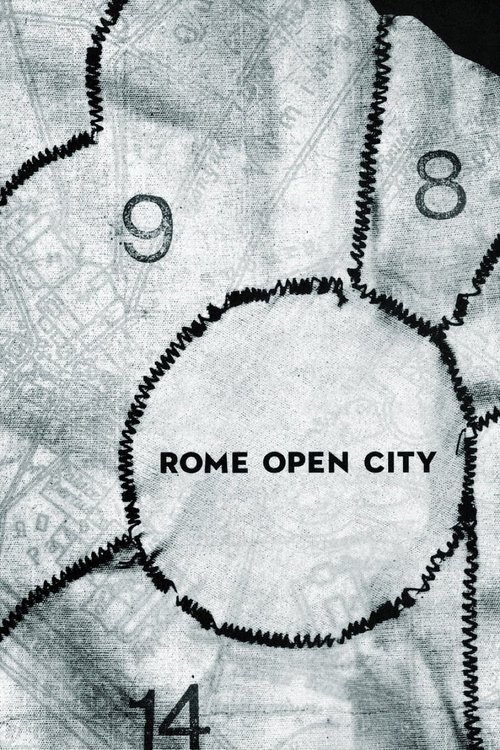
Rome, Open City1945
Rossellini's raw, urgent film about resistance and collaboration in Nazi-occupied Rome. De Sica himself acts here; this is Italian neorealism in its most vital form, made while the rubble was still warm.
But The acting feels documentary-like if you're expecting polish. The ending is deliberately, almost unbearably harsh.
Not sure tonight? Get a pick in a minute, starting from General Della Rovere
The wildcard
Something you would not have found on your own.
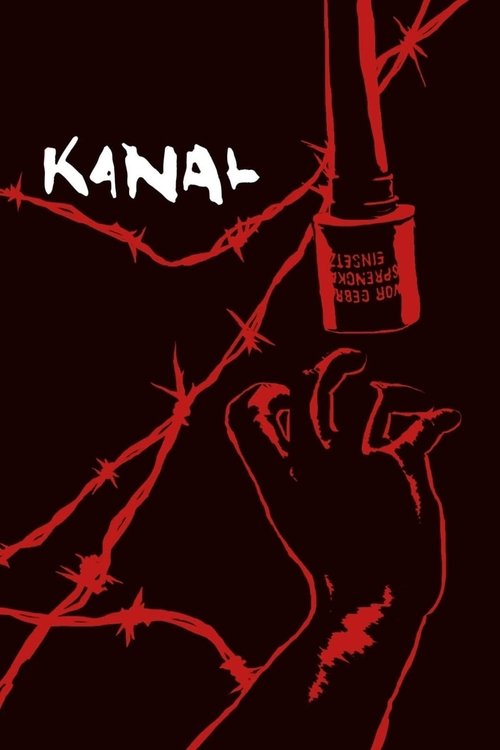
Kanal1957
Both are films of the Eastern European resistance filtered through the specific moral philosophy of their makers. De Sica finds grace in compromise; Wajda finds only inevitability in sacrifice. They're opposite answers to the same question.
Andrzej Wajda's nightmarish masterpiece follows Polish resistance fighters escaping through Warsaw's sewers after the Uprising. Like Della Rovere, it's about dignity under impossible duress, but it strips away every comfort. Brutally, unforgettably real.
But It's not a war film—it's a descent into hell. The claustrophobia is suffocating. Wajda refuses catharsis or meaning-making. Bleak beyond measure.
More like this (8)
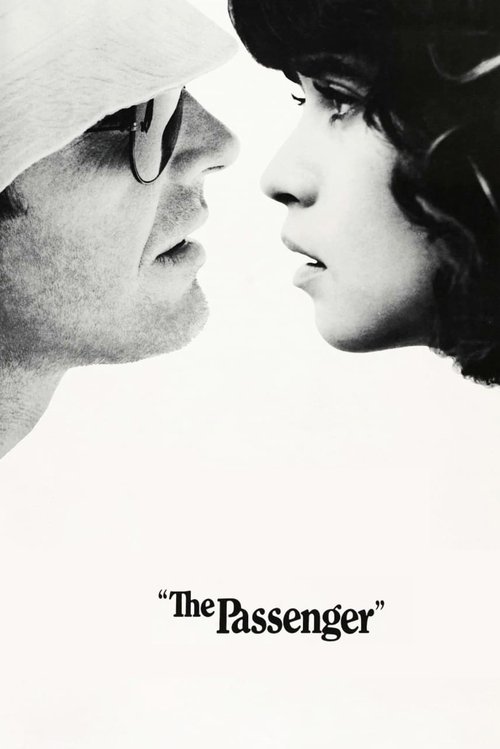
The Passenger1975
Antonioni's metaphysical thriller: a journalist assumes a dead man's identity and slowly realizes he's inherited a curse. Identity as a skin you can shed, and the consequences when you try. Hypnotic and unsettling.
But Very little happens. If you need plot momentum, this will feel like watching paint dry. Gorgeous, crushing paint.
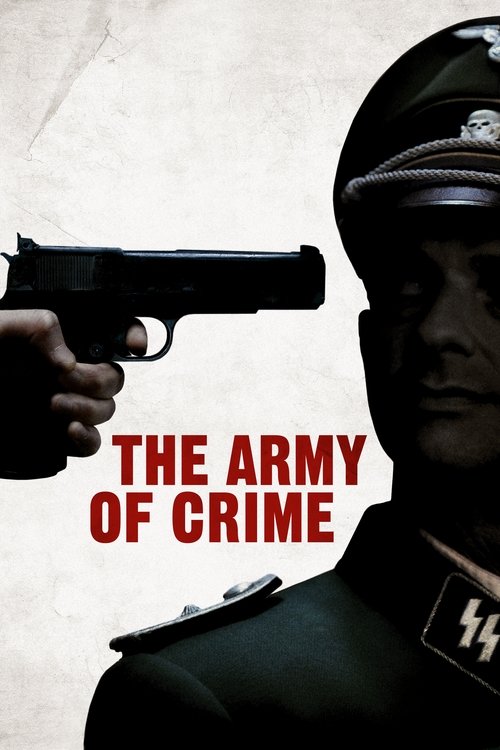
Army of Crime2009
Angélique de Saint-Jean's film about French-Armenian resistance fighters under the Nazis. It has the same quiet moral reckoning as Della Rovere, but from the perspective of those fighting back. Devastating and beautiful.
But It's more meditative than you might expect for a resistance story. There's violence, but the film dwells on cost, not heroism.
The Best Years of Our Lives1946
William Wyler's masterpiece about soldiers returning home after WWII. No combat here—just the harder truth of adjustment, loyalty tested by peace, and what you owe the people who saved your life.
But It's three-and-a-half hours and deeply American in its optimism. Some scenes feel dated; you have to meet it where it is.

A Prophet2009
Jacques Audiard's prison film traces a young man's rise through moral degradation. Like Della Rovere, it asks what happens to your humanity when you're forced to betray to survive. Modern, urgent, brilliantly acted.
But Graphic violence, sexual assault. It's not exploitative, but it doesn't look away. The tone is bleak and stays that way.

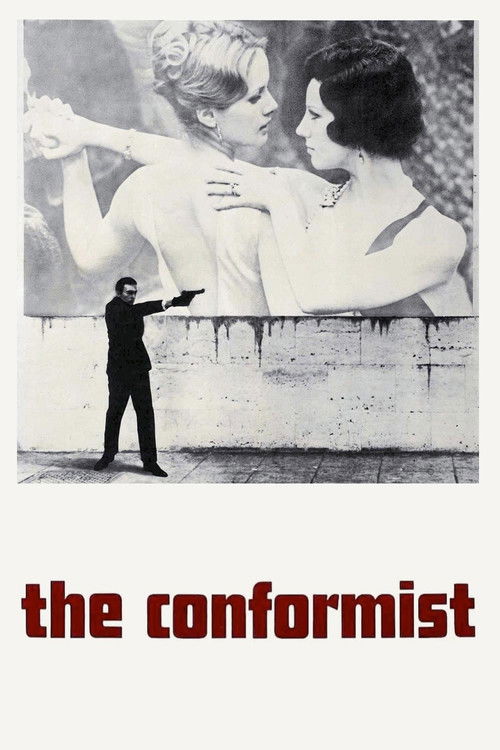
The Conformist1971
Bernardo Bertolucci's masterpiece about a man who joins the fascists to be ordinary. A mirror to Della Rovere's central question: how far will you compromise to fit in? Visually ravishing, morally devastating.
But Dense, elliptical storytelling. Some sequences are deliberately obtuse. Requires patience and attention.
La Haine1995
Mathieu Kassovitz's furious portrait of three young men in a Paris banlieue. The politics shift the lens, but the architecture is the same: survival through betrayal, the self fractured by circumstance.
But Angry and preachy in places. The central tragedy is telegraphed. If you need subtlety in your social commentary, you won't find it here.

The Red Shoes1948
Both films are obsessed with performance as a form of entrapment. De Sica's con man must perform to survive; Powell's ballerina must perform to live. Both ask: what's left when the role is all that remains?
Powell and Pressburger's extravagant ballet film is about a woman trapped between art and love, control and freedom. It sounds nothing like Della Rovere until you realize both are about performance as a cage—the mask you wear consuming the self beneath.
But It's a musical fantasy, gorgeously artificial. If you're in the mood for realism, this will feel frivolous. The ending is operatic and deeply strange.

Memories of Murder2003
Both films are about moral contamination through proximity. Della Rovere is corrupted by playing a role for the Nazis; the detective in Memories is corrupted by the system he serves. Both end not with redemption but with the realization that the corruption is permanent.
Bong Joon-ho's serial killer film is set in 1980s South Korea, but it's really about how institutions corrupt the men inside them. A detective slowly becomes the thing he's hunting. The mirror-image of Della Rovere, and just as quietly devastating.
But It's a police procedural that deliberately doesn't solve its case. If you need closure or justice, prepare to be frustrated. Very violent. Three hours.

People
Cast
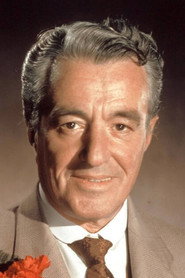 Vittorio De SicaBardone AKA 'Grimaldi'
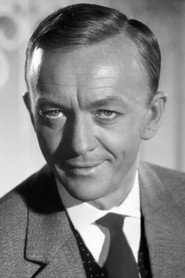 Hannes MessemerS.S. Colonel Mueller
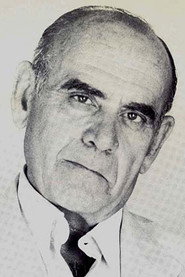 Vittorio CaprioliAristide Banchelli
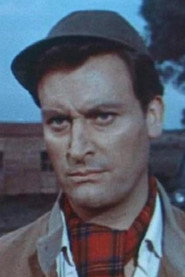 Nando AngeliniPaolo
- Herbert FischerSergeant Walter Hageman
- Mary GrecoVera (the madam)
- Bernardo MenicacciPrison guard
 Lucia ModugnoPartisan girl
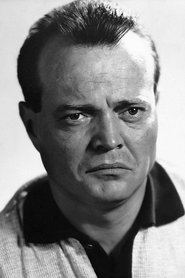 Luciano PigozziPrisoner
- Kurt PolterGerman officer
- Giuseppe RosettiPietro Valeri
- Kurt SelgeMarshall Schrantz
Directing
- Roberto RosselliniDirector
- Philippe ArthuysFirst Assistant Director
- Renzo RosselliniFirst Assistant Director
- Tinto BrassFirst Assistant Director
- Anna Maria MontanariScript Supervisor
- Zeev HavatzeletSecond Assistant Director
Writing
- Indro MontanelliNovel
- Diego FabbriScreenplay
- Indro MontanelliScreenplay
- Sergio AmideiScreenplay
- Diego FabbriStory
- Indro MontanelliStory
- Sergio AmideiStory
Production
- Moris ErgasExecutive Producer
- Paolo FrascàProduction Manager
- Carlo GiovagnorioProduction Secretary
- Gianni CecchinProduction Supervisor
- Manolo BologniniProduction Supervisor