
Film
Santiago, Italia
A 2018 essay film exploring how Italy's Santiago embassy became an unlikely refuge during Pinochet's regime. Director Nanni Moretti assembles interviews with Chilean filmmakers, journalists, and archival footage to examine a little-known chapter of Cold War solidarity—when one nation's diplomacy offered sanctuary to another's persecuted. Meditative and politically engaged.
Should you watch it?
Watch it if you want history told through the people who lived it, and you enjoy a documentary that circles a memory with personal curiosity rather than lecturing you about it.
Skip it if you need a tight, fast-moving narrative, since this is a loose, talky essay built on interviews and archive footage that wanders on purpose.
What it asks of you: Expect a slow, reflective ride of roughly eighty minutes, where you piece things together from conversation and old footage and sit with the pauses rather than being carried along.
Not sure? Find tonight's pick in a minute.
If you liked this
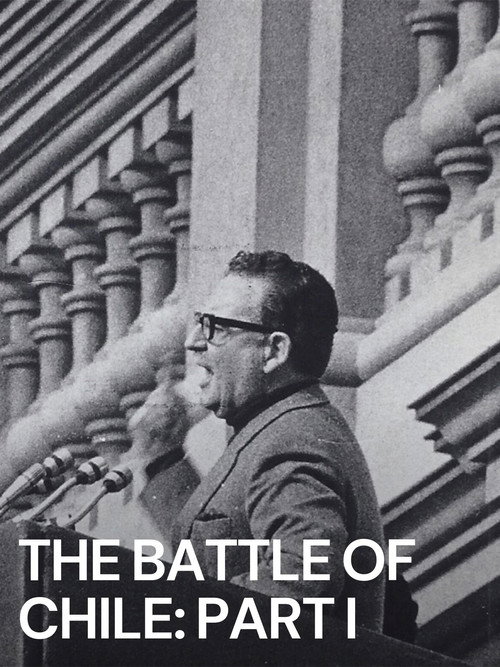
The Battle of Chile: Part I1975
Patricio Guzmán's monumental three-part documentary captures the Allende years and coup with extraordinary immediacy. Essential viewing for understanding the historical moment Santiago, Italia examines. Guzmán himself appears in the film.
But At nearly four and a half hours across all parts, it demands serious commitment. The footage is sometimes raw and difficult to watch.
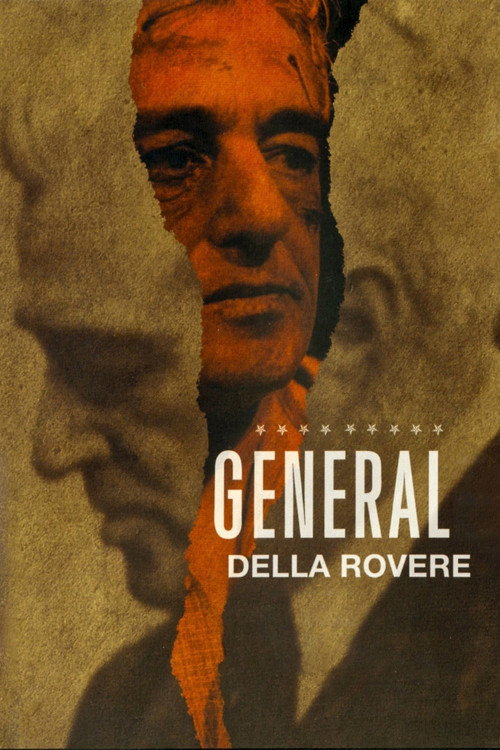
General Della Rovere1959
Roberto Rossellini's neorealist masterpiece about Italian moral compromise during fascism shares Santiago, Italia's fascination with how nations and individuals navigate complicity. A meditation on conscience disguised as a war drama.
But The pacing is deliberate; it's a film that asks you to sit with ambiguity rather than resolve it quickly.
The Act of Killing2012
Like Santiago, Italia, it documents a brutal regime's aftermath through interviews and testimony. Joshua Oppenheimer creates a haunting portrait of perpetrators and trauma that reshapes how we understand historical accountability.
But Extremely disturbing—perpetrators of genocide reenact their crimes. Emotionally and ethically demanding in ways that linger.

Not sure tonight? Get a pick in a minute, starting from Santiago, Italia
The wildcard
Something you would not have found on your own.
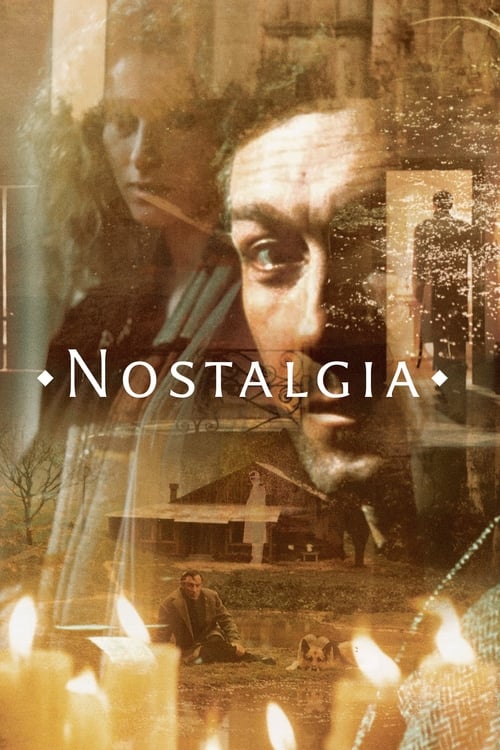
Nostalgia1983
Both examine the spiritual and philosophical weight of exile. Tarkovsky filmed in Italy as a displaced Russian; Moretti's film honors Italians who sheltered the displaced. Mirror images of refuge and estrangement.
Andrei Tarkovsky's exile film meditates on displacement, loss, and the impossibility of return. Like Santiago, Italia it examines what happens to memory and identity when home becomes inaccessible. A visual essay rather than narrative, profoundly moving.
But Tarkovsky is notoriously slow—163 minutes of long takes on decaying Italian landscapes. The connection to Chile's history is thematic rather than literal, which may feel oblique.
More like this (5)
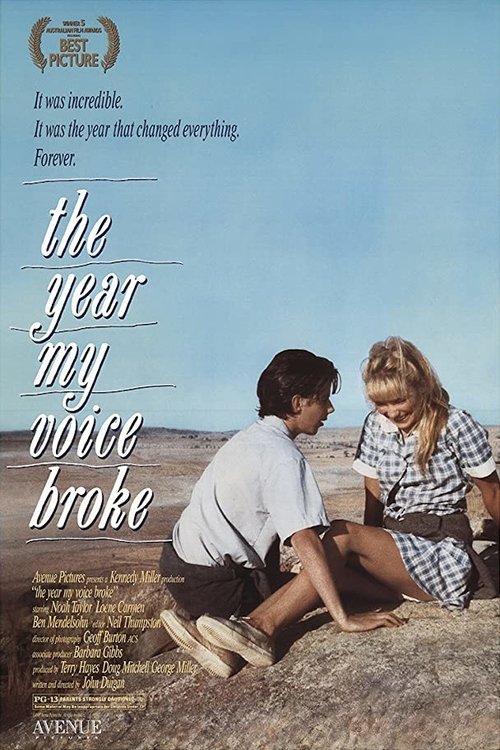
The Year My Voice Broke1987
John Duigan's Australian film quietly illuminates how political upheaval touches personal lives. A smaller, more intimate counterpoint to Santiago, Italia's geopolitical scope, but shares its belief that history is lived in particulars.
But Understated to the point of seeming slow if you're expecting drama rather than reflection.
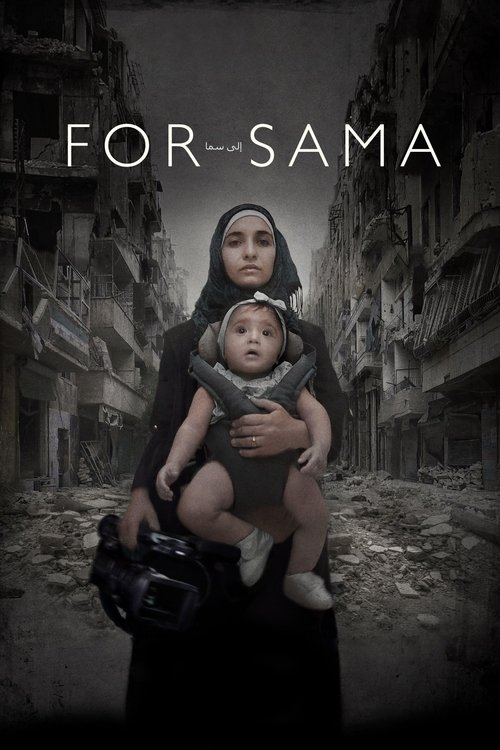
For Sama2019
Waad Al-Kateab's intimate documentary of Syrian civil war uses personal testimony and archive much like Santiago, Italia does. A portrait of endurance and the impossibility of neutrality in the face of state violence.
But Visceral and heartbreaking; not a film you watch passively. The subject matter is relentlessly difficult.
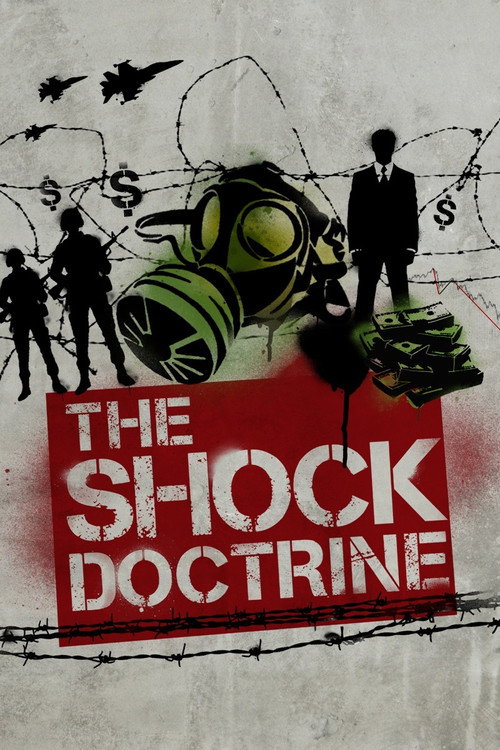
The Shock Doctrine2009
Michael Winterbottom and Naomi Klein's essay-documentary explores how economic ideology drove the 1973 coup Moretti discusses. A companion piece that contextualizes the regime's intellectual architecture alongside its human cost.
But Dense and polemical; requires prior knowledge of neoliberal economic theory to follow comfortably.
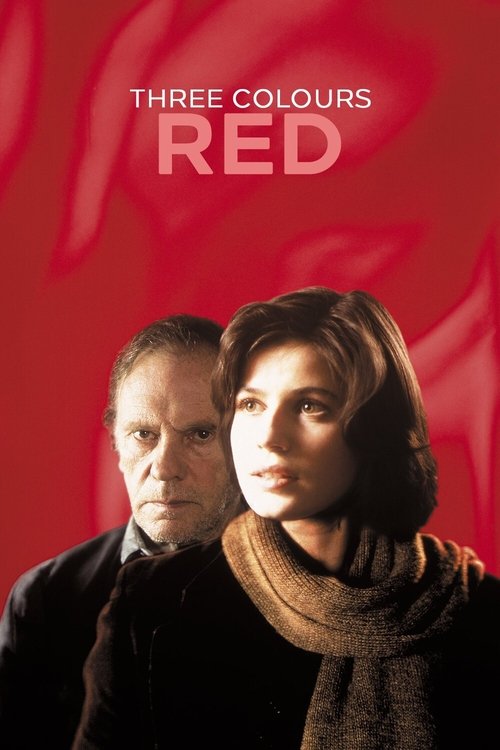
Three Colors: Red1994
Both use objects, spaces, and chance encounters to suggest how history happens through proximity and accident. Neither film trusts grand narrative; both trust particulars.
Kieślowski's final film uses the symbol of a red telephone as its anchor—chance connection, eavesdropping, entanglement. It shares Santiago, Italia's belief that historical significance lives in the small, overlooked moments between nations and strangers.
But Plotless and dreamlike; some find it too mannered. Rewards patience but doesn't reward plot-hunting. Structurally resistant to conventional interpretation.
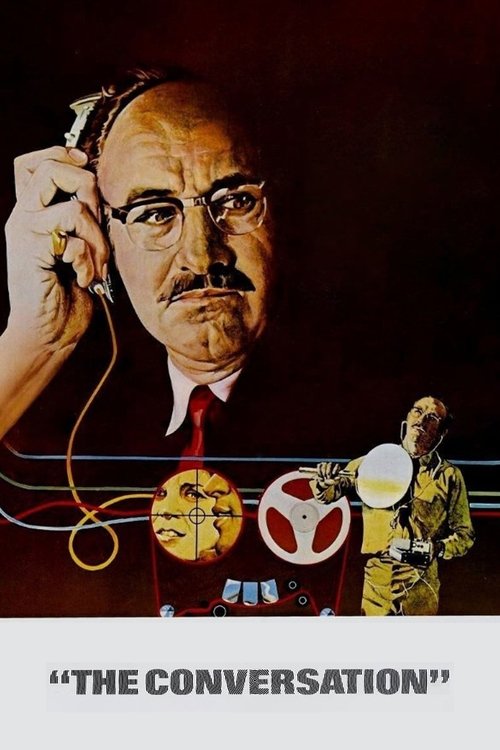
The Conversation1974
Both films are about the burden of listening and knowing. Coppola's protagonist watches; Moretti watches the watchers. Both ask: what responsibility comes with access to other people's secrets?
Coppola's paranoid masterpiece about a surveillance expert watching (without fully understanding) a conversation that may contain political danger. It's about the ethics of witnessing and what we owe the people whose privacy we've breached—Santiago, Italia's silent moral question.
But Intentionally frustrating; Coppola withholds the crucial conversation's contents. Its 1970s aesthetic and pace feel remote. The connection to Chile is oblique—thematic rather than historical.
People
Cast
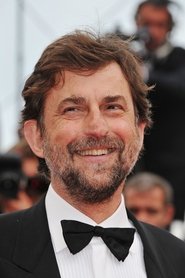 Nanni MorettiSelf
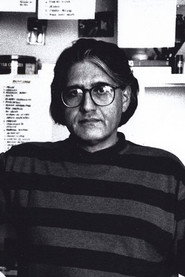 Patricio GuzmánSelf - Filmmaker
 Carmen CastilloSelf - Filmmaker
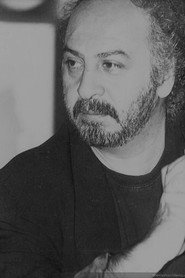 Miguel LittínSelf - Filmmaker
 Alejandra MatusSelf - Journalist
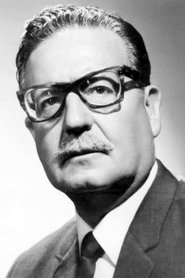 Salvador AllendeSelf (archive footage)
 Carmen HertzSelf - Lawyer
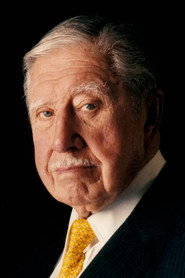 Augusto PinochetSelf (archive footage)
Directing
- Loredana ConteAssistant Director
- Nanni MorettiDirector
Writing
- Nanni MorettiIdea
- Nanni MorettiScreenplay
- Nanni MorettiStory
- Nanni MorettiWriter
Production
- Carlos NuñezExecutive Producer
- Jeffrey B. MallianLine Producer
- Carlos NuñezProducer
- Gabriela SandovalProducer
- Jean LabadieProducer
- Nanni MorettiProducer