
Film
Kanal
- War drama
- Very dark
Andrzej Wajda's 1957 masterpiece traps a band of Warsaw Uprising fighters in the city's sewers during their final, desperate hours. It's claustrophobic, morally unsparing, and visually inventive—a film that finds unbearable beauty in hopelessness. Essential viewing for anyone who wants to understand how cinema can transform historical catastrophe into something that feels immediate and personal.
Should you watch it?
Watch it if you want a war film that stays underground with a small band of soldiers, where claustrophobia and moral exhaustion matter more than battlefield spectacle, and you can sit with unrelenting dread.
Skip it if you need momentum and clear action, since this is a slow, claustrophobic study of waiting and dread rather than a story that builds toward combat or rescue.
What it asks of you: Roughly an hour and a half, it stays in cramped, dark tunnels for long stretches, rewarding patience and close attention over quick cuts or consolation.
Not sure? Find tonight's pick in a minute.
If you liked this
Come and See1985
Elem Klimov's Soviet film follows a young boy through the horrors of WWII with the same unflinching gaze and visceral dread. It shares Kanal's refusal to look away from suffering or offer easy catharsis.
But It's not just bleak—it's nearly unwatchable. The violence is graphic and the psychological toll on the protagonist is devastating.

The Seventh Seal1957
Bergman made this the same year as Kanal. Both films confront mortality and faith with formal brilliance, using confined spaces and symbolic imagery to explore the human condition under ultimate pressure.
But It's philosophical and deliberately paced. If you want plot momentum over existential questions, you'll find it slow.

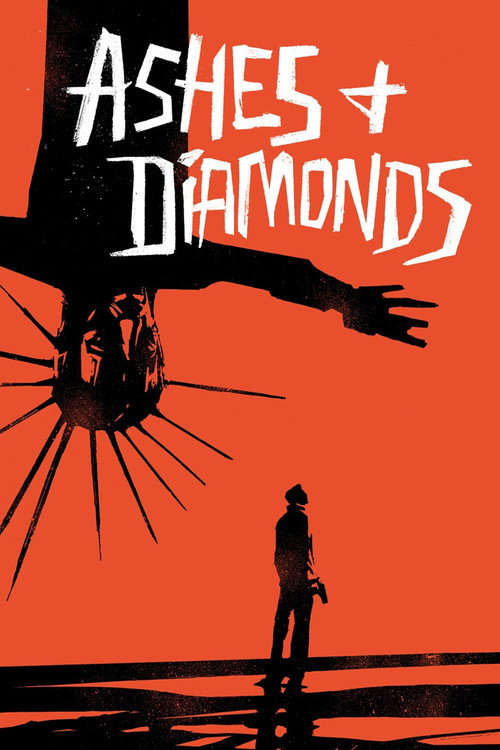
Ashes and Diamonds1958
Wajda's follow-up explores another fraught moment in Polish history with the same visual invention and moral ambiguity. If Kanal moved you, this deepens your understanding of Wajda's project.
But It requires patience with allegory. The political symbolism can feel opaque without some historical context.
Not sure tonight? Get a pick in a minute, starting from Kanal
The wildcard
Something you would not have found on your own.
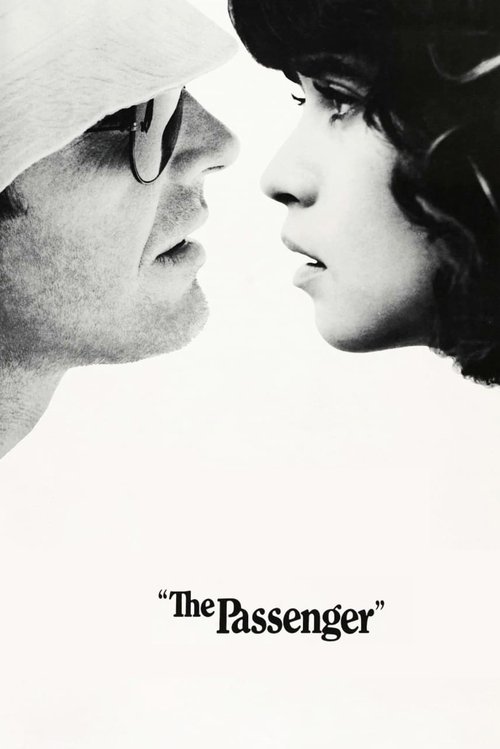
The Passenger1975
Both films use claustrophobic settings and labyrinthine spaces as vehicles for exploring the impossibility of escape from one's circumstances, whether historical or existential.
Michelangelo Antonioni's enigmatic thriller about identity and escape uses confined spaces and underground spaces metaphorically the way Kanal uses them literally. Both films are about being trapped—by history, circumstance, or selfhood—and both refuse easy resolution.
But It's deliberately oblique and refuses to explain itself. Many find it frustrating rather than mysteriously profound.
More like this (7)
Night and Fog1956
Resnais's 28-minute documentary about Auschwitz is almost contemporary with Kanal and shares its ability to make atrocity feel present. A companion piece that will change how you think about Kanal.
But It's documentary footage of the camps. Not an evening's entertainment—an act of witnessing that leaves you hollowed out.

The Third Man1949
Reed's Vienna-set thriller also uses underground spaces (the sewers this time) as both literal and moral labyrinths. It has the same sense of moral corruption and inescapable fate, but with noir style instead of realism.
But It's a mystery thriller, not a war film. If you want historical weight, the espionage intrigue might feel glib by comparison.

Stalker1979
Tarkovsky's science-fiction meditation on desire, faith, and the unknowable uses confined spaces and slow, hypnotic pacing to create existential dread. The same spiritual wrestling as Kanal, dressed in different clothes.
But It's three hours of deliberate, nearly plot-free cinema. Most people find it either transcendent or impenetrably boring.

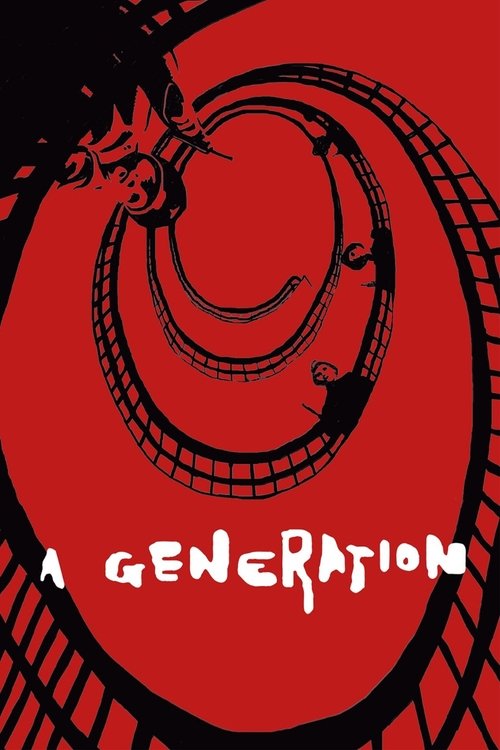
A Generation1955
Wajda's debut film about Warsaw's young Resistance fighters has the same documentary texture and moral seriousness, showing the human cost of occupation from a different angle.
But It's less formally ambitious than Kanal and can feel more conventional, even if it's historically important.
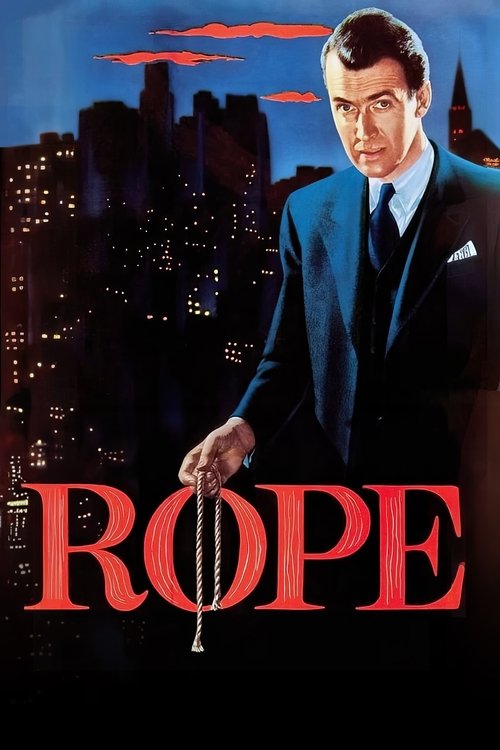
Rope1948
Hitchcock's real-time thriller set almost entirely in one apartment shares Kanal's claustrophobic intensity and moral interrogation of characters trapped by circumstance and choice.
But It's a very different kind of film—a drawing-room drama, not a war film. The psychological games might feel trivial compared to Kanal's stakes.
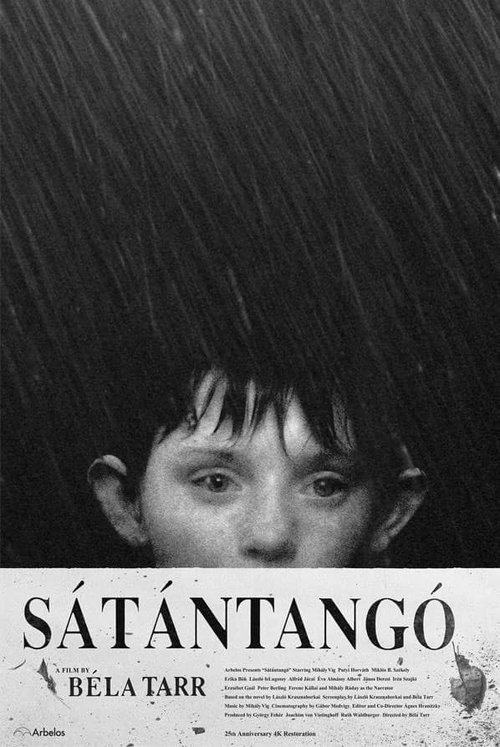
Satantango1994
Both films reject narrative comfort and use repetitive, cyclical formal structures to suggest that escape—spiritual, physical, moral—may be impossible.
Béla Tarr's seven-hour Hungarian film about a community in moral and physical decline shares Kanal's formal brilliance and its vision of human beings trapped in inescapable systems. It's cinema as architecture, as inexorable as Wajda's sewers.
But Seven hours. Black and white. No plot in any conventional sense. This is a commitment, not a film.
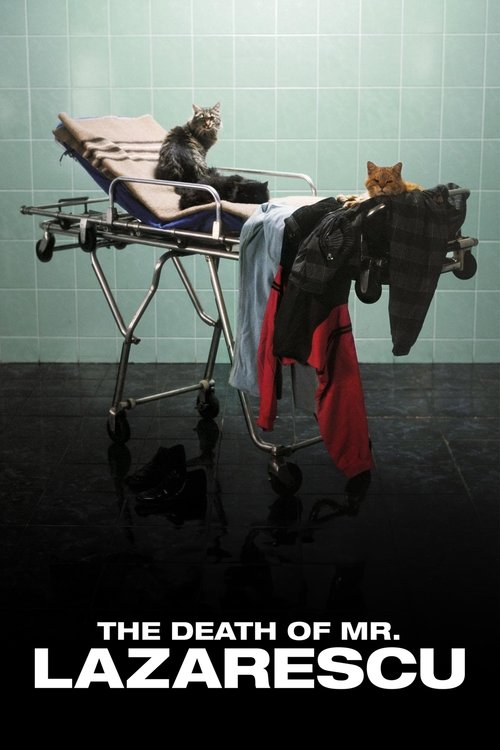
The Death of Mr. Lazarescu2005
Both films use long, patient observation to reveal how systems—totalitarian state, medical bureaucracy—can render individuals powerless and invisible, with neither triumph nor mercy.
Cristi Puiu's Romanian film follows an old man through a Bucharest hospital system with the same unflinching documentation of bureaucratic indifference and human suffering. It has Kanal's commitment to moral realism without sentimentality.
But It's 154 minutes of watching bureaucracy grind over a dying man. There's no heroism, no catharsis, just slow, documented attrition.
People
Cast
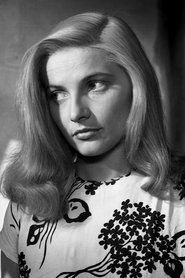 Teresa Iżewska"Daisy"
 Tadeusz JanczarEnsign "Korab"
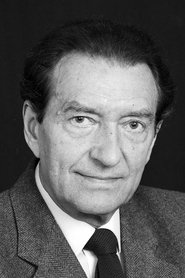 Wieńczysław GlińskiLieutenant "Zadra"
 Tadeusz GwiazdowskiSergeant "Kula"
 Stanisław Mikulski"Smukły"
 Emil KarewiczLieutenant "Mądry"
 Vladek SheybalMichał
- Teresa BerezowskaHalinka
 Zofia LindorfWoman searching for a Daughter
 Janina JabłonowskaWoman shouting at Resistance Members
- Maria KretzAmputee
 Jan Englert"Zefir"
Directing
- Anita JaneczkowaAssistant Director
- Janusz MorgensternAssistant Director
- Maria StarzeńskaAssistant Director
- Andrzej WajdaDirector
- Kazimierz KutzFirst Assistant Director
Writing
- Jerzy Stefan StawińskiScreenplay
- Jerzy Stefan StawińskiShort Story
Production
- Ludwik HagerAssistant Production Manager
- Stanisław AdlerProduction Manager
- Arkadiusz OrłowskiUnit Manager
- Tadeusz BierczynskiUnit Manager
- Zbigniew BrejtkopfUnit Manager
Recommended by
The Pianist, La Bête Humaine, A Generation, Men Behind the Sun, ABCD 2, General Della Rovere, The Stone Sky, The Long Day's Dying, This Land Is Mine, The Medusa Touch