
Film
The Long Day's Dying
- War drama
- Very dark
A 1968 chamber piece about three British soldiers escorting a German prisoner through the French countryside. Structurally audacious and deliberately slow, it uses repetition and fragmented narrative to ask whether understanding your enemy changes what you owe them. Quietly philosophical, visually precise, built for patience.
Should you watch it?
Watch it if you want a lean, dusty war film where small talk, shifting loyalties and long silences between men carry more weight than battle scenes.
Skip it if you need a brisk plot to stay engaged, because it moves slowly and leans on mood and idle conversation rather than momentum.
What it asks of you: a slow, unhurried ninety-five minutes that wants your patience more than your attention, with long stretches of walking and waiting that build a weary, bleak mood.
Not sure? Find tonight's pick in a minute.
If you liked this
Come and See1985
Devastatingly immersive Soviet war film that follows a boy through the Eastern Front. Like The Long Day's Dying, it finds moral complexity in proximity to enemies, but with overwhelming sensory force—brutality as a physical fact.
But The violence is not distant or abstracted. It accumulates until the film becomes genuinely difficult to endure, which is precisely the point.

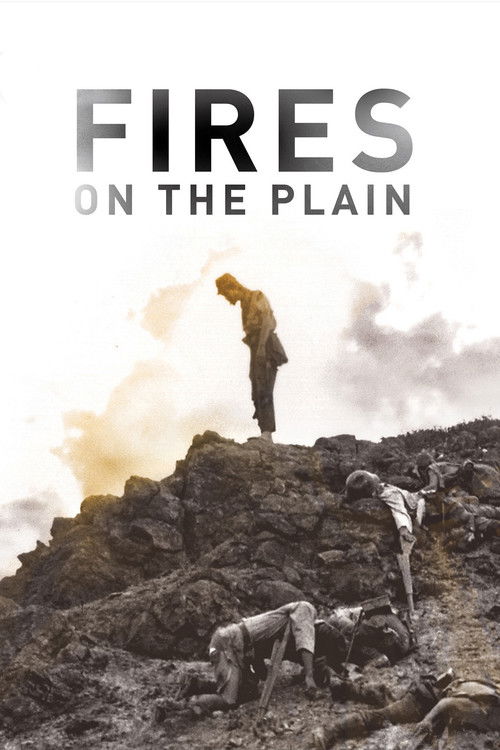
Fires on the Plain1959
Japanese film about soldiers in the Philippines facing starvation and moral collapse. Shares the same philosophical restraint and interest in how men become unmoored when survival is the only law.
But Slow, repetitive, and deliberately unglamorous. The pacing demands surrender rather than engagement.
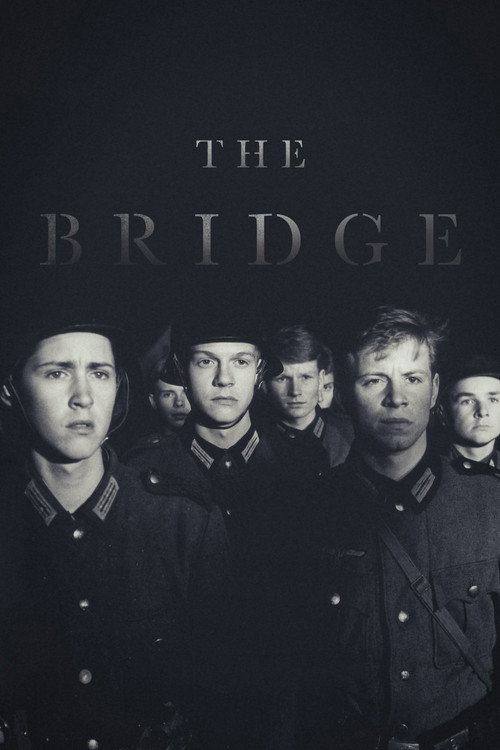
The Bridge1959
German film about teenage boys ordered to defend a meaningless bridge. Explores how proximity and responsibility create impossible moral situations—direct thematic kin to The Long Day's Dying.
But The tone is elegiac rather than dramatic. Some find it slow-moving; others find that slowness is where the power lives.
Not sure tonight? Get a pick in a minute, starting from The Long Day's Dying
The wildcard
Something you would not have found on your own.
Stalker1979
Both treat a small group's journey as a vehicle for exploring how men change when forced into extended proximity with difference and mortality.
Tarkovsky's three men on a journey into a mysterious zone. The connection is structural and spiritual: both are essays on proximity disguised as narratives, where the real action is interior and moral, the actual destination less important than what happens between arrivals.
But It is very slow, very long, and the payoff is philosophical rather than dramatic. Some experience it as profound meditation; others as glacial.

More like this (7)
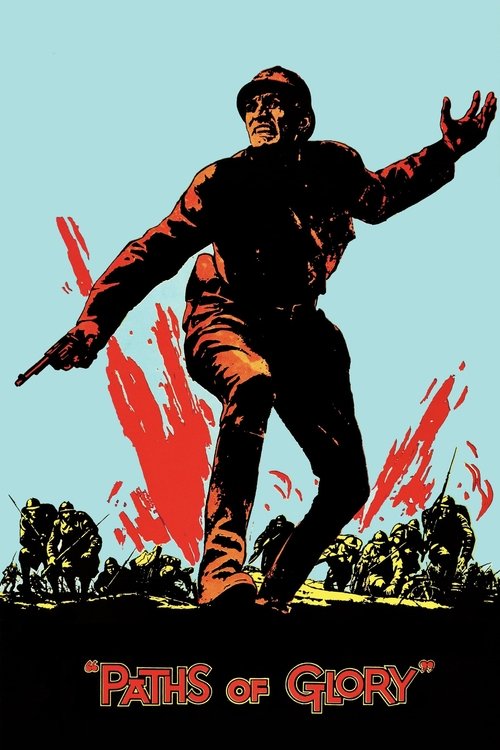
Paths of Glory1957
Kubrick's masterpiece about the machinery of war and command. Both films interrogate authority and loyalty through confined narratives, though this one moves with much greater momentum.
But The ending is genuinely heartbreaking in a way that can feel manipulative if you're resistant to it.
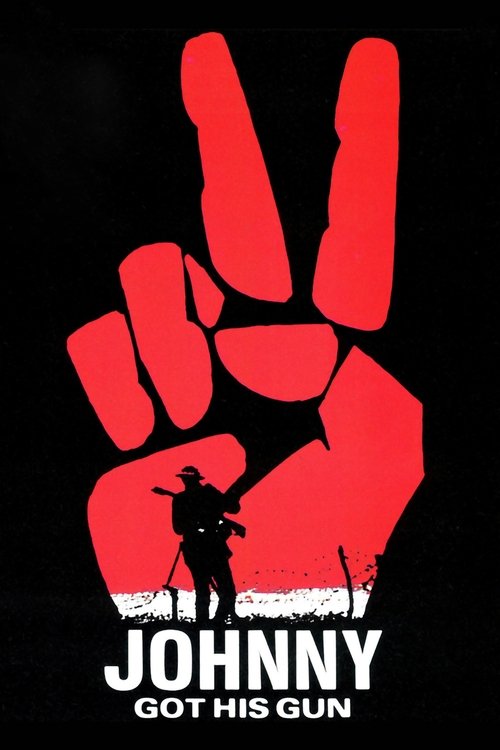
Johnny Got His Gun1971
A man wakes from a coma completely paralysed. Both films treat war's aftermath with philosophical weight rather than sentiment, asking hard questions about survival and dignity.
But The middle section becomes almost experimental in its presentation. Some find it visionary; others find it alienating.
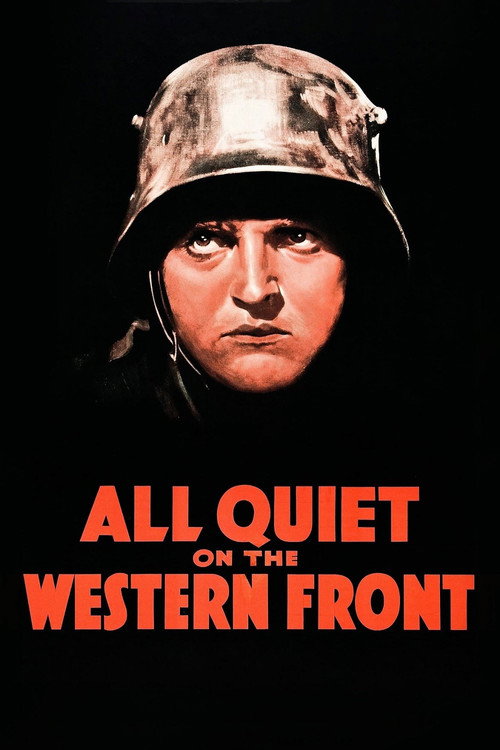
All Quiet on the Western Front1930
The original, still devastating. Shares the interest in how soldiers of opposite sides become aware of their fundamental sameness when face to face.
But It's a canonical text, which can feel like homework. The 1930 version is also silent-era expressionist, which requires adjustment.
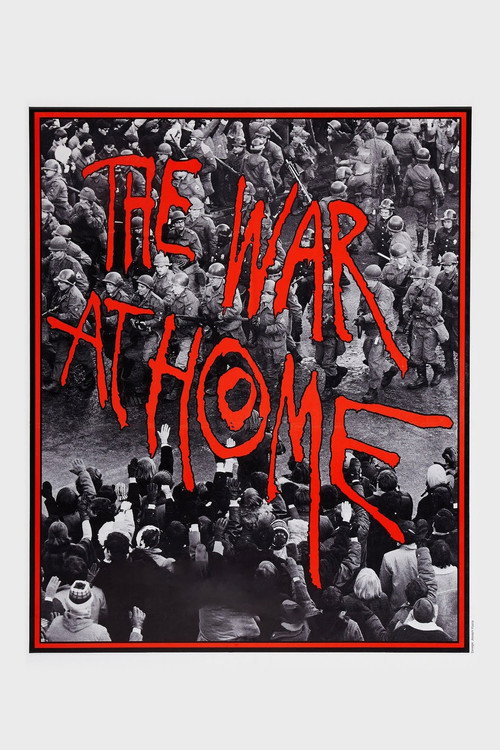
The War at Home1979
Documentary about Vietnam resistance that, like this film, finds moral complexity in how we categorise enemy and ally. Structured as conversations and fragments rather than argument.
But It's a documentary, and a didactic one—some will feel lectured to rather than moved by it.
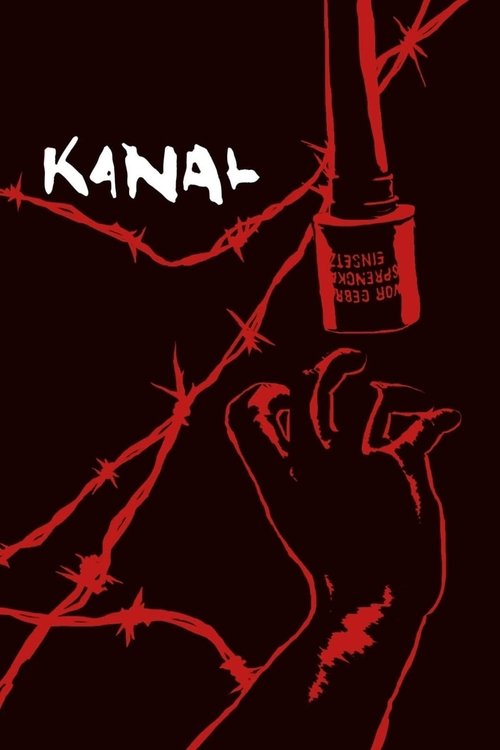
Kanal1957
Andrzej Wajda's Polish film following soldiers through Warsaw sewers. Confined, claustrophobic, interested in endurance and the weight of choices made under impossible pressure.
But The monochrome cinematography and Eastern European pacing may feel distant. It's about survival as attrition, not heroism.
La Haine1995
Both use a tight geographical and temporal frame to examine how proximity to 'the other' shifts or calcifies belief. Both are formally precise about time and space.
French film following three young men through Paris over 24 hours. Like The Long Day's Dying, it's interested in how prejudice dissolves or hardens in the space between people, rendered in austere black and white.
But It's a French film about contemporary urban alienation—structurally similar but tonally urgent rather than meditative. Very different pacing and energy.

Possession1981
Both use forced intimacy between people on opposite sides of an ideological or personal divide to argue that understanding remains fundamentally impossible, no matter how close you get.
Andrzej Żuławski's surreal breakdown of a marriage in divided Berlin. Shocking connection: both films use confinement and forced proximity to explore the impossibility of truly understanding another person, even when you must.
But It's hallucinatory, sexually explicit, and formally chaotic—the opposite of The Long Day's Dying's restraint. It will feel like watching someone else's fever dream.

People
Cast
 David HemmingsJohn
 Tony BeckleyCliff
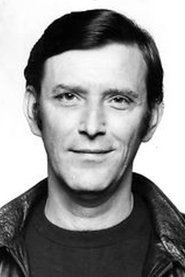 Tom BellTom Cooper
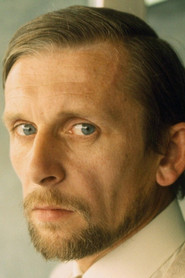 Alan DobieHelmut
Directing
- Michael DryhurstAssistant Director
- Peter CollinsonDirector
- Michael GuestSecond Assistant Director
Writing
- Alan WhiteNovel
- Charles WoodScreenplay
Production
- Michael DeeleyExecutive Producer
- Harry FineProducer
- Vicki DeasonProduction Secretary