
Film
Men Behind the Sun
- Crime
- Body horror
- Very dark
Men Behind the Sun is a 1988 Chinese war film depicting the historical atrocities of Japan's Unit 731 biological weapons program during WWII. It's unflinching and graphic—a difficult watch that doesn't look away from industrial-scale human suffering. For those seeking historical documentation of wartime cruelty and its human cost, unmediated by sentiment.
If you liked this
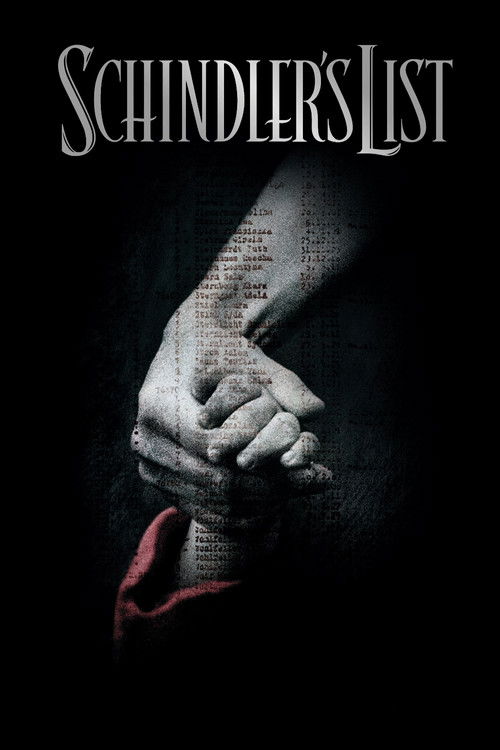
Schindler's List1993
A comprehensive, morally serious reckoning with the Holocaust that honors victims while indicting perpetrators. Spielberg's direction finds moments of grace without softening the historical record.
But Three and a half hours of atrocity and grief. The scale of suffering can feel numbing rather than cathartic, and some find the film's humanism too genteel for its subject.
The Pianist2002
Polanski's unflinching portrait of survival in the Warsaw Ghetto. Intimate rather than panoramic—you experience deprivation and terror through one man's eyes, which makes it visceral.
But Relentlessly bleak with minimal respite. Some viewers find the detached style emotionally distancing rather than powerful.

Come and See1985
A Soviet masterpiece about childhood destroyed by war. It's a descent into hell that makes most war films look sanitized. Visually stunning and spiritually devastating in equal measure.
But Genuinely punishing to watch. The graphic violence and the film's refusal to offer catharsis make it exhausting rather than rewarding for some.

Not sure tonight? Get a pick in a minute, starting from Men Behind the Sun
The wildcard
Something you would not have found on your own.
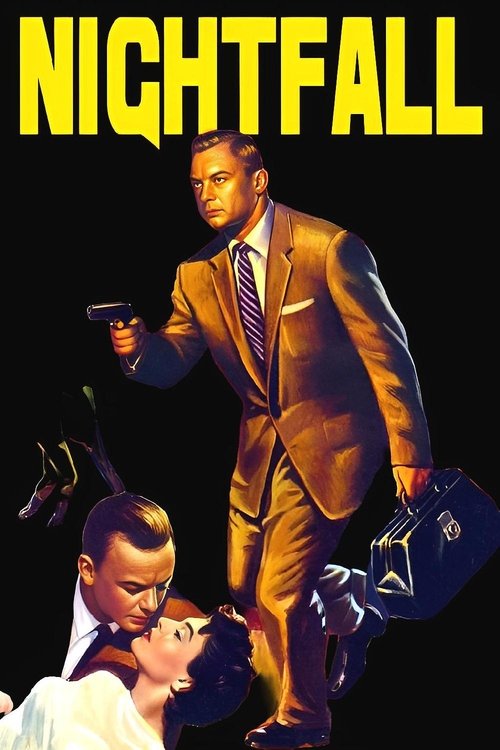
Nightfall1956
Both examine how totalitarian systems reshape human behavior and consciousness. Both suggest that the horror isn't the violence itself but what the system does to the minds of those inside it.
A Soviet science fiction film about what happens to a society experiencing perpetual daylight. It's an allegory about totalitarianism, surveillance, and the psychological cost of living under omniscient control.
But Slow, philosophically dense, and concerned with ideas rather than plot. If you want narrative momentum, this will frustrate you profoundly.
More like this (7)
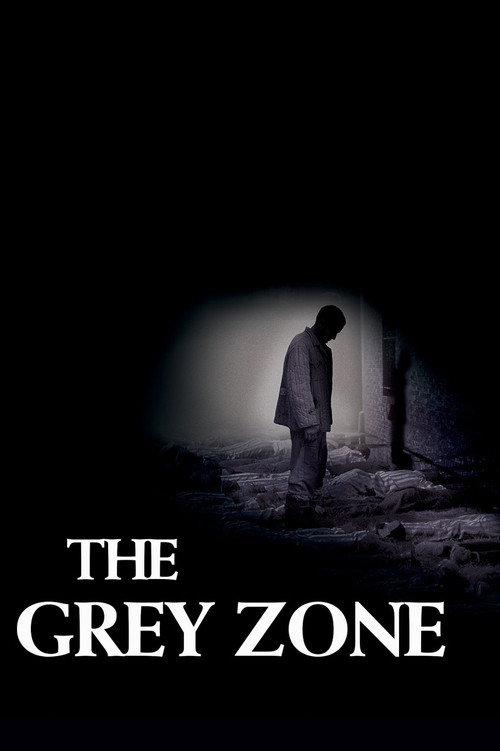
The Grey Zone2001
Tim Blake Nelson's examination of Sonderkommando prisoners forced to facilitate genocide. Morally complex, asking impossible questions about complicity and resistance under totalitarian evil.
But Claustrophobic and morally murky. Some find the film's ambiguity about right action frustrating rather than thought-provoking.
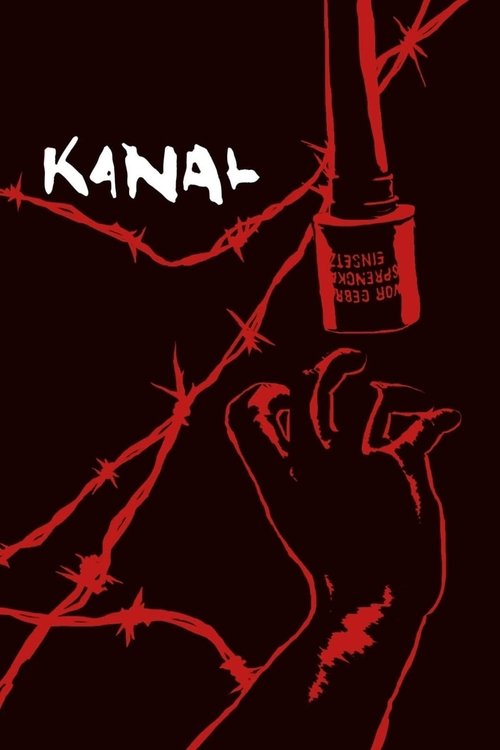
Kanal1957
Andrzej Wajda's Polish resistance epic. A different front, same unflinching approach to documenting the machinery of war and the futility of fighting it.
But Black and white, slow-paced, and concerned with psychological disintegration rather than action. Patience required.
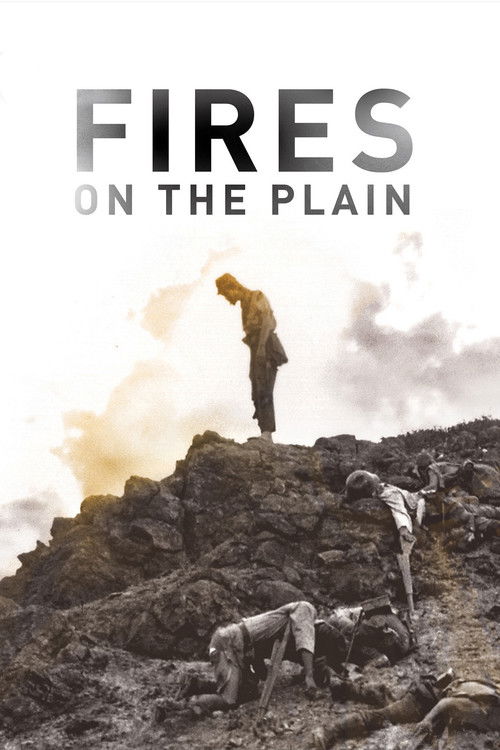
Fires on the Plain1959
A Japanese film about Japanese soldiers in the Philippines, showing the war from the perpetrators' perspective as they descend into savagery. Morally complex and aesthetically haunting.
But Difficult pacing and deeply pessimistic worldview. The ambiguity about whether anyone deserves sympathy can feel nihilistic.
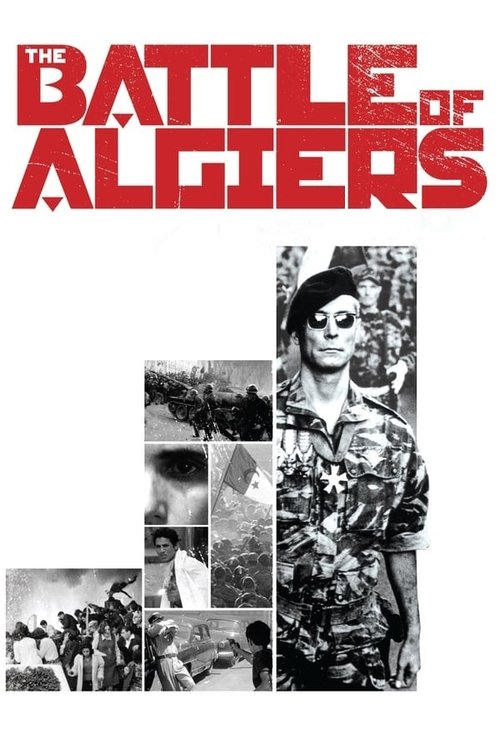
The Battle of Algiers1966
A docudrama about colonial violence and resistance that influenced filmmakers worldwide. Urgent, stylistically innovative, and brutally honest about the cost of insurgency on all sides.
But Shot in grainy black and white. Its formal austerity can feel distant, and the political arguments demand engagement rather than offering easy answers.
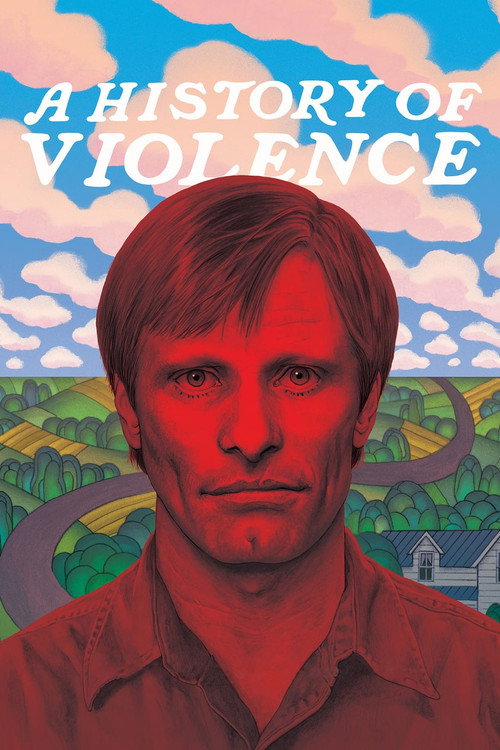
A History of Violence2005
Cronenberg's examination of how violence corrupts and defines identity. More restrained than its subject matter, which makes the eruptions of brutality shocking rather than exploitative.
But The violence is sudden and genuinely disturbing. Some viewers find the film's ambivalence about whether redemption is possible unsatisfying.
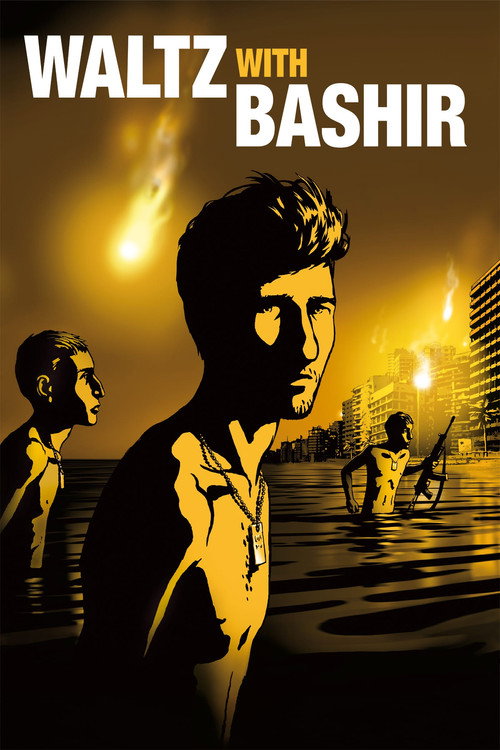
Waltz with Bashir2008
An Israeli animated documentary about the director's repressed memories of the Lebanon War. Animation creates emotional distance that paradoxically makes the horror more affecting, not less.
But The medium can seem incongruous with the subject. Some find animation inappropriate for depicting real atrocities, even as a memory device.
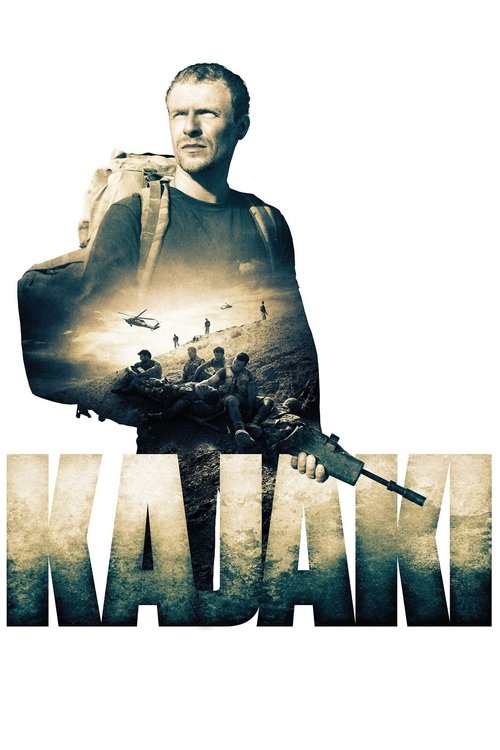
Kajaki2014
Both are rooted in specific historical atrocities and geographic locations. Both insist that these events cannot be abstracted or universalized, but must be encountered as particular, irreducible human losses.
A Senegalese documentary about a village built on a mass grave from the Dakar Massacres. It's made by and for the community affected, treating survivors' testimony and land itself as texts that demand to be read.
But Slow, poetic, and without conventional dramatic structure. It requires patience and openness to a different kind of documentary language—one that prioritizes witness over narrative.
People
Cast
 Gang WangLt. Gen. Shiro Ishii
 Wang RunshenCamp Lieutenant
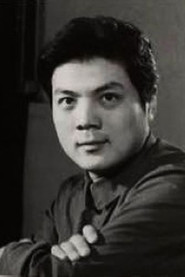 Mei ZhaohuaTakamura
Directing
- Mou Tun-FeiDirector
Writing
- Dun Jing TengWriter
- Liu MeiWriter
- Wen Yuan MouWriter