
Film
Guinea Pig Part 2: Flower of Flesh and Blood
- Body horror
- Serial killer
- Very dark
- Strange
A 42-minute Japanese splatter film that announces itself immediately as extreme cinema. Shot in grainy video with unflinching practical effects, it presents abduction and mutilation without narrative softening or moral distance. Designed to provoke and disturb rather than entertain conventionally. For viewers seeking the outer boundaries of horror's visual language, not for anyone seeking catharsis or coherence.
Should you watch it?
Watch it if you want a short, sharply made piece of extreme horror where the craft of its gore and its bleak, claustrophobic dread matter more than any story.
Skip it if you need characters to matter or a plot that unfolds, since this is a brief, punishing ordeal with little beyond its shock and its unrelenting cruelty.
What it asks of you: Expect a very short sitting, around forty minutes, that stays inside one cramped space and grows more punishing as it goes, asking you to endure rather than follow.
Not sure? Find tonight's pick in a minute.
If you liked this
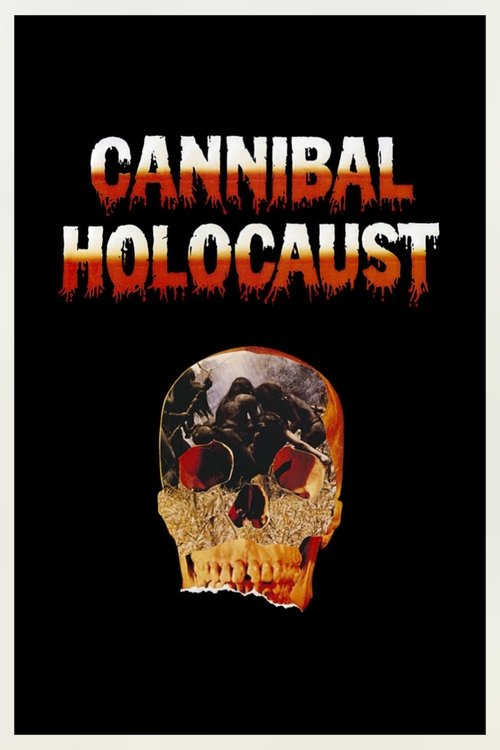
Cannibal Holocaust1980
The foundational found-footage gore film—brutal, transgressive, and genuinely difficult to watch. If you're drawn to horror that refuses to look away, this is essential context and comparison.
But The animal killing is real and indefensible by modern standards. The film's gender politics are repellent, and the transgression feels calculated rather than purposeful.
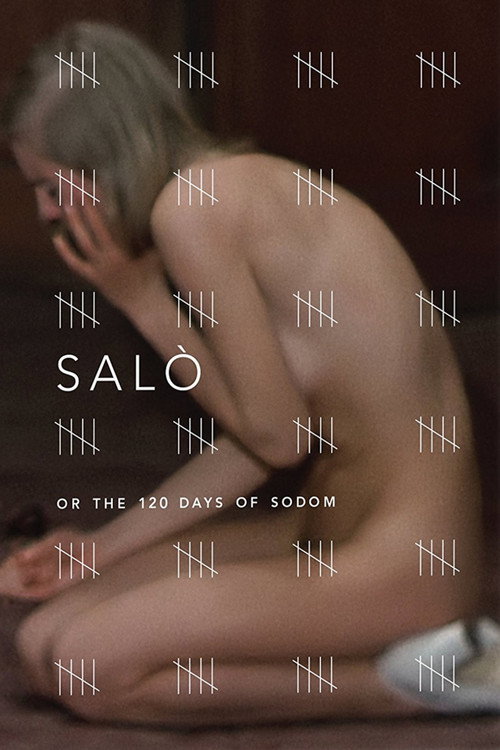
Salò, or the 120 Days of Sodom1976
Pasolini's final film uses extreme imagery as genuine political allegory about fascism and power. Difficult but conceptually rigorous—transgression in service of something beyond shock value.
But It is genuinely obscene and interminable. Many find it unwatchable not from prudishness but from exhaustion and repulsion.
Suspiria1977
Italian horror of balletic precision and chromatic madness. Demonstrates how to build visceral dread through style, colour, and sound design rather than explicit gore alone.
But The plot is deliberately nonsensical, which some find pretentious. The dubbing (or subtitles) can feel distancing.

Not sure tonight? Get a pick in a minute, starting from Guinea Pig Part 2: Flower of Flesh and Blood
The wildcard
Something you would not have found on your own.
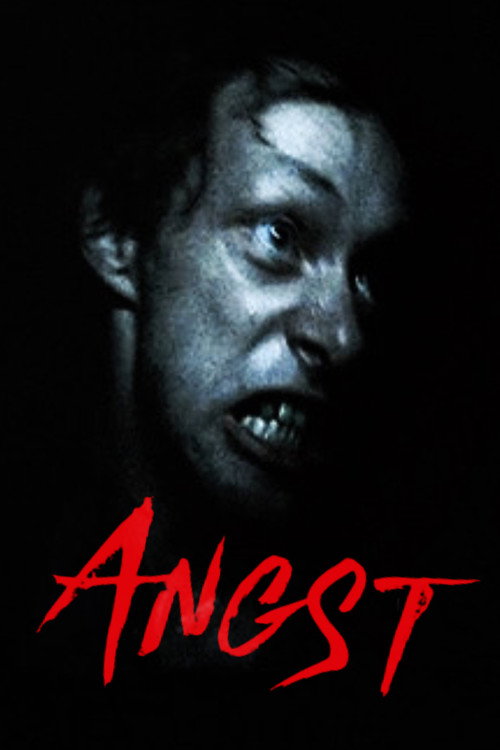
Angst1983
Both films place the camera in the killer's subjective space without judgment or moral framing. Both trust visual extremity to communicate psychological states beyond conventional narrative.
Austrian psycho-thriller shot with innovative steadicam work and distorted sound design. Creates dread through pure cinematic technique rather than gore—more disturbing than any splatter film because it trusts the camera to do the work.
But Minimalist and conceptually austere. No plot, no relief, no catharsis. Some will find it pretentious rather than profound.
More like this (7)
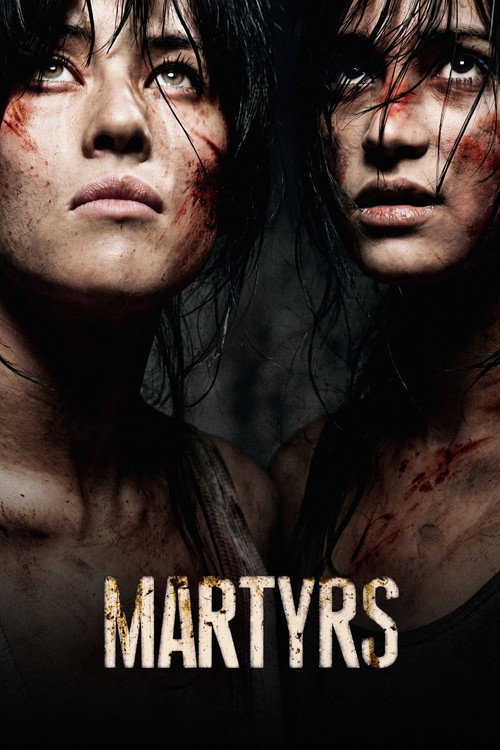
Martyrs2008
French New Wave horror that weaponises suffering toward metaphysical ends. Formally brilliant and genuinely haunting in ways that linger beyond the gore.
But Relentlessly bleak and violent. The extreme imagery feels designed to punish the viewer, and whether that justifies itself philosophically is debatable.
Ichi the Killer2001
Miike again, this time a yakuza film with horror sensibilities. Visually inventive, darkly funny, and interested in psychology beneath the splatter.
But It romanticises violence and psychological damage. The sexual violence is not handled with particular sensitivity, despite Miike's intelligence elsewhere.

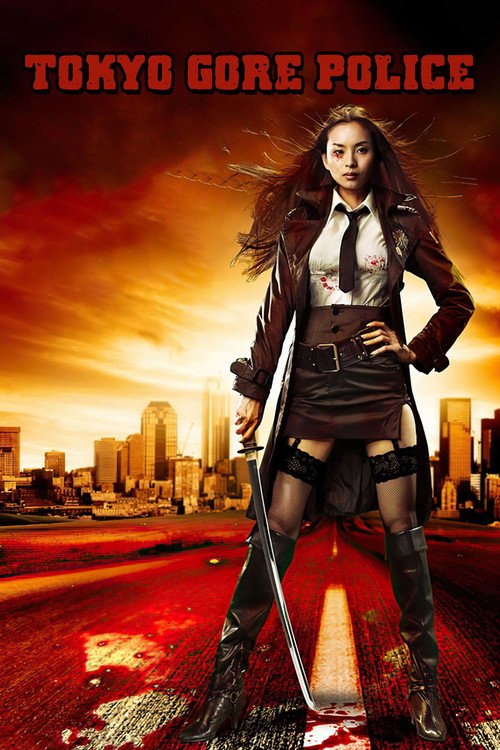
Tokyo Gore Police2008
Japanese splatter that weaponises grotesque body horror as satire. The artifice is visible—it's camp horror, which gives it a strange kind of freedom.
But The satire can feel shallow. If you're seeking meaning rather than sensation, the film may feel hollow.
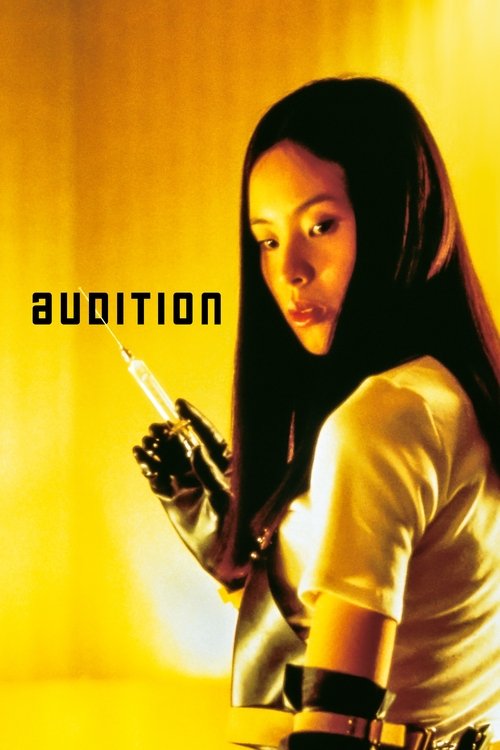
Audition2000
Miike's most restrained film, and perhaps his cruelest—a study in anticipation and betrayal where extreme violence arrives like a punch after an hour of psychological unease.
But The middle section is slow and deliberately uncomfortable. The violence toward women may read as misogynistic depending on your interpretation.
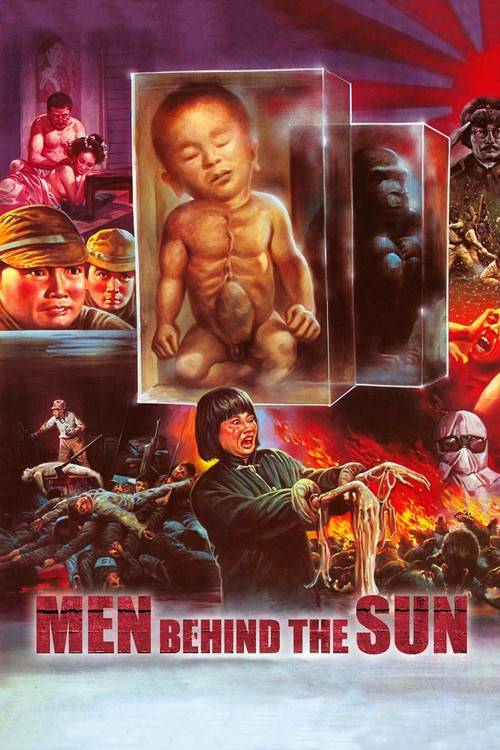
Men Behind the Sun1988
Chinese horror documenting Unit 731's biological warfare experiments. Unflinching historical horror that uses graphic imagery to prevent historical abstraction.
But It exploits real atrocity for shock value. The film's moral clarity is debatable, and the suffering depicted is historically genuine.
Come and See1985
Both use the disorientation of degraded video/film stock and deliberately ugly cinematography as aesthetic choice. Both place viewers in spaces of horror without conventional narrative protection. Both refuse to make suffering palatable.
Soviet war film depicting the Holocaust and Nazi occupation with hallucinatory intensity. Extreme not for transgression but to convey the psychological reality of witnessing atrocity. A masterpiece of cinema as trauma documentation.
But It is punishing to watch. The extended climax induces genuine dissociation. Not entertainment by any measure.

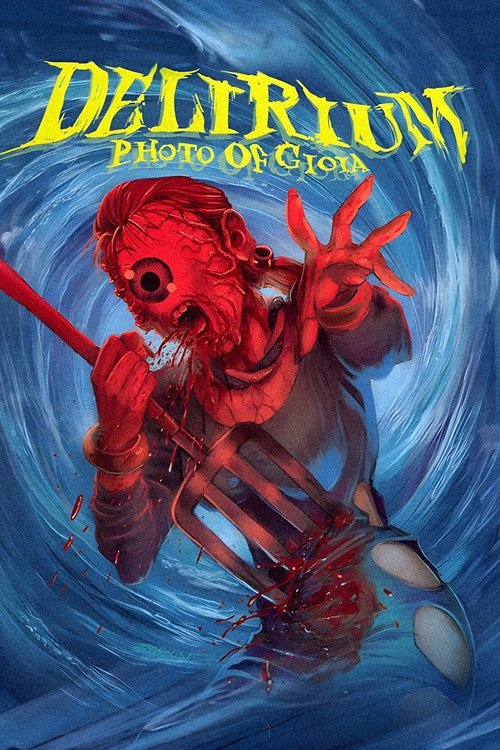
Delirium: Photo of Gioia1987
Both are 1980s transgressive video works responding to the extremity available in the medium. Both concern obsessive male violence toward female bodies. Both reject narrative coherence in favour of pure visual and psychological assault.
Italian video art horror exploring obsession, desire, and violence through non-linear collage. Surreal and deliberately fragmented—the opposite of Guinea Pig's clinical presentation, but equally intense in its commitment to discomfort.
But It is genuinely baffling and demands active interpretation. Some will find it incomprehensible rather than illuminating.
People
Cast
- Hiroshi TamuraSamurai
- Kirara YugaoVictim
Recommended by
Teenage Mutant Ninja Turtles, Lifeforce, Brazilian Western, Nekromantik, The Messenger: The Story of Joan of Arc, Bambi: The Reckoning, Let Me In