
Film
Salò, or the 120 Days of Sodom
- Psychological horror
- Crime
- Very dark
- Strange
Pasolini's final film is a methodical, pitiless descent into absolute degradation disguised as political allegory. It is difficult, nauseating, and deliberately constructed to offer no catharsis or redemption. Not for most people. For those who make it through, unforgettable in the worst possible way.
Should you watch it?
Watch it if you want a cold, formal political allegory that builds dread through stillness, composition and ritual rather than shock, and you can sit with its cruelty.
Skip it if you will find its cruelty relentless and deliberately hard to watch, and if you come for story, character or any relief, it will feel punishing and airless.
What it asks of you: Around two hours of slow, deliberately static scenes, grim from the first frame, with long held shots that give you no room to look away.
Not sure? Find tonight's pick in a minute.
If you liked this
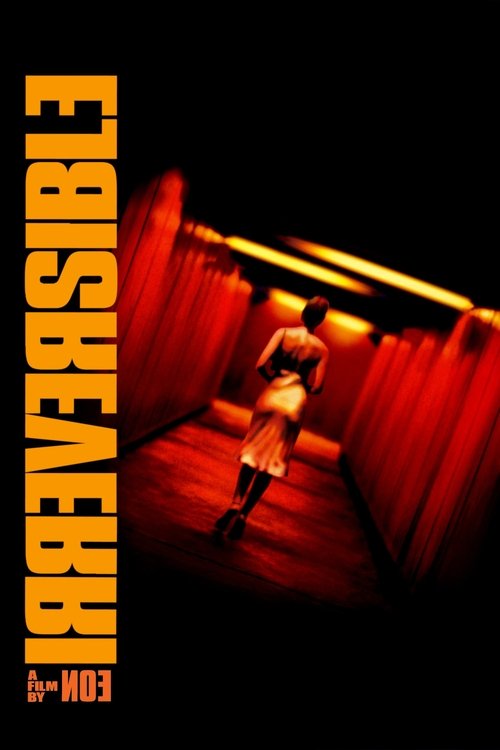
Irreversible2002
Gaspar Noé's brutal mirror of Pasolini's philosophy: cinema as weapon, time as cruelty, narrative structure as philosophical statement. Raw and uncompromising in ways that demand serious reckoning.
But The rape scene is deliberately, graphically presented for nearly ten minutes. The film is structured in reverse, offering no reprieve. Actively hostile to comfort.
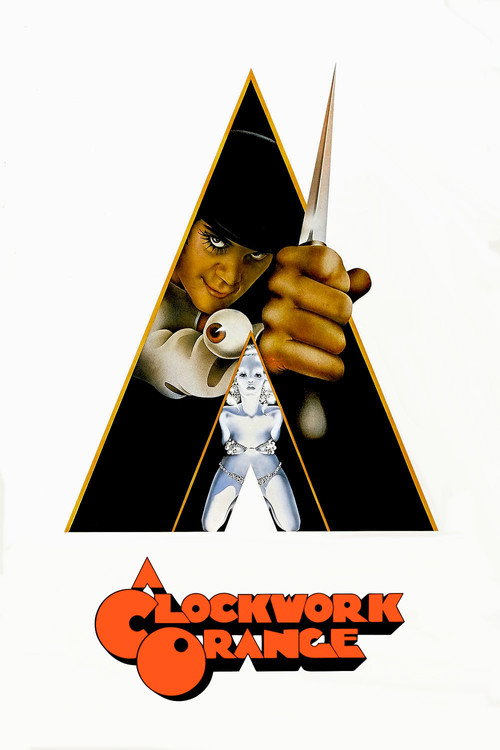
A Clockwork Orange1971
Kubrick's earlier exploration of the same question: what does it mean to aestheticize violence? Both films use formal beauty to implicate the viewer in moral complicity. Essential comparison.
But Its satire can feel dated now, and the film's own stance on its violence remains deliberately ambiguous. Some read it as endorsing what it claims to critique.
Come and See1985
Elem Klimov's Soviet masterpiece about a boy conscripted into war. It shares Salò's commitment to showing absolute horror without mercy, dignity, or false meaning. Equally devastating, different context.
But The violence is primarily historical (WWII) rather than sexual, but no less graphic. Watching a child's soul destroy itself is perhaps worse than anything Salò does.

Not sure tonight? Get a pick in a minute, starting from Salò, or the 120 Days of Sodom
The wildcard
Something you would not have found on your own.
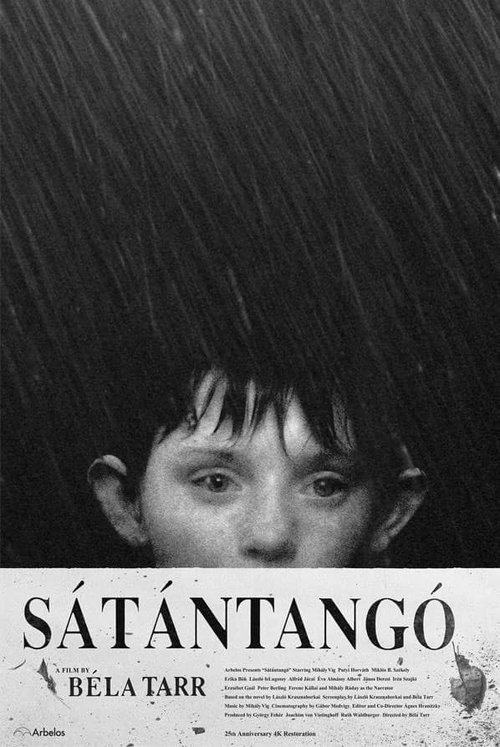
Satantango1994
Both refuse redemption. Both argue that capitalism and fascism are identical spiritual diseases expressed in different costumes. Both trust cinema to exhaust and transform rather than entertain.
Béla Tarr's seven-hour Hungarian masterpiece about moral decay in a post-communist housing project. It shares Pasolini's conviction that cinema must be a test of endurance, that form and content are inseparable, and that beauty can coexist with despair. No violence, but deeper damage.
But It's slow, wordless for long stretches, shot in black and white 16mm. The runtime alone is an act of commitment. Most people will find it unbearable before finding it profound.
More like this (8)
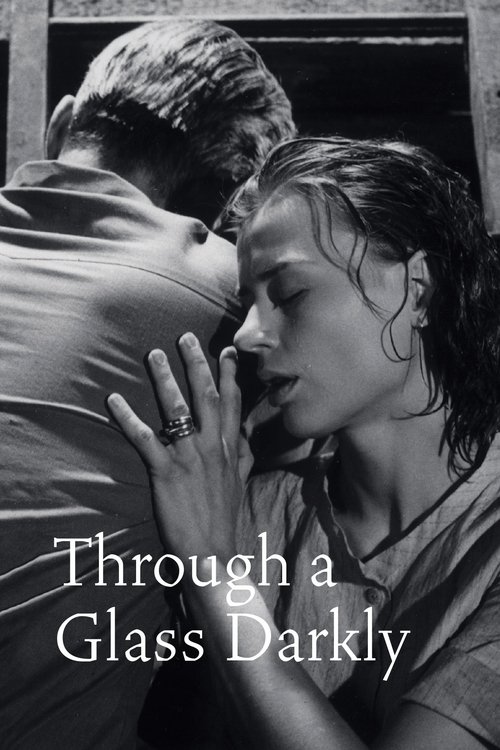
Through a Glass Darkly1961
David Haig's adaptation of Sheridan Le Fanu restores queerness to gothic horror after Pasolini. It's cruel and elegant, exploring desire and violation with atmosphere instead of explicit documentation.
But It's quieter, more literary, more interested in mood than shock. If you come for Pasolini's transgression, you'll find restraint instead.
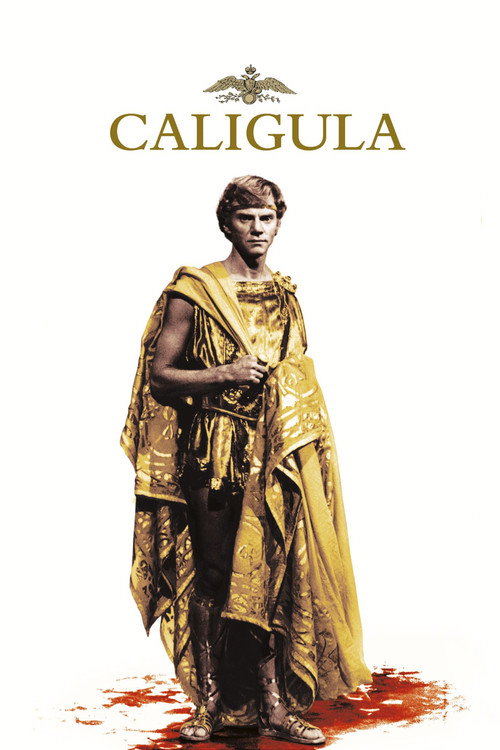
Caligula1979
Tinto Brass's film about absolute power and sexual depravity. It reaches for Pasolini's territory but from the opposite direction: baroque, expensive, pornographic rather than ascetic. Fascinating failure.
But It's much more interested in spectacle than meaning, often beautifully shot nonsense. The famous explicit scenes are there but the film around them is silly.
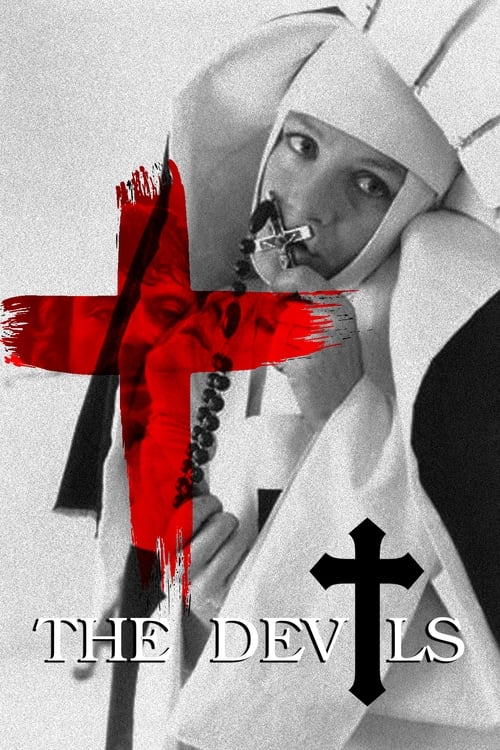
The Devils1971
Ken Russell's religious hysteria nightmare. Like Pasolini, Russell understands that cinema itself can be an instrument of violation. Grotesque, sexual, theologically furious. Banned for years.
But Russell's baroque excess can overwhelm his point; it sometimes looks like he's just showing off. The film is messy in ways that feel less intentional than Salò's careful cruelty.
Under the Skin2014
Glazer's elliptical sci-fi about predation and otherness. It shares Pasolini's interest in the machinery of violation—who preys on whom, and why. Formal and glacial where Salò is methodical and hot.
But It's abstract to the point of opacity. There's minimal plot, dialogue, or context. You have to meet it halfway, and some halfway points are too far.

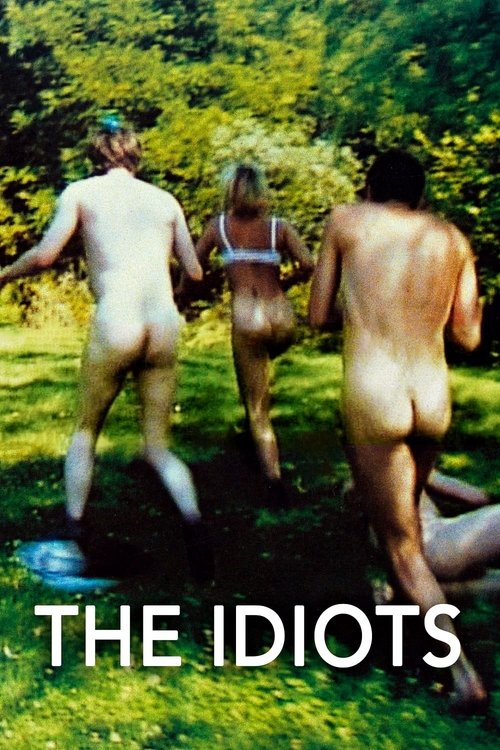
The Idiots1998
Dogme 95 provocation from von Trier about transgression and shame, filmed on digital video like a documentary. It's obscene in ways Pasolini would recognize—transgression as thought experiment, not just aesthetic.
But It's deliberately ugly and awkward to watch. The provocation can feel adolescent, and the film doesn't always justify its own dares.
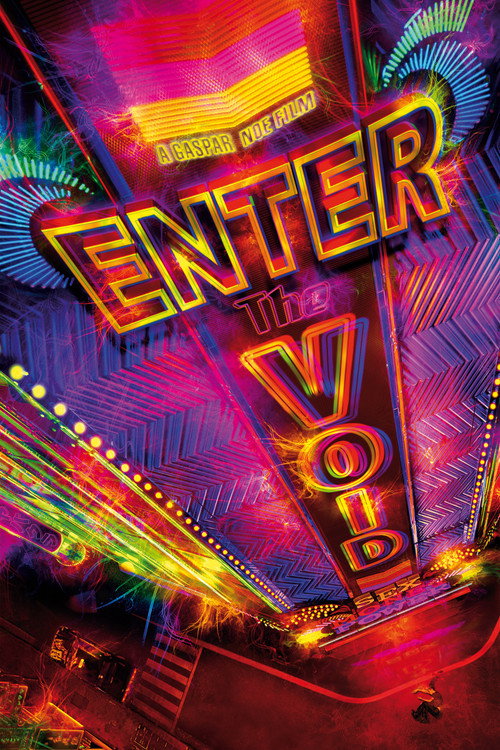
Enter the Void2010
Gaspar Noé returns with a film that doesn't depict violence but descends into a hallucinatory vision of death, Tokyo, and the price of living. Extreme formally without being graphically brutal. Genuinely visionary.
But Two-and-a-half hours of strobing lights, neon, and philosophical abstraction. It's intended to be physically overwhelming. If you don't surrender, it just hurts.
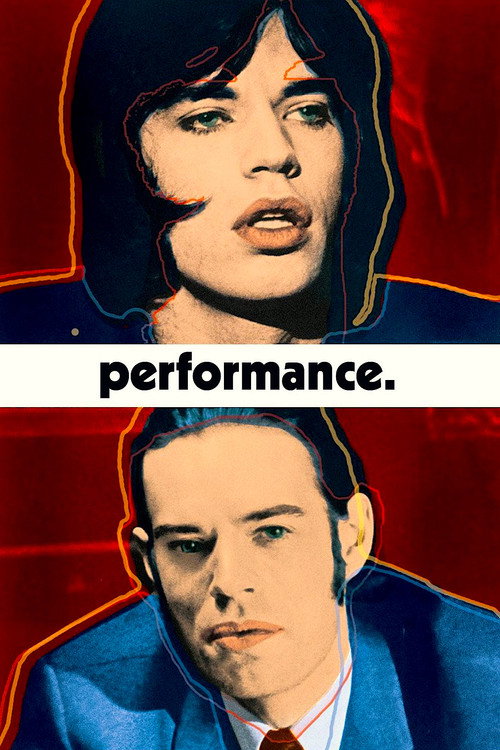
Performance.1970
Both argue that absolute control (the Duke's regime, Turner's hermitage) is indistinguishable from absolute vulnerability. Both are fundamentally about power, sex, and the cinema's role in both.
Roeg and Cammell's hermetic nightmare about identity, sexuality, and the corrupting power of performance itself. Like Salò, it believes cinema can scramble reality and desire. But where Pasolini documents violation, Performance suggests violation is always already happening in the act of representation.
But It's deliberately obscure and trippy in the worst way—you'll lose the plot frequently and the film seems proud of that. The sexual content is embedded in a psychedelic haze that numbs rather than clarifies.
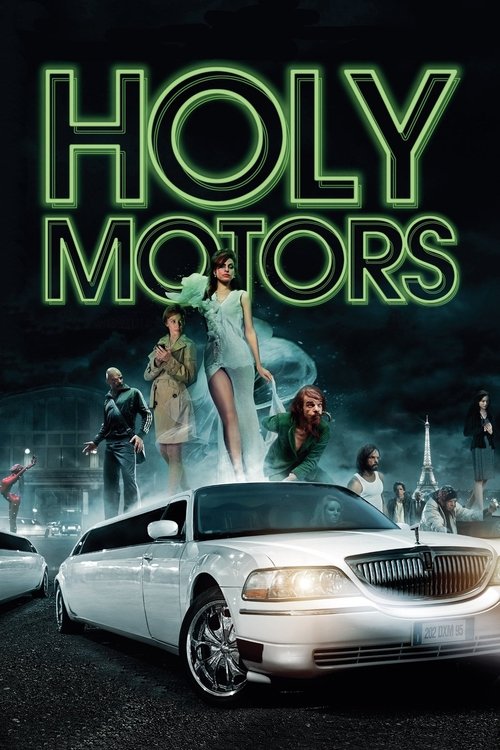
Holy Motors2012
Both explore the relationship between performer and spectator, between watching and being complicit, between the role and the self. Both ask: who suffers in the act of representation, and is that suffering real?
Leos Carax's phantasmagoria about an actor driving through Paris inhabiting different lives and bodies in sequence. It's Salò's obsession with performance and violation filtered through Surrealism and music video logic. Gorgeous, perverse, alive in ways Salò cannot be.
But It's deliberately artificial and theatrical in ways that can feel self-indulgent. The film breaks its own logic repeatedly. Some will find it pretentious masquerading as experimental.
People
Cast
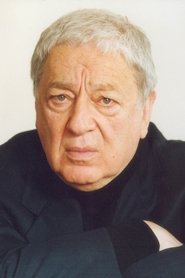 Paolo BonacelliThe Duke
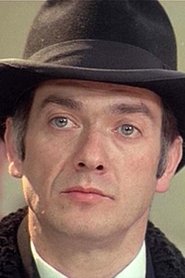 Giorgio CataldiThe Bishop
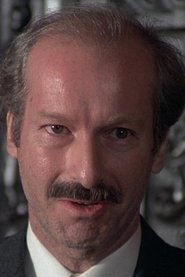 Uberto Paolo QuintavalleThe Magistrate
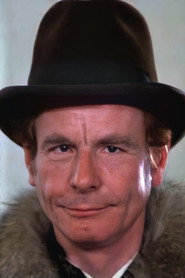 Aldo VallettiThe President
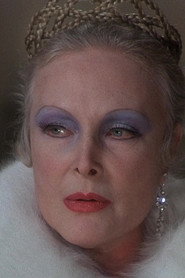 Caterina BorattoSignora Castelli
 Elsa De GiorgiSignora Maggi
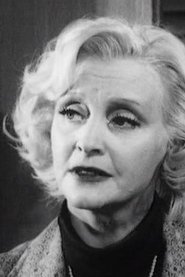 Hélène SurgèreSignora Vaccari
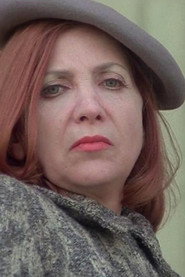 Sonia SaviangeThe Pianist
 Sergio FascettiSergio
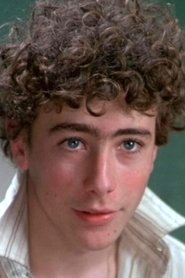 Bruno MussoCarlo Porro
- Antonio OrlandoTonino
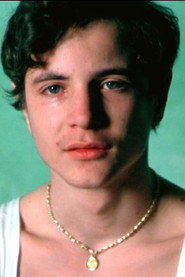 Claudio CicchettiMale Victim
Directing
- Pier Paolo PasoliniDirector
- Umberto AngelucciFirst Assistant Director
- Beatrice BanfiScript Supervisor
- Fiorella InfascelliSecond Assistant Director
Writing
- Marquis de SadeNovel
- Pier Paolo PasoliniWriter
- Pupi AvatiWriter
- Sergio CittiWriter
Production
- Maurizio FortiAdministration
- Pietro InnocentiAdministration
- Enzo OconePost Production Coordinator
- Alberto De StefanisProducer
- Alberto GrimaldiProducer
- Antonio GirasanteProducer
- Antonio GirasanteProduction Manager
- Alessandro MatteiProduction Supervisor
- Angelo ZemellaProduction Supervisor
- Renzo DavidProduction Supervisor
- Nico NaldiniPublicist
- Alberto De StefanisUnit Manager
Recommended by
La Grande Bouffe, The Persecution and Assassination of Jean-Paul Marat as Performed by the Inmates of the Asylum of Charenton Under the Direction of the Marquis de Sade, Mickey Blue Eyes, Infamous, Death Proof, Medea, Frat House, The Human Centipede (First Sequence), The Damned, Perfect Hair Forever, La Petite Mort 2: Nasty Tapes, Vampire's Kiss, The Story of O, In a Glass Cage, The Toolbox Murders, Multiple Maniacs, Nekromantik, Bad Taste, Guinea Pig Part 2: Flower of Flesh and Blood, Caligula, A Serbian Film, Schramm, The Canterbury Tales, Quills, Baise-moi, The Jeffrey Dahmer Files, Caligula: The Untold Story, Night of the Demons, CatDog, Ancient Rome: The Rise and Fall of an Empire, Pushpaka Vimana, The Lickerish Quartet, Even Dwarfs Started Small, Faces of Death