
Film
Even Dwarfs Started Small
Werner Herzog's 1971 provocation stars only dwarfed actors in a black-and-white revolt against institutional cruelty. It's a philosophical comedy-drama that feels like watching a fever dream—anarchic, uncomfortable, darkly funny, sometimes impossible. For those ready to sit with Herzog's refusal to make anything easy or neat.
If you liked this
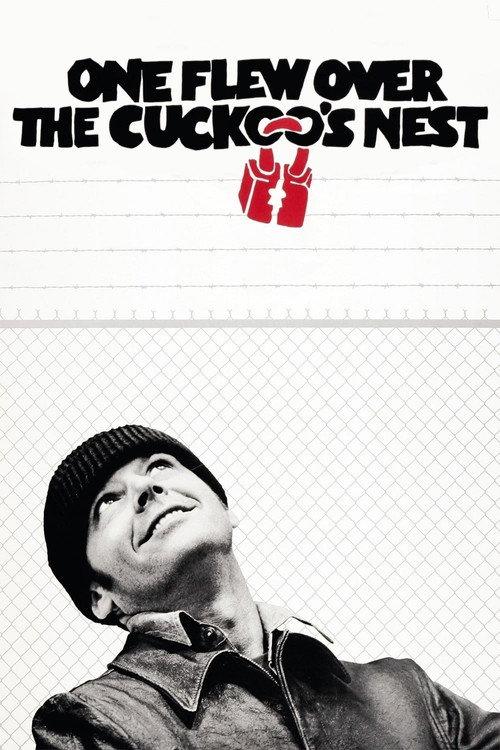
One Flew Over the Cuckoo's Nest1975
Milos Forman's masterpiece about rebellion against psychiatric authority, with Jack Nicholson at his best. Funny, furious, and devastating—a film that changed how cinema tackles institutions.
But It's been canonised so thoroughly it can feel safe now, almost comfortable. Also three hours, and the ending hits hard.
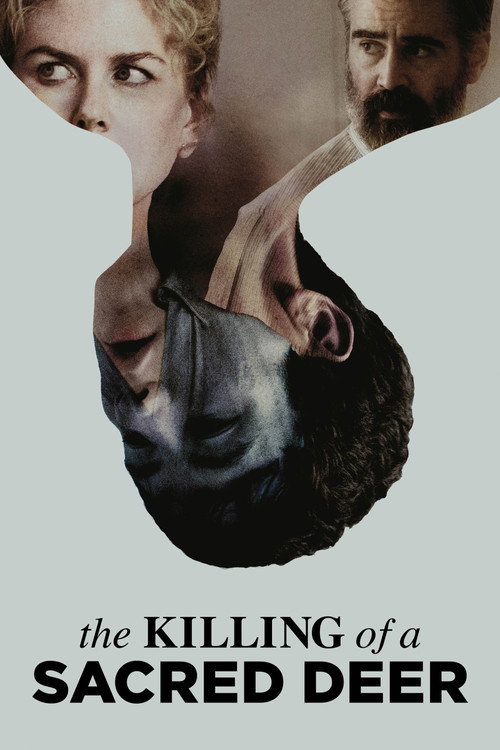
The Killing of a Sacred Deer2017
Yorgos Lanthimos makes clinical horror from family dysfunction and punishment. Like Herzog, he refuses sentiment or easy answers, building dread through strange behaviour and ritual.
But The pacing is glacial, the performances are deliberately stilted, and it's mean to its characters in ways that feel designed to alienate.
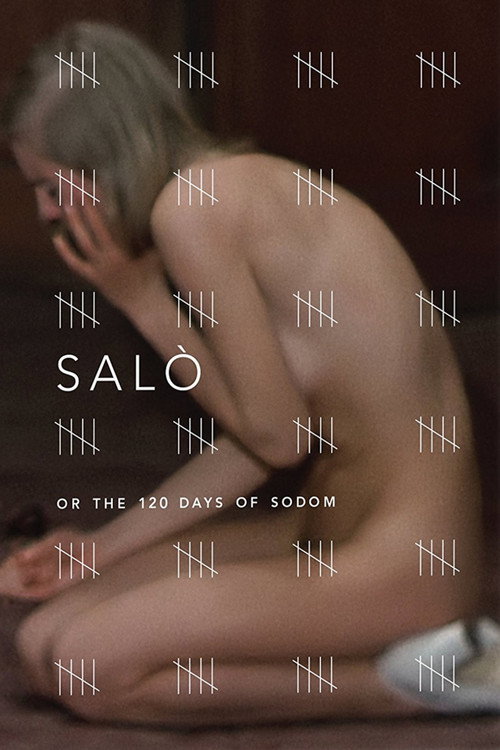
Salò, or the 120 Days of Sodom1976
Pasolini's final film stages systematic cruelty as grotesque spectacle. Genuinely shocking, formally brilliant, impossible to look away from—art as confrontation, like Herzog, but turned up to eleven.
But It is genuinely repulsive and transgressive. No comfort, no resolution, and it's testing whether you'll sit through it.
Not sure tonight? Get a pick in a minute, starting from Even Dwarfs Started Small
The wildcard
Something you would not have found on your own.
The Seventh Seal1957
Both films use stark cinematography and non-professional moments to stage philosophical rebellion. Bergman's knight argues with Death; Herzog's dwarfs revolt. Both refuse to comfort the audience.
Bergman stages a theological game with Death himself. Formally extraordinary and intellectually alive in ways Herzog admired—black-and-white, allegorical, using bodies and faces to ask unanswerable questions.
But Dense, symbolic, and humanist where Herzog is cynical. Takes existential dread seriously rather than making it darkly comic.

More like this (6)
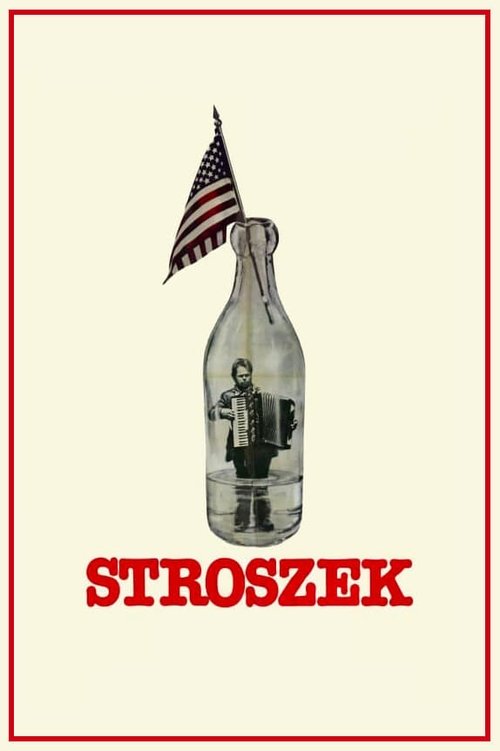
Stroszek1977
Another Herzog with only non-professional and marginal actors. A drifter, a prostitute, and a pensioner reach for the American dream and hit concrete. Strange, tender, and utterly Herzog.
But Plot barely exists. It moves at its own pace, asking you to float in mood rather than narrative momentum.
Synecdoche, New York2008
Charlie Kaufman builds a labyrinth of control and delusion inside an asylum-like theatre piece. Obsessive, formally inventive, and darkly comic about the human need to order chaos.
But It's deliberately confusing and keeps doubling back on itself. Some find it self-indulgent; others worship it.

Stalker1979
Tarkovsky's meditation on desire and authority, set in a mysterious zone where wishes come true. Hypnotic, philosophically dense, and structurally unlike anything else.
But It's 163 minutes of slow cinema with no action and a literal hour of driving. Requires genuine patience and surrender.

Come and See1985
Elem Klimov's Soviet war film stages systemic horror with a non-professional cast. Brutal, visually unforgettable, and philosophically bleak about what institutions do to the young.
But It's one of the most difficult watches in cinema. Not experimental—just unwilling to soften the reality it shows.

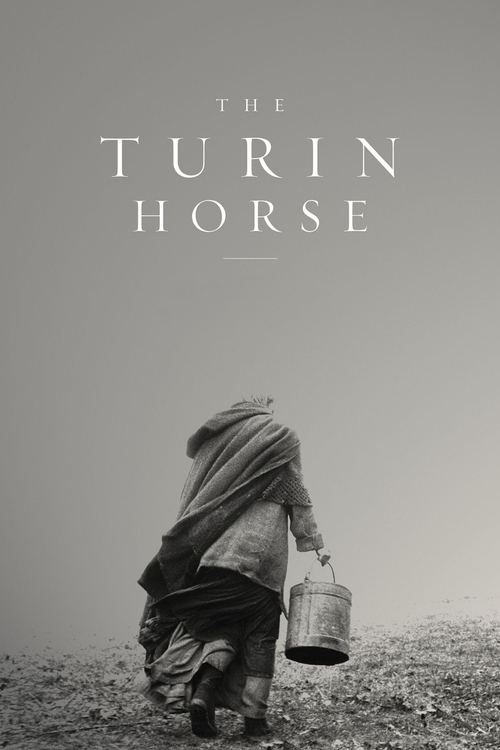
The Turin Horse2011
Béla Tarr's final film depicts entropy and collapse as daily ritual. It's a duet of mundane cruelty and resignation—bleak, beautiful, like watching a system die slowly.
But Monochrome, glacially paced, mostly men and horses. It's cinema as endurance test, offering no catharsis or meaning.
The Ballad of Little Jo1993
Both interrogate the self-made individual against institutional pressure, but *Little Jo* finds dignity in quiet survival where Herzog finds only chaos and futility. Different answers to the same question.
Maggie Greenwald's Western is a quiet, lived-in portrait of survival outside systems. Shot in warm tones and focused on a woman who rejects every institution offered to her. Humanist where Herzog is clinical.
But It's a chamber piece that moves slowly. No spectacle, no obvious conflict—just daily persistence and hard choices.

People
Cast
- Helmut DöringHombré
- Paul GlauerErzieher
- Gisela HertwigPobrecita
- Hertel MinknerChicklets
- Gertrud PicciniPiccini
- Marianne SaarTheresa
- Brigitte SaarCochina
- Gerd GickelPepe
- Erna GschwendtnerAzucar
- Gerhard MaerzTerritory
- Alfredo PicciniAnselmo
- Erna SmollarzSchweppes
Directing
- Wolfgang von Ungern-SternbergAssistant Director
- Werner HerzogDirector
Writing
- Werner HerzogScreenplay
Production
- Werner HerzogProducer
- Francisco ArizaProduction Manager
- Walter SaxerUnit Production Manager