
Film
Stroszek
- Social drama
- Very dark
Werner Herzog's 1977 film follows a street musician fresh from prison as he drifts from Berlin to rural Wisconsin with a prostitute and an elderly eccentric. It's tender, bizarre, and fundamentally lonely—a portrait of people held together by mutual damage rather than hope. A masterpiece for those who love Herzog's particular ache.
Should you watch it?
Watch it if you love deadpan, observational stories about stubborn outsiders drifting through the margins, where a stranded life is watched with dry tenderness and a streak of absurd humor.
Skip it if you need brisk plotting or a clear arc, since this drifts through long, repetitive stretches and its flat, unshowy performances can feel stiff rather than natural.
What it asks of you: Expect 108 minutes of unhurried scenes, long held shots and small rituals, the mood swinging between bleak and oddly funny.
Not sure? Find tonight's pick in a minute.
If you liked this
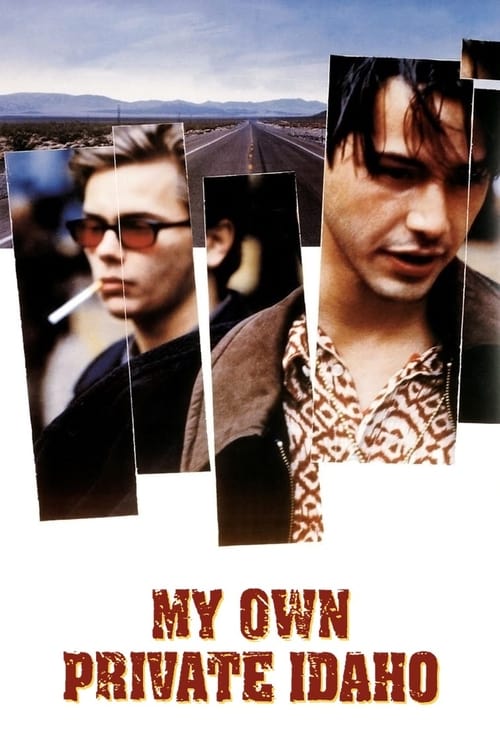
My Own Private Idaho1991
Gus Van Sant captures drifters and hustlers with Herzog-like tenderness, finding profound connection in transience. River Phoenix's performance is unforgettable, and the film moves between realism and dreamscape as naturally as breathing.
But It's deliberately paced and meditative in ways that require patience. Some will find it slow; others will feel it earns every minute.
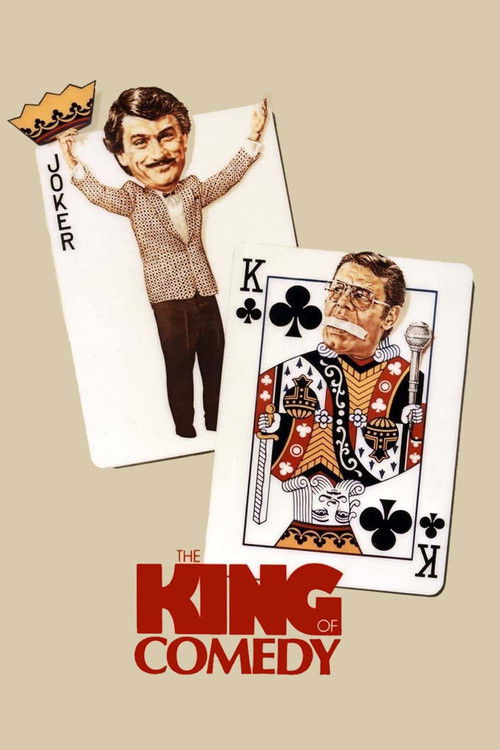
The King of Comedy1982
Scorsese's dark comedy about a delusional outsider pursuing connection through the wrong means. The humiliation is excruciating and the loneliness profound. Robert De Niro's performance is masterfully uncomfortable.
But It's aggressively anti-charismatic. Watching someone this deluded and pathetic for two hours isn't cathartic or fun.
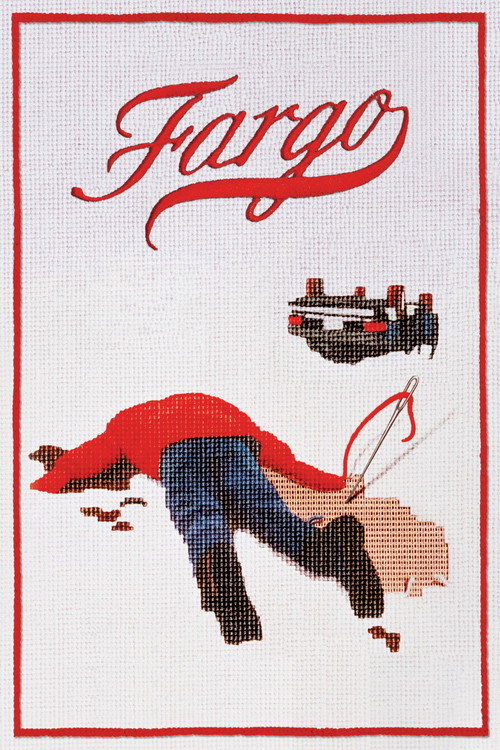
Fargo1996
The Coens find both comedy and tragedy in ordinary people making catastrophic decisions. Frances McDormand is transcendent, and the film contains multitudes: it's funny, cruel, touching, and utterly original.
But The violence—when it comes—is sudden and shocking. Some viewers find the tonal shifts jarring rather than brilliant.
Not sure tonight? Get a pick in a minute, starting from Stroszek
The wildcard
Something you would not have found on your own.
Tokyo Story1953
Both films find transcendence in ordinariness and failure. Both are about people who cannot connect even as they desperately want to. Both move at the pace of real time and real loss.
Ozu's film about aging parents visiting their son in post-war Tokyo contains all of Stroszek's loneliness and resignation, but filtered through Japanese formalism and profound acceptance. The restraint is staggering. It's one of cinema's greatest achievements about how people endure.
But There is virtually no plot. Ozu's perfectly composed frames and minimal camera movement feel static to viewers trained on narrative momentum. Patience isn't optional.

More like this (8)
The Florida Project2017
Sean Baker documents extreme poverty and childhood wonder in a motel community with extraordinary compassion. It's funny, heartbreaking, and radiant. The non-professional cast brings absolute authenticity.
But The lack of conventional plot structure frustrates some viewers. It's an experience rather than a narrative arc.

Stalker1979
Andrei Tarkovsky's philosophical sci-fi meditation on desire and faith moves at its own hypnotic pace. Shot in gorgeous color and black-and-white, it asks enormous questions while a man guides two companions through a mysterious zone.
But It's glacially slow and demands active engagement. There is virtually no conventional drama; if you're looking for plot momentum, look elsewhere.

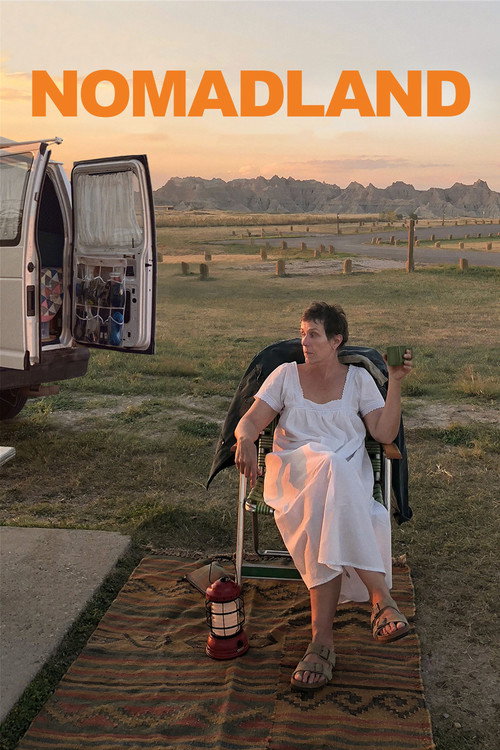
Nomadland2021
Chloé Zhao follows real van-dwelling workers as they navigate transience and economic displacement. The performances (many by actual nomads) are quietly devastating, and the landscape becomes a character itself.
But It's deliberately understated and somber. The lack of catharsis or resolution won't satisfy viewers who need narrative closure.
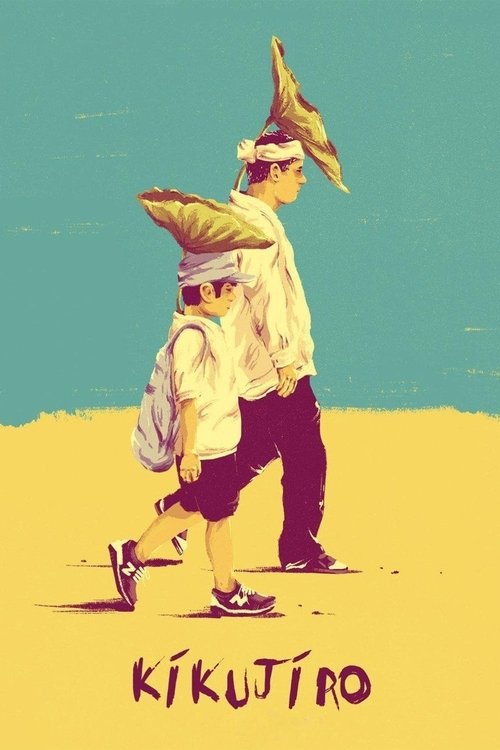
Kikujiro1999
Takeshi Kitano pairs a grumpy yakuza with a lonely boy on a cross-country search for the boy's mother. It's funny, tender, and genuinely moving—proof that Kitano's gifts extend far beyond violence.
But The tonal shifts between comedy and melancholy may feel uneven. Some scenes are deliberately slight, which tests patience.
The Ballad of Little Jo1993
Maggie Greenwald tells the true story of a woman who posed as a man to survive the Old West. It's gently told, visually spare, and contains a profound meditation on identity and belonging.
But The pacing is deliberate and the drama is internal. It rewards attention but won't grab impatient viewers.

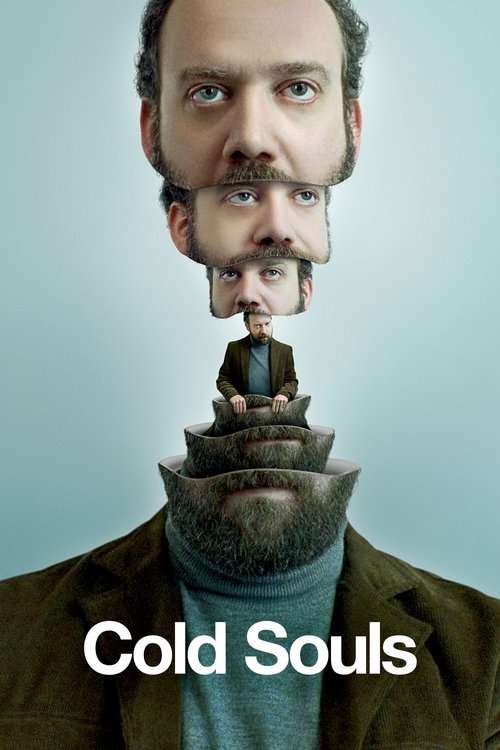
Cold Souls2009
Sophie Volker's spare, surreal comedy finds the absurdity in existential anxiety. Paul Giamatti exchanges his soul for peace and discovers what he actually needed. It's funny, strange, and somehow deeply human.
But The magical-realist premise and deadpan delivery won't appeal to everyone. It's a tone-poem more than a plot.
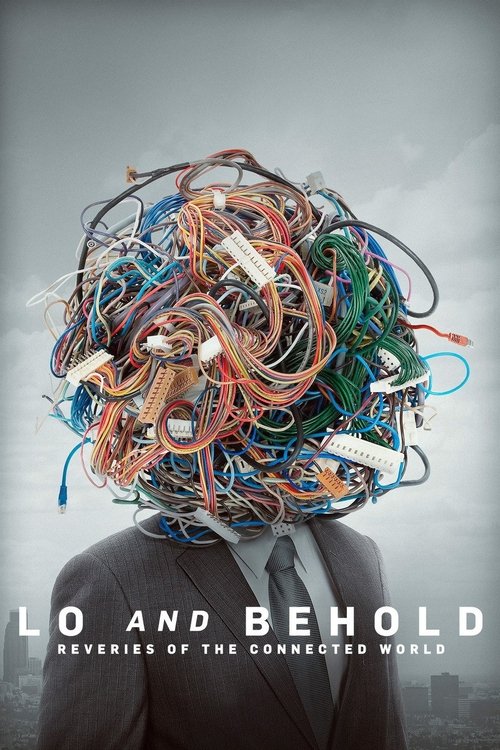
Lo and Behold: Reveries of the Connected World2016
Both explore the gap between proximity and genuine connection. Both suggest that technology and modernity don't solve loneliness—they just change its shape. Herzog's sensibility saturates both.
Herzog turns documentary filmmaker to explore the internet's impact on human connection. It's playful, weird, and deeply concerned with isolation despite our connectedness. Only Herzog could make technology philosophical and funny.
But It's a documentary essay, not narrative. The structure is associative and the argument isn't spelled out. Some find Herzog's persona intrusive rather than illuminating.
Come and See1985
Both films use characters as vessels for larger forces they cannot control or escape. Both trust viewers to sit with despair and damage without resolution. Both are fundamentally about what the world does to vulnerable people.
Elem Klimov's extraordinary Soviet war film follows a boy conscripted into WWII, and it's one of cinema's greatest achievements about trauma and dehumanization. The sound design alone is overwhelming. A spiritual and emotional devastation.
But It is relentlessly brutal. The violence is not entertainment; it's a document of atrocity. Many viewers will find it unwatchable, and that's not a flaw—it's the point.

People
Cast
 Bruno S.Bruno Stroszek
 Eva MattesEva
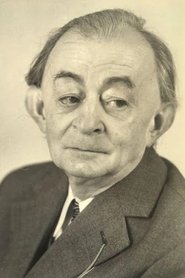 Clemens ScheitzScheitz
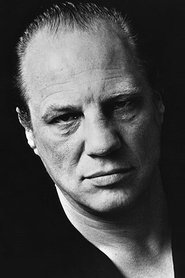 Wilhelm von HomburgSouteneur
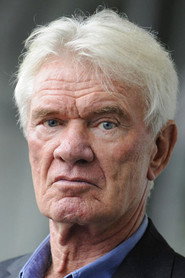 Burkhard DriestPimp #2
- Clayton SzalpinskiMechanic
- Ely RodriguezMechanic's Assistant
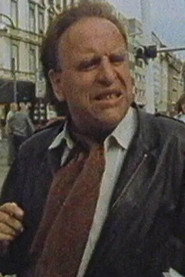 Alfred EdelPrison Warden
- Scott McKainBank Teller
- Pitt BedewitzPimp #3
- Ralph WadeAuctioneer
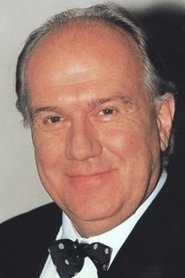 Michael GahrHoss, a prisoner
Directing
- Werner HerzogDirector
Writing
- Werner HerzogScreenplay
Production
- Werner HerzogProducer
- Willi SeglerProducer
- Walter SaxerProduction Supervisor
Recommended by
The Emigrants, Scarecrow, Wise Blood, Songcatcher, Alice in the Cities, Harlem Nights, The River, Holy Smoke, You Light Up My Life, The Middle of the World, A Nos Amours, My Way Home, Solo Sunny, Messidor, At the Edge of Darkness (Song of the Earth Part 1), Even Dwarfs Started Small