
Film
The Emigrants
Jan Troell's epic follows a Swedish family's wrenching departure from their homeland in the 1870s, across the Atlantic, and into the American frontier. Shot in luminous detail across three hours, it's a physically and emotionally exhausting immersion in hardship, hope, and the cost of starting over. For anyone who loves sprawling historical dramas that don't flinch from suffering.
Should you watch it?
Watch it if you love immigrant sagas built from slow, patient, painterly detail, where the long hard journey matters as much as the destination.
Skip it if you want a brisk story with plot momentum, since at three hours plus this moves at the pace of its seasons and rarely hurries anywhere.
What it asks of you: Settle in for a little over three hours of unhurried scenes, long silences and weather that does as much acting as the faces do.
Not sure? Find tonight's pick in a minute.
If you liked this
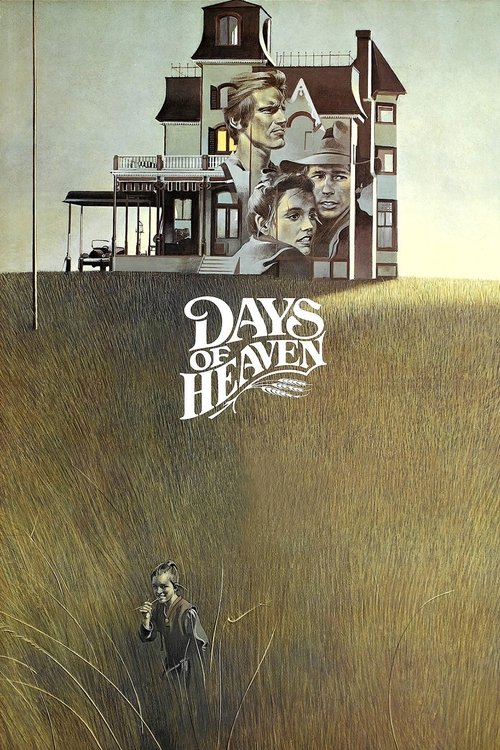
Days of Heaven1978
Terrence Malick's film is similarly epic, lyrical, and rooted in migrant labor and American landscape myth. Stunning cinematography used to show both beauty and exploitation living in the same frame.
But Deliberately paced. The narration is oblique and poetic rather than explanatory. Some find it remote rather than moving.
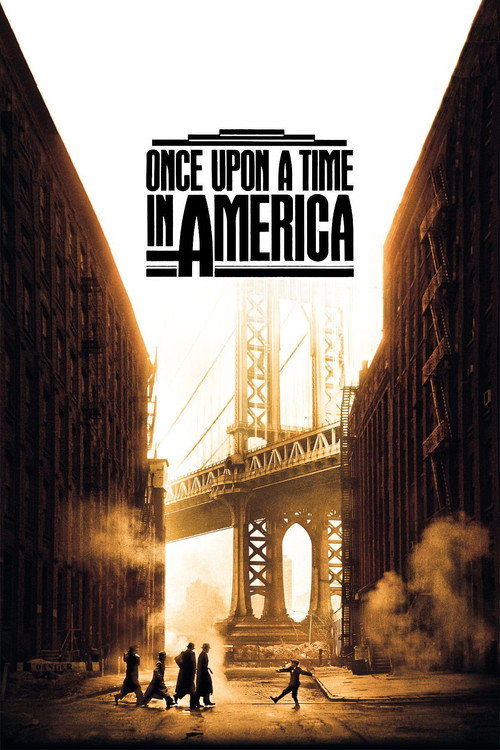
Once Upon a Time in America1984
Sergio Leone's four-hour meditation on emigration, memory, and the American dream. Builds an entire spiritual and temporal landscape, much as Troell does—intimate detail in an epic frame.
But The restored cut is long and requires patience. Shifts between timelines can feel disorienting. Some scenes are brutally violent.
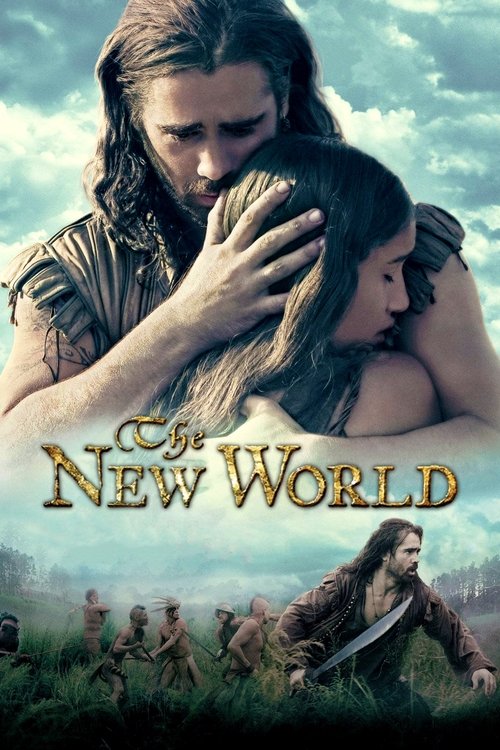
The New World2005
Malick again—a poet's approach to colonization and displacement. Pocahontas as a story of two people trying to bridge impossible worlds. Visual and thematic echoes of Troell's concerns.
But Very slow. Dialogue is minimal and poetic. Some viewers find it pretentious or inaccessible. The love story is abstract rather than dramatically resolved.
Not sure tonight? Get a pick in a minute, starting from The Emigrants
The wildcard
Something you would not have found on your own.
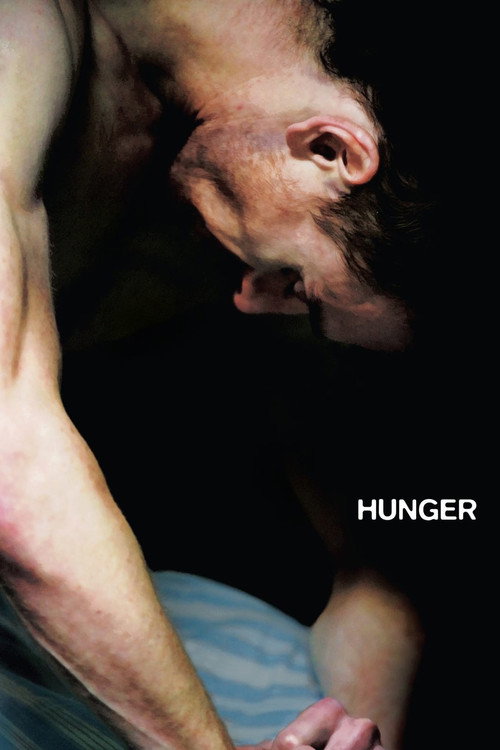
Hunger2008
Both films insist that witnessing hardship unflinchingly is an ethical act. Both refuse to redeem their characters' suffering. Both use time and repetition as formal strategy.
Steve McQueen's film about Bobby Sands' hunger strike. Like The Emigrants, it's a three-hour endurance test that uses the body as its primary text—deprivation, will, and the cost of conviction. No sentimentality. Pure cinema of suffering.
But Extremely difficult to watch. Extended scenes of physical deterioration. Minimal dialogue. The final hour is almost unbearable. Not cathartic—punishing.
More like this (7)
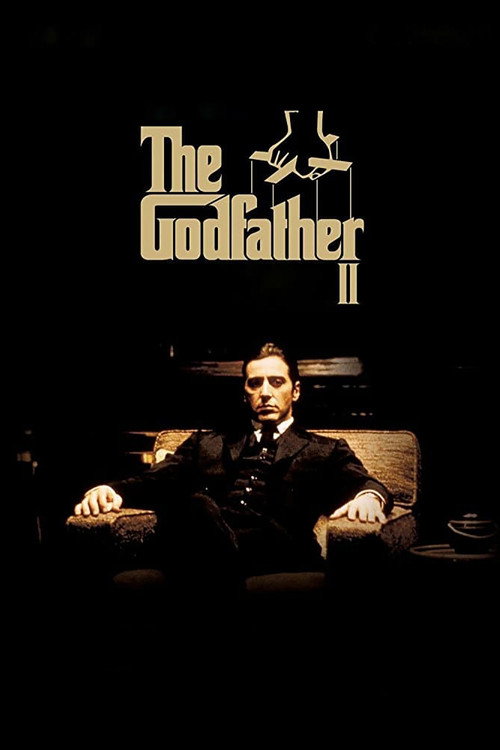
The Godfather Part II1974
Coppola parallels immigrant success with American criminality; the dream and its corruption. Epic scope, intimate character work, and the cost of reinvention. Made just after The Emigrants.
But Gangster film—violence and moral compromise are central. Very long. The Corleone narrative can overshadow the immigration story if that's what you're seeking.
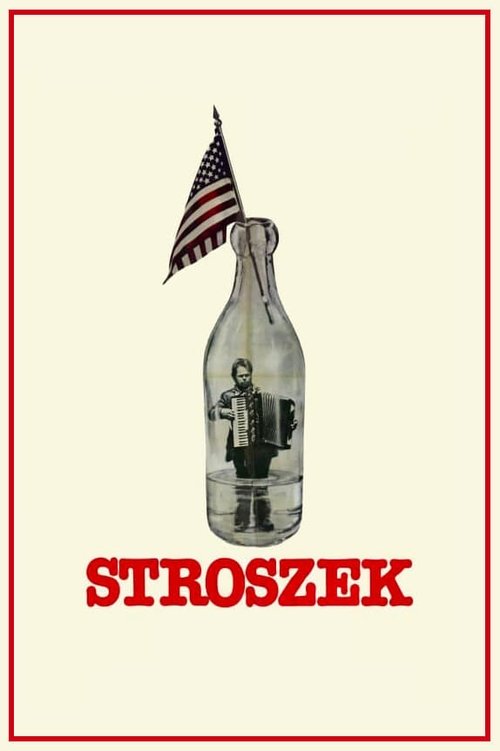
Stroszek1977
Werner Herzog's darkly comic look at German immigrants in Wisconsin. Like Troell, he examines the gap between the American dream and its reality, but with absurdist bite.
But Bleak and strange rather than moving. The tone is difficult—comedy and despair crash into each other. Not a narrative of triumph or redemption.
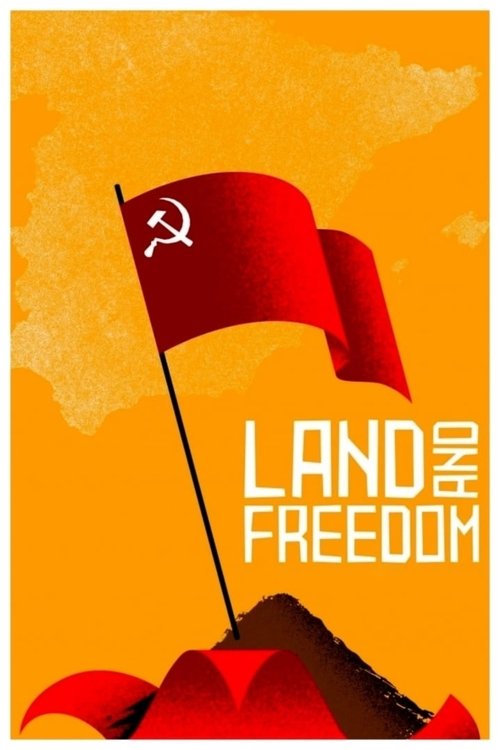
Land and Freedom1995
Ken Loach's film about English and Irish volunteers in the Spanish Civil War. Same DNA as Troell: ordinary people caught in history, moral stakes, the dream curdling into something else.
But Explicitly political. The historical context requires some knowledge. Loach's style is documentary-rough, not polished. Ends darkly.
The Seventh Seal1957
Bergman's masterpiece, also Swedish cinema at its philosophical peak. If you're moved by Troell's gravity and humanism, Bergman's existential inquiry will deepen that feeling.
But Allegorical and abstract. No plot in the conventional sense. Death, meaning, and faith are the subjects—not character arcs or resolution. Can feel remote.

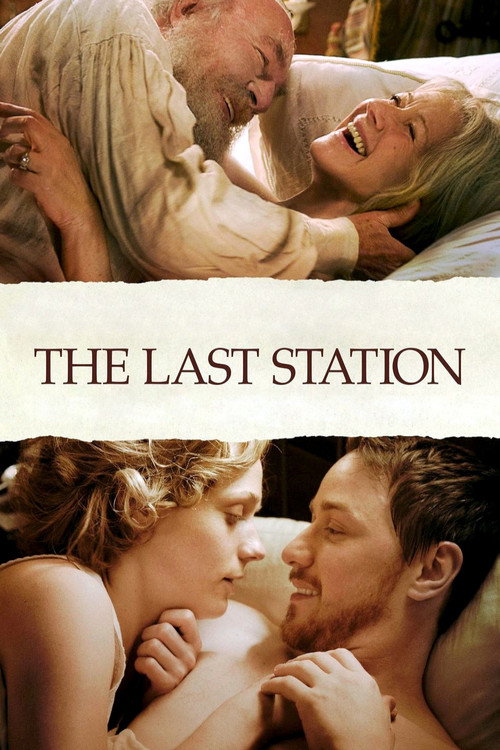
The Last Station2009
Small, intelligent chamber drama about Tolstoy's final days. Period detail, moral weight, aging characters confronting legacy and love. Emotional without melodrama.
But Intimate rather than epic. Dialogue-heavy. The stakes are philosophical and personal rather than existential. Some find it slight after larger canvases.
Come and See1985
Both are historical epics that refuse to aestheticize suffering. Both use landscape as a character. Both believe the viewer should experience, not escape, the cost of historical upheaval.
Elem Klimov's Soviet film follows a boy conscripted into WWII and watches him destroyed by what he witnesses. Apocalyptic, visionary, and devastating. If Troell shows the slow grinding of emigration, Klimov shows history as annihilation.
But One of cinema's most brutal films. Extended sequences of graphic violence and corpses. The final image will haunt you for years. Not entertainment by any measure.

Stalker1979
Both are patient, non-naturalistic epics about the human search for something beyond present circumstances. Both trust silence and duration to build meaning. Both are interested in faith—religious, political, or existential.
Andrei Tarkovsky's metaphysical journey into desire and meaning. Three hours of philosophical wandering through a mysterious zone. Where The Emigrants asks what we'll endure for material hope, Stalker asks what we'd sacrifice for spiritual truth.
But Deliberately slow. Almost no plot. Long takes of people talking or walking. Some viewers experience it as boring rather than meditative. Requires surrender, not engagement.

People
Cast
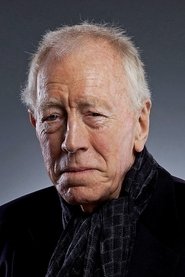 Max von SydowKarl Oskar
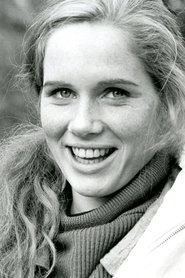 Liv UllmannKristina
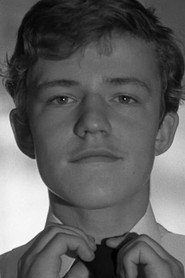 Eddie AxbergRobert
- Sven-Olof BernNils
- Aina AlfredssonMärta
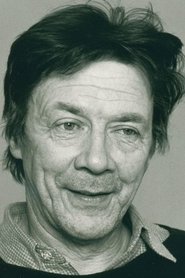 Allan EdwallDanjel
 Monica ZetterlundUlrika
 Pierre LindstedtArvid
 Hans AlfredsonJonas Petter
 Ulla SmidjeInga-Lena
 Gustaf FäringborgProsten Brusander
Directing
- Jan TroellDirector
- Katinka FaragóScript Supervisor
Writing
- Vilhelm MobergNovel
- Bengt ForslundScreenplay
- Jan TroellScreenplay
Production
- Lotti EkbergAssistant Production Manager
- Suzanne DansereauAssistant Production Manager
- Bengt ForslundProducer
- Curt L. MalmstenProduction Manager
- Lennart BlomkvistUnit Manager
Recommended by
Brooklyn, Hester Street, The Homesman, Michael Collins, America America, The Fifth Seal, Chocolat, The Two of Us, The Savage State, Roseanna McCoy, Two Years Before the Mast, The Lady from the Sea, Policeman, Botany Bay, The Assisi Underground