
Film
Policeman
Oded, a burned-out Israeli anti-terrorism officer, becomes fixated on a cell of leftist student activists he perceives as threats. Nadav Lapid's debut is a tense, morally murky thriller that inverts the occupier-occupied dynamic and asks uncomfortable questions about state violence, paranoia, and the corrosive effect of power on the powerful. Uncompromising and deliberately unsettling.
Should you watch it?
Watch it if you're drawn to politically charged films that study a man's temperament more than they push an argument, and you're happy with a cool, watchful style that never tells you who to root for.
Skip it if you need brisk momentum or a clear moral line; this is slow, deliberately opaque about its people, and it can feel distant for long stretches.
What it asks of you: Settle in for an unhurried 105 minutes of long held shots and little explaining; it asks you to read faces and silences more than dialogue.
Not sure? Find tonight's pick in a minute.
If you liked this
A Prophet2009
Laurent Cantet's prison masterpiece shares Policeman's focus on institutional systems that warp their subjects. Both films find moral complexity in men trapped by violence and hierarchy, with simmering tension that explodes without warning.
But It's a slow-burn character study set almost entirely in a prison, so if you want plot momentum or redemption, look elsewhere. Demands patience and tolerance for ambiguity.

The Lives of Others2006
Like Policeman, this studies a man inside a surveillance state who becomes personally invested in his targets. Both films explore how proximity breeds obsession, and how the watchers are as trapped as the watched.
But The Cold War setting and German cinematography might feel distant, and the film's moral reckoning is less punishing than Lapid's approach.

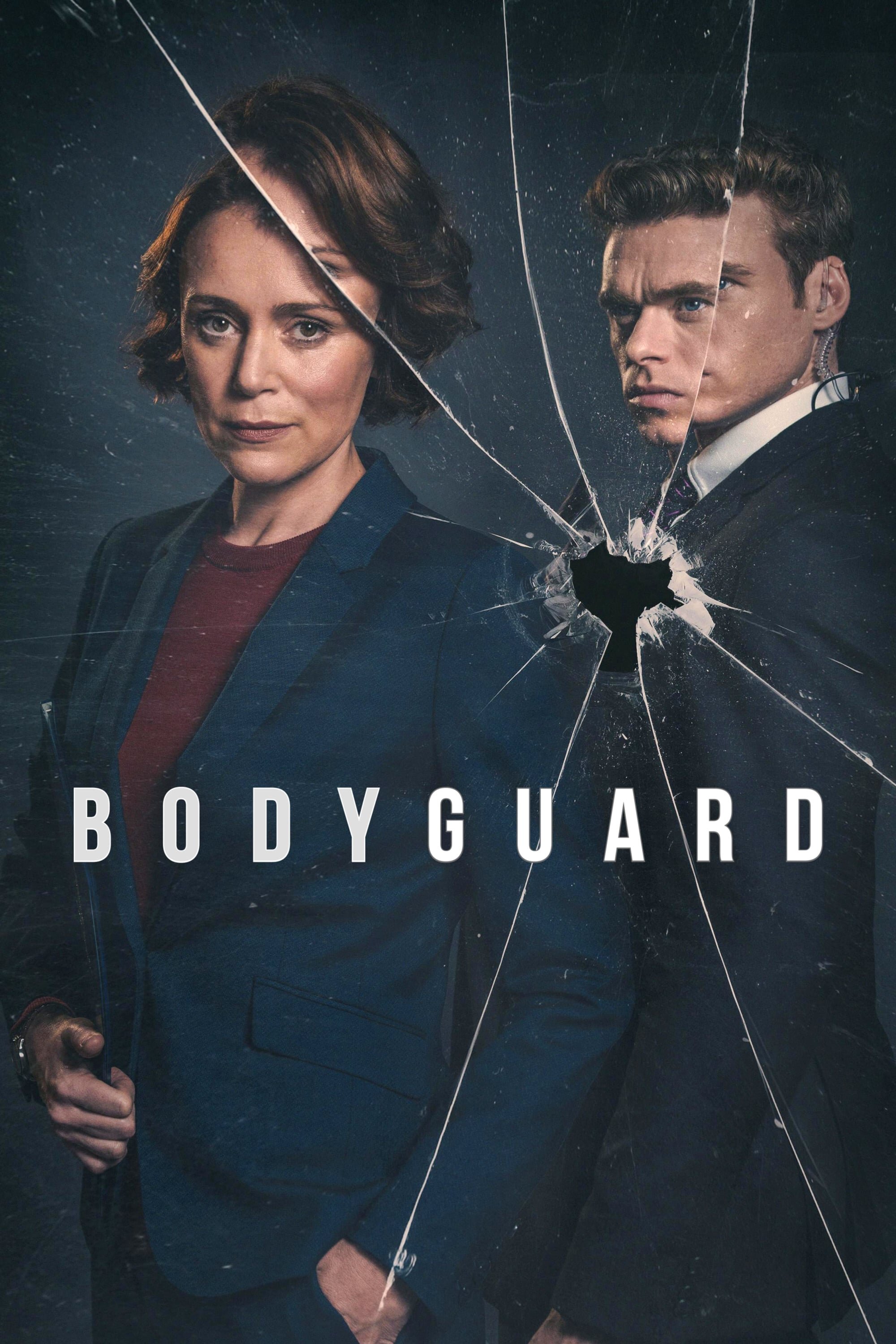
Bodyguard2018
This British political thriller reverses the power dynamic between protector and protected with the same incisive grip. Both explore how proximity to power corrupts judgment and how institutional loyalty becomes personal vendetta.
But It's six hours across an entire series, and if you want everything resolved neatly, this isn't your experience. Ambiguity is the point.
Not sure tonight? Get a pick in a minute, starting from Policeman
The wildcard
Something you would not have found on your own.
Branded to Kill1967
Both use the institutional thriller to interrogate how power deforms the consciousness of those who wield it, told through a protagonist becoming dangerously singular in his obsession.
Seijun Suzuki's anarchic yakuza noir is about a hitman in a shadowy institutional hierarchy obsessed with a target who becomes his mirror. Both films use genre as a Trojan horse for moral philosophy: the thriller becomes a meditation on what institutions do to the men inside them. Wildly different aesthetically—Suzuki fractures the image itself—but identical in their contempt for the hierarchies that justify violence.
But The 1967 aesthetic will challenge modern viewers: fractured edits, a lysergic soundtrack, and a refusal to explain. It's more experimental than Policeman, which might feel impenetrable.

More like this (8)
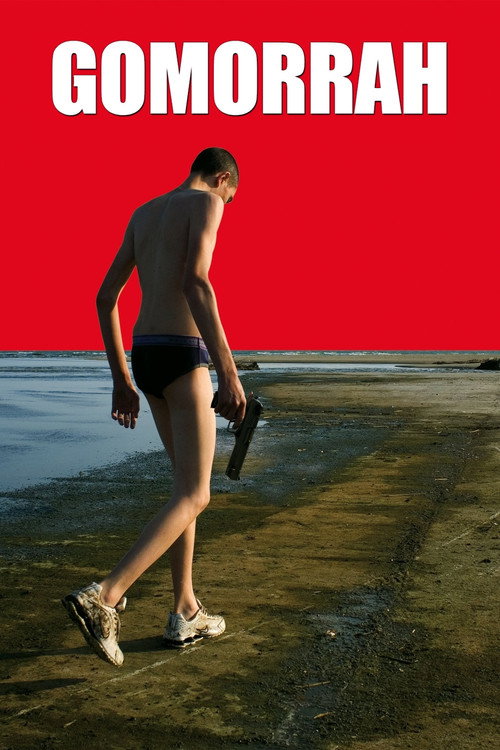
Gomorrah2008
Matteo Garrone's Neapolitan crime epic shares Policeman's refusal to distinguish cleanly between official and unofficial power. Both suggest that violence is systemic, not anomalous, and that institutions breed the brutality they claim to fight.
But It's a fragmented ensemble with no clear protagonist, so the narrative can feel scattered. Very dark, very pessimistic about human nature.
Spotlight2015
Like Policeman, this is about institutional rot revealed through investigative obsession. Both films understand that the most corrosive violence is often legal, systemic, and protected by hierarchy and inertia.
But It's a procedural about journalism, which can feel didactic. Less ambiguous morally than Lapid's film—there are clearer villains and heroes.

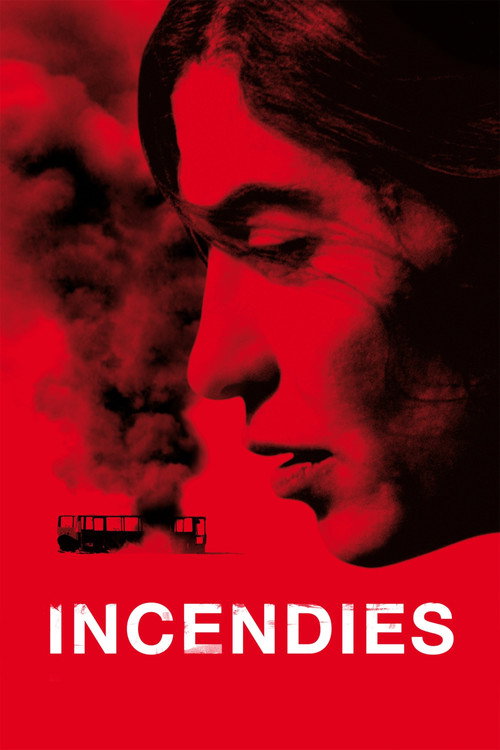
Incendies2010
Denis Villeneuve's shattering meditation on political violence and family legacy arrives at similar conclusions: that state and resistance both destroy the innocent. Lapid and Villeneuve both understand escalation as a moral trap.
But The final revelation is devastating to the point of near-unwatchability. Some will feel the film manipulates emotion rather than earning it.
The Counselor2013
Ridley Scott and Cormac McCarthy explore moral corruption in a man seduced by proximity to power and criminality. Like Policeman, it's about a protagonist too blind to see his own complicity until it's catastrophic.
But The dialogue is oblique and philosophical, the narrative is deliberately non-linear, and the film seems to hold its own protagonist in contempt. Not for those who want likeable characters.

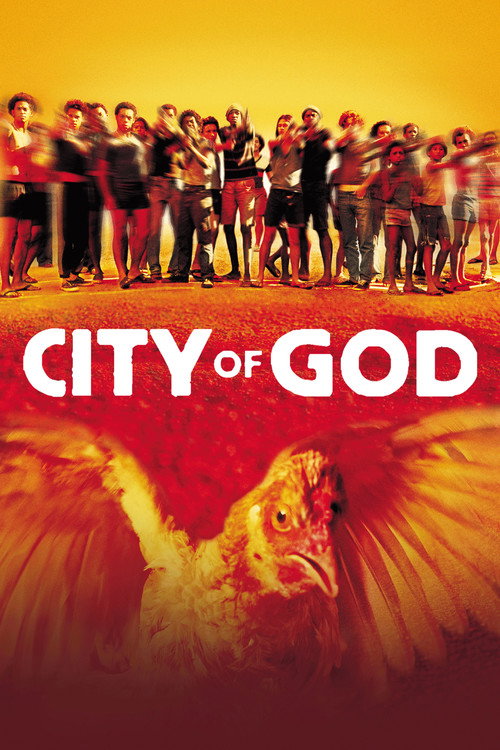
City of God2002
Fernando Meirelles's Brazilian favela saga shares Policeman's understanding that violence is structural, not moral. Both films refuse the comfort of heroism and instead map systems where everyone is compromised.
But The frenetic energy and rapid editing can overwhelm. It's visually busy in ways Policeman is not, which might feel tonally jarring if you prefer slower burns.
In the Bedroom2001
Todd Field's film traces how grief and rage corrode a marriage and a man's sense of justice. Both Policeman and In the Bedroom understand violence as a contagion that spreads inward, destroying the carrier as much as the target.
But It's a domestic chamber piece with a very slow pace and muted performances. Emotionally draining rather than thrilling, which might feel thin if you're expecting action.

The Act of Killing2012
Both examine how institutional violence warps the moral perception of those within the system, until they can no longer see themselves as perpetrators. One fictionalized, one terrifyingly documentary.
Joshua Oppenheimer's documentary asks Indonesian death-squad leaders to re-enact their mass murders. It's the inverse of Policeman's approach: instead of following the watcher, it watches the perpetrator justify himself. Both films conclude that institutional violence corrupts the language and consciousness of those who commit it, leaving them unable to recognize their own monstrosity.
But It's a real documentary about real genocide, not a drama. The complicity of the medium itself becomes the point, which is intellectually challenging but deeply uncomfortable. Not for those who need distance from atrocity.

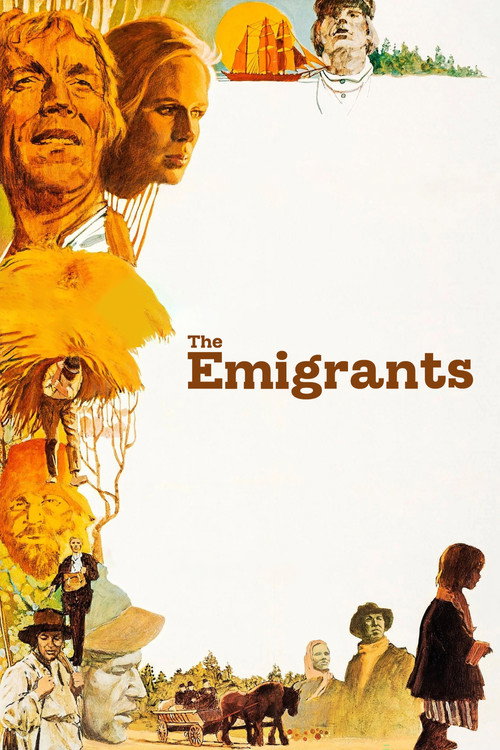
The Emigrants1971
Both are about seeing systems from the inside versus the outside; both suggest that complicity is often invisible to the complicit, and that distance is necessary for clarity.
Jan Troell's Swedish epic follows a family leaving agricultural poverty for America across four hours. It's entirely unlike Policeman in subject and scale, but identical in one crucial way: both films understand that power—whether institutional, economic, or national—is invisible to those inside it, and that leaving is the only way to see what you've been part of. Where Policeman shows corruption from within the system, Troell shows it from the perspective of those forced out.
But It's a 1970s historical epic with an 11-minute runtime and the pacing of an observational documentary. Glacially slow, and the emigration narrative might feel distant if you want moral urgency.
People
Cast
 Yiftach KleinYaron
 Ben AdamYotam
 Michael AloniNathanael
- Meital BardaNili
- Gal HoybergerAriel
 Michael MoshonovOded
 Menashe NoyMichael
 Yaara PelzigShira
 Rona-Lee ShimonHila's Father
 Shaul MizrahiHila