
Film
The Fifth Seal
- War drama
- Very dark
A 1976 Hungarian film of philosophical depth and moral urgency. Four ordinary men in a wartime bar debate a hypothetical question about sacrifice and complicity that spirals into something far darker. Zoltán Fábri's measured direction and the ensemble's naturalistic acting create an atmosphere of creeping dread. It's for viewers drawn to character-driven drama where ideas matter as much as plot.
If you liked this
Come and See1985
Elem Klimov's Belarusian masterpiece about a boy conscripted into WWII. It shares The Fifth Seal's refusal to look away from war's moral corruption and its power to unmake ordinary people. Devastating and necessary.
But It is relentlessly bleak and contains images of real violence and human degradation that some viewers find unwatchable. Not a film you enjoy—you survive it.

The Seventh Seal1957
Bergman's knight playing chess with Death. Like The Fifth Seal, it's a philosophical conversation piece where existential stakes matter more than plot momentum. Both films trust their audience to sit with big questions about mortality and meaning.
But It moves at a deliberate pace and contains long scenes of characters simply talking. If you need constant action or emotional catharsis, the meditative register will feel slow.

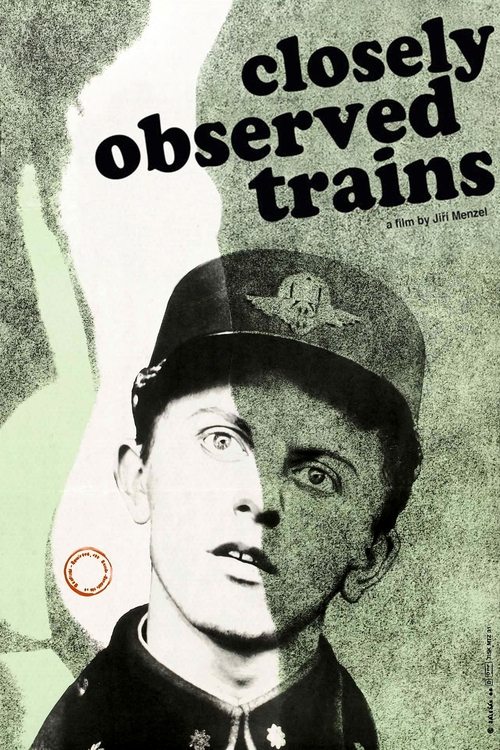
Closely Watched Trains1966
Jiří Menzel's Czech New Wave gem about a railway worker during the Nazi occupation. Like The Fifth Seal, it finds dark comedy and human complexity in wartime constraint. It's warmer than The Fifth Seal but shares its moral intelligence and formal grace.
But The tone shifts between comedy and tragedy in ways that can feel tonal whiplash if you're not attuned to that register. Some find the mix of lightness and gravity confusing rather than moving.
Not sure tonight? Get a pick in a minute, starting from The Fifth Seal
The wildcard
Something you would not have found on your own.
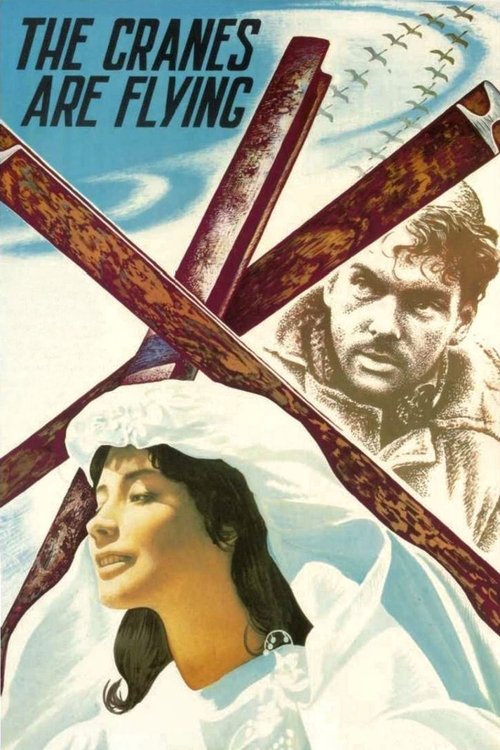
The Cranes Are Flying1957
Both trace the spiritual and moral damage of wartime on ordinary people; both trust their audience to feel rather than explain. The Fifth Seal philosophizes, The Cranes Are Flying poeticizes—same anatomy, different music.
Mikhail Kalatozov's Soviet masterpiece about a woman separated from her lover by war. The connection: both films examine moral complicity and conscience through civilians in wartime, but this one does it through love rather than philosophy. The visual poetry is transcendent.
But It's a Soviet film of a particular era, which can feel propagandistic in register to modern viewers. The emotional register is also operatic—if you prefer restraint, the intensity reads as overwrought.
More like this (8)
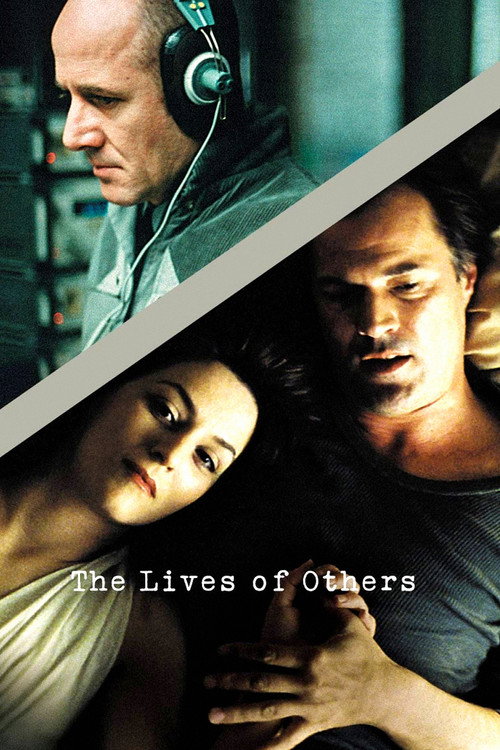
The Lives of Others2006
A Stasi officer gradually realizes the moral implications of his work. Like The Fifth Seal, it traces how ordinary complicity corrodes the soul, built on quiet scenes of men confronting what they've become. Extraordinarily controlled and humane.
But It's a contemporary film about surveillance and totalitarianism; if you prefer historical distance, this might feel too close and didactic. The ending divides viewers on whether it earns its grace note.
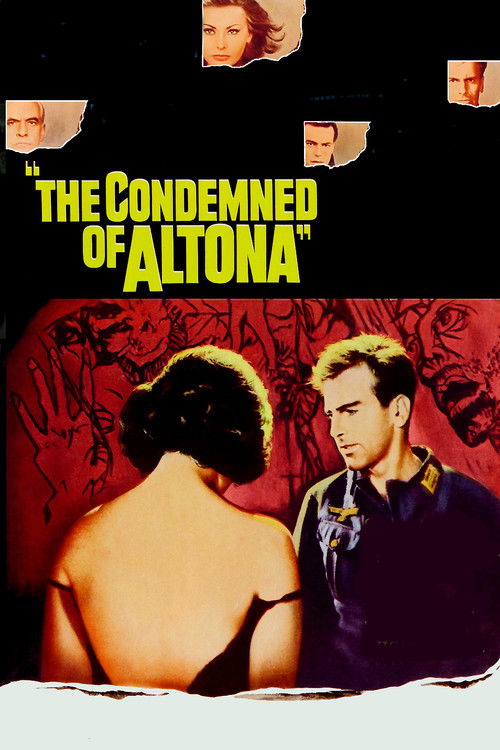
The Condemned of Altona1962
Vittorio De Sica's adaptation of Sartre, featuring Maximilian Schell as a man haunted by his Nazi past. It shares The Fifth Seal's interest in guilt, responsibility, and the impossibility of escape. Intellectually rigorous and deeply unsettling.
But It's a chamber drama adapted from a play; dialogue-heavy and deliberately theatrical. The black-and-white cinematography and formal staging might feel dated to modern viewers.
A Prophet2009
Jacques Audiard's portrait of a young man's moral corruption in prison. It mirrors The Fifth Seal's anatomy of complicity and the slow erosion of conscience. Immersive and morally complex without easy answers.
But It's brutal in ways that feel gratuitous to some viewers. Prison violence is depicted unflinchingly, and the moral ambiguity never resolves into comfort.

The Battle of Algiers1966
Gillo Pontecorvo's documentary-style reconstruction of anti-colonial insurgency. Like The Fifth Seal, it examines ordinary people forced into impossible moral positions by political violence. You'll argue about it afterward.
But Its formal power can read as propaganda to some viewers. The film's moral stance is unmistakable, and that clarity might feel didactic if you prefer ambiguity.

Stalker1979
Andrei Tarkovsky's philosophical science fiction, where three men journey through a mysterious zone. Shares The Fifth Seal's faith in contemplation and conversation as dramatic engines. Slow, hypnotic, unforgettable.
But It's 163 minutes of deliberate pacing and long takes. If you find Tarkovsky's register austere, this will feel like punishment rather than cinema.

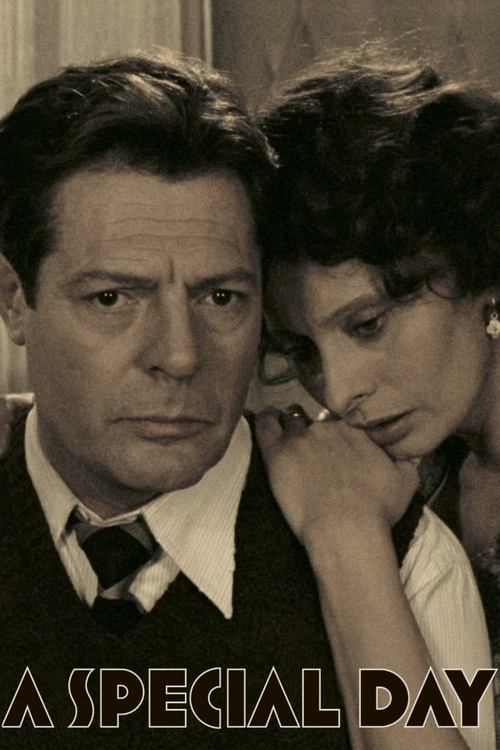
A Special Day1977
Ettore Scola's intimate study of two people meeting during Mussolini's regime. It has The Fifth Seal's quietness and its interest in how history crushes the ordinary. Sophia Loren and Marcello Mastroianni in a genuinely moving encounter.
But It's a small, interior film without traditional dramatic peaks. Some find its restraint moving; others find it precious and overstated.
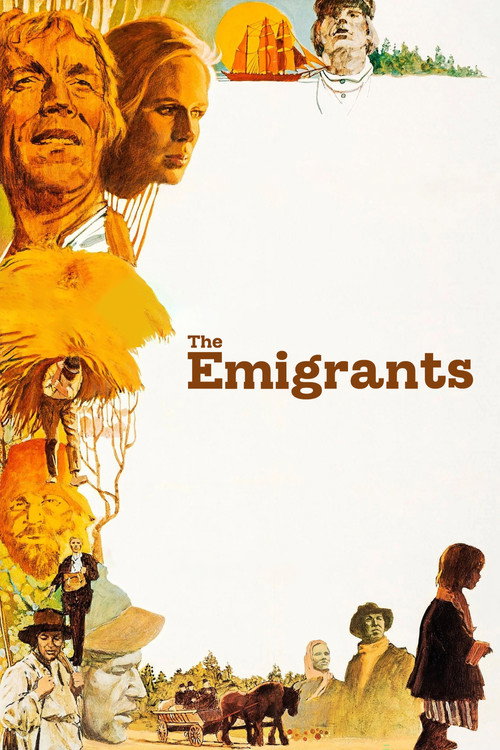
The Emigrants1971
Both examine how ordinary people navigate radical historical change. The Fifth Seal happens in one room in one night; The Emigrants unfolds across continents and years. Same question—how do you keep your conscience intact?—answered by scale.
Jan Troell's Swedish epic about a family fleeing to America. Shares The Fifth Seal's interest in impossible choices and moral weight, but opts for historical sweep and landscape rather than chamber-piece intensity. Melancholic and humanistic.
But It's 191 minutes and structured as a journey rather than a dramatic arc. The pacing is deliberate to the point of glacial; modern audiences often find it a test of patience.
The Ascent1977
Both films root abstract moral questions—what do you owe? when is surrender complicity?—in the bodies and faces of men facing impossible choices. The Fifth Seal asks these questions in talk; The Ascent answers them in silence and snow.
Larisa Shepitko's astonishing Soviet film about two partisans walking through winter toward an impossible choice. Like The Fifth Seal, it's a philosophical film about faith, sacrifice, and complicity. Shot in black-and-white with an almost religious intensity. Hypnotic and severe.
But It's genuinely difficult—visually austere, narratively circular, spiritually demanding. The ending is enigmatic in a way that frustrates viewers who want resolution. Not a comforting watch.

People
Cast
 Lajos ŐzeMikló Gyuricza
 László MárkusKirály László
 Ferenc BenczeBéla
 Sándor HorváthKovács János
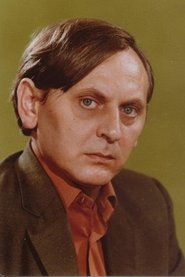 István DégiKeszei Károly
 Gábor NagySzőke hajú
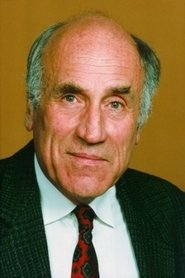 György BánffyMagas
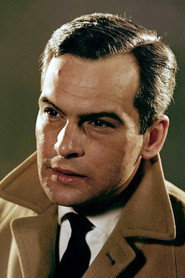 Zoltán LatinovitsCivilruhás
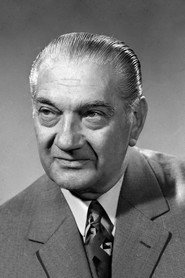 József VándorMacák
 Noémi AporKovácsné
 Ildikó PécsiIrén
 Marianna MoórLucy
Directing
- Zoltán FábriDirector
- Árpádné SzalontayScript Supervisor
Writing
- Ferenc SántaNovel
- Luca KarallScript Editor
- Zoltán FábriWriter