
Film
Yeelen
Yeelen is a Malian fantasy epic about a son born with magical power, fleeing his sorcerer father across luminous desert landscapes. Shot in Bambara language with visual poetry that rivals any European art film, it's hypnotic and deeply strange—a myth that feels lived-in rather than performed. For anyone hungry for cinema that comes from outside the Western tradition and doesn't apologize for its own logic.
Should you watch it?
Watch it if you are drawn to slow, luminous films where folklore, animist ritual and a sense of ancient cosmology carry the story more than plot mechanics, and where a single image can hold a whole philosophy.
Skip it if you need brisk pacing or conventional narrative momentum; the storytelling is measured and sparse, and its mythic register can feel distant rather than immersive.
What it asks of you: At 105 minutes, it moves at the unhurried pace of its landscapes, with long still takes and lengthy silences that reward patient, fully attentive viewing.
Not sure? Find tonight's pick in a minute.
If you liked this
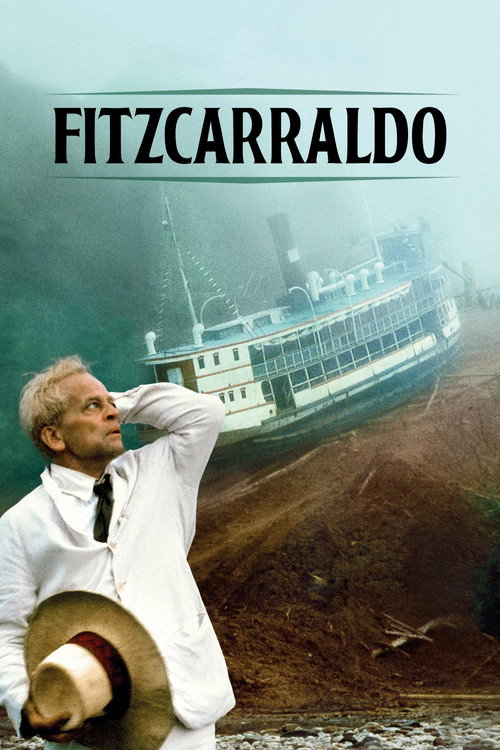
Fitzcarraldo1982
Another vision of obsession and spiritual quest set against inhospitable terrain. Herzog's protagonist chases an impossible dream with the same fevered determination as Yeelen's hero; both films feel like documents of genuine delirium.
But It's long, slow, and built on real discomfort. The making-of story sometimes overshadows the film itself—which can flatten the experience into a curiosity.
The Holy Mountain1973
Jodorowsky's surreal journey-quest film. Yeelen shares its refusal to explain itself, its treatment of magic as simply how the world works, and its visual sophistication in service of something beyond plot.
But Deliberately obscure and often grotesque. It wears its mysticism ostentatiously, which can feel like provocation rather than invitation.

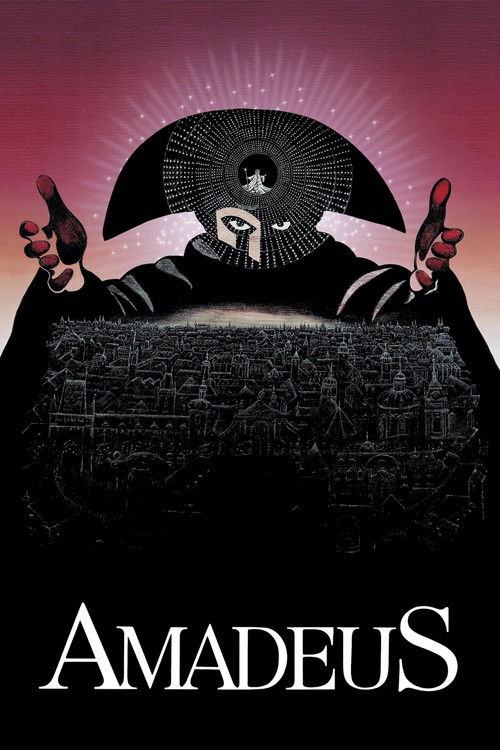
Amadeus1984
A meditation on talent, rivalry, and the father-son dynamic clothed in period grandeur. Like Yeelen, it's about contested power and inheritance, though it unfolds in palaces rather than on horseback.
But Mainstream and lavish in a way that can feel stagebound. Its emotional logic is Western and explicable—the opposite of Yeelen's dream-state certainty.
Not sure tonight? Get a pick in a minute, starting from Yeelen
The wildcard
Something you would not have found on your own.
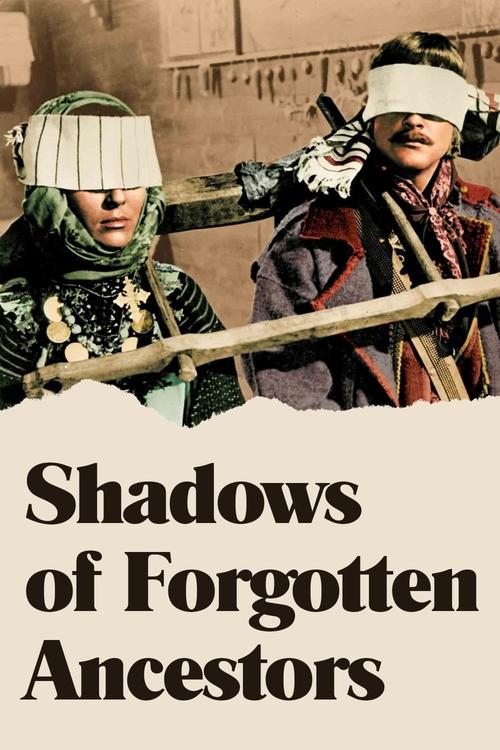
Shadows of Forgotten Ancestors1965
Both are non-Western films from the 1960s-80s that weaponize visual poetry against narrative clarity—cinema not as story-telling but as ritual.
Tarkovsky's Ukrainian contemporary. A love story told through visual abstraction, with the same painterly obsession with landscape and texture, the same insistence that cinema can carry myth without apology. Both films are incantatory—you don't understand them, you experience them.
But Black and white. Sixty minutes in and you may have no idea what's happening. The reward is for those willing to surrender to form over clarity.
More like this (8)
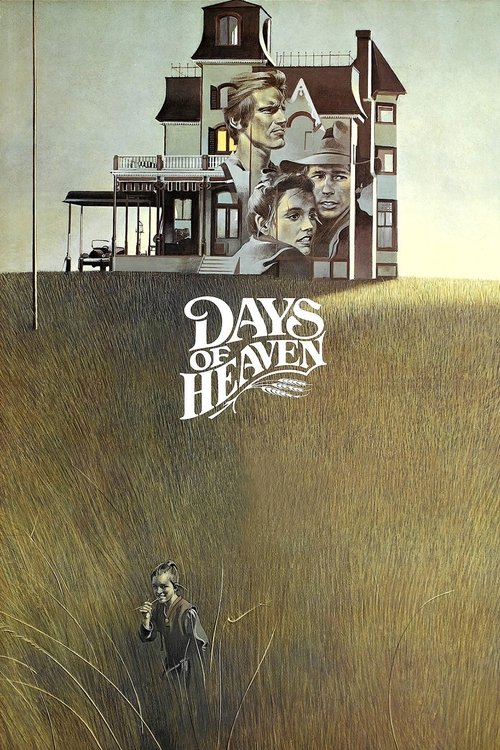
Days of Heaven1978
Malick's visual poetry applied to displacement and moral ambiguity. Like Yeelen, it treats landscape as a character and lets mood supersede narrative clarity—cinema as reverie.
But Narration can feel precious. Some viewers find the deliberate pacing and withholding of explanation frustrating rather than meditative.
Synecdoche, New York2008
A film about the collision between inner vision and outer world, between what a creator summons and what reality permits. Both films have that quality of moving through someone else's myth.
But Aggressively postmodern and self-referential in ways Yeelen is not. Can feel like watching someone else's nightmare rather than entering a shared dream.

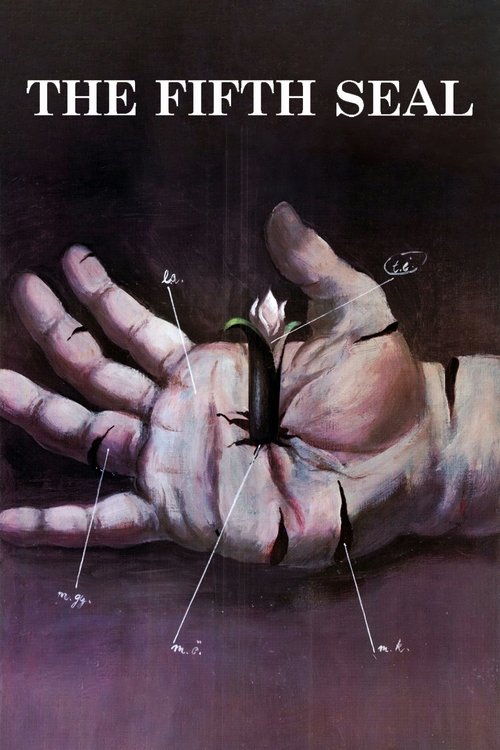
The Fifth Seal1976
Hungarian sci-fi that's genuinely strange and visually ambitious, shot with the painterly discipline Yeelen shares. It's also interested in power, sacrifice, and the space between the rational and the transcendent.
But Harder to find than you'd like. The pacing is glacial even by Yeelen standards, which may test patience severely.
Come and See1985
A film about initiation through horror, where the protagonist is transformed by forces beyond comprehension. Both films have an almost biblical intensity and treat their worlds as inevitable, not negotiable.
But Brutally, unrelentingly bleak. This is about real-world atrocity, not fantasy—it earns its darkness in ways that can be genuinely traumatic.

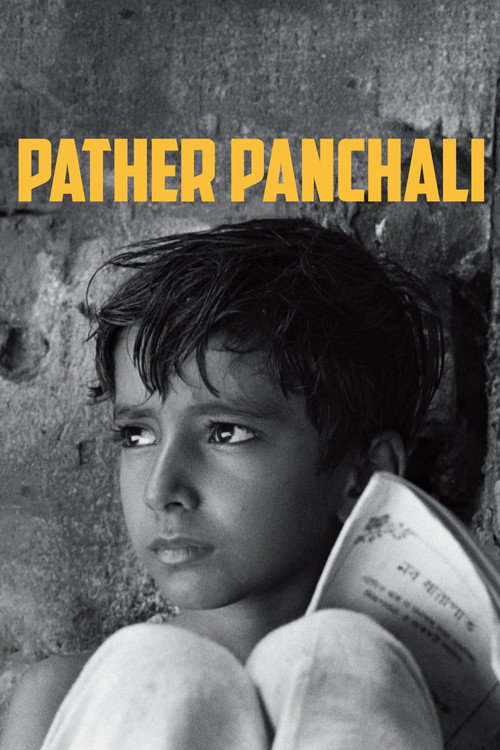
Pather Panchali1955
Ray's luminous humanism and his way of filming people against vast landscapes creates a kinship with Yeelen's visual language. Both understand cinema as a way to capture something spiritual without ever naming it.
But In black and white, shot over nearly a decade, with a narrative pace that drifts. Patience is non-negotiable; so is faith.
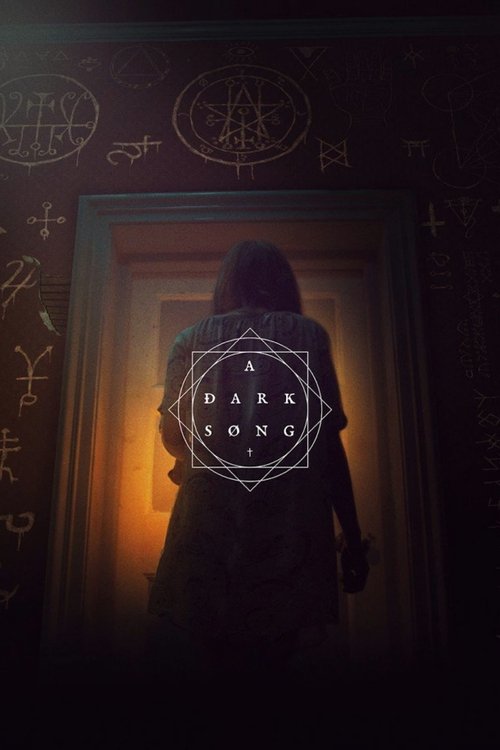
A Dark Song2016
A chamber piece about spiritual quest and the possibility of actual magic, shot with surprising restraint. It shares Yeelen's willingness to take its supernatural premise as emotionally real rather than explaining it away.
But Confined and dialogue-heavy in the opposite way from Yeelen. Some viewers find the earnestness about grief and redemption overwrought.
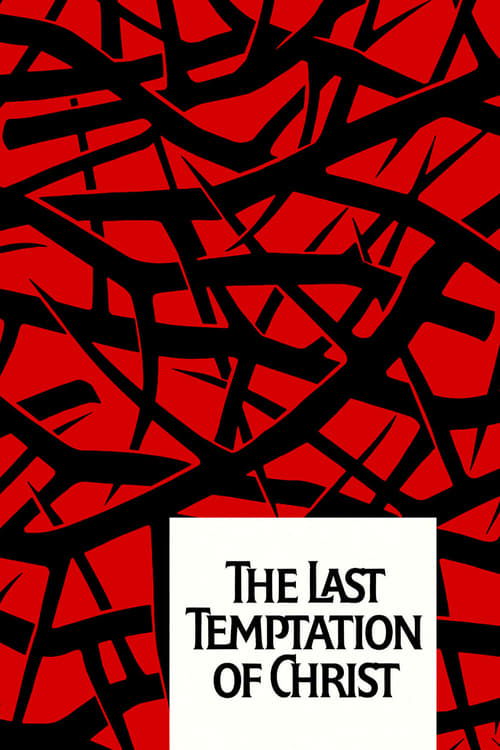
The Last Temptation of Christ1988
Both films are about sons carrying the weight of fathers—real or spiritual—and both refuse to make that inheritance comforting or clean.
Scorsese's Jesus is a man grappling with inherited power and the cost of vocation—the same spiritual exhaustion animating Yeelen's hero. It's visually austere, philosophically unsettled, and treats the sacred as a question rather than an answer.
But Controversial and divisive on religious grounds. The tone veers between the intimate and the cosmic in ways that can feel uneven or pretentious.
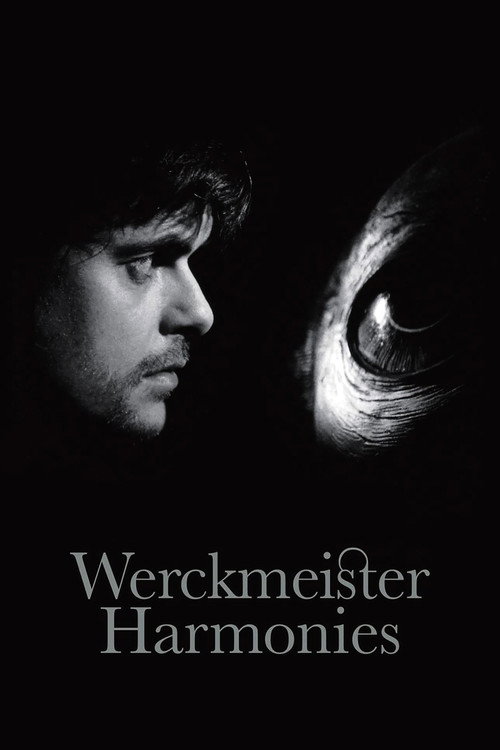
Werckmeister Harmonies2001
Both films are structured like myths: events happen with the inexorability of fable, never fully explained, always visually overwhelming.
Béla Tarr's Hungarian film, almost entirely in black and white, about a whale-museum and a conspiracy that unfolds like a fever dream. Formal, glacial, hypnotic. It has Yeelen's dream-logic and its insistence that cinema can operate on the frequency of myth rather than plot.
But Nearly three hours. Barely any dialogue. Cinematically, it demands an almost meditative surrender—most viewers will find it an endurance test.
People
Cast
- Issiaka KaneNiankoro, the Son
- Balla Moussa KeitaRouma Boll, the Fulani King
- Aoua SangareAttou, the Young Fulani Woman
- Ismaila SarrBofing, the Uncle
- Niamanto SanogoSoma / Djigui
- Soumba TraoreMah, the Mother
- Koke SangareThe Chief of Komo
- Youssouf Tenin CisséAttou's Little Boy
Directing
- Seydou DialloAssistant Director
- Souleymane CisséDirector
- Fanta TraoreScript Supervisor
- Sékou OuedraogoScript Supervisor
Writing
- Souleymane CisséWriter
Production
- Souleymane CisséProducer