
Film
The Story of Qiu Ju
Zhang Yimou's landmark film follows Qiu Ju, a pregnant peasant woman navigating China's byzantine bureaucracy to obtain an apology from the village head who assaulted her husband. It's a tragicomedy about dignity and systemic indifference, shot with documentary clarity. Gong Li is magnificent. For anyone interested in how power actually works, or in cinema that observes rather than performs.
Should you watch it?
Watch it if you love stubborn, unglamorous persistence told with a wry, observational eye, where a small quarrel becomes a study of how rules grind down the ordinary.
Skip it if you want plot momentum or big emotional payoffs, since this is a deliberately plain, episodic journey that circles its heroine's frustration rather than racing toward a climax.
What it asks of you: It moves at the pace of its heroine's errands, in long, patient takes, with dry humor that never fully lets go of its stakes.
Not sure? Find tonight's pick in a minute.
If you liked this
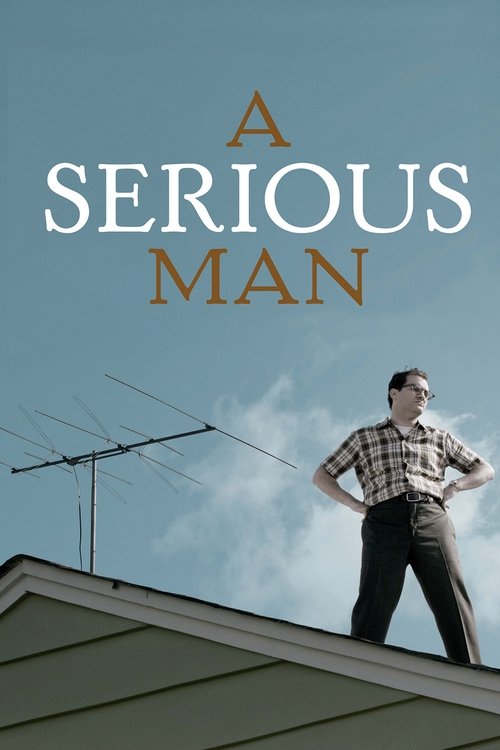
A Serious Man2009
Like Qiu Ju, it's a story about a person trying to get justice through institutional channels and being slowly, absurdly ground down by them. A mordant comedy about systems that don't care about individual righteousness.
But It's bleak and doesn't resolve satisfyingly. The Coen Brothers' tone is deliberately alienating, and some find the film's ending pointless.
Stalker1979
Both films are meditative journeys through landscapes—physical and bureaucratic—where the process matters more than destination. Tarkovsky's spiritual depth mirrors Qiu Ju's exploration of what perseverance costs a person.
But It's 163 minutes of slow cinema. Long takes, minimal dialogue, and philosophical abstraction will exhaust anyone wanting plot momentum.

Ikiru1952
Kurosawa's masterpiece also follows an ordinary person navigating Japanese bureaucracy with quiet dignity. Both films ask what it means to live meaningfully within systems designed to crush individual will.
But It's emotionally devastating in a way that requires patience. The pacing is deliberate, and catharsis comes slowly, if at all.

Not sure tonight? Get a pick in a minute, starting from The Story of Qiu Ju
The wildcard
Something you would not have found on your own.
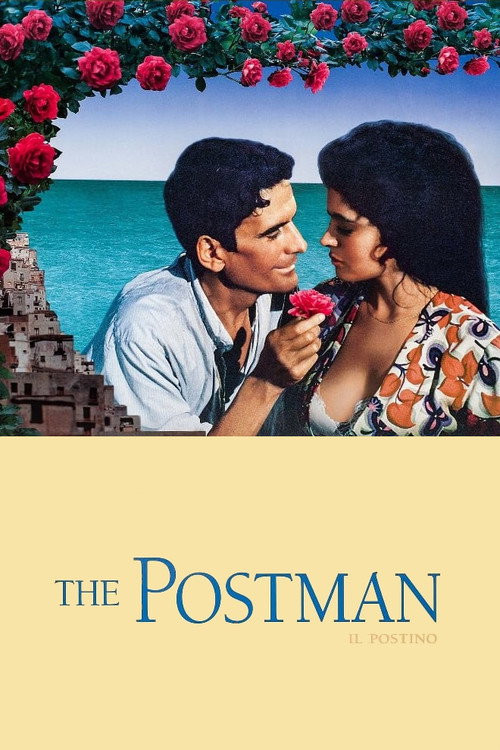
The Postman1994
Same director and star, but inverted in tone and genre: instead of a woman battling the system, a man and woman trying to create beauty within it.
Also directed by Zhang Yimou, also starring Gong Li. A radically different film—romantic and lyrical rather than bureaucratic and dark—but equally obsessed with how individuals assert meaning against system and history.
But It's a love story where Qiu Ju was institutional satire. If you want the same film again, this will disappoint. Some find it sentimental.
More like this (7)
The Remains of the Day1993
A meditation on obedience, regret, and the systems we serve. Anthony Hopkins plays a butler who, like Qiu Ju, prioritizes institutional loyalty over personal needs—but with tragic consequences.
But It's restrained and interior. If you need obvious emotional beats or confrontation, this film's quiet reserve will feel frustratingly distant.

A Prophet2009
Another film about navigating power structures and unwritten rules. Jacque Audiard shows how systems (here, prison) can be read and worked like Qiu Ju reads the bureaucracy—with intelligence and resilience.
But It's violent and morally murky. The protagonist isn't sympathetic in the way Qiu Ju is, and the film demands you think rather than feel.

Bicycle Thieves1948
Both are neo-realist stories about ordinary people facing institutional indifference. Sica's masterpiece shares Qiu Ju's documentary eye and its faith that everyday struggle contains profound human truth.
But The ending is bleak. If you watch this expecting the system to bend toward justice, you'll be disappointed by its refusal to comfort you.

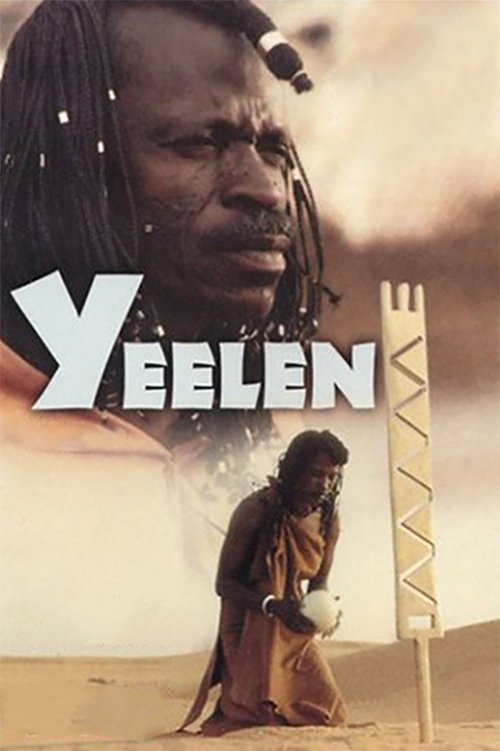
Yeelen1987
Souleymane Cissé's film, like Qiu Ju, follows a journey through landscape and society. Both are interested in how individuals navigate and resist structures larger than themselves, shot with lyrical precision.
But It's abstract and elliptical. Narrative takes a back seat to visual and spiritual metaphor, which some find inaccessible or tedious.
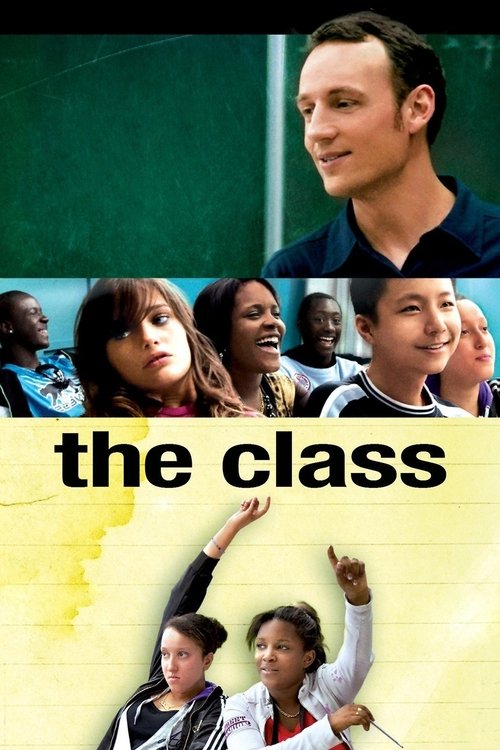
The Class2008
Laurent Cantet's film observes bureaucratic systems (here, education) with the same clear eye Yimou turns on the law. Both are interested in power's everyday operations and how ordinary people navigate them.
But It's a long, talky ensemble piece. If you need a central character or emotional arc, the film's dispersed focus and lack of resolution will frustrate.
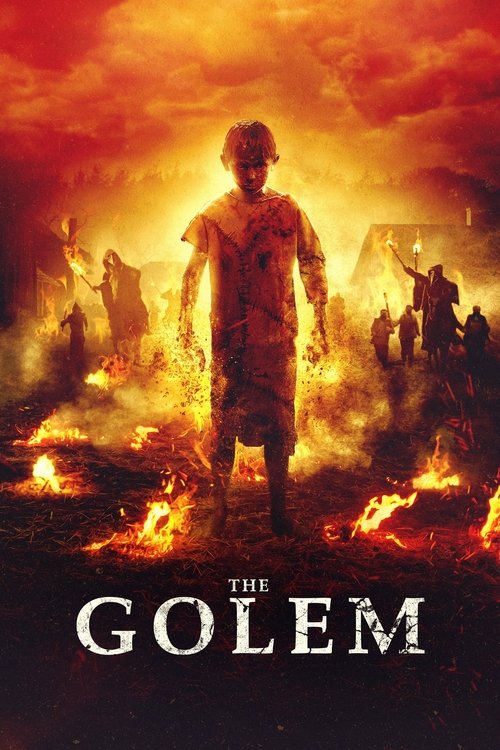
The Golem2018
A formally inventive film about systems of power and how those outside them try to survive. It shares Qiu Ju's interest in perseverance against indifferent authority, though in a radically different genre.
But It's abstract and demanding. The baroque style and historical specificity make it feel distant, and some will find it pretentious.
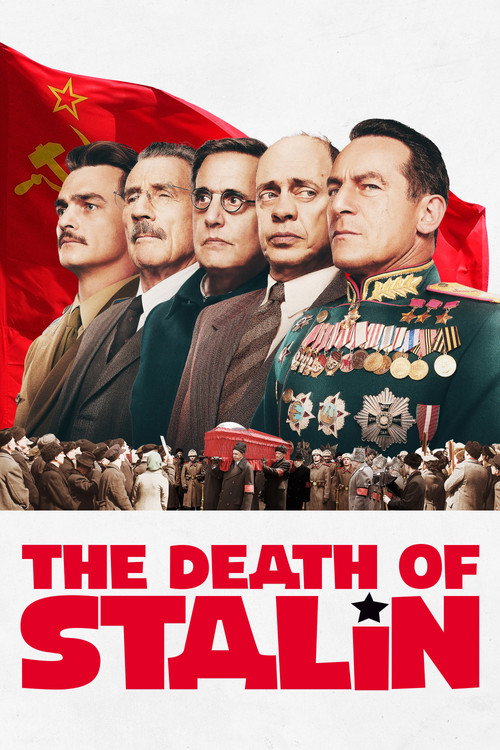
The Death of Stalin2017
Both films use bureaucracy as their true subject and find dark comedy in how systems prioritize procedure over justice or human need. Qiu Ju observes; this one punches.
Armando Iannucci's wickedly funny take on Soviet bureaucracy as absurdist machine. Like Qiu Ju, it's about the gap between stated ideology and actual power, but replaces patient observation with savage satire.
But It's a British comedy about Stalinist succession politics. The tone is so aggressively funny it alienates those wanting gravity, and the satire assumes political knowledge some won't have.
People
Cast
 Gong LiQiu Ju
 Liu PeiqiWan Qinglai
- Liuchun YangMeizi
 Lei KeshengWang Shantang
 Ge ZhijunOfficer Li
Directing
- Zhang YimouDirector
Writing
- Yuan Bin ChenNovel
- Liu HengWriter
Production
- Feng Yi TingCoordinating Producer
- Ma Fung KwokProducer