
Film
The Postman
A gentle, unhurried Italian comedy-drama about a shy postman on a tiny island who, tasked with delivering mail to the exiled poet Pablo Neruda, discovers poetry as a way to woo the woman he loves. Warm, funny, and quietly devastating by its close, it's Massimo Troisi's last performance—a bittersweet love letter to language, longing, and ordinary lives brushed by greatness.
If you liked this
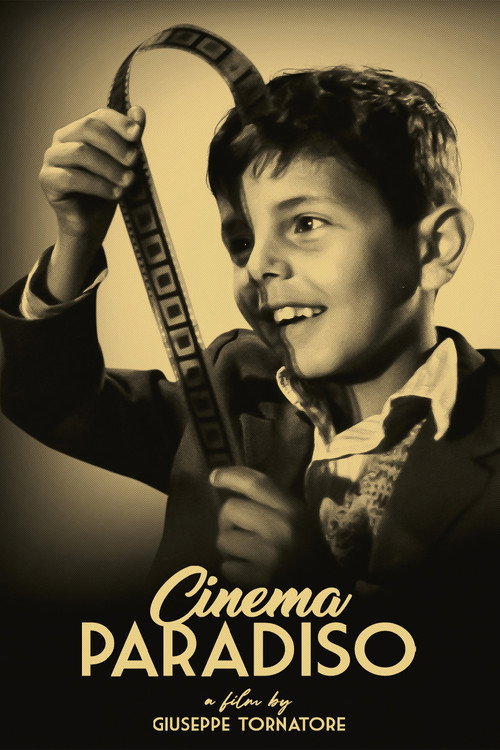
Cinema Paradiso1988
Swap poetry for cinema and you get the same ache: a small Sicilian town, a father-figure mentor, a boy transformed by someone else's art. Tornatore's film shares Il Postino's tenderness, its humour, and its heartbreak in equal, devastating measure.
But Unashamedly sentimental and slow-paced—if you found the original manipulative rather than moving, this one leans even harder into nostalgia.
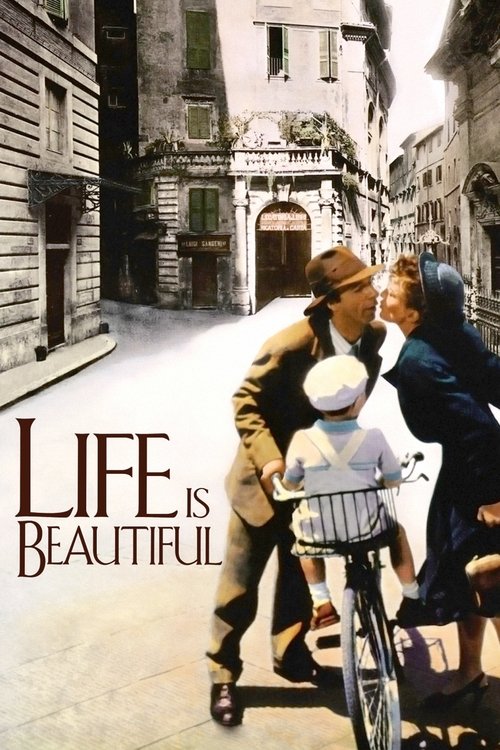
Life Is Beautiful1997
Benigni's tragicomedy shares the same DNA: an ordinary Italian man, hopelessly romantic, whose warmth and humour become an act of quiet resistance against forces far larger than him. Funny, then suddenly, unbearably not.
But The shift from comedy to devastation is abrupt and deliberate—some viewers find it too calculated, too aware of its own power to move you.
Mediterraneo1991no page yet
Italian soldiers stranded on a sun-baked Greek island slowly forget the war and fall in love with slowness itself. Same gentle, humane comedy as Il Postino, same sense that paradise is just a matter of paying attention.
But Almost plotless by design—if you need forward momentum, this leisurely, shaggy comedy will test your patience.
The wildcard
Something you would not have found on your own.
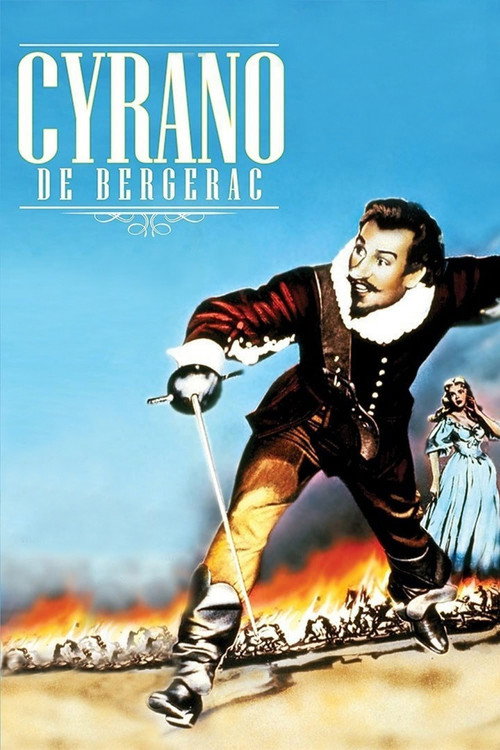
Cyrano de Bergerac1950
Il Postino's whole premise—a man borrowing another's words to win a woman he could never win with his own—is Cyrano's premise exactly, just moved to a Chilean fishing village. This 1950 version got there first, and won an Oscar for it.
José Ferrer's Cyrano, all wounded pride and borrowed eloquence, is the older, sharper ancestor of Mario's whole scheme: a man who can love but can't say it, using someone else's words to do the saying for him.
But Stagier and more theatrical than Il Postino—swordfights and rhyming couplets instead of fishing boats and bicycles; a very different rhythm.
More like this (8)
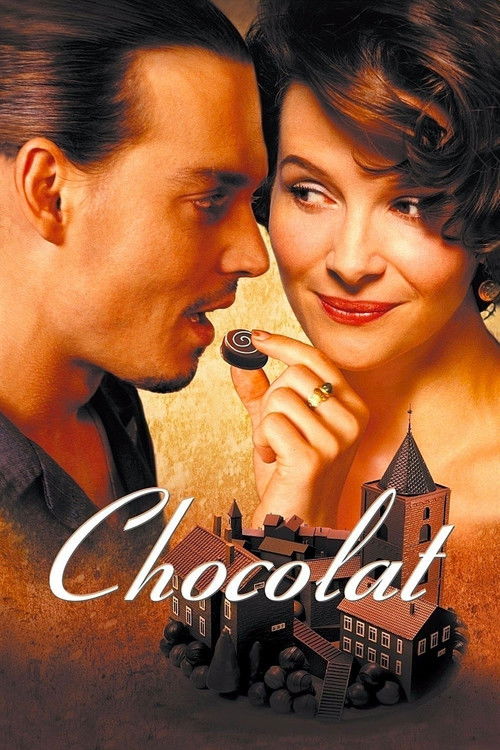
Chocolat2000
A stranger arrives in a closed-off village and, through simple pleasure rather than grand gesture, cracks it open. Same quiet faith that beauty and appetite can undo years of small-mindedness.
But Glossier and more Hollywood than Il Postino—the whimsy is broader, the politics softer, the ending tidier.
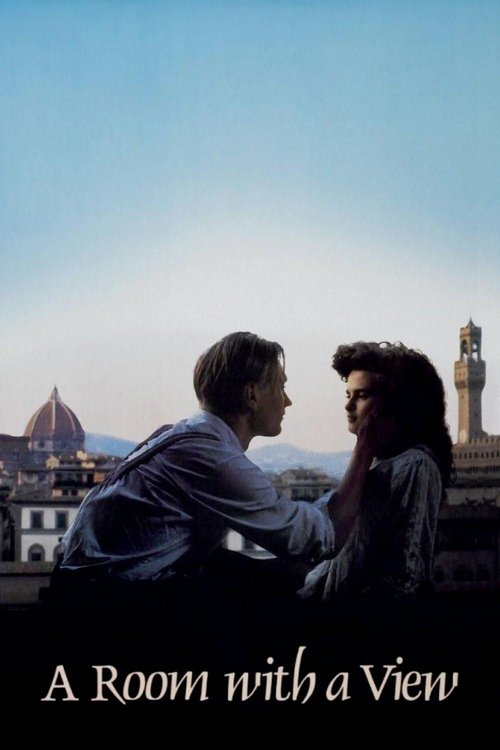
A Room with a View1986
Merchant Ivory at their warmest: a trip to Italy loosens an uptight Englishwoman's heart, and art—paintings, views, the poetry of place—becomes the language of desire neither she nor her suitor can otherwise speak.
But Buttoned-up English romance rather than earthy Italian charm—expect drawing rooms and repression, not fishing boats and sunburn.
Enchanted April1991no page yet
Four unhappy Englishwomen rent an Italian villa and slowly, improbably, remember how to feel things. Same sun-drunk logic as Il Postino: that a change of light can change a person.
But Very gentle, very talky, almost no plot to speak of—this rewards patience more than it rewards attention.
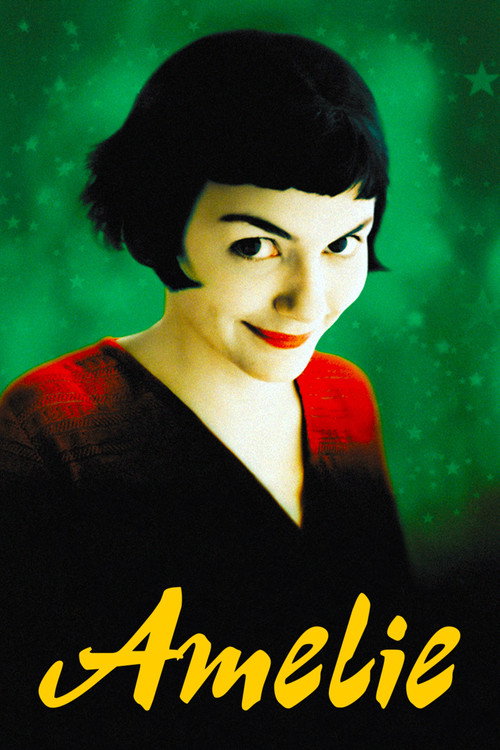
Amélie2001
French, whimsical, and drunk on the idea that ordinary life is secretly poetic if you look closely enough—Jeunet's fable shares the same delight in small, strange, tender human moments as Il Postino.
But The whimsy is turned up much higher and the tone is knowingly cute—it can feel twee if you're not in the mood.
Belle Époque1992no page yet
Spanish sun, political turmoil kept just offstage, and a gentle comic tone that never stops taking love seriously—this Oscar-winner shares Il Postino's knack for romance blooming right where history is about to intrude.
But Broader and bawdier than Il Postino, with four love stories instead of one—less delicate, more farcical.
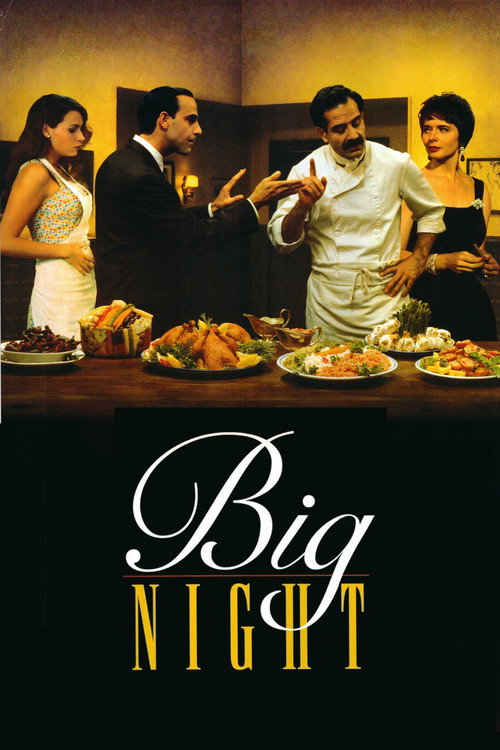
Big Night1996
Two Italian immigrant brothers pour everything they have into one perfect meal, hoping it will save them. Same slow, loving attention to small gestures as acts of devotion, the same undercurrent of melancholy.
But Food replaces poetry as the vehicle for love here—if you want verse and letters, this is a different language entirely.
Neruda2016no page yet
Same poet, wildly different treatment: instead of Il Postino's tender fiction about Neruda in exile, this is a playful, unreliable Chilean noir where a detective may or may not be chasing Neruda through his own myth—politics and poetry turned into a chase movie.
Pablo Larraín turns Neruda's real exile into a metafictional detective story that's part homage, part interrogation of the man's ego and legend—funnier, stranger, and far more cynical about poets than Il Postino ever allows itself to be.
But Deliberately slippery and unreliable in ways that reward knowing Chilean history—can feel like a puzzle box rather than a warm embrace.
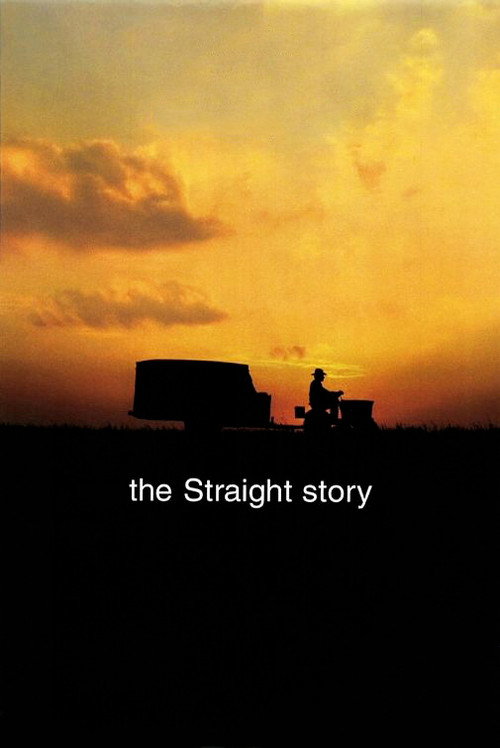
The Straight Story1999
David Lynch, of all people, made a film this gentle: an old man drives a lawnmower across states to see his dying brother. No poetry, no romance, but the same patient, humane belief that small lives and small gestures deserve the camera's full attention.
It's astonishing that the director of Blue Velvet made something this tender—a slow, plain, deeply moving road movie about dignity in old age that shares Il Postino's faith in ordinary decency as its own kind of grace.
But No romance, no comedy, almost no plot—just an old man and a lawnmower; some will find it too slow and too plain.
People
Cast
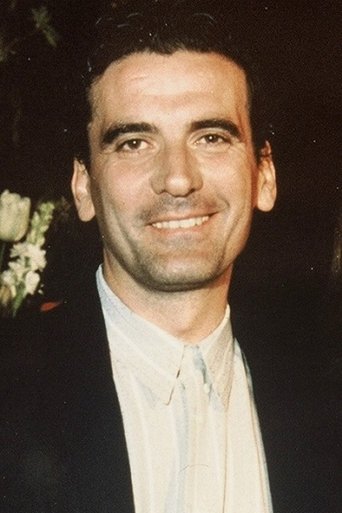 Massimo TroisiMario Ruoppolo
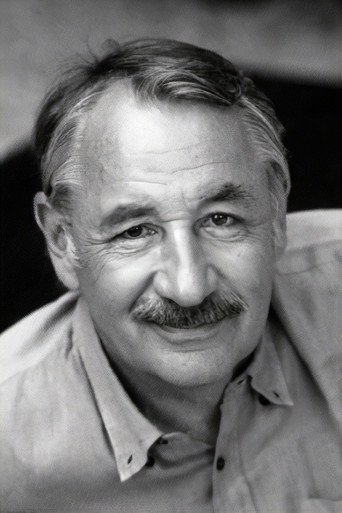 Philippe NoiretPablo Neruda
 Maria Grazia CucinottaBeatrice Russo
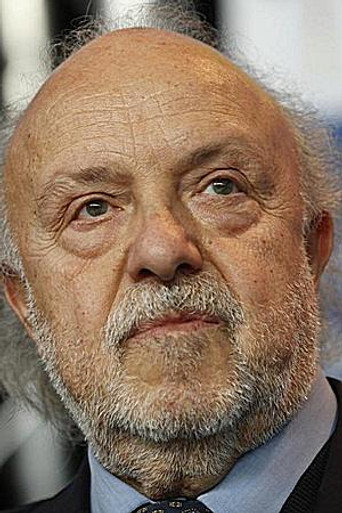 Renato ScarpaTelegrapher
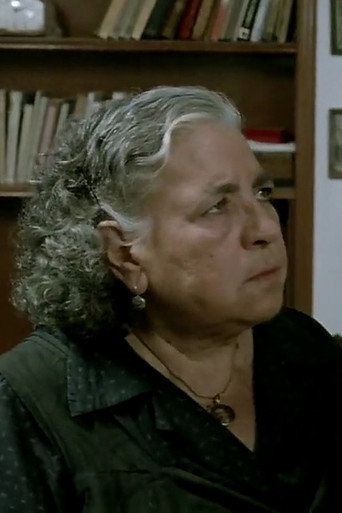 Linda MorettiDonna Rosa
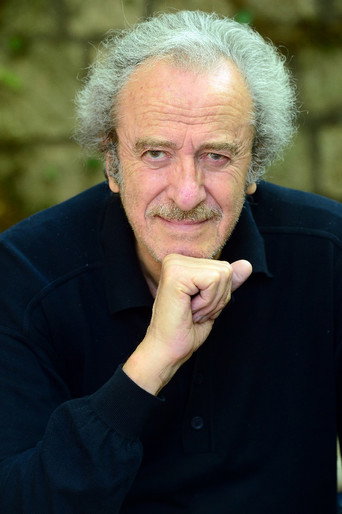 Mariano RigilloDi Cosimo
 Anna BonaiutoMatilde
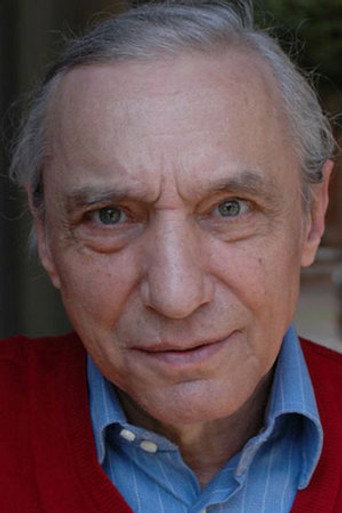 Sergio SolliPeasant
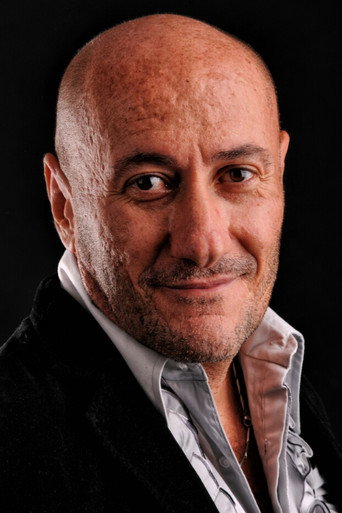 Carlo Di MaioPriest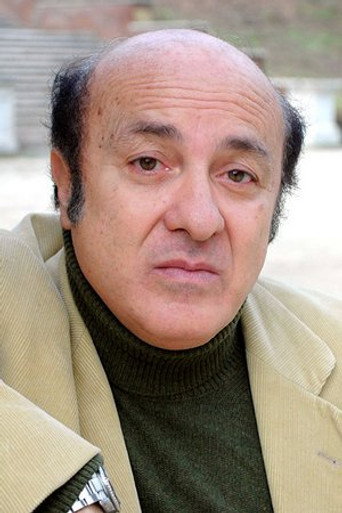
Directing
- Massimo TroisiCo-Director
- Michael RadfordDirector
- Gaia GorriniFirst Assistant Director
- Elide CortesiScript Supervisor
- Stefano VenerusoSecond Assistant Director
Writing
- Antonio SkármetaNovel
- Massimo TroisiScreenplay
- Michael RadfordScreenplay
- Furio ScarpelliStory
- Giacomo ScarpelliStory
Production
- Alberto PassoneExecutive Producer
- Gaetano DanieleProducer
- Mario Cecchi GoriProducer
- Vittorio Cecchi GoriProducer
- Vincenzo TestaProduction Manager
- Raffaele VenerusoUnit Manager